目录

  • 1 Unit 1 Careers
    • 1.1 第一学时 Lead-in
    • 1.2 第二课时 Vocabulary
    • 1.3 第三课时 Reading  Ten ways to improve your career
    • 1.4 第四课时 listening
    • 1.5 第五课时Language review: modal verbs
    • 1.6 第六课时 language skills: telephone conversation
    • 1.7 第七课时 Interview skills
  • 2 Unit 2 Companies
    • 2.1 第一课时 Lead-in
    • 2.2 第二课时 Vocabulary
    • 2.3 第三课时 Reading
    • 2.4 第四课时 Listening
    • 2.5 第五课时 Language Review 一般现在时
    • 2.6 第六课时 Skills How to make an effective presentation
  • 3 Unit 2 companies: expanded knowledge
    • 3.1 Business vocabulary
    • 3.2 Defining organization
    • 3.3 Company Structure
    • 3.4 Case study-outsource/keep in-house
    • 3.5 Test
    • 3.6 Expanded reading
  • 4 Uni t3 Selling
    • 4.1 第一课时 Lead-in
    • 4.2 第二课时 Vocabulary
    • 4.3 第三课时 Reading
    • 4.4 第四课时 Listening
    • 4.5 第五课时 Language review
    • 4.6 第六课时 language skills
      • 4.6.1 neogtiation videos
        • 4.6.1.1 negotiating skills
    • 4.7 第七课时 Writing: Diagram
  • 5 Unit 4 Great ideas
    • 5.1 第一课时 Lead-in
    • 5.2 第二课时 Vocabulary
    • 5.3 第三课时 Reading
    • 5.4 第四课时 Listening
    • 5.5 第五课时 Language review
    • 5.6 第六课时Language skills
      • 5.6.1 meeting agenda
      • 5.6.2 meeting minutes
  • 6 第五单元 Unit5 Stress
    • 6.1 第一课时 Lead-in
    • 6.2 第二课时 Vocabulary
    • 6.3 第三课时 Reading
    • 6.4 第五课时 Language review
    • 6.5 第六课时 Language skills
  • 7 Unit  6 Entertaining
    • 7.1 第一课时 Lead in
    • 7.2 第二课时 Vocabulary
    • 7.3 第三课时 Reading
    • 7.4 第五课时 Language review
    • 7.5 第六课时 language skills
  • 8 Unit 7 Marketing
    • 8.1 第一课时 Lead-in
    • 8.2 第二课时 Vocabulary
    • 8.3 第三课时 Reading
    • 8.4 第四课时Listening
    • 8.5 第五课时Language review
    • 8.6 第六课时 Language skills
  • 9 Unit 8 Planning
    • 9.1 第一课时 Lead-in
    • 9.2 第二课时 Vocabulary
    • 9.3 第三课时Reading
    • 9.4 第四课时 Listening
    • 9.5 第五课时 Language review
    • 9.6 第六课时 language skills
  • 10 第九单元 management
    • 10.1 第一课时 Lead-in
    • 10.2 第二课时 Vocabulary
    • 10.3 第三课时 Reading
    • 10.4 第四课时 Listening
    • 10.5 第五课时Language review
    • 10.6 第六课时 Language skills: Socializing and entertaining
      • 10.6.1 being on time
      • 10.6.2 How to dress for business world
      • 10.6.3 How to adress people
      • 10.6.4 How to give gifts
  • 11 Unit 10 Conflict
    • 11.1 第一课时 Lead-in
    • 11.2 第二课时Vocabulary-word building
    • 11.3 第三课时 Reading Conflict management
    • 11.4 第四课时 listening
    • 11.5 第五课时Language review Conditionals
    • 11.6 第六课时
  • 12 Course introduction
    • 12.1 Know career path
    • 12.2 课程前测
  • 13 Leadership
    • 13.1 Vocabulary Learning
    • 13.2 Qualities/personality of good leaders
    • 13.3 skills for decision making
    • 13.4 Types of leadership
  • 14 Employment
    • 14.1 Business Vocabulary
    • 14.2 Job-hunting
    • 14.3 Recruitment
    • 14.4 Skills for managing meetings
    • 14.5 Case study-advertise for a GM
    • 14.6 Simulation of job interview
  • 15 Find a job
    • 15.1 how to find a job?
    • 15.2 how to prepare for  a job interview?
      • 15.2.1 how to write self-introduction for a job interview
      • 15.2.2 what questions to be asked during a job interview
    • 15.3 how to win a job interview
    • 15.4 Expanded reading
  • 16 Recruit staff
    • 16.1 Recruitment process
    • 16.2 Case study-to choose the right person
    • 16.3 Expanded reading
  • 17 Simulation of job-interview
    • 17.1 practice & show
    • 17.2 how to adapt to a new job
    • 17.3 Expanded reading
  • 18 Money
    • 18.1 Financial Terms
    • 18.2 Dealing with Figures
  • 19 Branding
    • 19.1 Business Vocabulary
    • 19.2 Definition and related concepts
    • 19.3 Brand image (outsourcing production)
    • 19.4 Small case studies and skills training
    • 19.5 Case study-Caferoma
  • 20 Advertising
    • 20.1 Business Vocabulary
    • 20.2 Advertising media and methods
    • 20.3 Designing advertising campaign
    • 20.4 Case analysis-Nike Ads
      • 20.4.1 How to do presentations?
  • 21 Quality
    • 21.1 Vocabulary learning
    • 21.2 skIlls for handling telephone complaints
    • 21.3 Students' videos
  • 22 Meetings
    • 22.1 Business Vocabulary
    • 22.2 qualities and job roles of Assitants or secretaries
      • 22.2.1 Qualites of assistants
      • 22.2.2 Job roles of assistants
    • 22.3 How to arrange meetings?
    • 22.4 how to run meetings
    • 22.5 how to take mintues
    • 22.6 expanded reading
  • 23 Business Ethics
    • 23.1 Introduction to business ethics
    • 23.2 Inspiring-business ethics
    • 23.3 Expanded reading
    • 23.4 students ‘ videos
  • 24 Business travel
    • 24.1 Business Vocabulary
    • 24.2 Business traveler's priorities
    • 24.3 Ss' presentations
    • 24.4 Skills training-making telephone calls
    • 24.5 case study--Choose a best hotel for seminar
  • 25 Entertaining visitors
    • 25.1 how to pick up vistors at the airport
    • 25.2 how to entertain visitors appropriately
    • 25.3 how to make a welcome speech
    • 25.4 Expanded reading
    • 25.5 Case: entertaining US visitors
  • 26 Cross-cultural communicaiton
    • 26.1 Business Vocabulary
    • 26.2 Concepts related to culture
    • 26.3 Cross-cultural business protocol
    • 26.4 Skills for social English
    • 26.5 Case study-Entertaining visitors from China
    • 26.6 Project-Entertaining Australian visitors
  • 27 期末调研
    • 27.1 课程教学质量调查
  • 28 Managing Change
    • 28.1 Vocabulary Learning
    • 28.2 Definition of Change Management
    • 28.3 Listening materials
    • 28.4 Reading materials
  • 29 复习拓展训练
    • 29.1 案例分析-乐视
    • 29.2 挽救公司方法
  • 30 Competition
    • 30.1 Vocabulary Learning
    • 30.2 Competitiveness
    • 30.3 第三届产品英文推介大赛
    • 30.4 第四届创意产品英文推介大赛
    • 30.5 Sample of business negotiation
    • 30.6 Students' negotiation videos
  • 31 Innovation
    • 31.1 Vocabulary Learning
    • 31.2 Innovation
  • 32 Trade
    • 32.1 Vocabulary Learning
    • 32.2 Defining organization
    • 32.3 Company Structure
    • 32.4 Skills for socializing and networking
    • 32.5 Expanded reading
第一课时 Lead-in

本小节学时:1

Learning objectives:  

After completing this lesson, students should be able to:

Catch the main idea of the following article about Alibaba and  Tencent.

Comprehend  basic vocabulary related to complaints and claims.

Take notes of important language points.


“Eureka!”

----Archimedes (287-212 BC) Greek Mathematician

Archimedes of Syracuse was a Greek mathematician, physicist, engineer, inventor, and astronomer, who is regarded as one of the leading scientists in classical antiquity. Among his advances in physics are the foundations of hydrostatics, statics and an explanation of the principle of the lever. He is credited with designing innovative machines, including siege engines and the screw pump that bears his name. Modern experiments have tested claims that Archimedes designed machines capable of lifting attacking ships out of the water and setting ships on fire using an array of mirrors.  (From Wikipedia)

EXCLAMATION

Someone might say 'eureka' when they suddenly find or realize something, or when they solve a problem.

[humorousold-fashioned]

'Eureka! I've got it.

Word origin

 from Greek heurēka I have found (it), from heuriskein to find; traditionally the exclamation of Archimedes when he realized, during bathing, that the volume of an irregular solid could be calculated by measuring the water displaced when it was immersed.(不规则固体的体积可以通过测量其浸没时所置换的水来计算)。

Some great ideas are discovered by accident.



Some of the great ideas are dicovered by experiments and research.
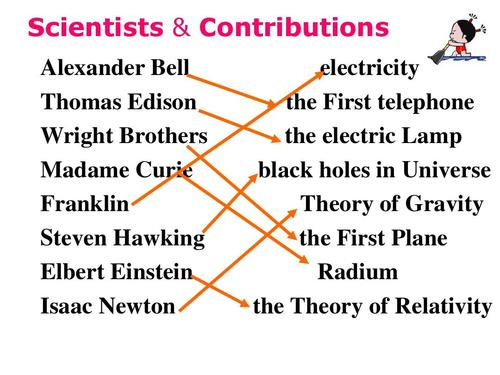

But often, in business world, research and development is the key to great business ideas. Watch the following interview and know more about Ma Yun, the CEO of online retailing giant, Alibaba. He is also an extremely successful entrepreneur who is intelligent, eloquent, and full of ideas. While watching it, note down new words and important language points.

https://v.qq.com/x/page/q0303ot9501.html