-
1 课前
-
2 课中
-
3 课后

 Road Transport of Goods
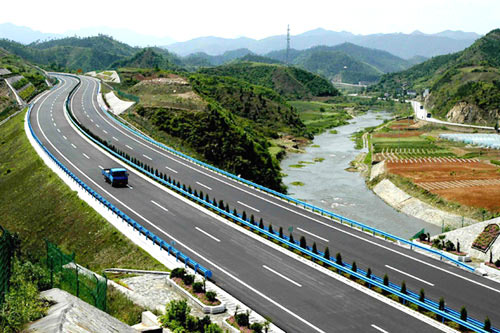
A road is an identifiable(可辨认的) route, way or path between two or more places.Roads are typically smoothed(平坦), paved(铺上沥青或水泥), or otherwise prepared to allow easy travel; though they need not be,and historically many roads were simply recognizable(可识别的) routes withoutany formal construction or maintenance. In urban(城市的) areas, roads may pass through a city and be named as streets. Suburban 郊外的
The nature of roadtransportation of goods depends, apart from thedegree of development of the local infrastructure(基础设施), on the distance the goods are transported by road, theweight and volume of the individual(个体的,单独的) shipment, and the type of goods transported.For short distances and light, small shipments a van厢式货车or pickup truck轻型货车,小卡车may be used. Forlarge shipments even if less than a full truckload atruck is more appropriate合适的.
Advantages and Disadvantages
Advantages:
Cost effective
Fast delivery
Ideal for short distances, national or mainland Europe
Ideal fortransporting perishables易腐烂的(e.g. fruit and vegetable)
Easy to monitor(监管) location of goods
Easy to communicate with driver
Ideal for sending by courier(快递员,信使)shortages(缺乏的货物,急需的物品) to customers
Disadvantages:
Transport subject to traffic delays (jam /congestion 堵塞)
Transport subject to break down(故障)
Goods susceptible to(易受...影响的)damage through careless driving
Bad weather(恶劣天气)
Driving regulations(驾驶规则) can cause delays
Operation
Trucking companies or haulers/hauliers经营运输业者 accept cargo for road transport. Truck drivers operate either independently working directly for the client or through freight carriers or shipping agents(运输代理). Some big companies operate their own internal trucking operations(拖车营运部).
Some road transportation is done on regular routes(固定路线,专线)or for only one consignee per run(每趟), while others transport goods from many different loading station/shippers to various consignees.
A road waybill(公路运单)provides the basic document(基础文件) for road freight. On cross-border(跨边境的) transportation the trucker will present the cargo and documentation to customs for inspection.
For transport of hazardous/dangerous(D&Hcargo)危险的 material, truckers need a license(经营资格,许可证), which usually requires them to pass an exam. They have to make sure they affix(粘上,贴上) proper labels(标签) for the respective hazard(s) to their vehicle. Liquid goods are transported by road intank trucks(罐式车,罐装车) or tanker lorries (also road-tankers)or special tank-containers(罐式集装箱) for intermodal transport(多式联运). For unpackaged(未包装的) goods and liquids weighing stations(过磅站,称重站)confirm weight after loading and before delivery. For transportation of live animals special requirements have to be met in many countries to prevent cruelty(残酷的行为) to animals. For fresh and frozen(冷冻的) goods, refrigerator trucks or reefer-containers(冷藏箱) are used.