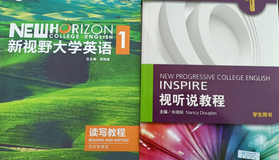
大学英语A1

陈度梅

目录

  • 1 FRESH START: TOWARD A BRIGHTER FUTURE FOR ALL
    • 1.1 INTRODUCTION
    • 1.2 Speaking Contest
    • 1.3 LEAD-IN
    • 1.4 GLOBAL READING
    • 1.5 READING SKILLS:previewing
    • 1.6 INTENSIVE READING AND CRITICAL THINKING
    • 1.7 ANALYSIS OF LANGUAGE POINTS
    • 1.8 RHETOTICAL DEVICES AND WRITING
    • 1.9 TRANSLATION
    • 1.10 EXTENDED READING
    • 1.11 PRESENTATION
    • 1.12 COLLEGE ENGLISH TEST (CET) Band 4
    • 1.13 KEY TO EXERCISES
  • 2 LOVING PARENTS,LOVING CHILDREN:A CHILD'S CLUTTER AWAITS AN ADULT'S RETURN
    • 2.1 LEAD-IN:Parental love
    • 2.2 READING SKILLS:Read in thought groups
    • 2.3 GLOBAL READING
    • 2.4 STRUCTURE ANALYSIS AND WRITING
    • 2.5 INTENSIVE READING
    • 2.6 THEME AND CULTURAL EXPLORATION
    • 2.7 TRANSLATION
    • 2.8 PRESENTATION
    • 2.9 KEY TO EXERCISES
  • 3 DIGITAL CAMPUS:COLLEGE LIFE IN THE INTERNET AGE
    • 3.1 LEAD-IN
    • 3.2 READING SKILLS:Distingushing between facts and opinions
    • 3.3 GLOBAL READING
    • 3.4 STRUCTURE ANALYSIS
    • 3.5 INTENSIVE READING
    • 3.6 THEME EXPLORATION
    • 3.7 TRANSLATION
    • 3.8 PRESENTATION
    • 3.9 KEY TO EXERCISES
  • 4 LISTENING COMPREHENSION(CET Band 4)
    • 4.1 NEWS REPORTS 三个新闻听力
    • 4.2 LONG CONVERSATIONS 两个长对话
    • 4.3 PASSAGES 三个篇章听力
    • 4.4 SCRIPT(听力原文) AND SKILLS
    • 4.5 整套试卷
    • 4.6 LINKING
    • 4.7 视听说教程音频
    • 4.8 PRINCESS DAIRY
  • 5 HEROES OF OUR TIME:HEROES AMONG US
    • 5.1 LEAD-IN
    • 5.2 READING SKILLS:scanning and skimming
    • 5.3 GLOBAL READING
    • 5.4 STRUCTURE ANALYSIS
    • 5.5 INTENSIVE READING
    • 5.6 THEME EXPLORATION
    • 5.7 TRANSLATION
    • 5.8 LINKING
    • 5.9 PRESENTATION
    • 5.10 KEY TO EXERCISES
    • 5.11 FLIPPED
  • 6 LISTENING COMPREHENSION 2
    • 6.1 PRACTICE
    • 6.2 TEST 1&2的音频
  • 7 优秀作品展示
    • 7.1 SPEECH
    • 7.2 SONG
    • 7.3 DUBBING
    • 7.4 BOOK READING
  • 8 FINAL EXAMINATION
    • 8.1 期末考试说明
READING SKILLS:Read in thought groups
  • 1 Presentation ...
  • 2 Reading skil...

Read in thought groups

When we read, our eyes make small stops along the line of text. Poor readers make many more fixations (eye stops) than good readers. Not only does this slow you down, but it inhibits comprehension because meaning is easier to pull from groups of words rather than from individual words or even single letters.

Try to read in phrases of three or four words, especially in complete clauses(从句) and prepositional phrases(介词短语). To develop the habit of reading in phrases, you may use a “/” to mark off phrases and to group them into group thoughts. Read the following sentences by dividing them into phrases, or thought groups.


Example 1

(A + B) x C = Y

               A + (B x C) = D


Example 2

If your team does its job well, your manager will speak kindly about your group.