目录

  • 1 课程资料
    • 1.1 教学大纲
    • 1.2 授课计划
  • 2 开学第一课
    • 2.1 Aims 目标
    • 2.2 Content 内容
    • 2.3 Action 行动
    • 2.4 Task 今日任务
  • 3 项目一 武汉二日游
    • 3.1 团前业务提升: Incidents while Escorting Tour Group
    • 3.2 团前业务提升2:Introduction  with a Focus on Key Events  突出重点法
    • 3.3 突出重点的几个方面
    • 3.4 突出重点的运用技巧及三孔景区导游讲解训练
    • 3.5 Day 1 Yellow Crane Tower
    • 3.6 Day 2 East Lake
  • 4 项目二 安徽二日游
    • 4.1 团前业务提升1:Documents and Luggage Lost
    • 4.2 团前业务提升2:Yi Culture
    • 4.3 Day 1 Tunxi Ancient Street
    • 4.4 Day 2 Tangyue Memorial Archways
  • 5 项目三 四川二日游
    • 5.1 团前业务提升:Suspense-Creating Introduction
    • 5.2 制造悬念法的场景运用技巧及三孔景区导游讲解训练
    • 5.3 Day 1 (morning) Wuhou Temple
    • 5.4 Day 1(afternoon) Sanxingdui Museum
    • 5.5 途中问题处理:Tourist Missing
  • 6 项目四 山西二日游
    • 6.1 团前业务提升2:Qiang Culture
    • 6.2 团前业务提升1:Illness and Care
    • 6.3 Day 1 Rishengchang Exchange Shop
    • 6.4 Day 2 Wang'  s Compound
  • 7 项目五 重庆二日游
    • 7.1 团前业务提升1:First Aid
    • 7.2 First Aid
    • 7.3 团前业务提升2:Giving a Crucial Touch to the Picture
    • 7.4 画龙点睛法的运用技巧
    • 7.5 画龙点睛法的场景运用
    • 7.6 画龙点睛法的运用技巧及兖州兴隆文化园景区导游词讲解训练
    • 7.7 Day 1 Ciqikou
    • 7.8 Day 2 White Emperor City
  • 8 项目六 三亚二日游
    • 8.1 团前业务提升:Traffic Accidents
    • 8.2 团前业务提升:Li Culture
    • 8.3 Day 1 Tianya Haijao
    • 8.4 Day 2 Yalong Bay
  • 9 项目七 山东二日游
    • 9.1 团前业务提升:Section-by-Section Introduction
    • 9.2 分段讲解法的运用技巧
    • 9.3 Day 1 Mount Taishan
    • 9.4 Day 2 Qufu
  • 10 项目八 西安一日游
    • 10.1 团前业务提升:Regulations
    • 10.2 Day 1 (morning) Da Ci en Temple
    • 10.3 Day 1(afternoon) Big Wild Goose Pagoda
  • 11 项目九 西藏之旅
    • 11.1 Tibet 资源
    • 11.2 团前业务提升1:Quitting Tour and Extending Travel Time
    • 11.3 团前业务提升2:Descriptive Introduction
    • 11.4 概述法的场景运用技巧
    • 11.5 团前业务提升3:Tibetan Culture
    • 11.6 Day 1 Lhasa - Potala Palace
  • 12 项目十 走进客家文化
    • 12.1 团前业务提升1:Complaints
    • 12.2 Handling Complaints
    • 12.3 团前业务提升2:Farewell Speech
    • 12.4 Farewell
    • 12.5 The Hakka Culture
    • 12.6 Farewell Speech 课本原文
    • 12.7 Wolong Nature Reserve
    • 12.8 引人入胜讲解方法
  • 13 英文讲解范例
    • 13.1 英文讲解
  • 14 讲解方法(复习上学期内容)
    • 14.1 制造悬念法(分段讲解法、设疑法、问答法)运用技巧
    • 14.2 突出重点法的运用技巧
    • 14.3 虚实结合法的运用技巧
    • 14.4 类比法的运用技巧
    • 14.5 导游词创作技巧
    • 14.6 问答法的场景运用技巧
    • 14.7 虚实结合法的使用方法
    • 14.8 虚实结合法的运用技巧及汶上宝相寺导游讲解训练
    • 14.9 类比法的使用方法
    • 14.10 类比法的运用技巧及学院天工园导游讲解训练
    • 14.11 常见旅游团团型特点
    • 14.12 自然风光类(风景名胜区)导游词讲解训练
    • 14.13 宗教类(佛教、道观)导游词撰写讲解训练
    • 14.14 建筑类(故宫、孔府、孔庙)导游词讲解训练
    • 14.15 非遗技艺技能类(山东非遗景点)导游词讲解训练
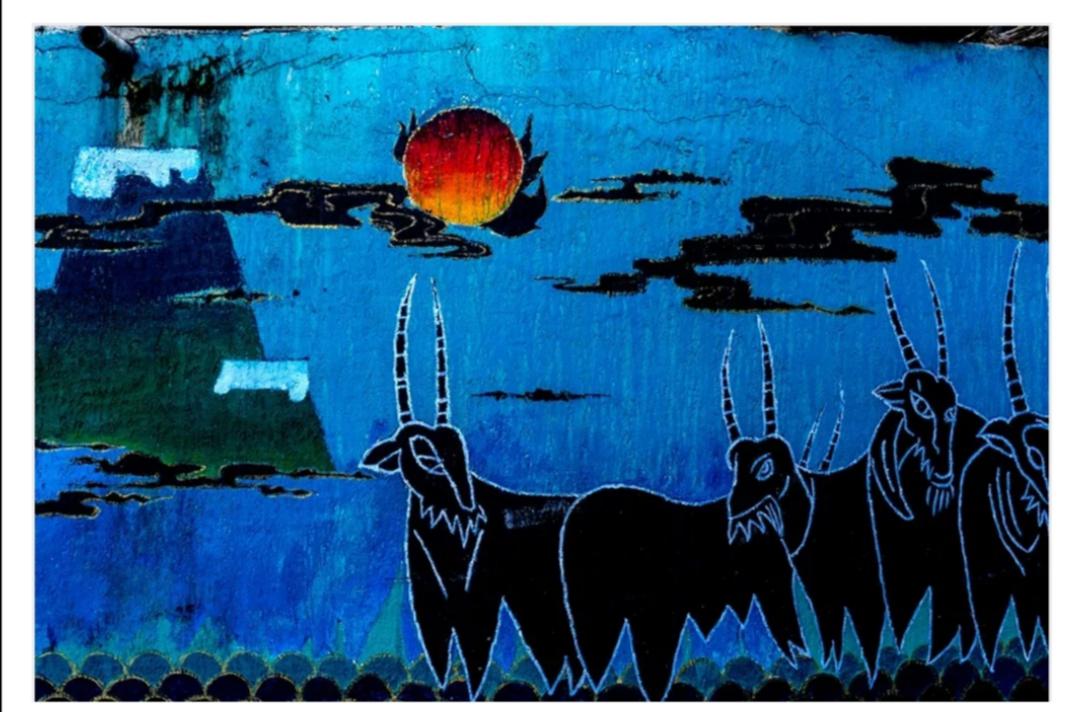
团前业务提升2:Qiang Culture


A wall painting portraying cultural symbols of Qiang ethnic group such as sheep, ancient castle and clouds is seen in Jiashan village, Lixian county, Ngawa Tibetan and Qiang autonomous prefecture, Southwest China's Sichuan province. [Photo provided to chinadaily.com.cn]

Jiashan village in Southwest China's Sichuan province is mostly inhabited by the Qiang people, one of the oldest ethnic groups in China and called "the ethnic group on clouds" for they usually live in high altitude areas enveloped by clouds and mist. Around 50 households in the village showcase their unique culture on their walls. Sheep head, ancient dwelling and clouds are frequent motifs.


拓展资源链接:

https://www.zhwh365.com/article_cate_59.html