目录

  • 1 课程资料
    • 1.1 教学大纲
    • 1.2 授课计划
  • 2 开学第一课
    • 2.1 Aims 目标
    • 2.2 Content 内容
    • 2.3 Action 行动
    • 2.4 Task 今日任务
  • 3 项目一 武汉二日游
    • 3.1 团前业务提升: Incidents while Escorting Tour Group
    • 3.2 团前业务提升2:Introduction  with a Focus on Key Events  突出重点法
    • 3.3 突出重点的几个方面
    • 3.4 突出重点的运用技巧及三孔景区导游讲解训练
    • 3.5 Day 1 Yellow Crane Tower
    • 3.6 Day 2 East Lake
  • 4 项目二 安徽二日游
    • 4.1 团前业务提升1:Documents and Luggage Lost
    • 4.2 团前业务提升2:Yi Culture
    • 4.3 Day 1 Tunxi Ancient Street
    • 4.4 Day 2 Tangyue Memorial Archways
  • 5 项目三 四川二日游
    • 5.1 团前业务提升:Suspense-Creating Introduction
    • 5.2 制造悬念法的场景运用技巧及三孔景区导游讲解训练
    • 5.3 Day 1 (morning) Wuhou Temple
    • 5.4 Day 1(afternoon) Sanxingdui Museum
    • 5.5 途中问题处理:Tourist Missing
  • 6 项目四 山西二日游
    • 6.1 团前业务提升2:Qiang Culture
    • 6.2 团前业务提升1:Illness and Care
    • 6.3 Day 1 Rishengchang Exchange Shop
    • 6.4 Day 2 Wang'  s Compound
  • 7 项目五 重庆二日游
    • 7.1 团前业务提升1:First Aid
    • 7.2 First Aid
    • 7.3 团前业务提升2:Giving a Crucial Touch to the Picture
    • 7.4 画龙点睛法的运用技巧
    • 7.5 画龙点睛法的场景运用
    • 7.6 画龙点睛法的运用技巧及兖州兴隆文化园景区导游词讲解训练
    • 7.7 Day 1 Ciqikou
    • 7.8 Day 2 White Emperor City
  • 8 项目六 三亚二日游
    • 8.1 团前业务提升:Traffic Accidents
    • 8.2 团前业务提升:Li Culture
    • 8.3 Day 1 Tianya Haijao
    • 8.4 Day 2 Yalong Bay
  • 9 项目七 山东二日游
    • 9.1 团前业务提升:Section-by-Section Introduction
    • 9.2 分段讲解法的运用技巧
    • 9.3 Day 1 Mount Taishan
    • 9.4 Day 2 Qufu
  • 10 项目八 西安一日游
    • 10.1 团前业务提升:Regulations
    • 10.2 Day 1 (morning) Da Ci en Temple
    • 10.3 Day 1(afternoon) Big Wild Goose Pagoda
  • 11 项目九 西藏之旅
    • 11.1 Tibet 资源
    • 11.2 团前业务提升1:Quitting Tour and Extending Travel Time
    • 11.3 团前业务提升2:Descriptive Introduction
    • 11.4 概述法的场景运用技巧
    • 11.5 团前业务提升3:Tibetan Culture
    • 11.6 Day 1 Lhasa - Potala Palace
  • 12 项目十 走进客家文化
    • 12.1 团前业务提升1:Complaints
    • 12.2 Handling Complaints
    • 12.3 团前业务提升2:Farewell Speech
    • 12.4 Farewell
    • 12.5 The Hakka Culture
    • 12.6 Farewell Speech 课本原文
    • 12.7 Wolong Nature Reserve
    • 12.8 引人入胜讲解方法
  • 13 英文讲解范例
    • 13.1 英文讲解
  • 14 讲解方法(复习上学期内容)
    • 14.1 制造悬念法(分段讲解法、设疑法、问答法)运用技巧
    • 14.2 突出重点法的运用技巧
    • 14.3 虚实结合法的运用技巧
    • 14.4 类比法的运用技巧
    • 14.5 导游词创作技巧
    • 14.6 问答法的场景运用技巧
    • 14.7 虚实结合法的使用方法
    • 14.8 虚实结合法的运用技巧及汶上宝相寺导游讲解训练
    • 14.9 类比法的使用方法
    • 14.10 类比法的运用技巧及学院天工园导游讲解训练
    • 14.11 常见旅游团团型特点
    • 14.12 自然风光类(风景名胜区)导游词讲解训练
    • 14.13 宗教类(佛教、道观)导游词撰写讲解训练
    • 14.14 建筑类(故宫、孔府、孔庙)导游词讲解训练
    • 14.15 非遗技艺技能类(山东非遗景点)导游词讲解训练
Day 2 White Emperor City


White Emperor City - Chinese Ancient "Poem City"

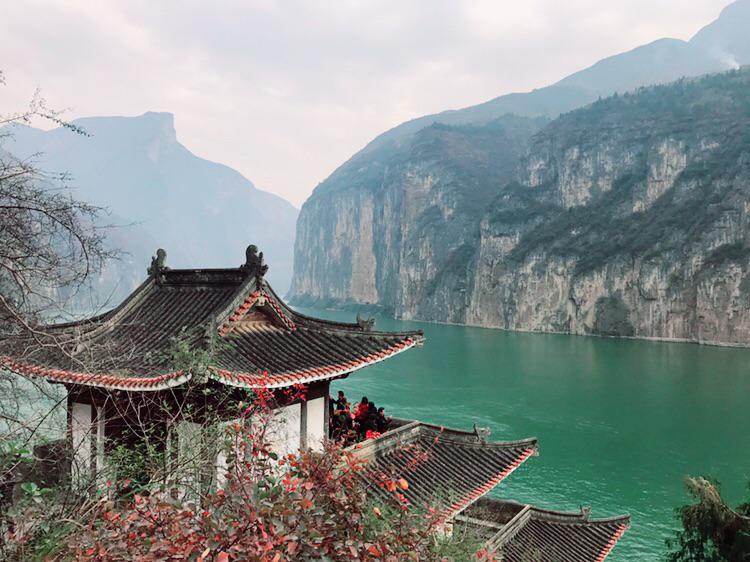
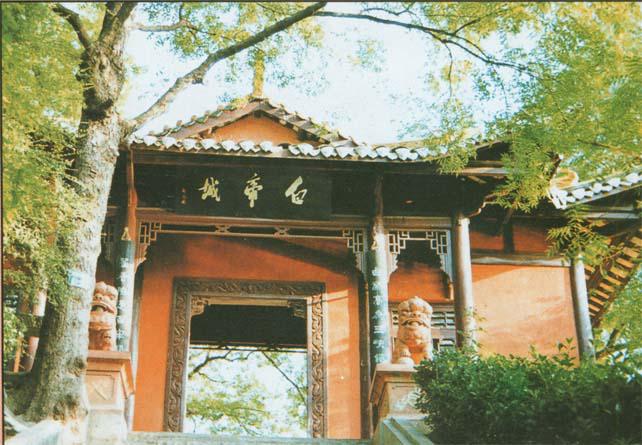
Located in Chongqing, Eight miles downstream from Fenjie County, on the northern bank of the Yangtze River is White Emperor City (白帝城), also called Baidi Temple.


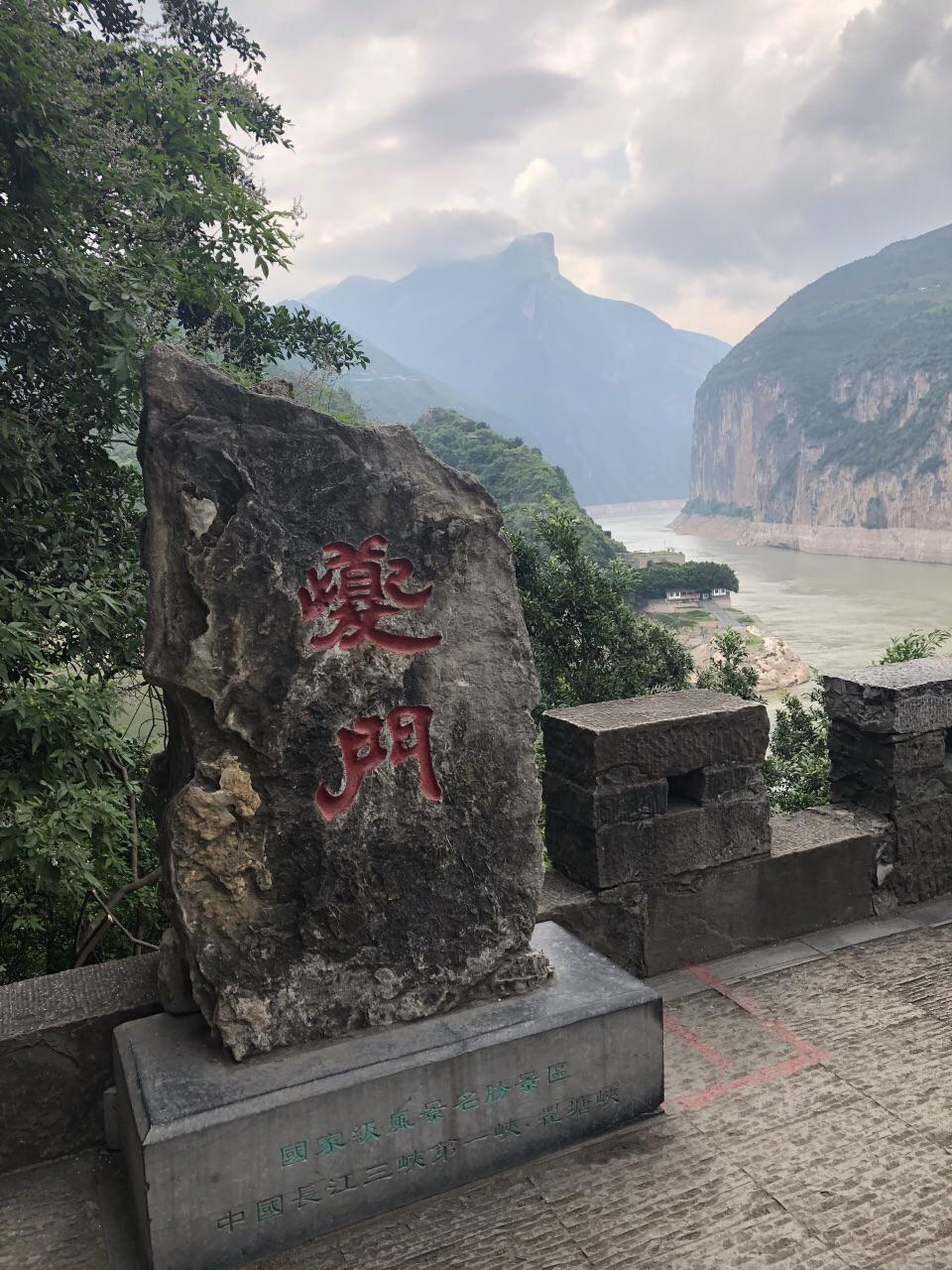
It is an ancient temple located at top Baidi Mountain directly overlooking the Qutang Gorge, one of the Three Gorges of the Yangtze River. It is also the best place to overlook “Kui Gate” which is at the entrance to Qutang Gorge. Two perpendicular cliffs rear over the river surface on either side, looking like a pair of giant door leaves.
Chinese Ancient "Poem City"

White Emperor City is also known as the City of Poems because so many poets, including the Poet Immortal Libai who wrote about "Departing from Baidi in the Morning", and the Poet Sage Dufu who even resided here for nearly two years and wrote about 1,400 poems.
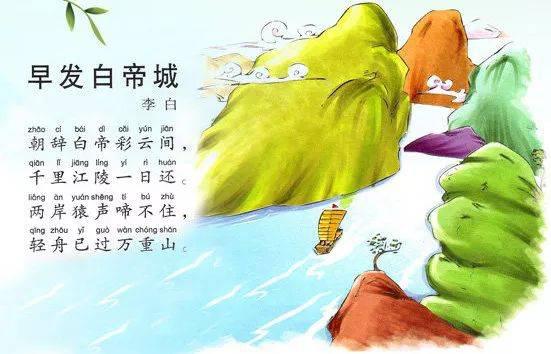

Departing from Baidi in the Morning

This morning, I depart the town of Baidi, engulfed by vibrant clouds.

I return to far away Jiangling within a single day!

From both banks, the steady sound of shrieking monkeys fills the air.

Our little boat has already carried me past thousands of hilltops.


History of White Emperor City

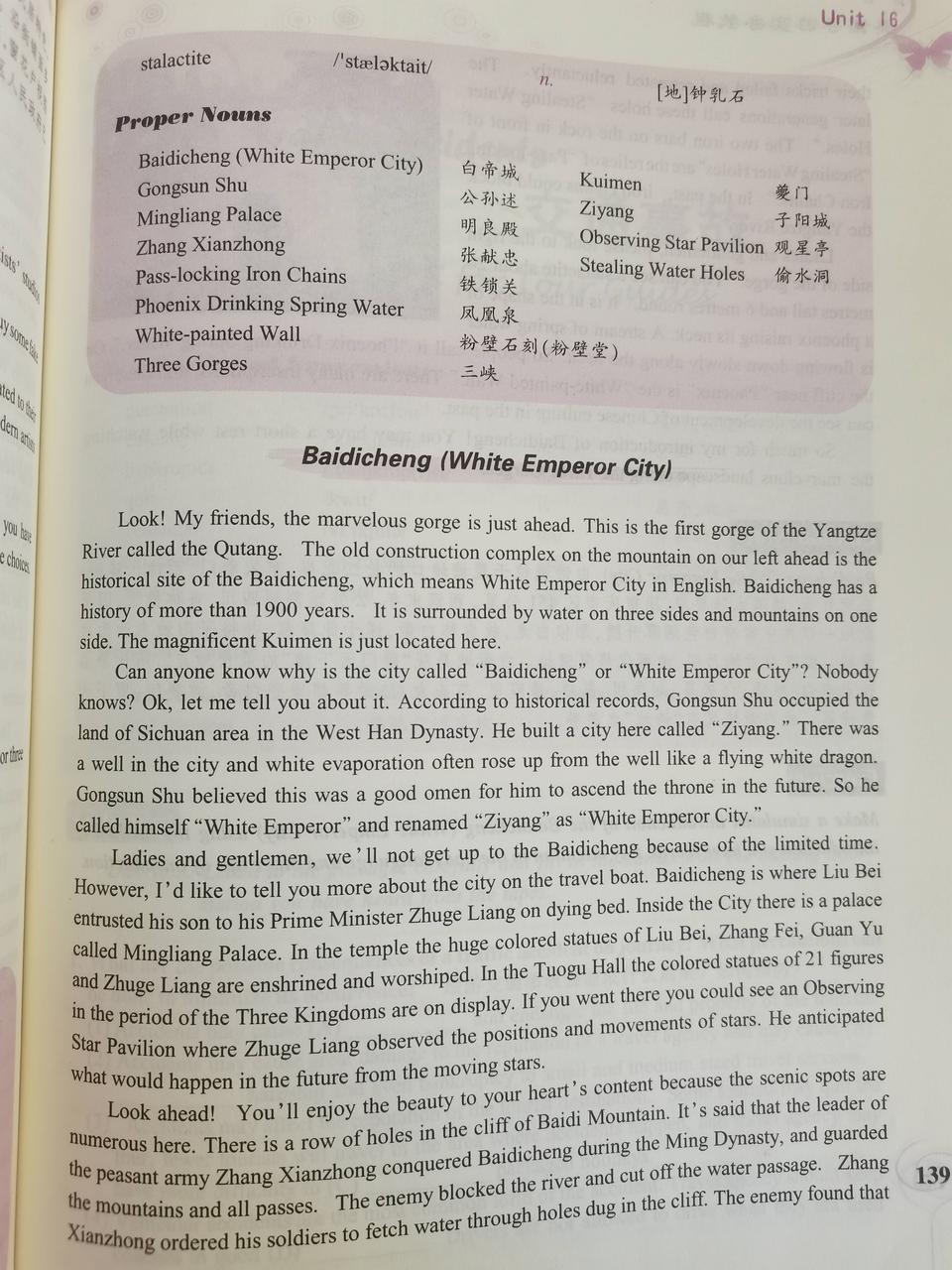
It is said that in the late Western Han Dynasty (206 BC - 24 AD), Gongsun Shu, a general, set up a separatist regime by force of arms in Sichuan. He claimed himself the King of Shu. Because he saw white fog rising from the well of the mountain which was like a white dragon, he called himself the White Emperor. And he made it the capital city and gave the city the name - White Emperor City.

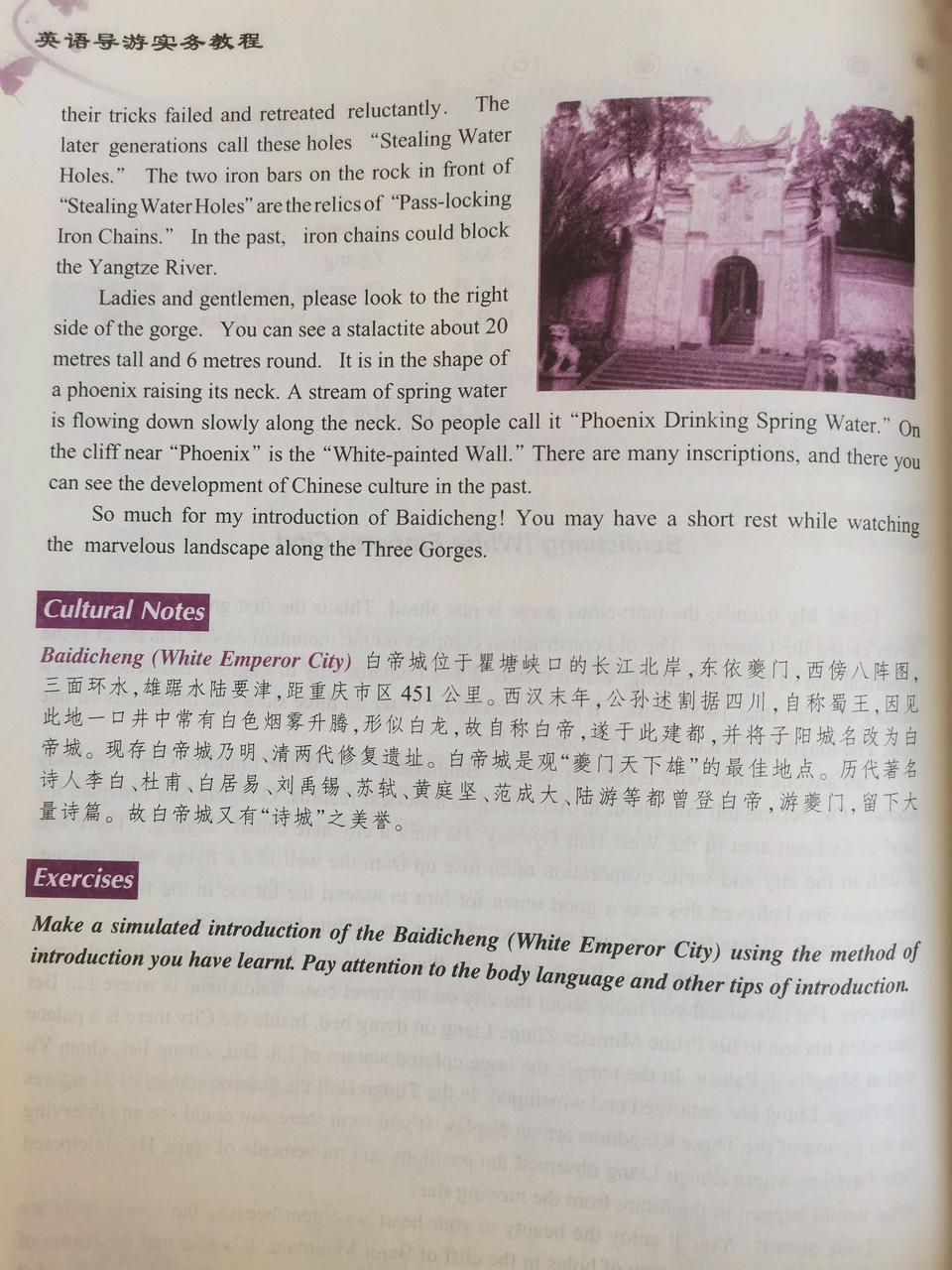
白帝城位于重庆奉节县瞿塘峡口的长江北岸,奉节东白帝山上,三峡的著名游览胜地。原名子阳城,为西汉末年割据蜀地的公孙述所建,公孙述自号白帝,故名城为"白帝城"。白帝城是观"夔门天下雄"的最佳地点。历代著名诗人李白、杜甫、白居易、刘禹锡、苏轼、黄庭坚、范成大、陆游等都曾登白帝,游夔门,留下大量诗篇,因此白帝城又有"诗城"之美誉。


西汉末年公孙述据蜀,在山上筑城,因城中一井常冒白气,宛如白龙,他便借此自号白帝,并名此城为白帝城。公孙述死后,当地人在山上建庙立公孙述像,称白帝庙。由于公孙述非正统而系僭称,明正德七年(1512年)四川巡抚毁公孙述像,祀江神、土神和马援像,改称"三功祠"。明嘉靖二十年(1533年)又改祀刘备、诸葛亮像,名"正义祠",以后又添供关羽、张飞像,逐形成白帝庙内无白帝,而长祀蜀汉人物的格局。


2006年05月25日,白帝城作为明至清古建筑,被国务院批准列入第六批全国重点文物保护单位名单。