-
1 知识储备——熏法...
-
2 实训示例——烟熏...
-
3 拓展学习资料(&nb...
知识储备——熏法
Knowledge reserve——Smoking technique
【技法介绍】/Introduction to techniques
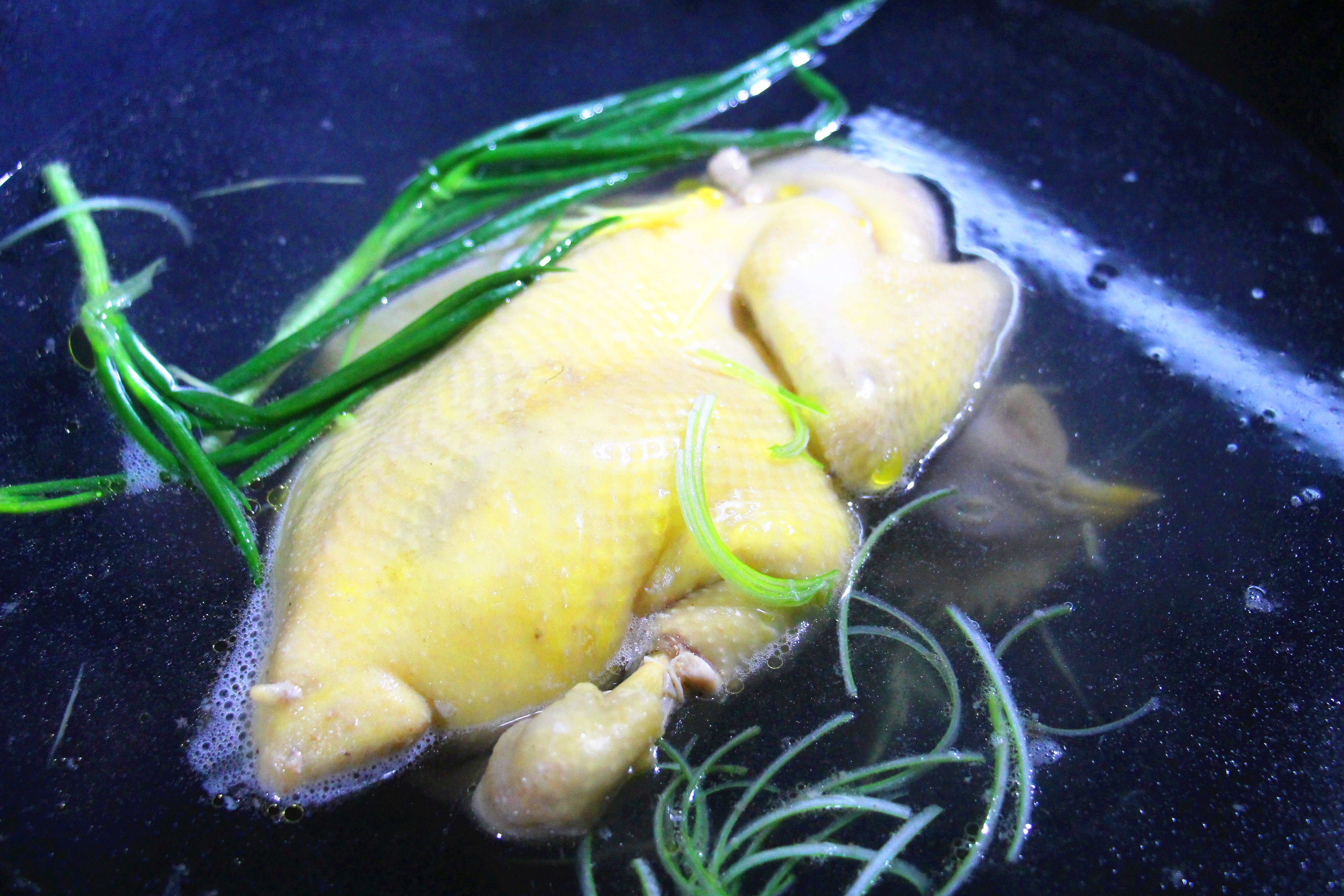
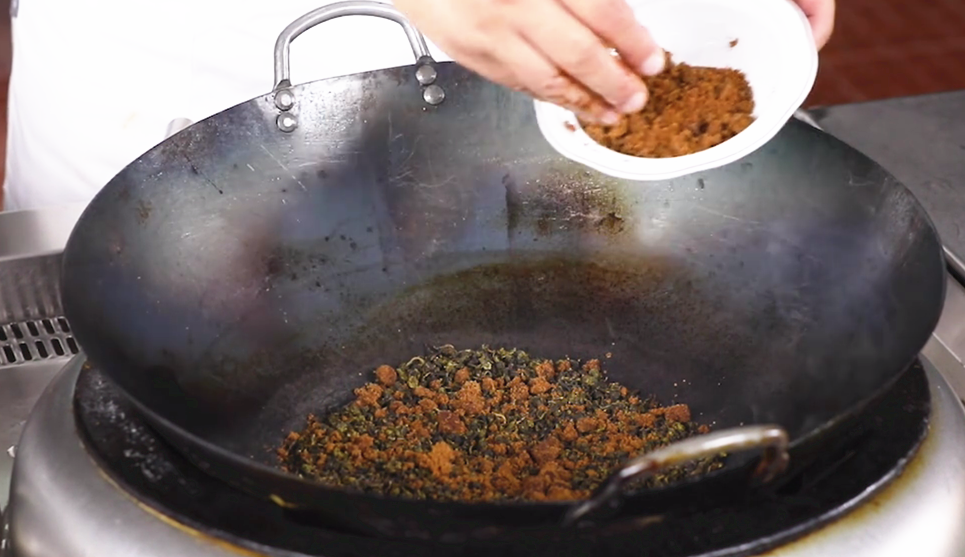
在主料经过初熟处理后,再用茶叶、木糠、松叶、柏枝、花生壳、黄糖粉等做燃料,将主料熏至外表色黄的烹调技法,叫熏法。熏制技法可分生熏和熟熏两种,所谓生熏,只是针对细嫩的生料,一次性将其熏制成;而熟熏,则是把原料先用其它方法制熟,然后再用烟来熏,以增添烟香风味。由于成品具有特殊的烟香味,而且味道鲜醇可口,风味独特,色泽艳丽,所以深受食客的喜爱。
After the primary ripening of the main ingredients, the cooking technique of using tea, wood bran, pine leaves, cypress branches, peanut shell and yellow sugar powder as fuel to smoke the main ingredients to the yellow appearance is called fumigation. Fumigation techniques can be divided into raw fumigation and cooked fumigation. The so-called raw fumigation is only made of delicate raw materials at one time; Cooked fumigation is to make the raw materials cooked by other methods first, and then smoke to add the flavor of smoke. Because the finished product has special smoke flavor, fresh and mellow taste, unique flavor and gorgeous color, it is deeply loved by diners.
【技法要求】/Technical requirements
1.须选用新鲜、质嫩的动物性原料,如鸡、鸭、鹅、鱼、肉等。
1. Fresh and tender animal raw materials must be selected, such as chicken, duck, goose, fish, meat, etc.
2.在选择生烟原料时,为了保证成菜具有烟香浓郁的特点,须选用香味浓郁且细小的材料,如樟木屑、松柏枝、茶叶、竹叶、甘蔗渣等。
2. When selecting raw materials for raw tobacco, in order to ensure that the finished vegetables have the characteristics of strong smoke flavor, it is necessary to select materials with strong flavor and fine flavor, such as camphor sawdust, pine and cypress branches, tea, bamboo leaves, bagasse, etc.
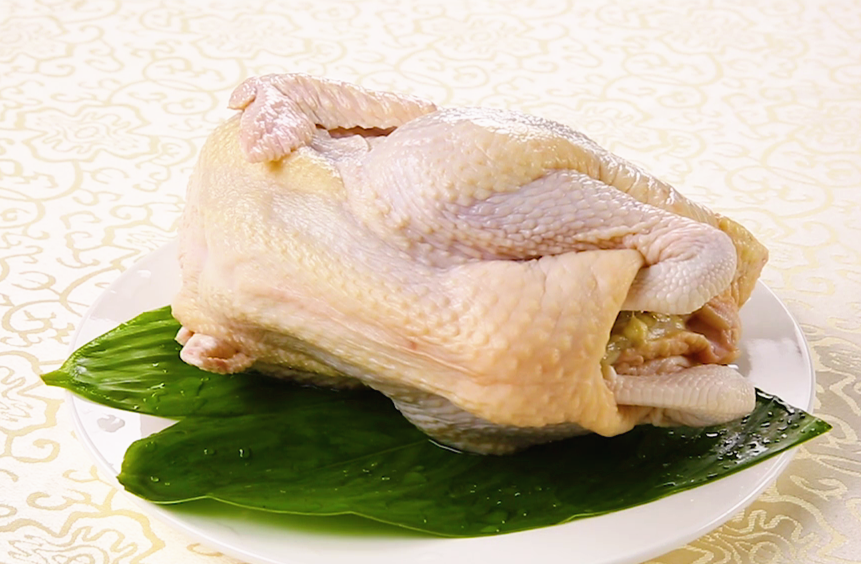
3.原料在熏制前一般都需要保持原状,以便熏制时受热均匀、色泽一致。如鸡、鸭、鸽经宰杀、去毛后,从下开一小口,掏出内脏,砍去脚爪即可。
3. Raw materials generally need to be kept in their original state before smoking, so that they can be heated evenly and have the same color during smoking. For example, after slaughtering and depilating chickens, ducks and pigeons, open a small mouth from the bottom, take out the internal organs and cut off the claws.
4.腌渍前需用毛巾将原料里外的水分及血污搌干,再用精盐、料酒、葱姜等料擦匀全身。
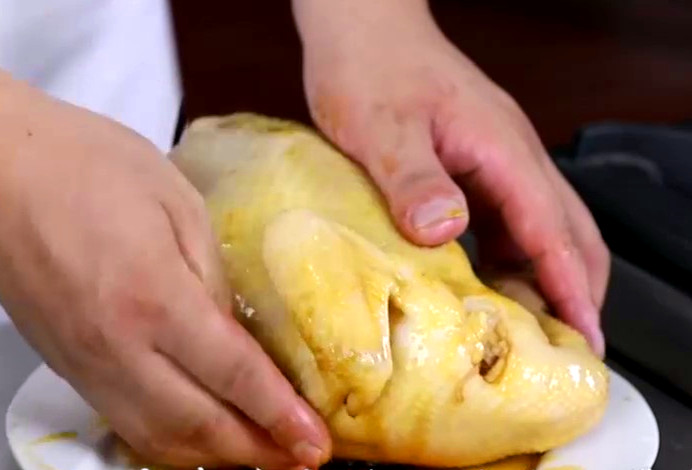
4. Before pickling, use a towel to dry the water and blood stain inside and outside the raw materials, and then wipe the whole body with refined salt, cooking wine, onion, ginger and other materials.
5.为保证菜肴在烟熏后能达到色泽艳丽、金黄油亮的效果,就需要在烟熏前对原料进行上色处理。常用的方法是在原料表面均匀地抹上一层饴糖水、酒酿汁或酱油,然后放于风口处吹干,再进行熏制。
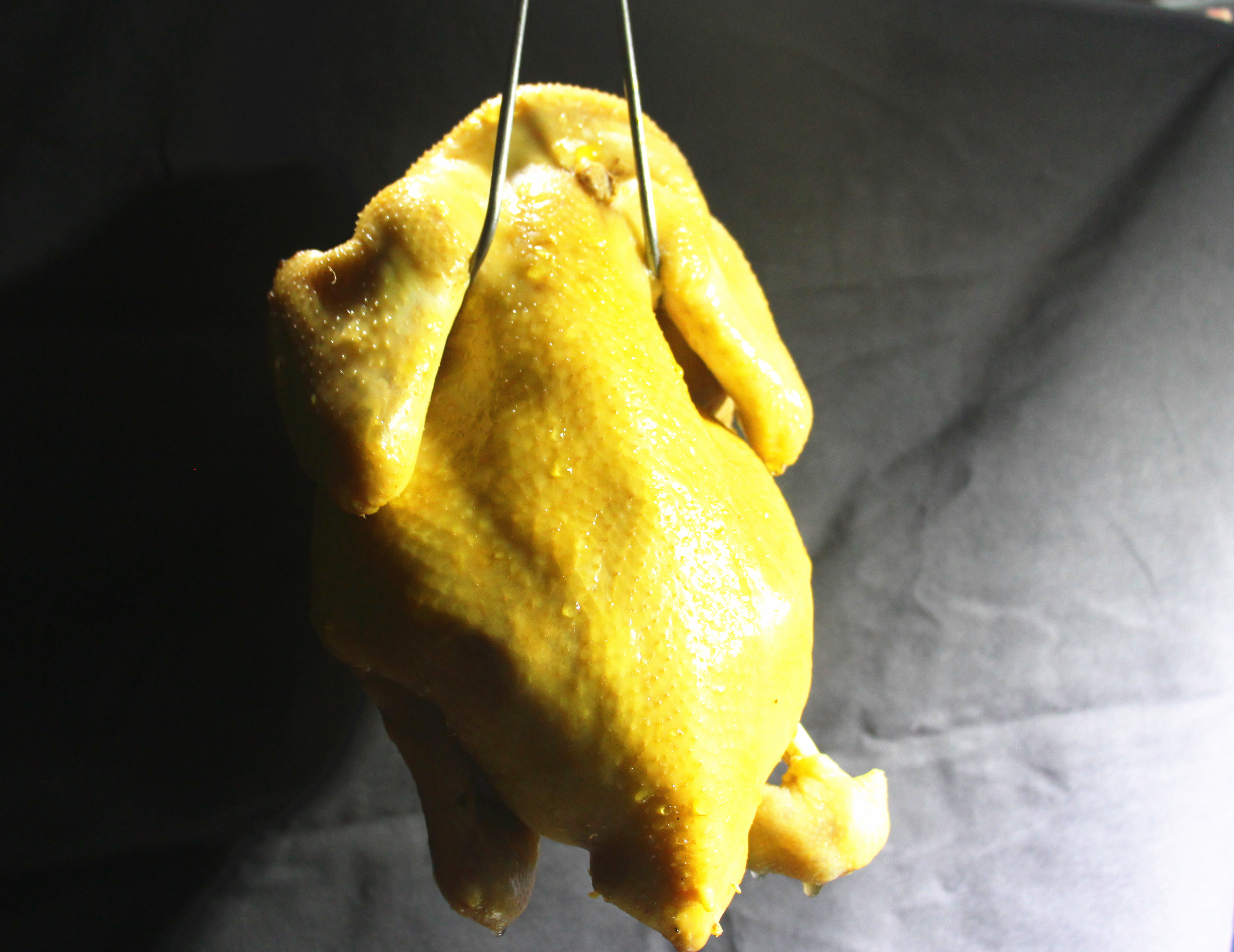
5. In order to ensure that the dishes can achieve the effect of bright color and golden oil after smoking, it is necessary to color the raw materials before smoking. The common method is to evenly smear a layer of maltose water, wine juice or soy sauce on the surface of raw materials, and then dry them at the air outlet, and then smoke them.
6.须正确掌握熏烟各种烟熏料的性质和烟熏火力大小的控制。
6. The properties of various fumigation materials and the control of the size of fumigation fire must be correctly mastered.
【代表菜品】/Representative dishes
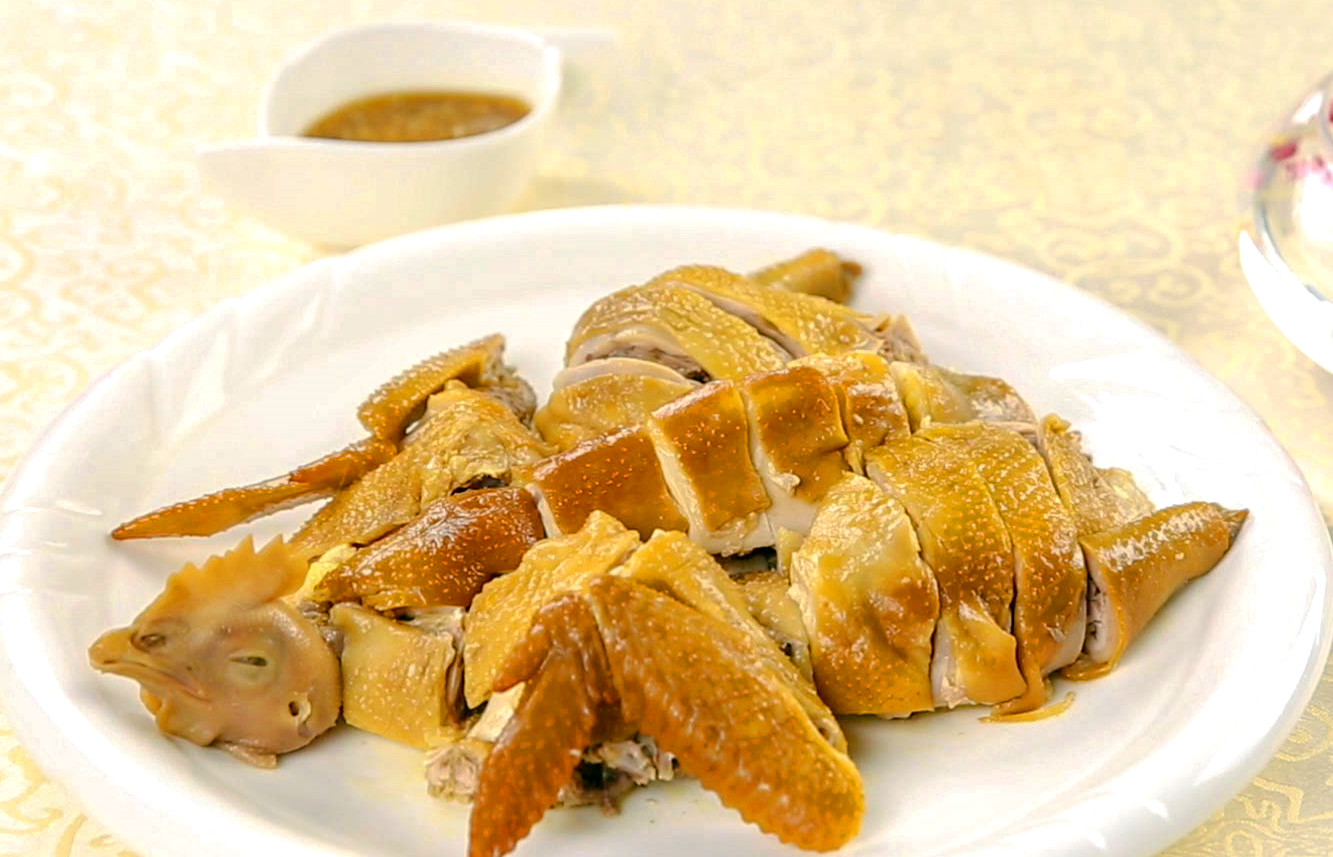
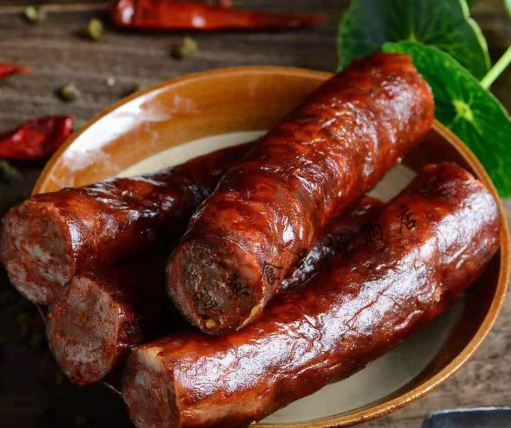
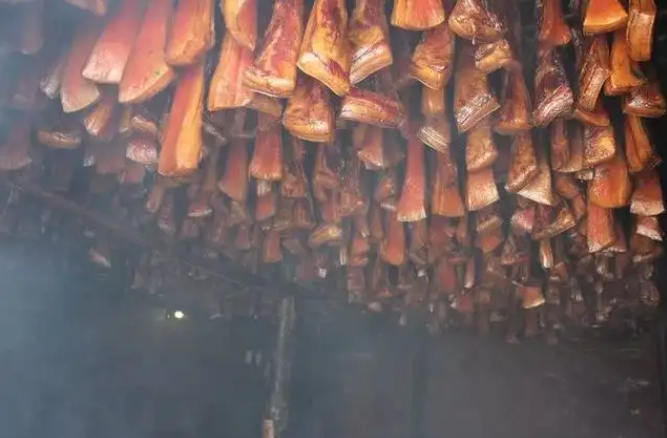
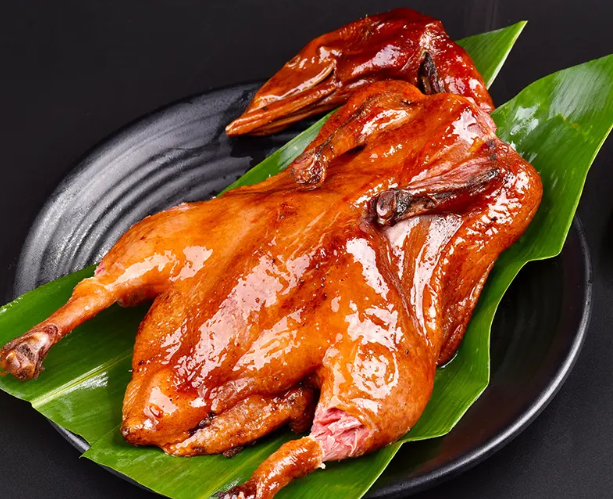
安徽菜“无为熏鸭”(见图6-8-1)、“生熏仔鸡”,宁波菜“烟熏黄鱼”,四川菜“烟熏腊肉”、“樟茶鸭”,湖南菜“安华腊肉”、“湘西腊肉”,江西菜“萍乡熏肉”,广东菜“烟熏鲳鱼”(见图6-8-2)、“茶香鸡”,广西菜“瑶族烟熏腊肉”、烟熏风味鸡”等。
Anhui cuisine "Wuwei smoked duck" (see figure 6-8-1), "raw smoked chicken", Ningbo cuisine "smoked yellow croaker", Sichuan cuisine "smoked bacon", "Zhangcha duck", Hunan cuisine "Anhua Bacon", "Xiangxi Bacon", Jiangxi cuisine "Pingxiang Bacon", Guangdong cuisine "smoked pomfret" (see figure 6-8-2), "tea flavored chicken", Guangxi cuisine "Yao smoked bacon" Smoked flavor chicken, etc.
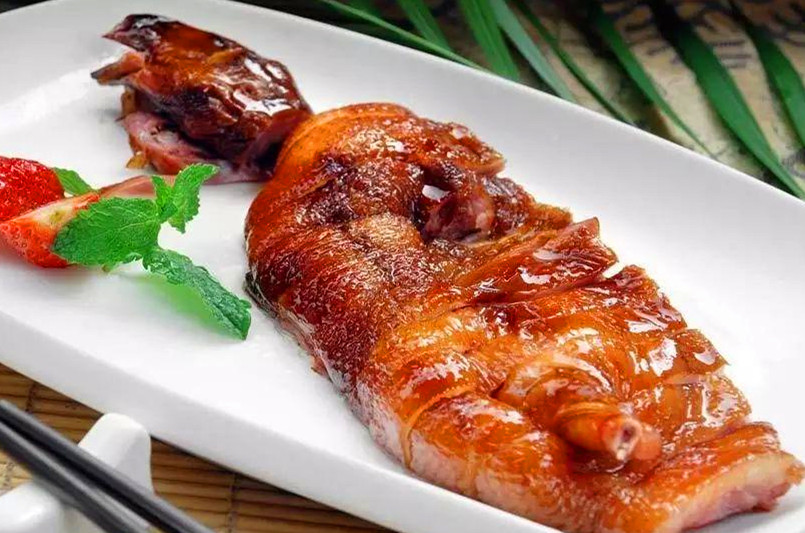
图 6-8-1 无为熏鸭 Fig. 6-8-1 non smoked duck
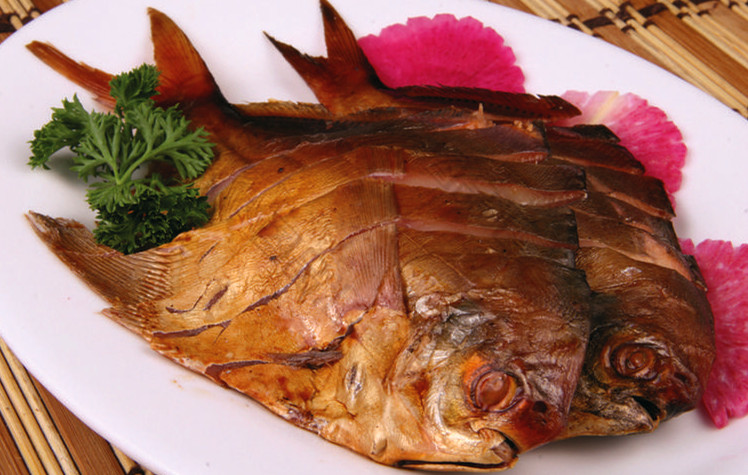
图 6-8-2 烟熏鲳鱼 Fig. 6-8-2 smoked pomfret