-
1 知识储备——制羹...
-
2 实训示例——甜酒...
-
3 拓展学习资料(&nb...
知识储备——制羹
Knowledge reserve——Thick soup making technique
【技法介绍】/Introduction to techniques
我国历史上的不同时期和不同地区对羹曾经有着多种称呼。比如肉可称为羹,肉汁也可称为羹,还有将连肉带汤汁合称为羹等等。以后发展有蔬菜羹,甜品羹等。经过漫长的历史演变,一般分为羹品与羹汤两类。
In different periods and regions of China's history, there were many names for soup. For example, meat can be called soup, gravy can also be called soup, and even meat with soup can be collectively called soup and so on. Vegetable soup and dessert soup will be developed in the future. After a long historical evolution, it is generally divided into soup and soup.
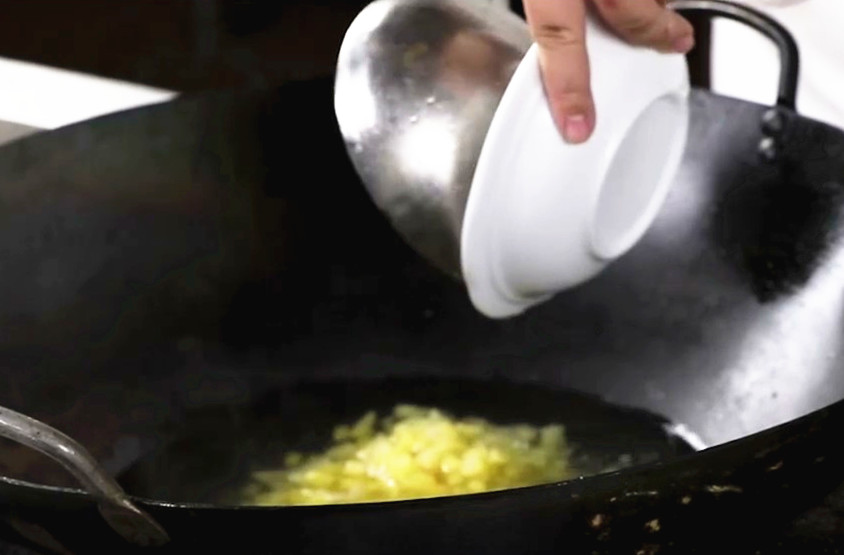
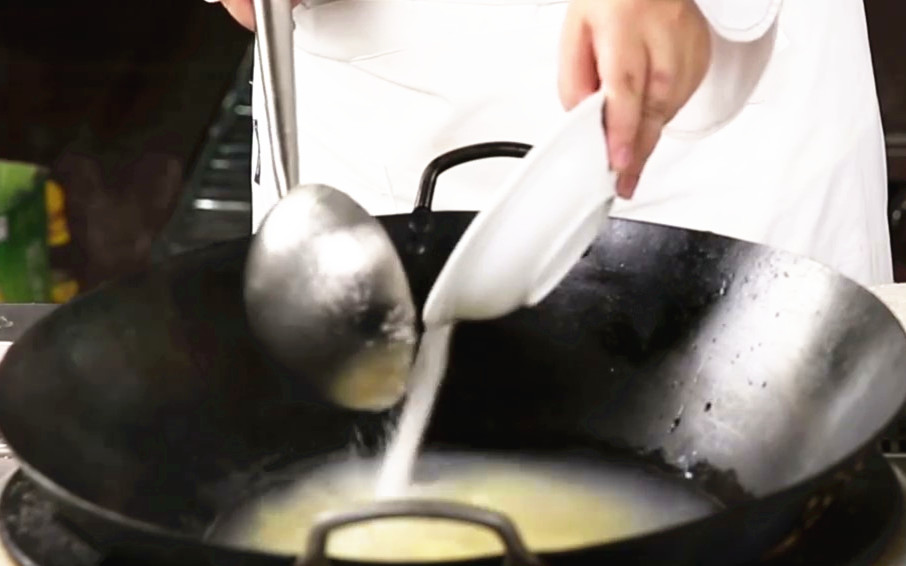
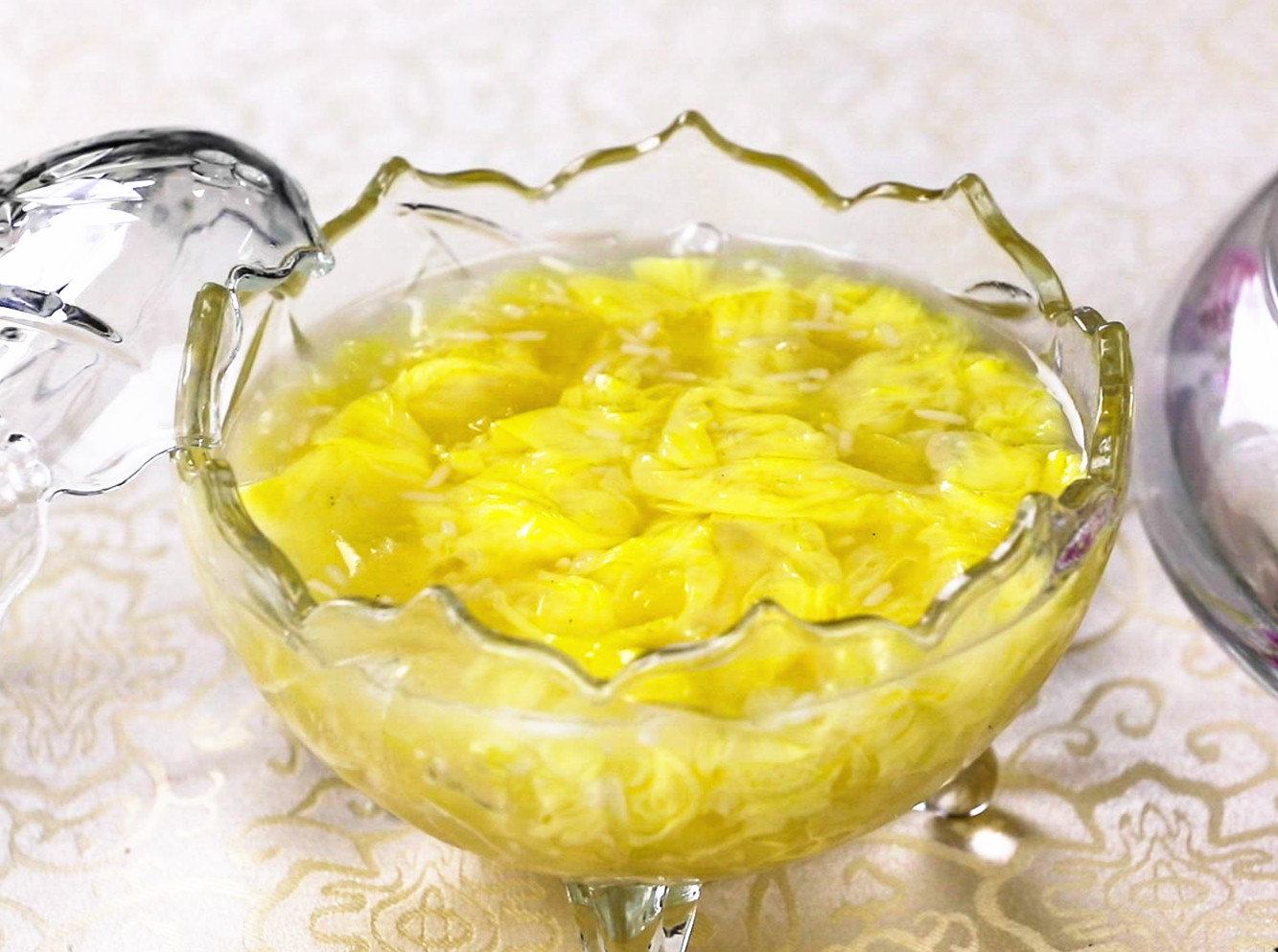
将加工好的小型刀口原料,放入鲜汤或开水锅中,加入调味品,在中、旺火上加热,勾米汤芡汁,使之成熟制成羹汤菜品的方法称为制羹。按其使用的主要原料划分有荤羹汤菜,素羹汤菜,荤素合制羹汤菜。按其口味划分有鲜咸味型羹,鲜咸微辣型羹,酸辣味型羹,甜香味型羹等。按其色泽划分有本色羹汤,奶色羹汤,淡茶色羹汤等。
Put the processed small knife edge raw materials into the soup or boiling water pot, add condiments, heat on the medium and high fire, hook the rice soup and thicken the juice to make it mature. The method of making soup dishes is called soup making. According to the main raw materials used, there are meat soup dishes, vegetable soup dishes and meat and vegetable soup dishes. According to its taste, there are fresh salty soup, fresh salty slightly spicy soup, sour and spicy soup, sweet flavor soup and so on. According to its color, there are natural color soup, milk color soup, light tea color soup, etc.
【技法要求】/Technical requirements
1.净锅汤鲜味浓。在秋冬季一般都作为开胃汤先上桌。因此口味一定要清淡爽口,量不宜大。
1. The pure pot soup has a strong fresh taste. In autumn and winter, it is usually served as appetizer soup first. Therefore, the taste must be light and refreshing, and the amount should not be large.
2.汁芡适度。羹要求汤芡适度,一定要呈现羹烩芡的特色,即米汤芡状,不可过稠,不可过稀,应呈流质状。一定要旺火开锅挂勾芡汁,使水淀粉在汤水中充分糊化,才能达到美而明亮的效果。
2. Thicken the juice moderately. Soup thicken is required to be moderate. It must present the characteristics of soup thicken, that is, rice soup thicken, not too thick, not too thin, and should be liquid. We must boil the pot at high heat and hang the thicken juice to make the water starch fully gelatinize in the soup, so as to achieve the beautiful and bright effect.
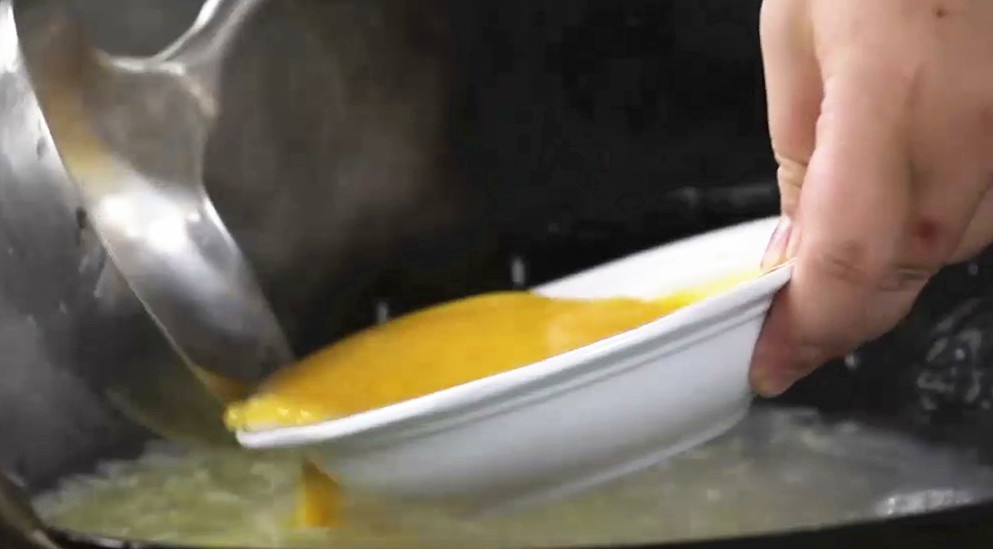
3.鸡蛋液后放。成品中有鸡蛋原料的,一定要后放,一般应挂勾芡件,端火后再将鸡蛋液投放汤中,这样可体现鸡蛋极嫩的特色。
3. Put egg liquid after. If there are egg raw materials in the finished products, they must be put later. Generally, thicken the pieces and put the egg liquid into the soup after the fire is over, which can reflect the characteristics of extremely tender eggs.
4.刀工处理恰当。原料切配以丁为主,因丁易着芡均匀,但宜小不宜大。
4. The cutter is handled properly. The main raw material is diced, which is easy to thicken evenly, but it should be small rather than large.
【代表菜品】/Representative dishes
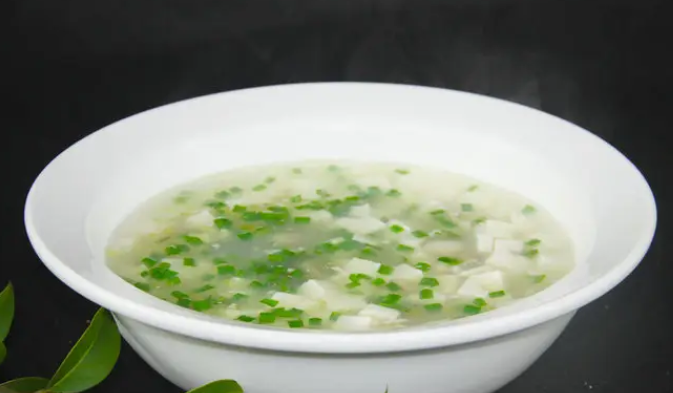
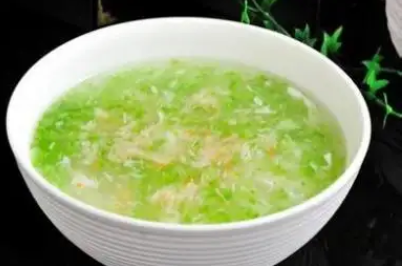
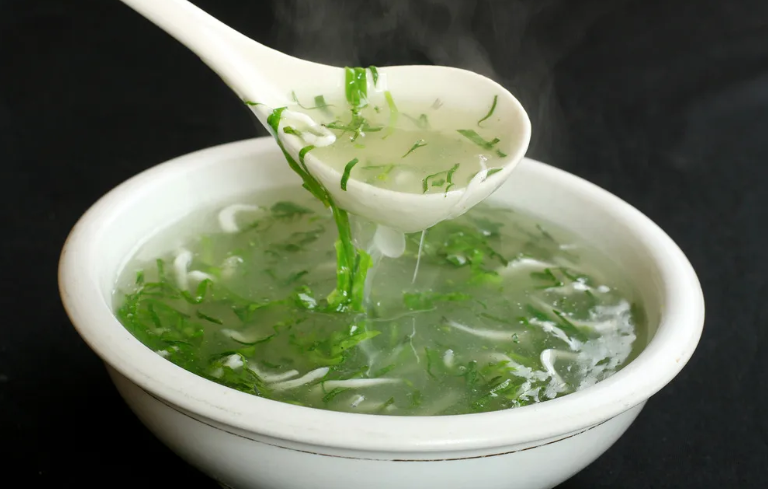
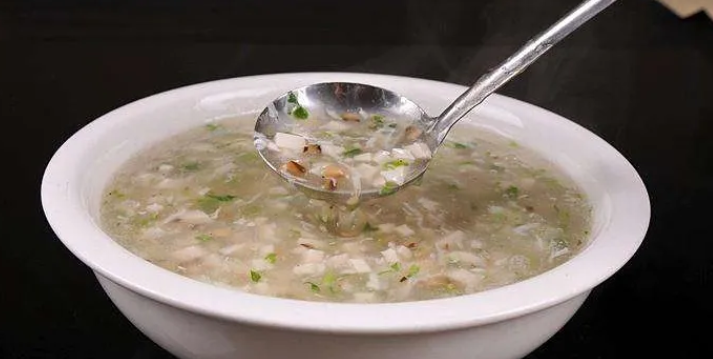
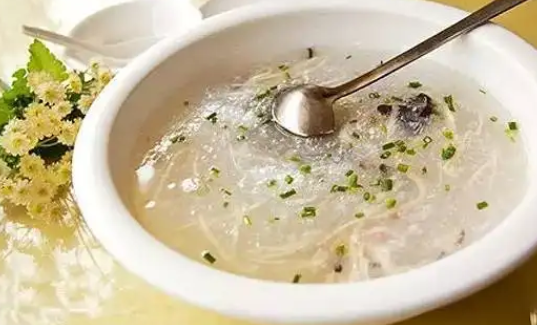
北京菜“薄荷莲子羹”、“核桃羹”,浙江菜“蟹黄豆腐羹”(见图6-6-1),江苏菜“鸡茸羹”,湖南菜“糊腰羹”,浙江菜“黄鱼莼菜羹”(见图6-6-2),陕西菜“羊肉羹”,广东菜“凤凰粟米羹”等。
Beijing cuisine "Mint lotus seed soup" and "walnut soup", Zhejiang cuisine "crab roe tofu soup" (see figure 6-6-1), Jiangsu cuisine "chicken antler soup", Hunan cuisine "paste waist soup", Zhejiang cuisine "yellow croaker Ulva soup" (see figure 6-6-2), Shaanxi cuisine "mutton soup", Guangdong cuisine "Phoenix millet soup", etc.
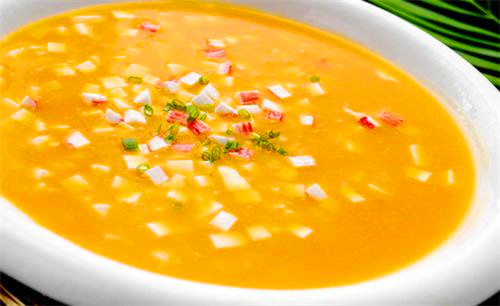
图 6-6-1 蟹黄豆腐羹 Fig. 6-6-1 crab roe tofu soup
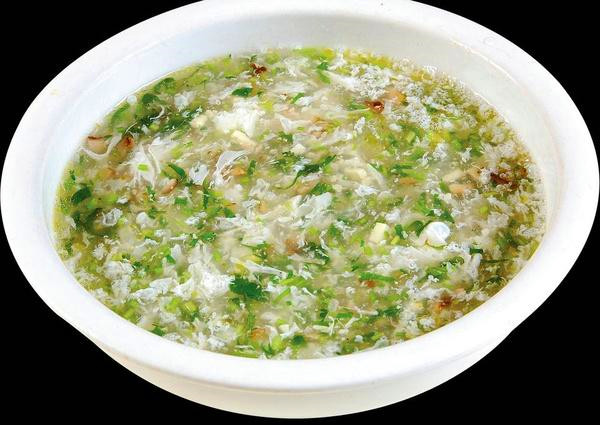
图 6-6-2 黄鱼莼菜羹 Fig. 6-6-2 yellow croaker and Ulva soup