-
1 知识储备——熟醉...
-
2 实训示例——阳朔...
-
3 拓展学习资料(&nb...
知识储备——熟醉
Knowledge reserve——Alcohol-cooking technique
【技法介绍】/Introduction to techniques
在烹调菜肴的过程中,加进酒类与主料一起加热至熟工序或将主料通过焯水、蒸制等技法加工熟后,浸泡在以酒类为主要原料的酱汁中浸泡而成菜的过程称为熟醉法。
In the process of cooking dishes, the process of adding alcohol and main ingredients together to heat to the cooked process, or processing the main ingredients through blanching, steaming and other techniques, and soaking them in the sauce with alcohol as the main raw material is called the cooked drunk method.
在长期的烹饪实践中,人们发现用酒烹调,可以去除原料的腥噪气味且赋予菜肴香味。用酒做菜,是以酒代替烹调时的水或汤,经过烹调达到原料鲜香的效果。因此说酒既是饮料也是烹调时常用的调料,甚至是辅料,如制作东坡肉、黄酒焖牛肉、黄酒炖鸡,啤酒鸡(鸭)、醉蟹、醉鱼、醉虾、三杯鸡等。在烹饪中常使用的酒类香料主要有黄酒、葡萄酒、啤酒、白酒、酒酿、香糟等。在熟醉过程中的主要作用是利用酒中的乙醇把不良气味挥发出去,以达到去腥臊异味的目的;降低香气物质的蒸汽分压,使他们更容易散发出来,以达到增香,提味的效果。
In the long-term cooking practice, people have found that cooking with wine can remove the fishy and noisy smell of raw materials and endow dishes with flavor. Cooking with wine is to use wine instead of water or soup during cooking, and achieve the effect of fresh and fragrant raw materials after cooking. Therefore, wine is not only a beverage, but also a commonly used seasoning and even an auxiliary material in cooking, such as Dongpo meat, braised beef with yellow rice wine, stewed chicken with yellow rice wine, beer chicken (duck), drunken crab, drunken fish, drunken shrimp, three cup chicken, etc. Yellow wine, wine, beer, Baijiu, fermented glutinous rice, and distilled grains are the main flavors used in cooking. The main function in the process of ripening and intoxication is to use the ethanol in the wine to volatilize the bad smell, so as to achieve the purpose of removing the fishy smell; Reduce the vapor partial pressure of aroma substances to make them easier to emit, so as to achieve the effect of increasing aroma and flavor.
【技法要求】/Technical requirements
1.选新鲜、质量好的原料作主料。
1. Choose fresh and high-quality raw materials as the main material.
2.用酒适度,高度酒少用则香,多用则苦;果香酒少用香甜,多用夺味;甜酒少用味佳,多用味苦;啤酒适度增味,多用乏味。
2. Moderate use of wine, high alcohol, less use is fragrant, more use is bitter; Fruit flavored wine is less sweet and more delicious; Sweet wine tastes better when used less, but bitter when used more; Beer is moderately tasteless and more boring.
3.在制作糟醉类菜肴时,加入酒类后一般不可再加热,以保持酒的浓郁香气。
3. When making Zaozui dishes, it is generally not allowed to reheat after adding wine, so as to maintain the strong aroma of wine.
4.运用酒类原料与主料一起加热烹调时,应掌握火候,调准滋味。
4. When heating and cooking with alcohol raw materials and main ingredients, we should master the heat and adjust the taste.
5.用乙醇含量较高的酒类腌制腥臊味较重的鱼、羊肉等动物性原料时,腌制的时间不能太长,而且还要及时用清水将其冲洗干净,否则会产生另一种怪味。
5. When pickling fish, mutton and other animal raw materials with strong smell with alcohol, the pickling time should not be too long, and it should be washed with clean water in time, otherwise another strange smell will be produced.
【代表菜品】/Representative dishes
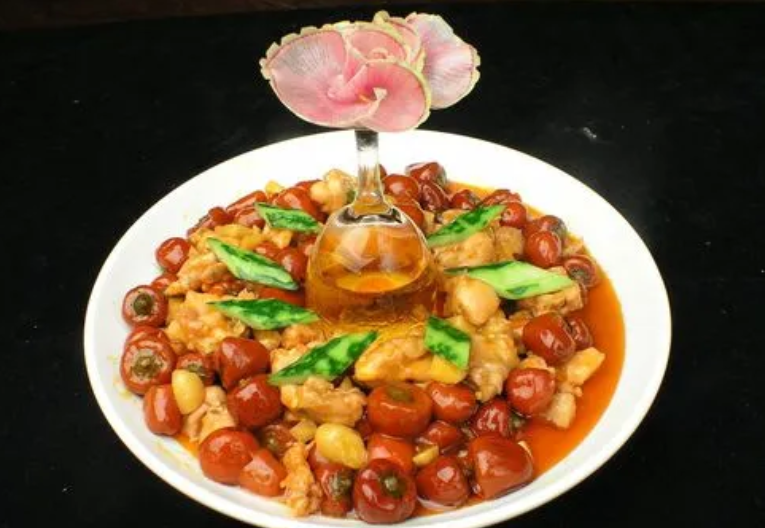
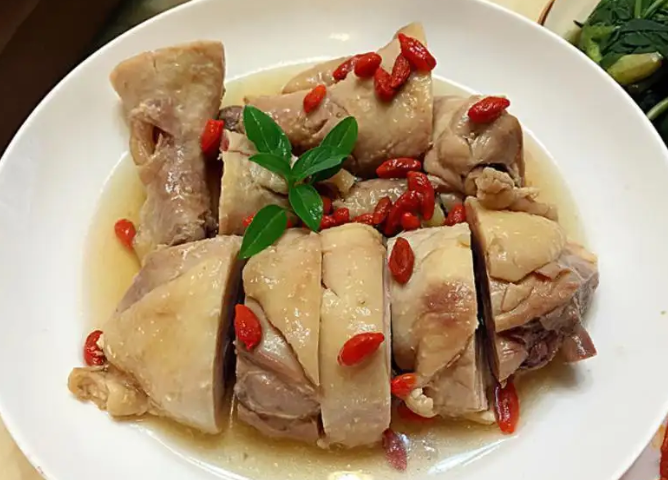
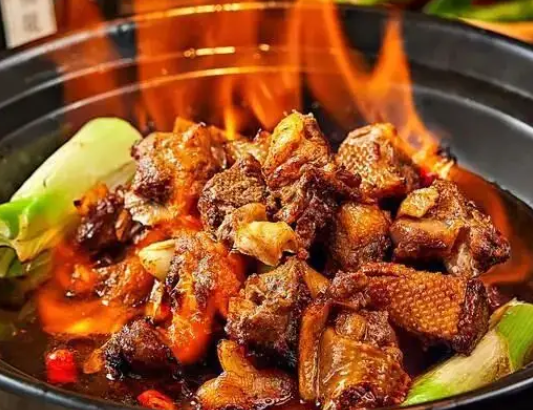
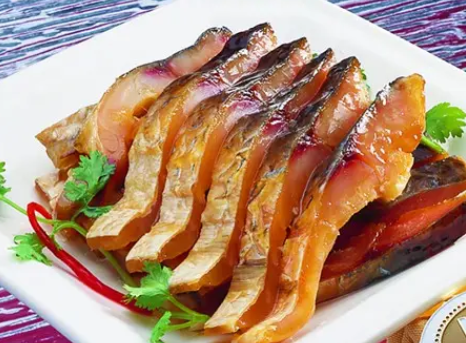
广西菜“乳泉酒醉鸡”,四川菜“五粮液醉鸭”(见图6-4-1),贵州菜“茅台酒醉鸡”,广东菜“甜酒醉仔鸡”,浙江菜“绍兴醉鸡”(见图6-4-2)、“花雕醉鸡”,等。
Guangxi cuisine "Ruquan drunk chicken", Sichuan cuisine "Wuliangye drunk duck" (see figure 6-4-1), Guizhou cuisine "Maotai drunk chicken", Guangdong cuisine "sweet drunk chicken", Zhejiang cuisine "Shaoxing drunk chicken" (see figure 6-4-2), "flower carving drunk chicken", etc.
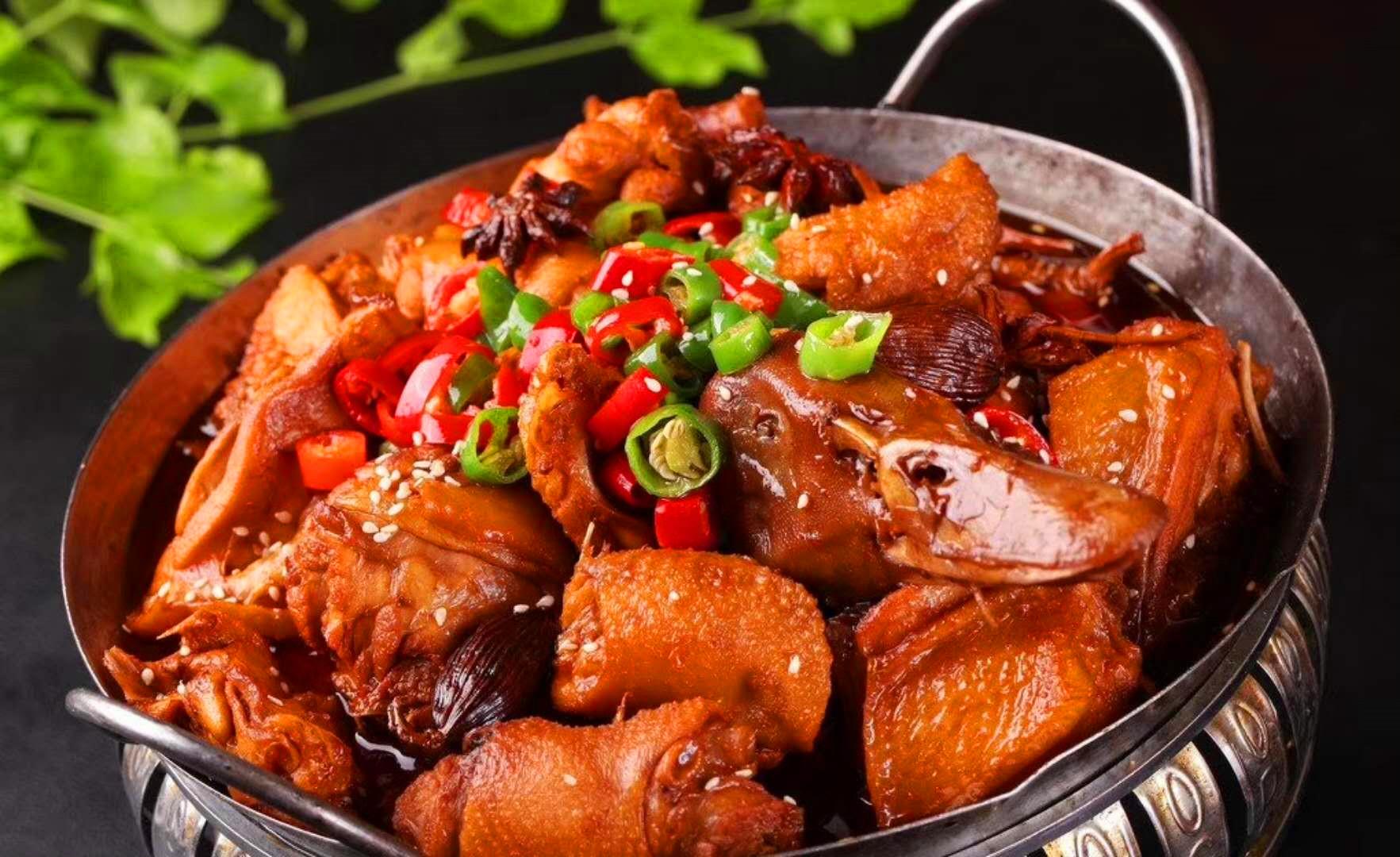
图 6-4-1 五粮液醉鸭 Fig. 6-4-1 Wuliangye drunk duck
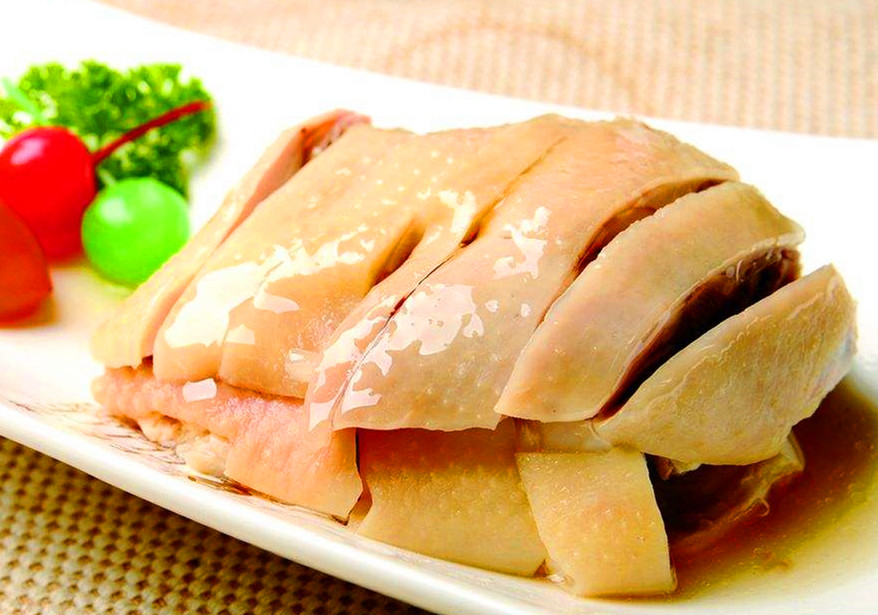
图 6-4-2 绍兴醉鸡 Fig. 6-4-2 Shaoxing drunk chicken