目录

  • 1 绪论(Introduction)
    • 1.1 中式烹调工艺概述(Overview of Chinese cooking technology)
  • 2 锅烹类技法实训(Pot cooking skills training)
    • 2.1 学习目标(Learning objectives)
    • 2.2 锅烹类技法导读(Introduction to pot cooking techniques)
    • 2.3 项目一:滑炒技法(Item 1: Slippery frying technique)
    • 2.4 项目二:爆炒技法(Item 2: Stir fry technique)
    • 2.5 项目三:清炒技法(Item 3: Clear frying technique)
    • 2.6 项目四:生炒技法(Item 4:Raw frying technique)
    • 2.7 项目五:熟炒技法(Item 5:Cooked frying technique)
    • 2.8 项目六:煸炒技法(Item 6:Stir-fry technique)
    • 2.9 项目七:贴制技法(Item 7:Paste technique)
    • 2.10 项目八:煎制技法(Item 8:Decocting technique)
    • 2.11 项目九:盐焗技法(Item 9:Salt baking technique)
    • 2.12 本章小结(Summary of this chapter)
    • 2.13 本章检测题(Test questions in this chapter)
  • 3 油烹类技法实训(Oil cooking skills training)
    • 3.1 学习目标(Learning objectives)
    • 3.2 油烹类技法导读(Introduction to oil cooking techniques)
    • 3.3 项目一:清炸技法(Item 1:Blasting technique)
    • 3.4 项目二:干炸技法(Item 2:Dry frying technique)
    • 3.5 项目三:纸包炸技法(Item 3:Paper fried technique)
    • 3.6 项目四:卷炸技法(Item 4:Roll blasting technique)
    • 3.7 项目五:碎屑料炸技法(Item 5:Chip blasting technique)
    • 3.8 项目六:泡油炒技法(Item 6:Oil soaking frying technique)
    • 3.9 项目七:红烧技法(Item 7:Braised technique)
    • 3.10 项目八:红扣技法(Item 8:Red button technique)
    • 3.11 项目九:脆熘技法(Item 9:Crispy frying technique)
    • 3.12 本章小结(Summary of this chapter)
    • 3.13 本章检测题(Test questions in this chapter)
  • 4 水烹类技法实训(Practical training of water cooking techniques)
    • 4.1 学习目标(Learning objectives)
    • 4.2 水烹类技法导读(Introduction to water cooking techniques)
    • 4.3 项目一:煮制技法(Item 1:Boiling technique)
    • 4.4 项目二:浸制技法(Item 2:Soaking technique)
    • 4.5 项目三:灼制技法(Item 3:Poaching technique)
    • 4.6 项目四:烩制技法(Item 4:Decocting technique)
    • 4.7 项目五:煲制技法(Item 5:Stewing technique)
    • 4.8 项目六:煨制技法(Item 6:Simmering technique)
    • 4.9 项目七:焖制技法(Item 7:Braiseing technique )
    • 4.10 本章小结(Summary of this chapter)
    • 4.11 本章检测题(Test questions in this chapter)
  • 5 汽烹类技法实训(Steam cooking skills training)
    • 5.1 学习目标(Learning objectives)
    • 5.2 汽烹类技法导读(Introduction to steam cooking techniques)
    • 5.3 项目一:清蒸技法(Item 1:Steaming technique)
    • 5.4 项目二:干蒸技法(Item 2:Dry steaming technique)
    • 5.5 项目三:粉蒸技法(Item 3:Dteaming with flour technique)
    • 5.6 项目四:蒸扣技法(Item 4:Bowl steaming technique)
    • 5.7 项目五:蒸瓤技法(Item 5:Stuffing steaming technique)
    • 5.8 项目六:蒸炖技法(Item 6:Steaming and Stewing technique)
    • 5.9 本章小结(Summary of this chapter)
    • 5.10 本章检测题(Test questions in this chapter)
  • 6 辐射类技法实训(Training of Radiation Cooking Techniques)
    • 6.1 学习目标(Learning objectives)
    • 6.2 辐射类技法导读(Introduction to Radiation Cooking Techniques)
    • 6.3 项目一:明炉烤技法(Item 1:Open-oven roasting technique)
    • 6.4 项目二:暗炉烤技法(Item 2:Closed-oven roasting technique)
    • 6.5 项目三:泥烤技法(Item 3:Mud roasting technique)
    • 6.6 项目四:烘烤技法(Item 4:Baking roasting technique)
    • 6.7 本章小结(Summary of this chapter)
    • 6.8 本章检测题(Test questions in this chapter)
  • 7 特殊类技法实训(Training of Special Cooking Techniques)
    • 7.1 学习目标(Learning objectives)
    • 7.2 特殊类技法导读(Introduction to special techniques Techniques)
    • 7.3 项目一:凉拌技法(Item 1:Cold mixing technique)
    • 7.4 项目二:制冻技法(Item 2:Cold jelly technique)
    • 7.5 项目三:生醉技法(Item 3:live alcohol-saturating technique)
    • 7.6 项目四:熟醉技法(Item 4:Alcohol-cooking technique)
    • 7.7 项目五:拔丝技法(Item 5:Wire drawing technique)
    • 7.8 项目六:制羹技法(Item 6:Thick soup making technique)
    • 7.9 项目七:铁扒技法(Item 7:Grilling technique)
    • 7.10 项目八:熏制技法(Item 8:Smoking technique)
    • 7.11 本章小结(Summary of this chapter)
    • 7.12 本章检测题(Test questions in this chapter)
项目三:生醉技法(Item 3:live alcohol-saturating technique)
  • 1 知识储备——生醉...
  • 2 实训示例——啤酒...
  • 3 拓展学习资料(&nb...

知识储备——生醉

Knowledge reserve——live alcohol-saturating technique

技法介绍/Introduction to techniques

生醉是将鲜活的原料放进以酒为主要调味料的调制成的腌汁中醉制而成的技法,称为生醉法。选用生醉法制作菜肴,首先是要恰当选择“酒”,在烹饪行业中通常将带有不同香味特征的酒称为“酒香料”,其次是选用新鲜度极高的原料。

Shengzui is a technique that makes fresh raw materials drunk in the marinade made of wine as the main seasoning, which is called shengzui method. When making dishes with the method of raw intoxication, the first thing is to properly select the "wine". In the cooking industry, the wine with different flavor characteristics is usually called "wine flavor", and the second is to select the raw materials with high freshness.

酒是饮料,也是烹调时常用的去腥增香的调料,酒的香气成分非常复杂,我国食品科学界近30多年对我国的各种名酒进行研究,已确认的呈香成分达100多种。而外国科学界,已经发现酒类的呈香物质逾600种。在生醉中,将含有乙醇的调味料加入到菜肴中,经过加长时间浸润能使糟、醉、食中的部分蛋白质发生变性(如醉虾)或全部蛋白质发生变性(入糟蛋),提高食品的可食性,改善食品的风味;另一方面,能使微生物中的蛋白质发生变性,达到杀菌防腐的作用,同时具有去腥臊异味、增香提味的作用。

Wine is not only a beverage, but also a commonly used seasoning for removing fishiness and increasing aroma in cooking. The aroma components of wine are very complex. China's food science community has studied various famous wines in China for more than 30 years, and more than 100 aroma components have been confirmed. The foreign scientific community has found more than 600 kinds of aroma substances in alcohol. In the process of raw intoxication, the seasoning containing ethanol is added to the dishes. After prolonged infiltration, some proteins in the grains, drunk and food can be denatured (such as drunk shrimp) or all proteins can be denatured (into bad eggs), so as to improve the edible ability and flavor of the food; On the other hand, it can denature the protein in microorganisms, achieve the function of sterilization and anti-corrosion, and have the function of removing fishy smell, increasing aroma and flavor.

说明:一些人喜欢食用生醉法、活醉法做菜,从食品卫生方面说,生醉法、熟醉法不够卫生,以不用、少用为好。

Note: some people like to eat raw drunk method and live drunk method for cooking. In terms of food hygiene, raw drunk method and cooked drunk method are not hygienic enough, so it is better to use them less.

技法要求/Technical requirements

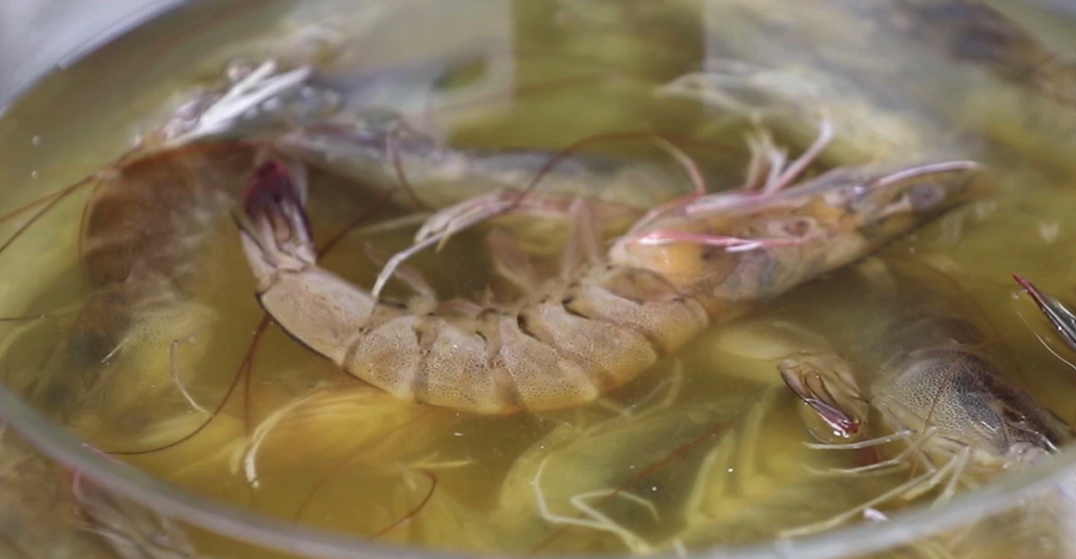
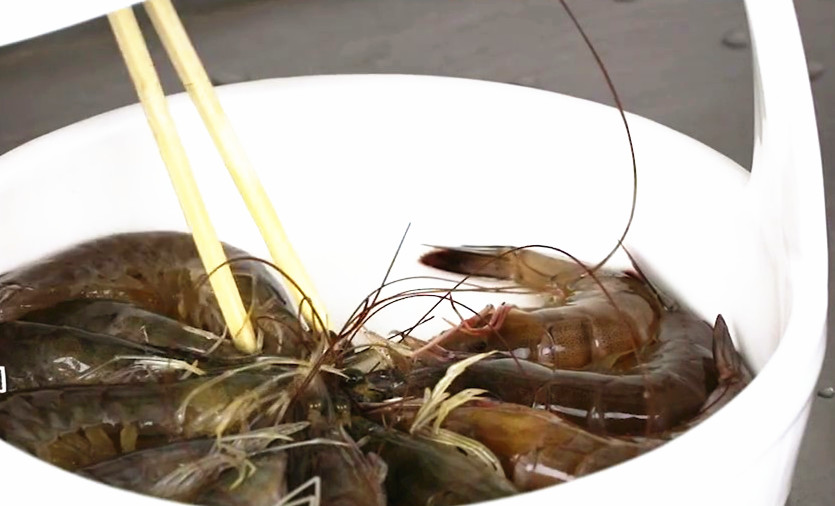
1.为确保原料的卫生安全,应选用水质、水源洁净无污染的水域生长的鱼、虾、蟹等,且对水流刺激反应敏感、身体摆动有力、体色鲜亮、眼球明亮饱满的为佳。

1. In order to ensure the health and safety of raw materials, it is better to choose fish, shrimp, crab, etc. growing in clean and pollution-free waters with water quality and water source, and those who are sensitive to water stimulation, have strong body swing, bright body color and bright and full eyes.

2.醉腌的时间要稍长些,使乙醇能有充足的时间渗透到原料内部。

2. The soaking time should be slightly longer, so that ethanol can penetrate into the raw materials in sufficient time.

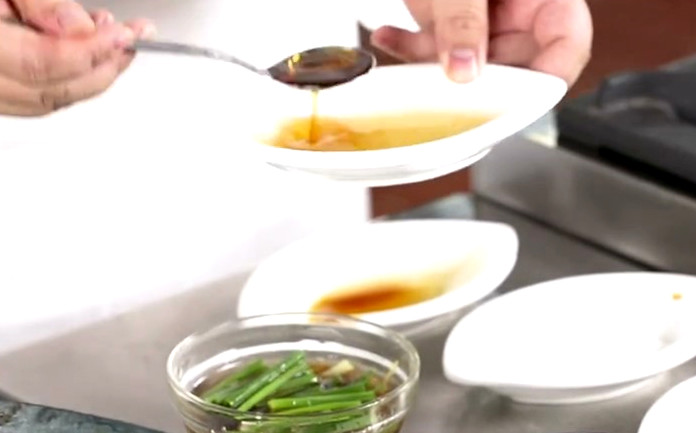
3.味碟口味可以根据各地的风味特点进行调制,以达到增味的效果

3. The flavor of the dish can be modulated according to the flavor characteristics of various places to achieve the effect of flavor enhancement.

代表菜品/Representative dishes

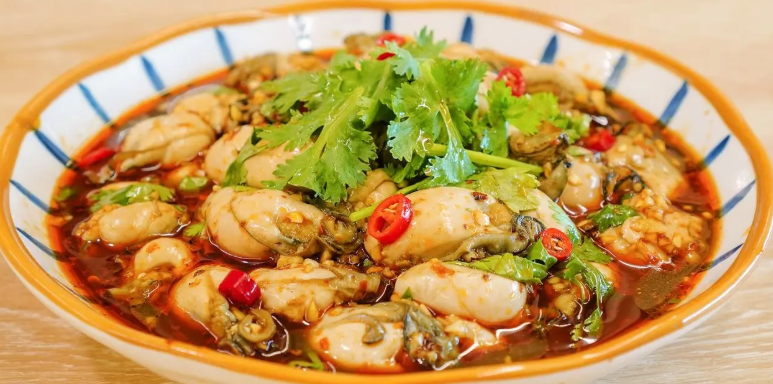
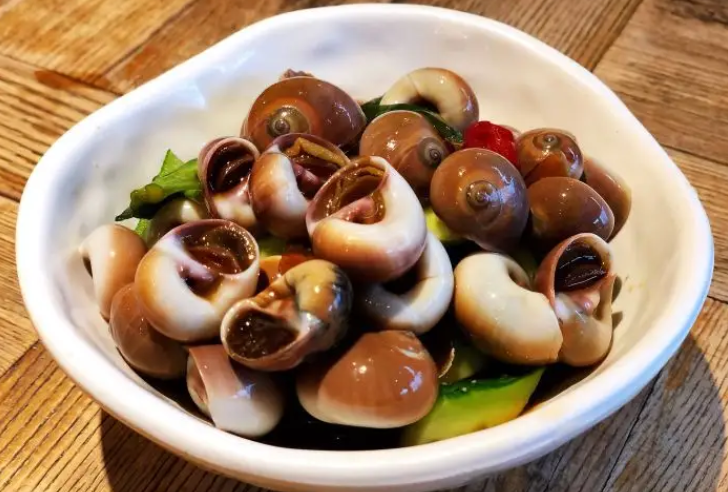
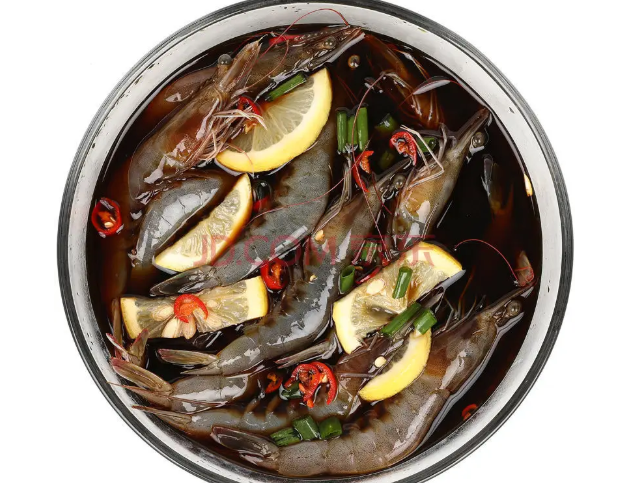
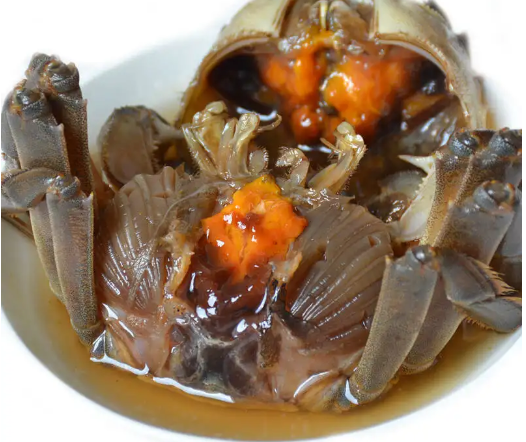
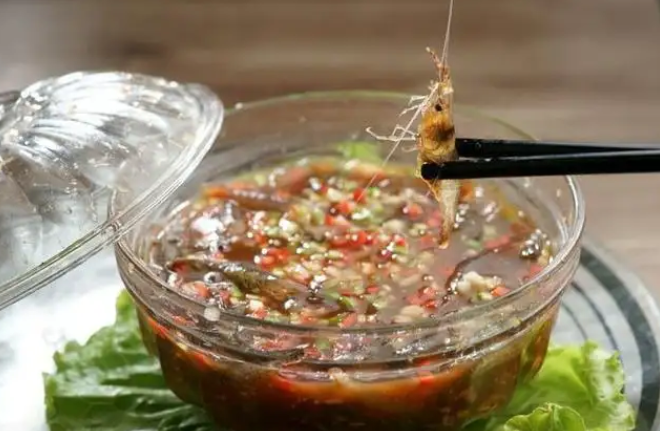
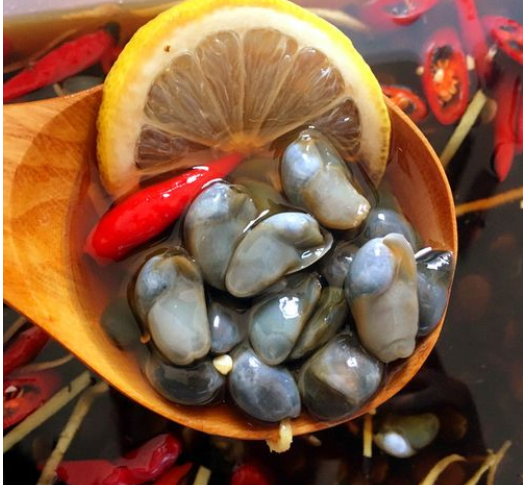
广西菜“生醉大虾”,江苏菜“生醉河虾”见图6-3-1,浙江菜“生醉海鲜”、“生醉血蛤”,上海菜“生醉大闸蟹”见图6-3-2,广东菜“生醉牡蛎”、“生醉花蛤”、“生醉虾姑”等。

Guangxi cuisine "raw drunk prawns", Jiangsu cuisine "raw drunk River prawns" (see figure 6-3-1), Zhejiang cuisine "raw drunk seafood", "raw drunk blood clams", Shanghai cuisine "raw drunk hairy crabs" (see figure 6-3-2), Guangdong cuisine "raw drunk oysters", "raw drunk flower clams", "raw drunk shrimps", etc.
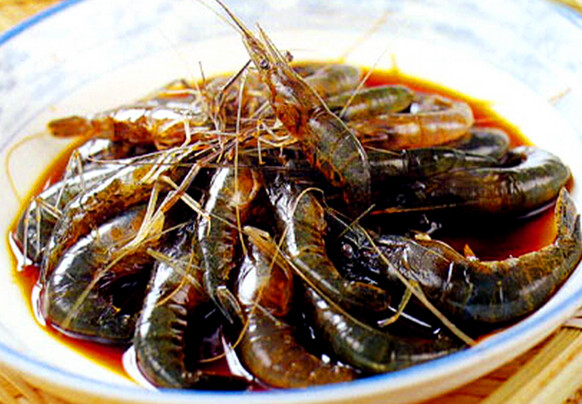
                     图 6-3-1 生醉河虾 Fig. 6-3-1 raw drunk river shrimp

               图 6-3-2 生醉大闸蟹 Fig. 6-3-2 raw and drunk hairy crab