目录

  • 1 绪论(Introduction)
    • 1.1 中式烹调工艺概述(Overview of Chinese cooking technology)
  • 2 锅烹类技法实训(Pot cooking skills training)
    • 2.1 学习目标(Learning objectives)
    • 2.2 锅烹类技法导读(Introduction to pot cooking techniques)
    • 2.3 项目一:滑炒技法(Item 1: Slippery frying technique)
    • 2.4 项目二:爆炒技法(Item 2: Stir fry technique)
    • 2.5 项目三:清炒技法(Item 3: Clear frying technique)
    • 2.6 项目四:生炒技法(Item 4:Raw frying technique)
    • 2.7 项目五:熟炒技法(Item 5:Cooked frying technique)
    • 2.8 项目六:煸炒技法(Item 6:Stir-fry technique)
    • 2.9 项目七:贴制技法(Item 7:Paste technique)
    • 2.10 项目八:煎制技法(Item 8:Decocting technique)
    • 2.11 项目九:盐焗技法(Item 9:Salt baking technique)
    • 2.12 本章小结(Summary of this chapter)
    • 2.13 本章检测题(Test questions in this chapter)
  • 3 油烹类技法实训(Oil cooking skills training)
    • 3.1 学习目标(Learning objectives)
    • 3.2 油烹类技法导读(Introduction to oil cooking techniques)
    • 3.3 项目一:清炸技法(Item 1:Blasting technique)
    • 3.4 项目二:干炸技法(Item 2:Dry frying technique)
    • 3.5 项目三:纸包炸技法(Item 3:Paper fried technique)
    • 3.6 项目四:卷炸技法(Item 4:Roll blasting technique)
    • 3.7 项目五:碎屑料炸技法(Item 5:Chip blasting technique)
    • 3.8 项目六:泡油炒技法(Item 6:Oil soaking frying technique)
    • 3.9 项目七:红烧技法(Item 7:Braised technique)
    • 3.10 项目八:红扣技法(Item 8:Red button technique)
    • 3.11 项目九:脆熘技法(Item 9:Crispy frying technique)
    • 3.12 本章小结(Summary of this chapter)
    • 3.13 本章检测题(Test questions in this chapter)
  • 4 水烹类技法实训(Practical training of water cooking techniques)
    • 4.1 学习目标(Learning objectives)
    • 4.2 水烹类技法导读(Introduction to water cooking techniques)
    • 4.3 项目一:煮制技法(Item 1:Boiling technique)
    • 4.4 项目二:浸制技法(Item 2:Soaking technique)
    • 4.5 项目三:灼制技法(Item 3:Poaching technique)
    • 4.6 项目四:烩制技法(Item 4:Decocting technique)
    • 4.7 项目五:煲制技法(Item 5:Stewing technique)
    • 4.8 项目六:煨制技法(Item 6:Simmering technique)
    • 4.9 项目七:焖制技法(Item 7:Braiseing technique )
    • 4.10 本章小结(Summary of this chapter)
    • 4.11 本章检测题(Test questions in this chapter)
  • 5 汽烹类技法实训(Steam cooking skills training)
    • 5.1 学习目标(Learning objectives)
    • 5.2 汽烹类技法导读(Introduction to steam cooking techniques)
    • 5.3 项目一:清蒸技法(Item 1:Steaming technique)
    • 5.4 项目二:干蒸技法(Item 2:Dry steaming technique)
    • 5.5 项目三:粉蒸技法(Item 3:Dteaming with flour technique)
    • 5.6 项目四:蒸扣技法(Item 4:Bowl steaming technique)
    • 5.7 项目五:蒸瓤技法(Item 5:Stuffing steaming technique)
    • 5.8 项目六:蒸炖技法(Item 6:Steaming and Stewing technique)
    • 5.9 本章小结(Summary of this chapter)
    • 5.10 本章检测题(Test questions in this chapter)
  • 6 辐射类技法实训(Training of Radiation Cooking Techniques)
    • 6.1 学习目标(Learning objectives)
    • 6.2 辐射类技法导读(Introduction to Radiation Cooking Techniques)
    • 6.3 项目一:明炉烤技法(Item 1:Open-oven roasting technique)
    • 6.4 项目二:暗炉烤技法(Item 2:Closed-oven roasting technique)
    • 6.5 项目三:泥烤技法(Item 3:Mud roasting technique)
    • 6.6 项目四:烘烤技法(Item 4:Baking roasting technique)
    • 6.7 本章小结(Summary of this chapter)
    • 6.8 本章检测题(Test questions in this chapter)
  • 7 特殊类技法实训(Training of Special Cooking Techniques)
    • 7.1 学习目标(Learning objectives)
    • 7.2 特殊类技法导读(Introduction to special techniques Techniques)
    • 7.3 项目一:凉拌技法(Item 1:Cold mixing technique)
    • 7.4 项目二:制冻技法(Item 2:Cold jelly technique)
    • 7.5 项目三:生醉技法(Item 3:live alcohol-saturating technique)
    • 7.6 项目四:熟醉技法(Item 4:Alcohol-cooking technique)
    • 7.7 项目五:拔丝技法(Item 5:Wire drawing technique)
    • 7.8 项目六:制羹技法(Item 6:Thick soup making technique)
    • 7.9 项目七:铁扒技法(Item 7:Grilling technique)
    • 7.10 项目八:熏制技法(Item 8:Smoking technique)
    • 7.11 本章小结(Summary of this chapter)
    • 7.12 本章检测题(Test questions in this chapter)
项目三:泥烤技法(Item 3:Mud roasting technique)
  • 1 知识储备——泥烤...
  • 2 实训示例——泥烤...
  • 3 拓展学习资料(&nb...

知识储备——泥烤

Knowledge reserve——Mud roasting technique

技法介绍/Introduction to techniques

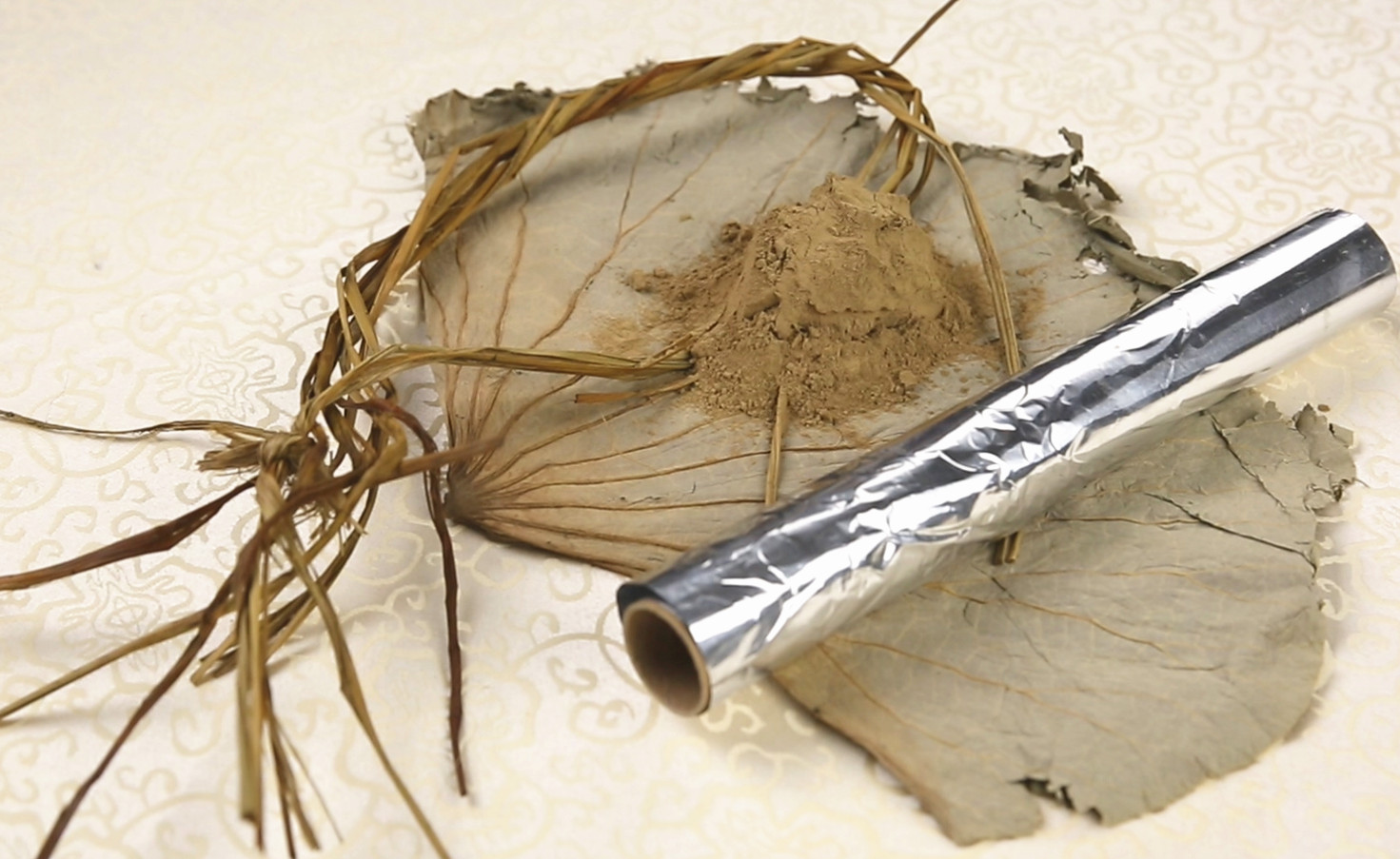
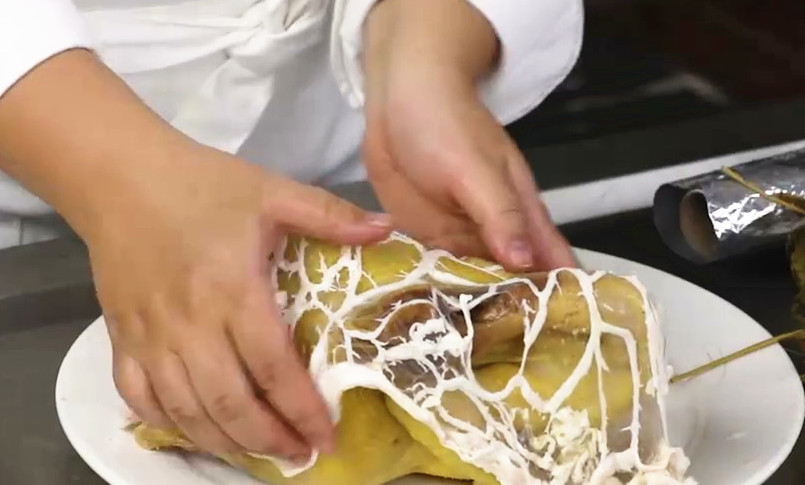
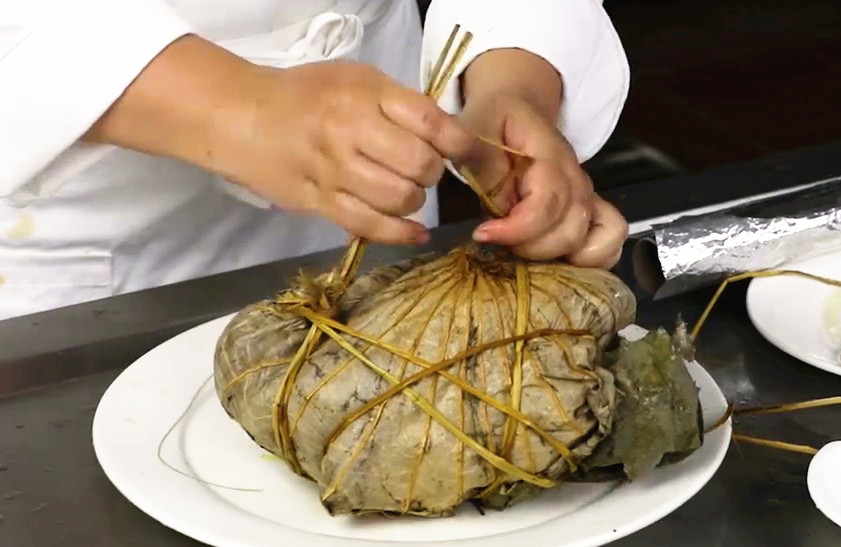
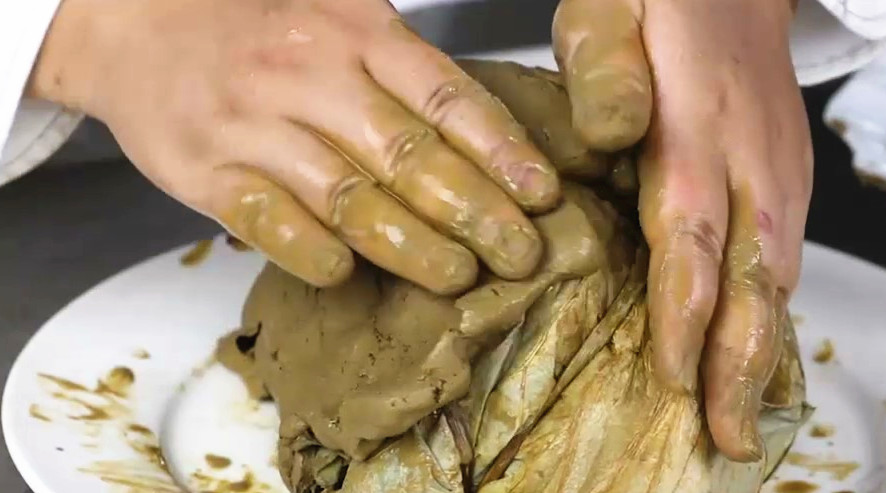
将烹饪原料加工成型,腌制入味,先用猪网油包裹好,再用荷叶包裹上,外用稻草绳捆扎紧,黏裹黄泥,放入炉灶烘烤,烤至泥巴干裂,除去泥巴和包裹物品,取出成品改刀切形装碟,即可成菜,这种加热工序叫做泥烤法。泥烤技法源于民间,是烤制技法中一个重要技法。其制法别致、繁简咸宜。在追求低碳,环保,养生,美味的今天,颇有原生态的环保、健康泥烤烹饪技法,受到了越来越多的消费者的喜爱

Process and shape the cooking materials, marinate them into taste, wrap them with pig net oil, then wrap them with lotus leaves, bind them tightly with straw rope, stick them with yellow mud, bake them in the stove until the mud is dry and cracked, remove the mud and wrapped items, take out the finished products, cut them into plates, and then they can be cooked. This heating process is called mud baking method. Mud baking technique originated from the folk and is an important technique in baking techniques. Its preparation method is unique, complex, simple and salty. In the pursuit of low-carbon, environmental protection, health preservation and delicious today, the original environmental protection and healthy mud baking cooking techniques have been loved by more and more consumers.

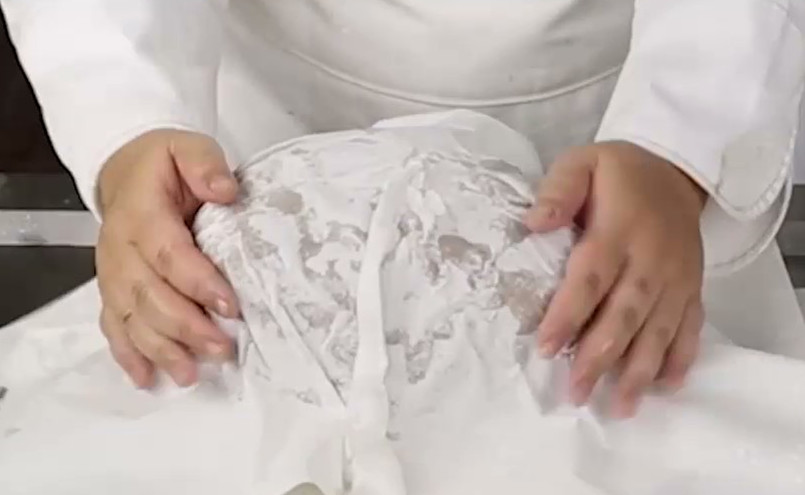
泥烤除荷叶包裹外外,现在包裹食材的用品也不断增加。如猪网油、干荷叶、玻璃纸、鲜荷叶、铝箔纸等。泥烤外面的泥巴也在不断改进,原来的黄泥现在逐步改用酒坛泥,以增菜肴香气。为了家庭制作方便,有的还用面粉泥替代泥巴,用家庭烤箱代替了土瓮,也是一种继承和发展。

In addition to wrapping with lotus leaves, the supplies for wrapping food materials are also increasing. Such as pig net oil, dried lotus leaf, cellophane, fresh lotus leaf, aluminum foil paper, etc. The mud outside the mud roast is also constantly improved. The original yellow mud is now gradually changed to wine jar mud to increase the aroma of dishes. For the convenience of family production, some also use flour mud instead of mud and family oven instead of earthen urn, which is also a kind of inheritance and development.

技法要求/Technical requirements

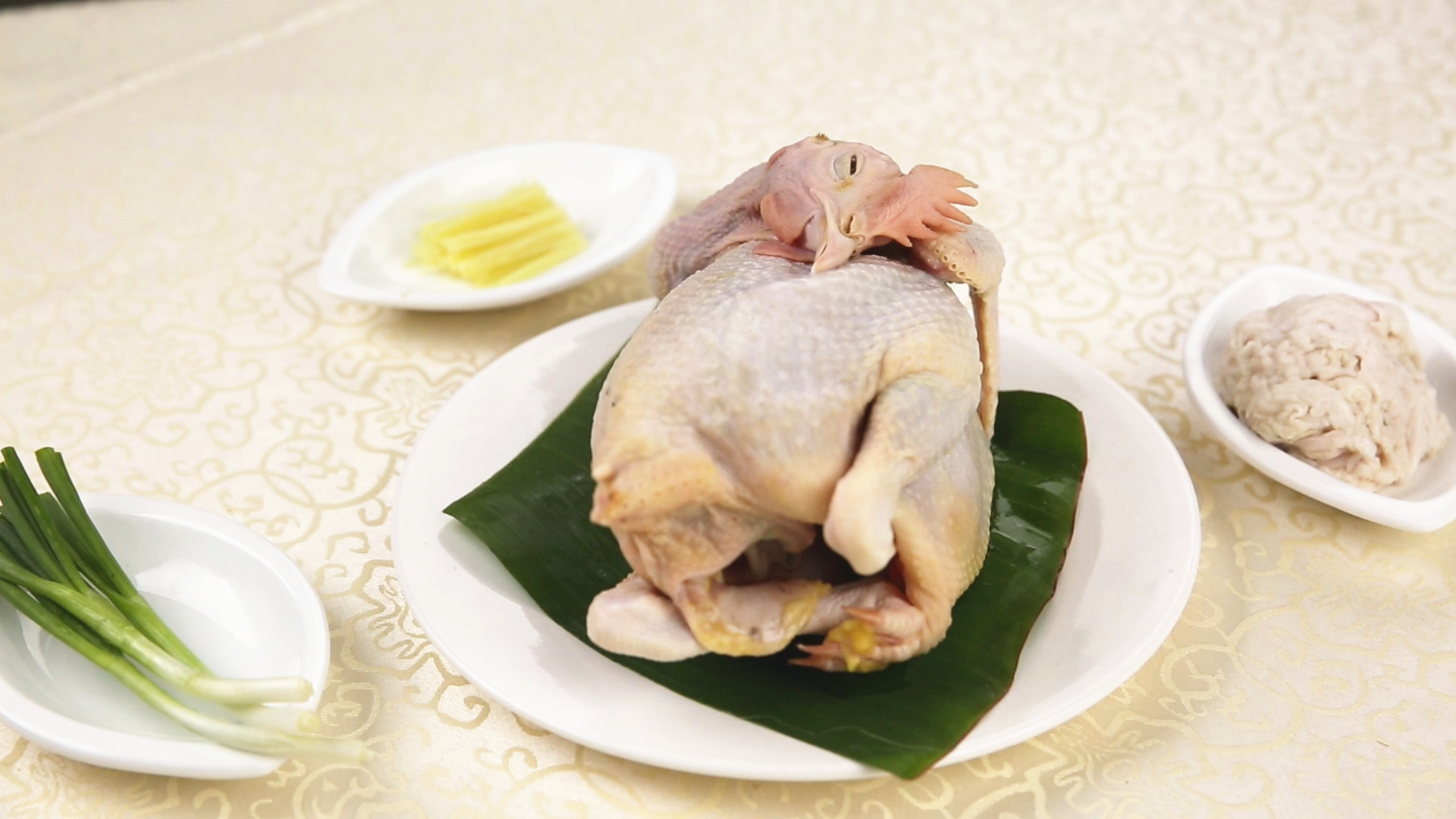
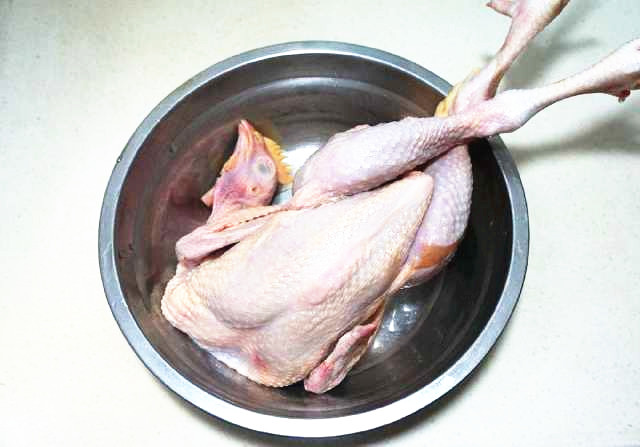
1.原料以小型禽类为多见,如麻鸭、家鸡等。无论采用哪种原料,均需肥壮。以鸡为例以饲养期在一年之内体重在1.5kg左右为好过大肉质变老,过小则不够肥美。

1. Raw materials are mostly small birds, such as duck, domestic chicken, etc. No matter which raw material is used, it needs to be fat. Take chicken as an example. It's better to feed it within one year and weigh about 1.5kg. If it's too big, the meat will get old, and if it's too small, it's not fat enough.

2.原料腌渍后,如果不是使用猪网油包裹,则需在包裹前在原料表面涂抹熟猪油,可使成品更加鲜嫩油润、香气突出、光滑明亮。

2. After the raw material is pickled, if it is not wrapped with pig net oil, it is necessary to apply cooked lard on the surface of the raw material before wrapping, which can make the finished product more fresh, oily, fragrant, smooth and bright.

3.原料要包紧裹严,烤制过程中,若发现开裂,要随时用黄泥抹平,否则会漏油漏气,甚至烤焦。烤制过程中,中途翻动几次,并及时调整火候,使其受热均匀。

3. The raw materials shall be tightly wrapped. If cracks are found during the baking process, they shall be troweled with yellow mud at any time, otherwise oil and gas leakage will occur and even scorch. During the baking process, turn it over several times in the middle, and adjust the heat in time to make it heated evenly.

4.根据需要,主料腹内可添加多种辅料,如五花肉丁、板栗块、鲜虾仁、玉兰片、冬菇等,但需要事先进行调味。

4. As required, a variety of auxiliary materials can be added to the main ingredients, such as Diced Pork, chestnut blocks, fresh shrimp, Magnolia slices, mushrooms, etc., but seasoning is required in advance.

代表菜品/Representative dishes

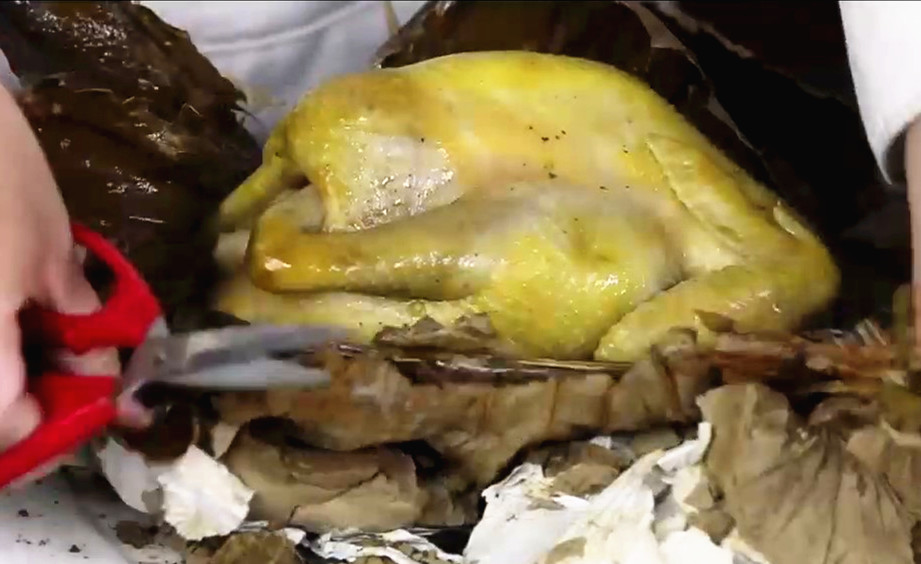
江苏菜“常熟叫花鸡”见图5-3-1,湖北菜“黄泥巴烤鸡”,广西菜“九千万泥烤鸡”云南菜“泥烤大猪排”见图5-3-2等。

Jiangsu cuisine "Changshu flower chicken" (see figure 5-3-1), Hubei cuisine "yellow mud roast chicken", Guangxi cuisine "90 million mud roast chicken", Yunnan cuisine "mud roast pork chop" (see figure 5-3-2), etc.
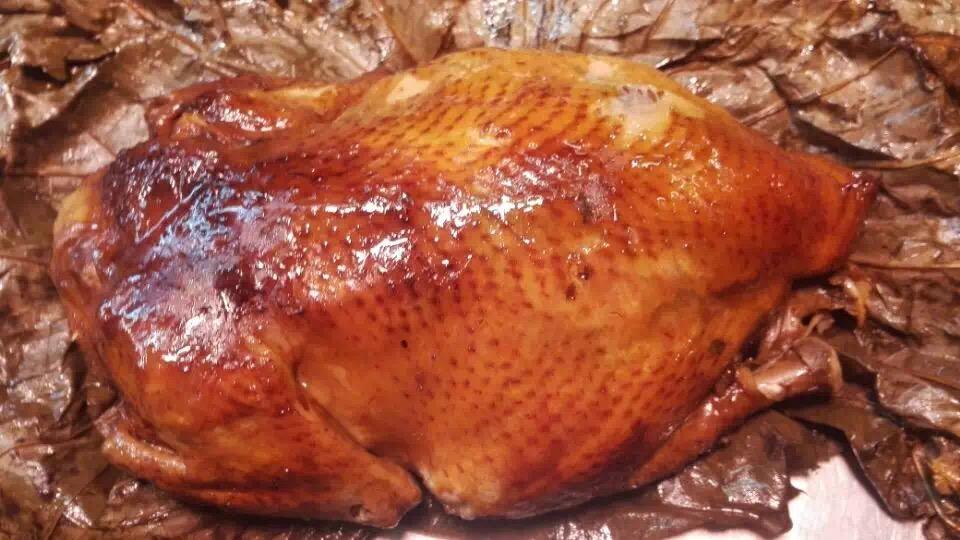
                 图 5-3-1 常熟叫花鸡 Fig. 5-3-1 Changshu Jiaohua chicken
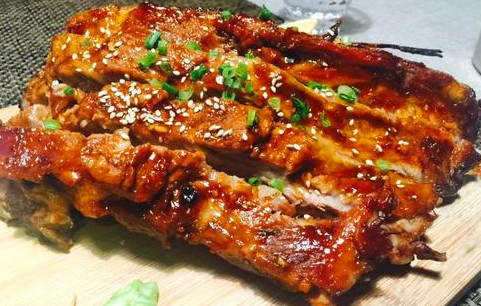
                图 5-3-2 泥烤大猪排 Fig. 5-3-2 mud roast pork chop