-
1 知识储备——蒸法...
-
2 实训示例——田七...
-
3 拓展学习资料(&nb...
知识储备——蒸炖法
Knowledge reserve——Steaming and Stewing technique
【技法介绍】/Introduction to techniques
将新鲜动物原料放入炖盅里,加入配码、调料和多量的汤水,再将炖盅放入蒸锅中用旺火加热至主料质脢、汤味鲜,这种加热工序叫做蒸炖法。
Put the fresh animal raw materials into the stew cup, add the matching code, seasoning and a large amount of soup, and then put the stew cup into the steamer and heat it with high fire until the main material is good and the soup tastes fresh. This heating process is called steaming and stewing.
蒸炖法主要用于制作汤品。运用蒸炖法制作的汤品,其效果与隔水炖基本相同,但因蒸炖的温度较高,必须掌握好蒸的时间。蒸的时间不足,会使原料不熟和少香鲜味道;蒸的时间过长,也会使原料过于熟烂和散失鲜香滋味。
Steaming and stewing method is mainly used to make soup. The effect of soup prepared by steaming and stewing is basically the same as that of water separated stewing, but due to the high temperature of steaming and stewing, we must master the steaming time. Insufficient steaming time will make the raw materials immature and less fragrant and fresh; Too long steaming time will make the raw materials taste too fresh and rotten.
【技法要求】/Technical requirements
1.选料选择。炖汤的食材讲究七分肉三分骨,通常是把瘦肉和骨头按7:3的比例搭配装入炖盅中,瘦肉主要作用是增加汤汁的肉鲜味,而骨头则可以增加汤汁的骨香味。
1. Material selection. The ingredients of stew pay attention to seven parts of meat and three parts of bone. Usually, lean meat and bone are matched in the proportion of 7:3 and put into the stew cup. The main function of lean meat is to increase the meat flavor of the soup, while bone can increase the bone flavor of the soup.
2.汆水处理。制作好蒸炖汤品最好经过两次汆水,第一次是锅中水烧到30℃左右,再放入食材用中火加热至90℃左右捞出食材,洗净;第二次是锅中的水烧至沸腾,再下入食材加热至无新的血沫产生,然后再次捞出洗净。经过两次汆水食材中大约75%的血水汆掉。
2. Blanch. It is best to boil the stewed soup twice. The first time is to boil the water in the pot to about 30 ℃, then add the ingredients, heat them to about 90 ℃ over medium heat, take out the ingredients and wash them; The second time is to boil the water in the pot until it boils, then add the ingredients and heat it until there is no new blood foam, and then take it out again and wash it. After boiling twice, about 75% of the blood in the ingredients is boiled off.
3.食材入汤技巧。将食材按照比例放入炖盅后,应加入沸腾的汤水,避免食材中25%的血水流到汤中,导致蒸炖出的汤不够清澈,香味也不够浓郁。
3. Ingredients into soup skills. After the ingredients are put into the stew cup according to the proportion, the boiling soup should be added to avoid 25% of the blood in the ingredients flowing into the soup, resulting in the soup not clear enough and not strong enough flavor.
4.做好密封处理。在蒸炖之前一定要充分的密封好(密封炖盅是为了防止香味流失),而且要用玉扣纸来密封,因为这种纸的密封效果非常好。
4. Seal well. Before steaming and stewing, it must be fully sealed (sealing the stew cup is to prevent the loss of flavor), and it should be sealed with jade buckle paper, because the sealing effect of this paper is very good.
5.蒸炖时间掌握。行业中有“煲三炖四”的说法,就是说老火煲汤通常需要3h左右,而蒸炖通常需要4h左右。由于现在食材的纤维比以前粗一些,所以,现在又有了“煲四炖五”的新要求。在蒸炖时需要根据原料本身的特点来确定时间。
5. Master the steaming and stewing time. There is a saying in the industry that "three stews and four stews", that is, it usually takes about 3H to cook soup with old fire, while it usually takes about 4H to steam and stew. Because the fiber of the ingredients is coarser than before, there is a new requirement of "four stews and five stews". When steaming and stewing, the time needs to be determined according to the characteristics of the raw materials themselves.
【代表菜品】/Representative dishes
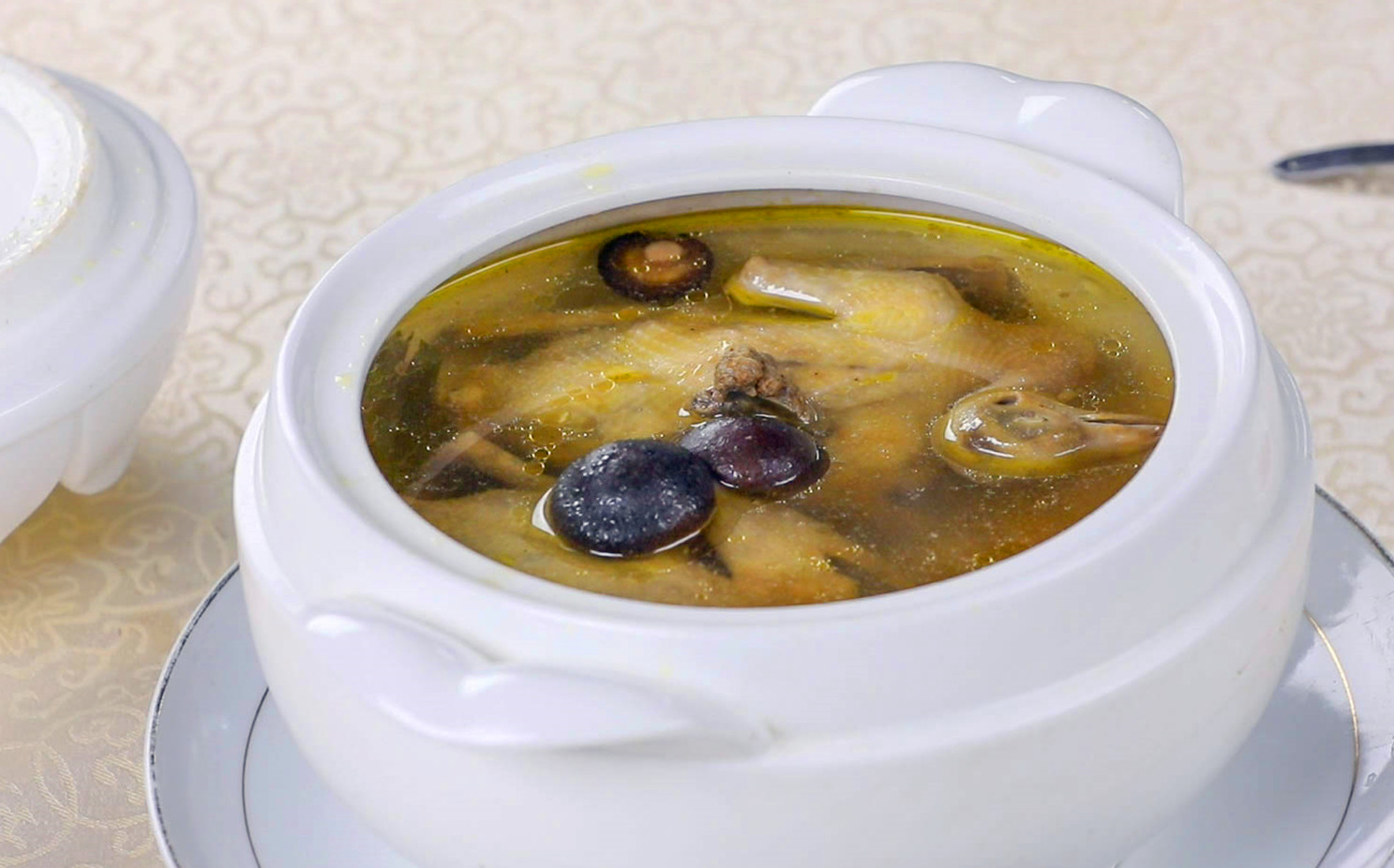
江西菜“五元龙凤汤”、“龙南珍珠汤”,广西菜“竹丝鸡虫草花汤”(见图4-6-1)、“杂菌老鸭靓汤”,广东菜“玉竹百合鹌鹑汤”、“黄精枸杞牛尾汤”(见图4-6-2)等。
Jiangxi cuisine "Wuyuan Longfeng soup", "Longnan pearl soup", Guangxi cuisine "bamboo chicken Cordyceps flower soup" (see figure 4-6-1), "miscellaneous bacteria old duck soup", Guangdong cuisine "Yuzhu Lily quail soup", "Huangjing medlar oxtail soup" (see figure 4-6-2), etc.
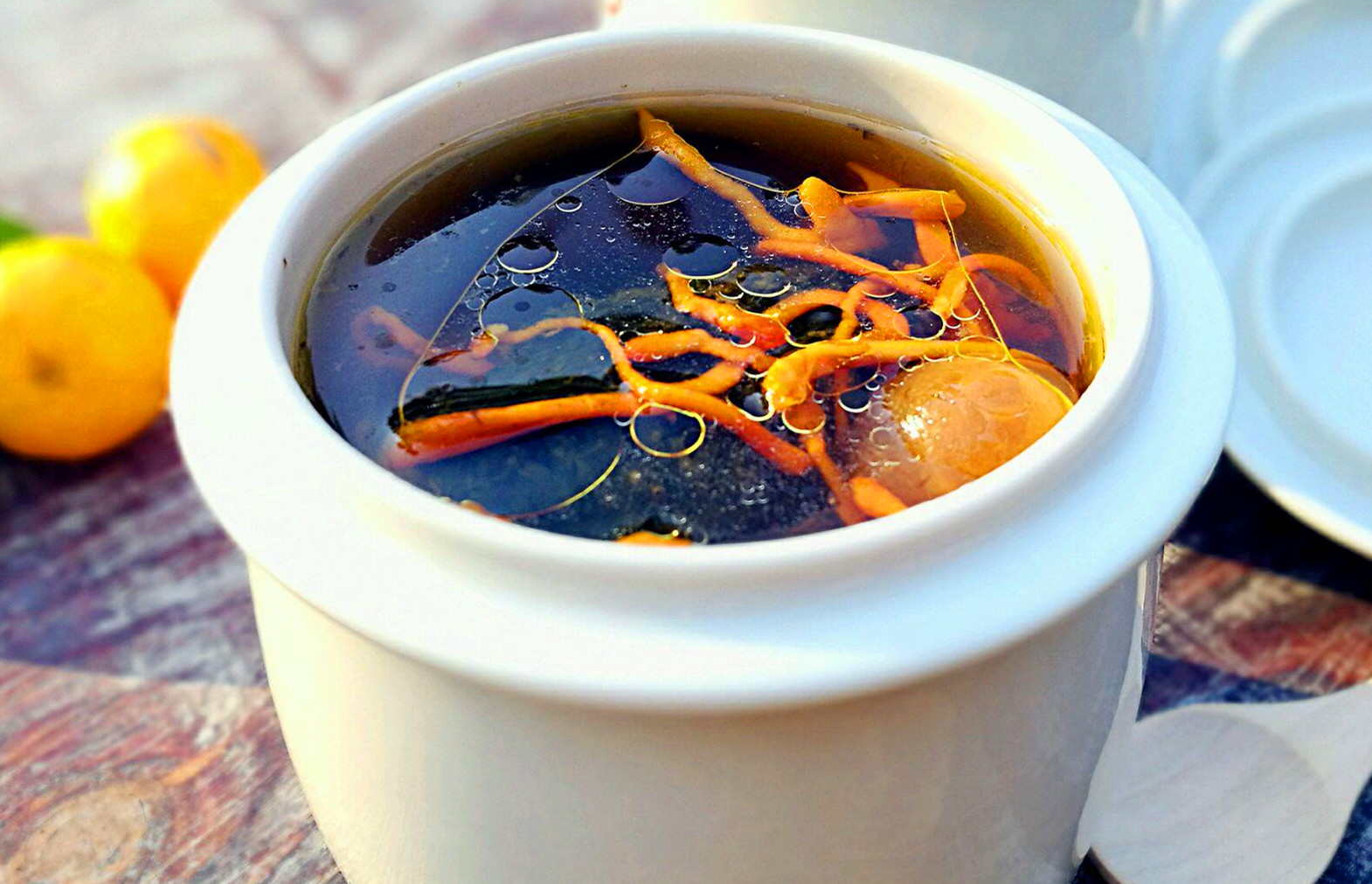
图 4-6-1 竹丝鸡虫草花汤 Fig. 4-6-1 bamboo silk chicken Cordyceps flower soup
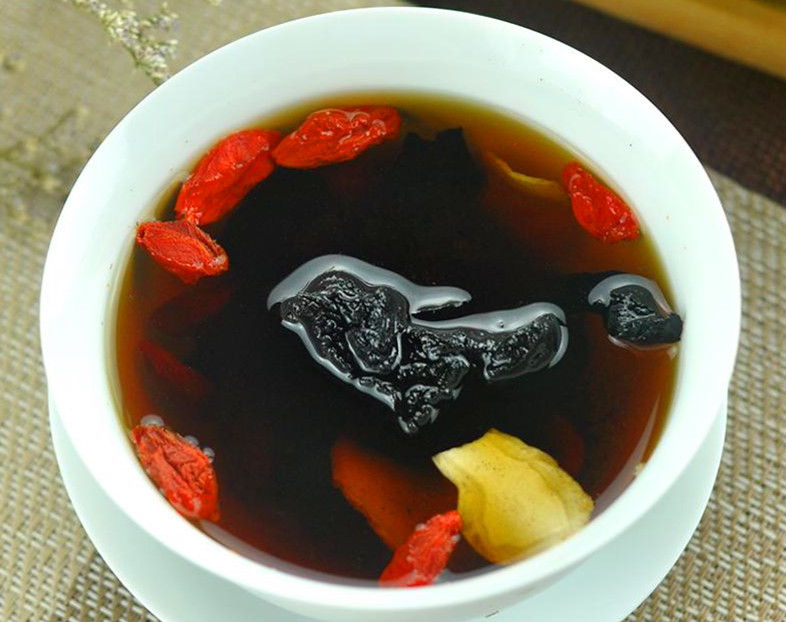
图 4-6-2 黄精枸杞牛尾汤 Fig. 4-6-2 Huangjing medlar oxtail Decoction