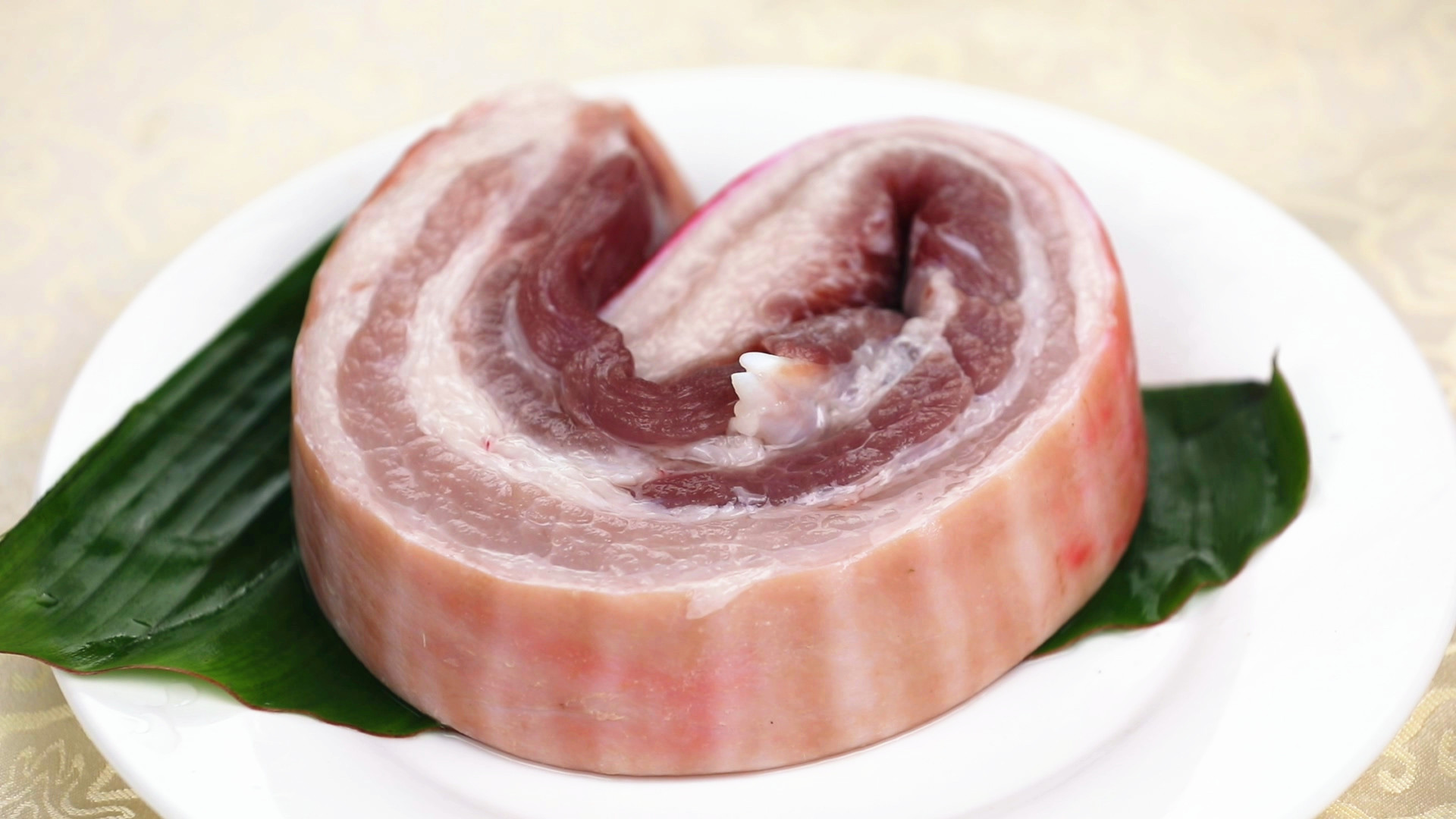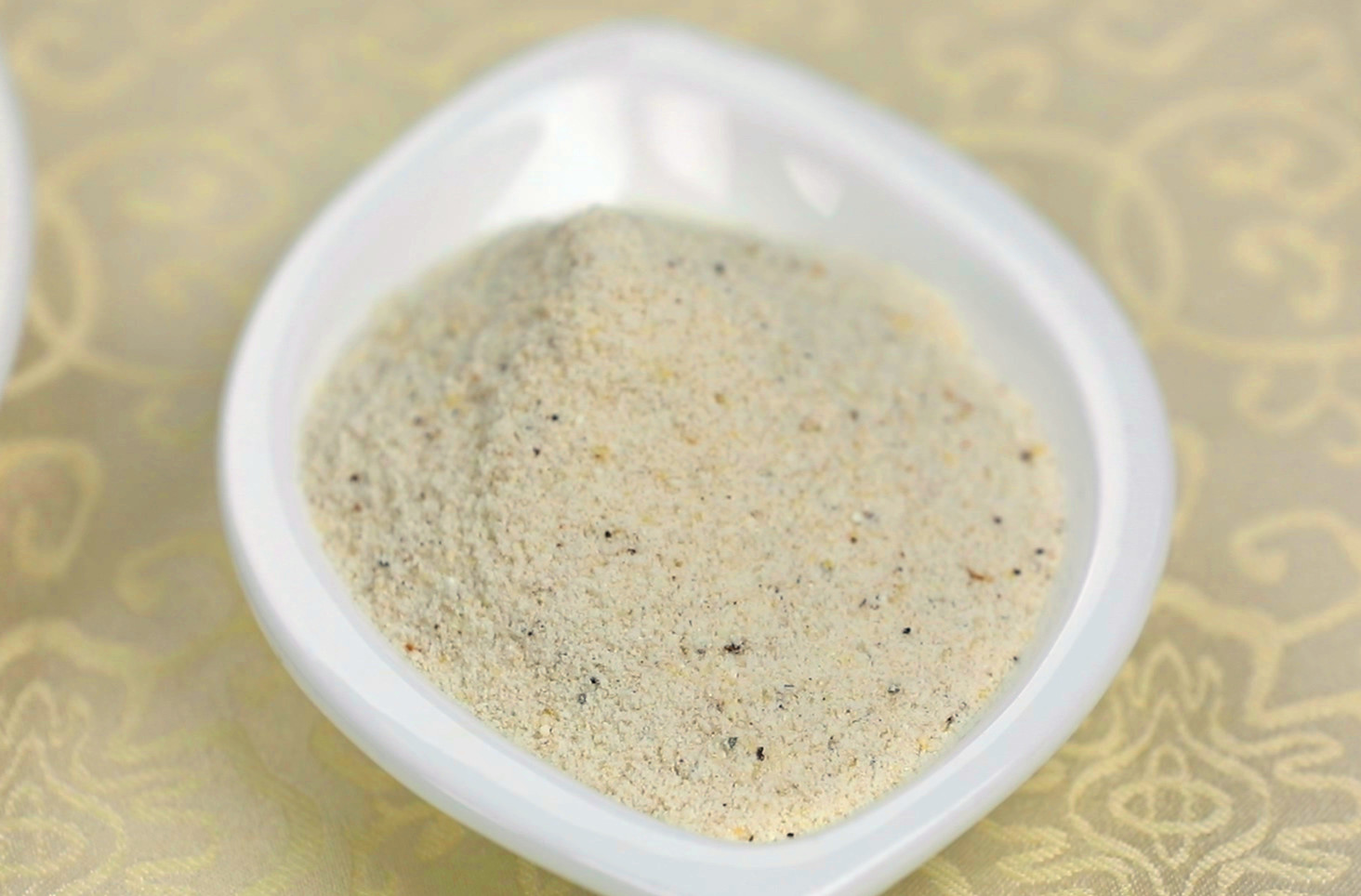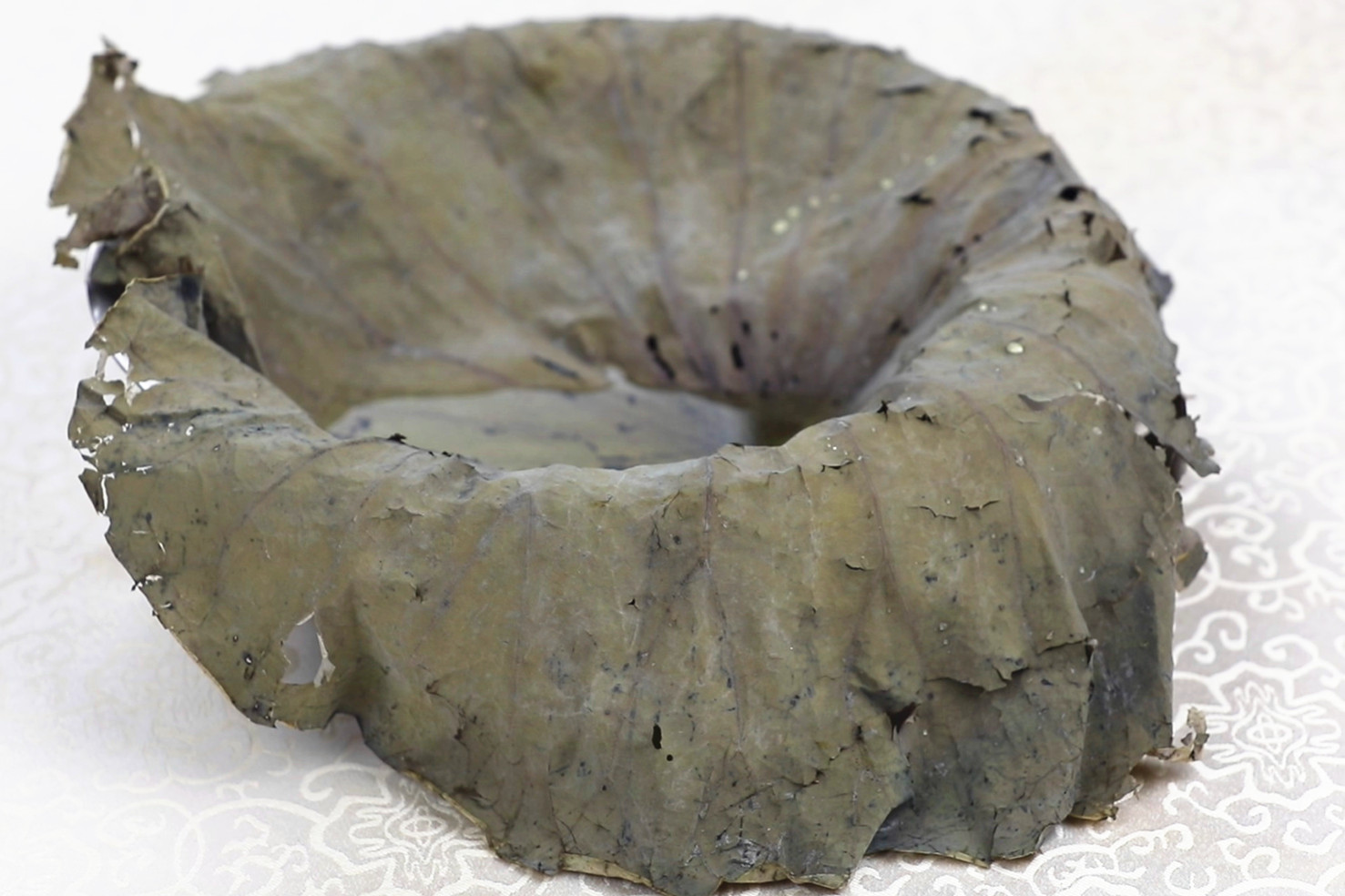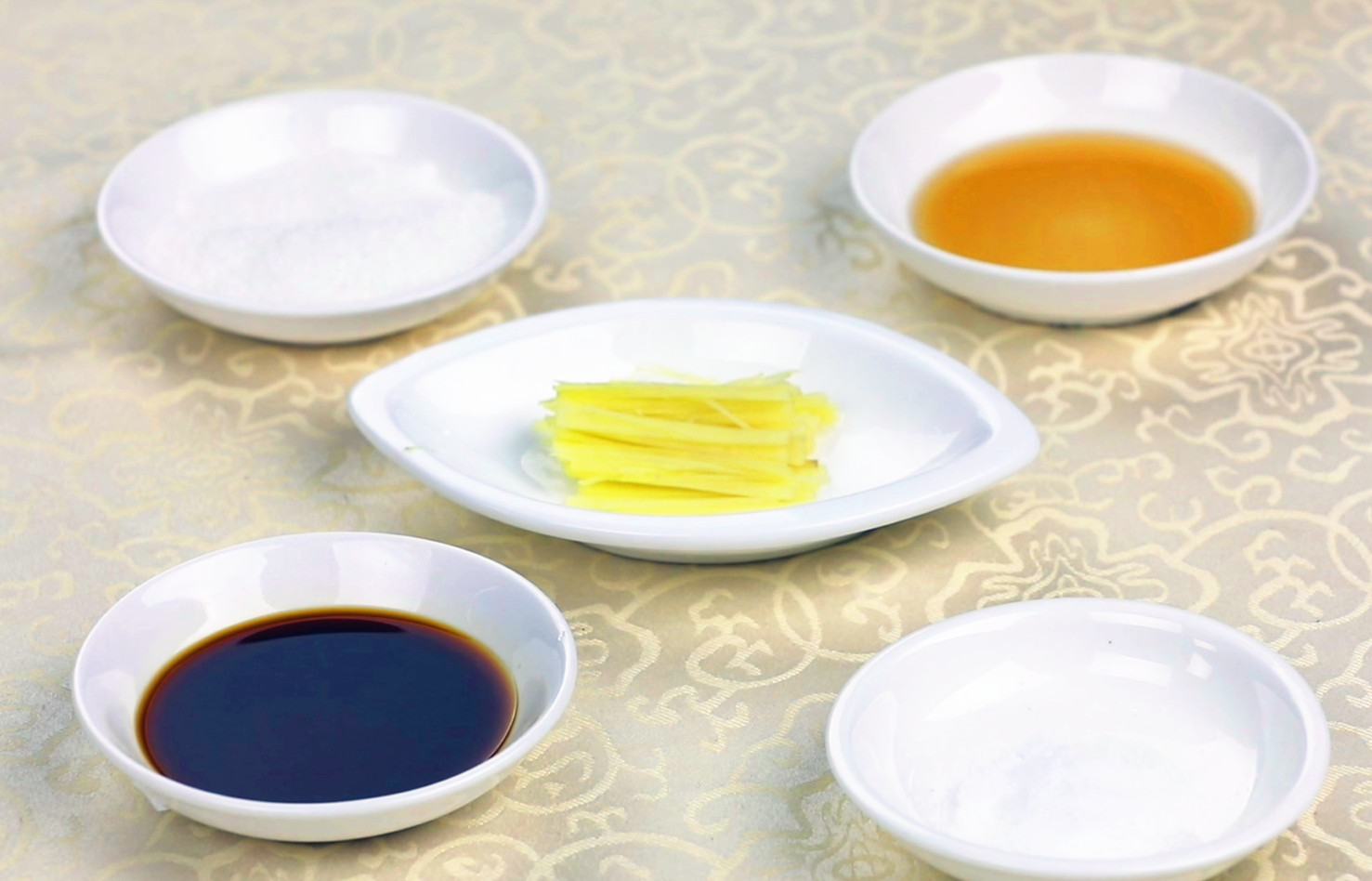
-
1 知识储备——粉蒸...
-
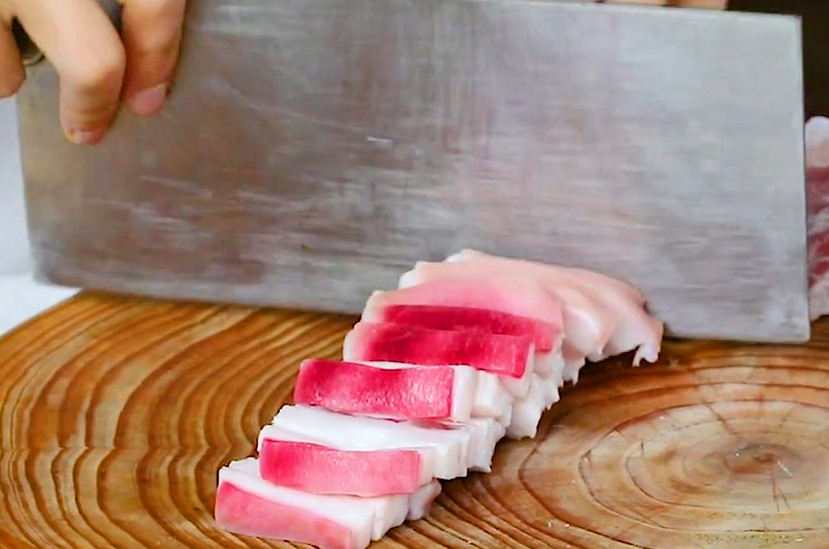
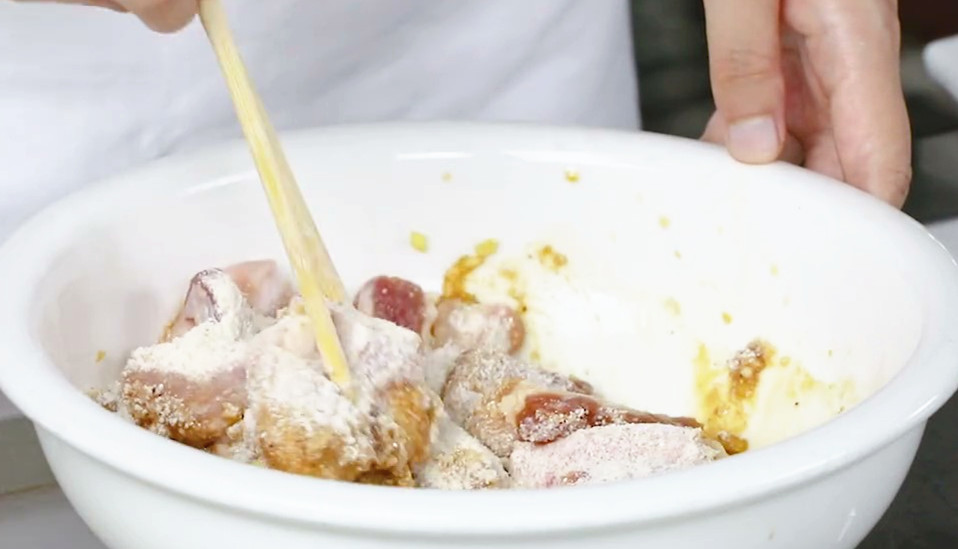
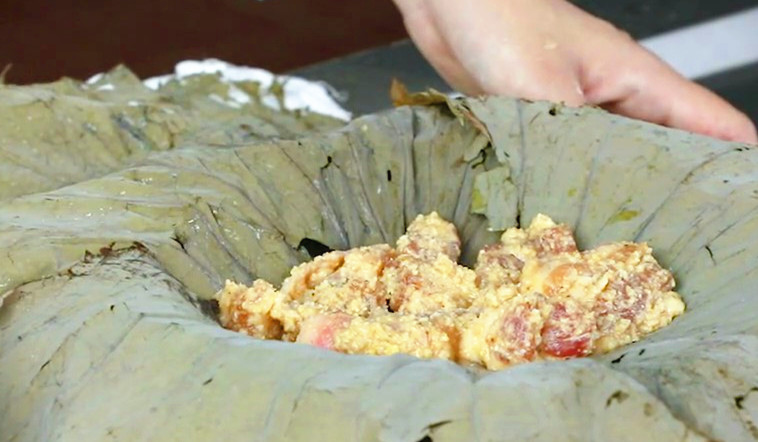
2 实训示例——荷叶...
-
3 拓展学习资料
知识储备——粉蒸
Knowledge reserve——Dteaming with flour technique
【技法介绍】/Introduction to techniques
将初加工的食材(调味后)表面裹一层粉,通过旺火足气和长时间的蒸制加热,使调味料充分浸透食材,并使其软烂的一种蒸制方法称为粉蒸法。通常的蒸制方法会使汤汁增多,食材味道变淡,而裹入粉后,粉会吸收汤汁,弥补缺点,食材在软烂的同时,自身鲜味和调味料一体化形成更醇厚的风味,所以粉蒸是比较合理的科学烹调方法。
A steaming method is called powder steaming method, which wraps a layer of powder on the surface of the primary processed ingredients (after seasoning) and makes the seasoning fully soaked in the ingredients and soft and rotten by steaming and heating for a long time. The usual steaming method will increase the soup and weaken the taste of the ingredients. After wrapping in the powder, the powder will absorb the soup and make up for the shortcomings. While the ingredients are soft and rotten, their own freshness and seasoning are integrated to form a more mellow flavor. Therefore, powder steaming is a more reasonable and scientific cooking method.
粉蒸有两大优势,一是能够吸油腻,与脂肪丰富的肉类食材配合蒸制可以减轻油腻,既能保持肉质鲜香不腻,又增加了味的温和,使淡而无味的米粉也变为美味,故有“米粉蒸肉,粉比肉香”之说。二是保持水分,与含水量大的蔬菜类食材蒸制,会吸收蔬菜受热溢出的水分,从而保持了蔬菜固有的清、鲜、香,也增加了成品的糍糯性,使蔬菜更加可口。
Flour steaming has two advantages. One is that it can absorb greasy. Steaming with fat rich meat ingredients can reduce greasy. It can not only keep the meat fresh and fragrant, but also increase the mild taste, making the tasteless rice flour delicious. Therefore, it is said that "rice flour steams meat, and the powder is more fragrant than meat". The second is to maintain water. Steaming with vegetables with high water content will absorb the water overflowed by the heat of the vegetables, so as to maintain the inherent clarity, freshness and fragrance of the vegetables, increase the glutinous nature of the finished products, and make the vegetables more delicious.
【技法要求】/Technical requirements
1.制粉原料首选籼米。籼米胀性较大,能吸收水分,并且散齿,不像粳米糯性太强,成品口感太粘。
1. Indica rice is the preferred raw material for milling. Indica rice is bulky, can absorb water, and loose teeth. Unlike japonica rice, it is too waxy and the finished product tastes too sticky.
2.制作米粉时荤粗素细。米磨成粉后,用细筛筛几下,将粗米粉和细米粉分开,粗米粉用来制作荤类粉蒸菜,细米粉用来制作素类粉蒸菜。
2. When making rice noodles, meat is coarse and vegetables are fine. After the rice is ground into powder, use a fine sieve to separate the coarse rice flour from the fine rice flour. The coarse rice flour is used to make meat flour steamed dishes, and the fine rice flour is used to make vegetarian flour steamed dishes.
3.蒸脂肪少的食材时拌粉后要淋入熟油。比如脂肪较少的牛羊肉、鱼类或者蔬菜等食材,加入一些熟猪油或者植物油,以弥补脂肪的不足,防止成品发干,使其口感更爽滑。
3. When steaming ingredients with less fat, pour cooked oil after mixing powder. For example, beef, mutton, fish or vegetables with less fat, add some cooked lard or vegetable oil to make up for the lack of fat, prevent the finished product from drying and make it taste more smooth.
4.食材与米粉的比例要恰当。食材与米粉的比例一般控制在3:1左右。
4. The proportion of ingredients to rice flour should be appropriate. The ratio of ingredients to rice flour is generally controlled at about 3:1.
【代表菜品】/Representative dishes
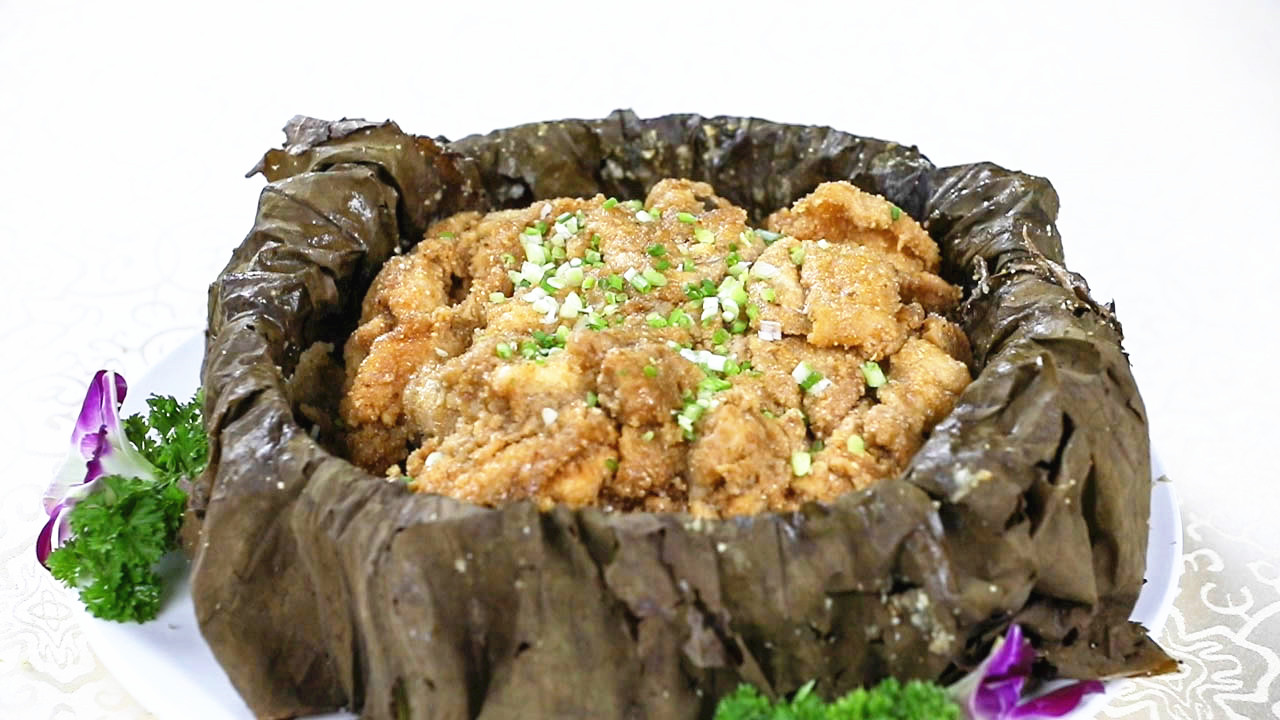
四川菜“粉蒸排骨”(见图4-3-1)“粉蒸五花肉”,湖南菜“粉蒸芋头”“翠竹粉蒸鱼”,河南菜“玫瑰腐乳粉蒸排骨”“粉蒸鸡块”“粉蒸四季豆”,浙江菜“荷叶粉蒸肉”(见图4-3-2),江西菜“婺源粉蒸鱼”,清真菜“粉蒸牛肉”等。
Sichuan cuisine "steamed pork ribs with powder" (see figure 4-3-1) "steamed pork with powder", Hunan cuisine "steamed taro with powder" and "steamed fish with bamboo powder", Henan cuisine "steamed pork ribs with rose bean curd powder", "steamed chicken nuggets with powder" and "steamed string beans with powder", Zhejiang cuisine "steamed meat with lotus leaf powder" (see figure 4-3-2), Jiangxi cuisine "steamed fish with Wuyuan powder", halal cuisine "steamed beef with powder", etc.
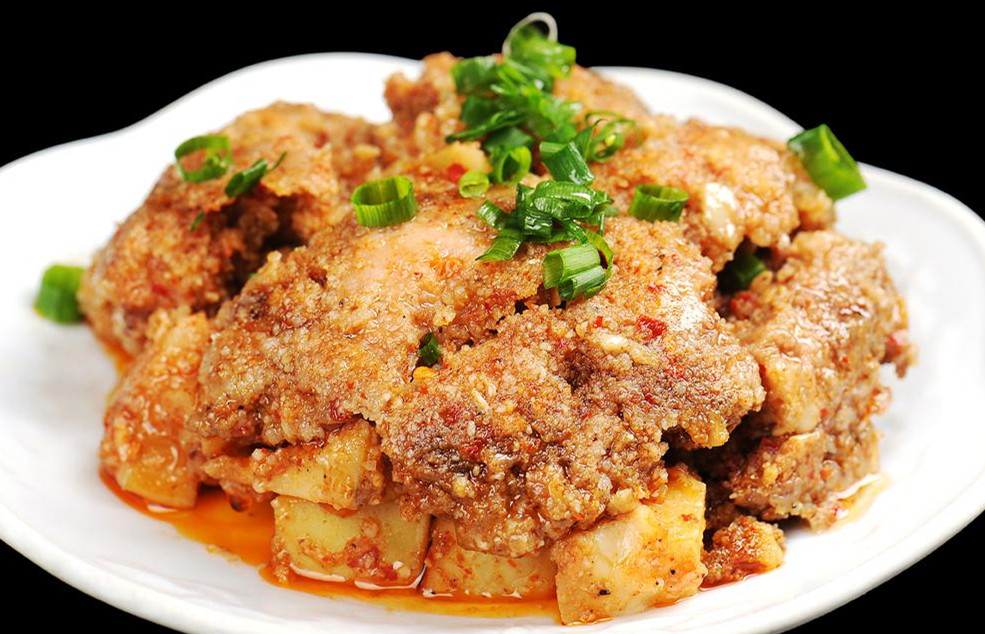
图 4-3-1 粉蒸排骨 Fig. 4-3-1 steamed spare ribs with flour
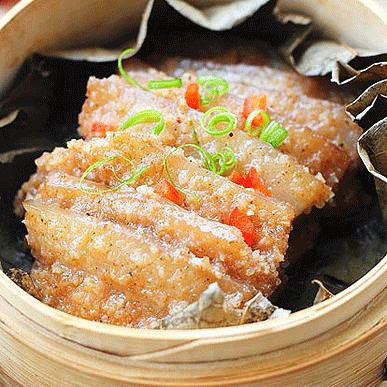
图 4-3-2 荷叶粉蒸肉 Fig. 4-3-2 steamed pork with lotus leaf powder