-
1 知识储备——干蒸...
-
2 实训示例——干蒸腊肠
-
3 拓展学习资料(&nb...
知识储备——干蒸
Knowledge reserve——Dry steaming technique
【技法介绍】/Introduction to techniques
干蒸又称旱蒸,是从清蒸衍生而来的一种蒸法。将原料装盘后,只加调料,不加汤水,加盖或用猪网油盖面,或用皮纸封口,在蒸的时候阻止蒸汽水分进入,这种加热工序叫干蒸法。“干蒸”的原料加工处理和操作要复杂一些,原料先要腌渍出基础味,再经洗净、水焯紧缩或过油处理增香、上色等工序,然后装盘密封,蒸制以后浇上味汁或蘸调味汁食用,特点是味清、汁少、软嫩。
1.Dry steaming, also known as dry steaming, is a steaming method derived from clear steaming. After the raw materials are loaded on the plate, only seasoning is added without soup, covered or covered with pig net oil, or sealed with leather paper to prevent the entry of steam and water during steaming. This heating process is called dry steaming. The processing and operation of raw materials for "dry steaming" should be more complicated. The raw materials should be pickled to produce the basic flavor, and then washed, boiled and tightened or oiled to increase flavor and color, and then loaded and sealed. After steaming, pour flavor juice or dip in seasoning juice. It is characterized by clear taste, less juice and soft and tender.
干蒸多用于菜肴成品要求色白味清、质地鲜嫩或耙糯的菜肴,以及高档菜式中的鸡糕、鱼糕、肉糕、虾糕等半成品。干蒸菜式由于味清淡而滋汁少,因此,通常在走菜上桌时要灌好汤、或挂白汁、糖清、味汁,或配味碟。有的还要再经煎炸最后成菜。
2.Dry steaming is mostly used for dishes with white and clear taste, fresh and tender texture or waxy rake, as well as semi-finished products such as chicken cake, fish cake, meat cake and shrimp cake in high-end dishes. Dry steamed dishes have less juice due to their light taste. Therefore, it is usually necessary to fill the soup, or hang white juice, sugar clear, flavor juice, or match with flavor dishes when the dishes are served. Some have to be fried and finally become vegetables.
【技法要求】/Technical requirements
1.原料选择适合新鲜质嫩的原料,动植物性原料均可,以动物性原料为主,如鲜活的家畜、家禽、鱼类、虾蟹和贝类。也可以选择腊制原料,如腊肠、腊肉、腊鸡、腊鱼等。
1. Choose fresh and tender raw materials, animal and plant raw materials, mainly animal raw materials, such as fresh livestock, poultry, fish, shrimp, crab and shellfish. You can also choose wax raw materials, such as sausage, bacon, cured chicken, cured fish, etc.
2.鲜活原料进行干蒸前一般以小型自然形态或以块状、条状、厚片、大丁为主;腊制原料一般是蒸熟后再根据需要将原料加工成片、条、块等。
2. Before dry steaming, fresh raw materials are generally in small natural form or mainly in block, strip, thick piece and diced; Wax raw materials are usually steamed and then processed into pieces, strips, blocks, etc.
3.调味方面以咸鲜昧为主,可配味碟,如姜汁味碟、芥末味碟等,还可将调味汁浇淋在原料上;如果是腊制原料一般不需要做任何调味。
3. In terms of seasoning, it is mainly salty and fresh. It can be matched with flavor dishes, such as ginger juice dishes and mustard dishes. It can also pour the seasoning juice on the raw materials; If it is a wax raw material, it generally does not need to make any seasoning.
4.蒸制时需要加盖或用网油、保鲜膜覆盖,主要目的是保持原味。
4. During steaming, it is necessary to cover or cover with mesh oil and fresh-keeping film, mainly to maintain the original flavor.
【代表菜品】/Representative dishes
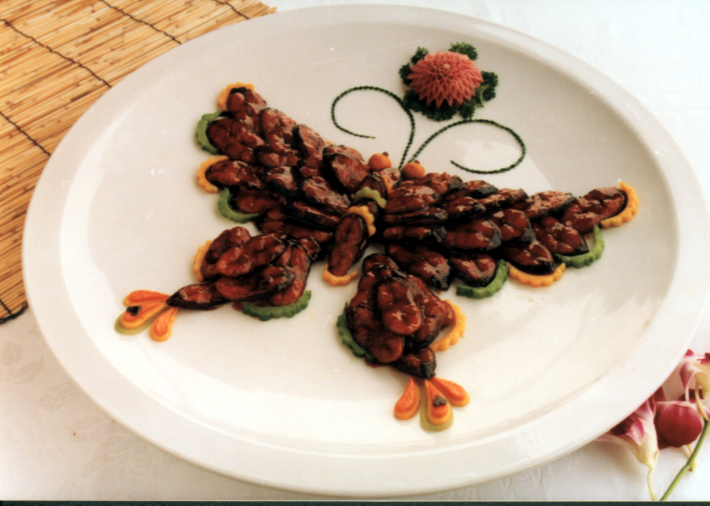
四川菜“龙眼甜烧白”,山西菜“八宝饭”(见图4-2-1),广东菜“旱蒸甲鱼”,云南菜“干蒸香茅全鸡”,湖南菜“腊味合蒸”(见图4-2-1),广西菜“旱蒸剑骨鱼”,宁夏菜“干蒸全羊”,河南菜“宫廷旱蒸鸡”等。
"Dried chicken" in Ningxia, steamed "dried chicken" in Guangxi, steamed "dried turtle" in Guangxi, steamed "dried chicken" in Sichuan, steamed "dried fish" in Hunan, etc. (see figure 1-4-4).
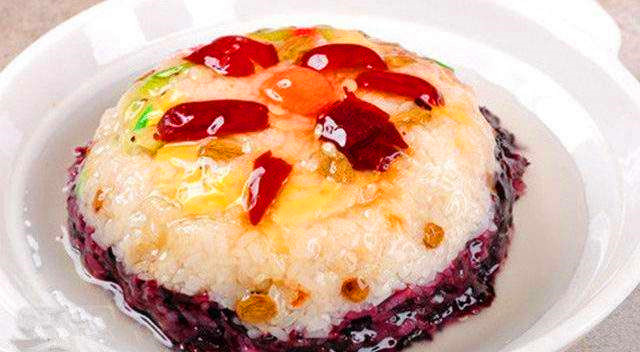
图 4-2-1 八宝饭 Fig. 4-2-1 eight treasure rice
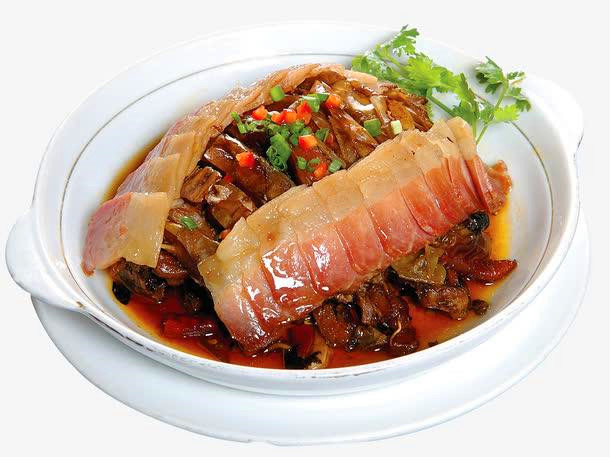
图 4-2-2 腊味合蒸 Fig. 4-2-2 combined steaming of cured meat