-
1 知识储备——清蒸...
-
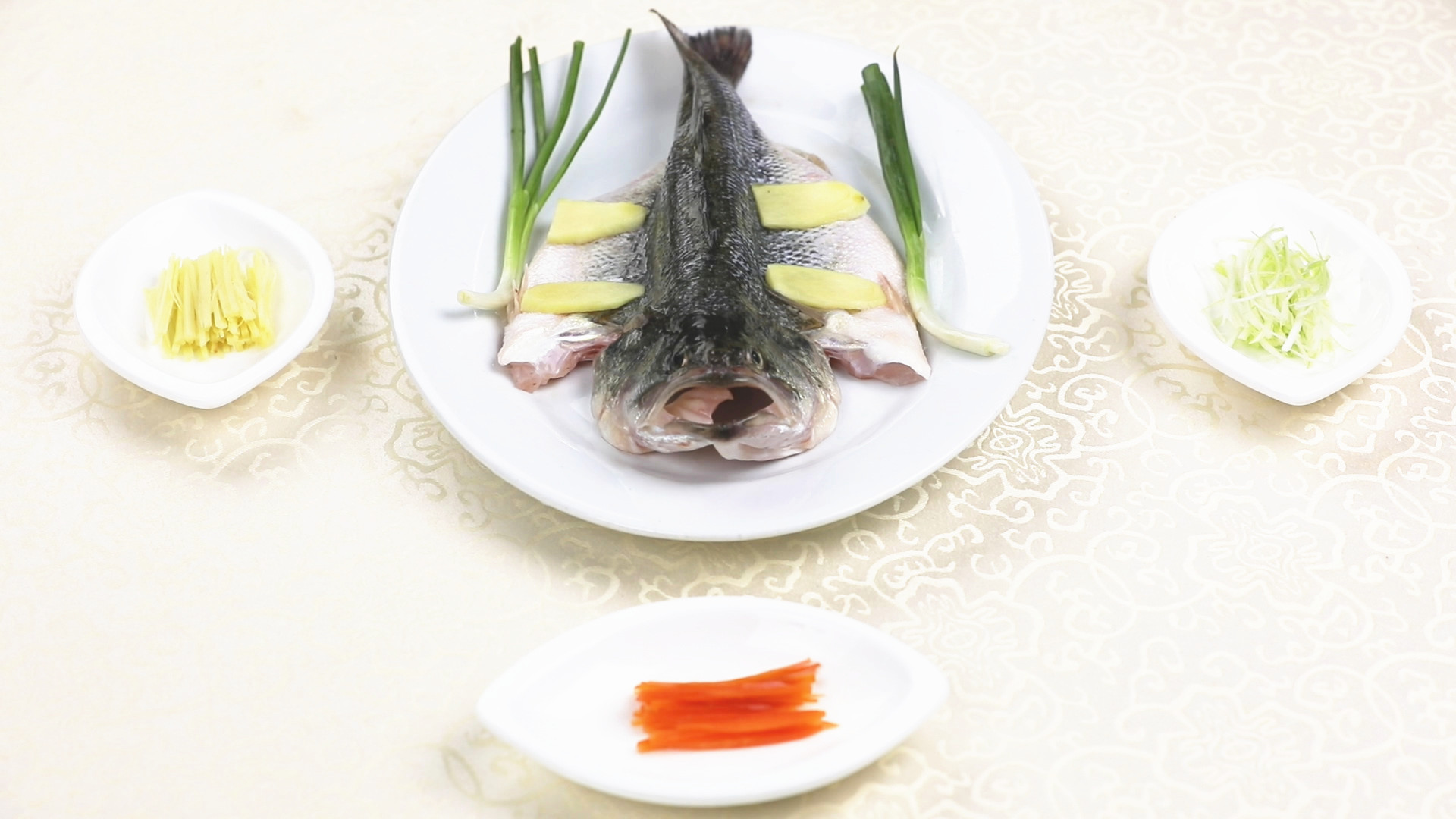
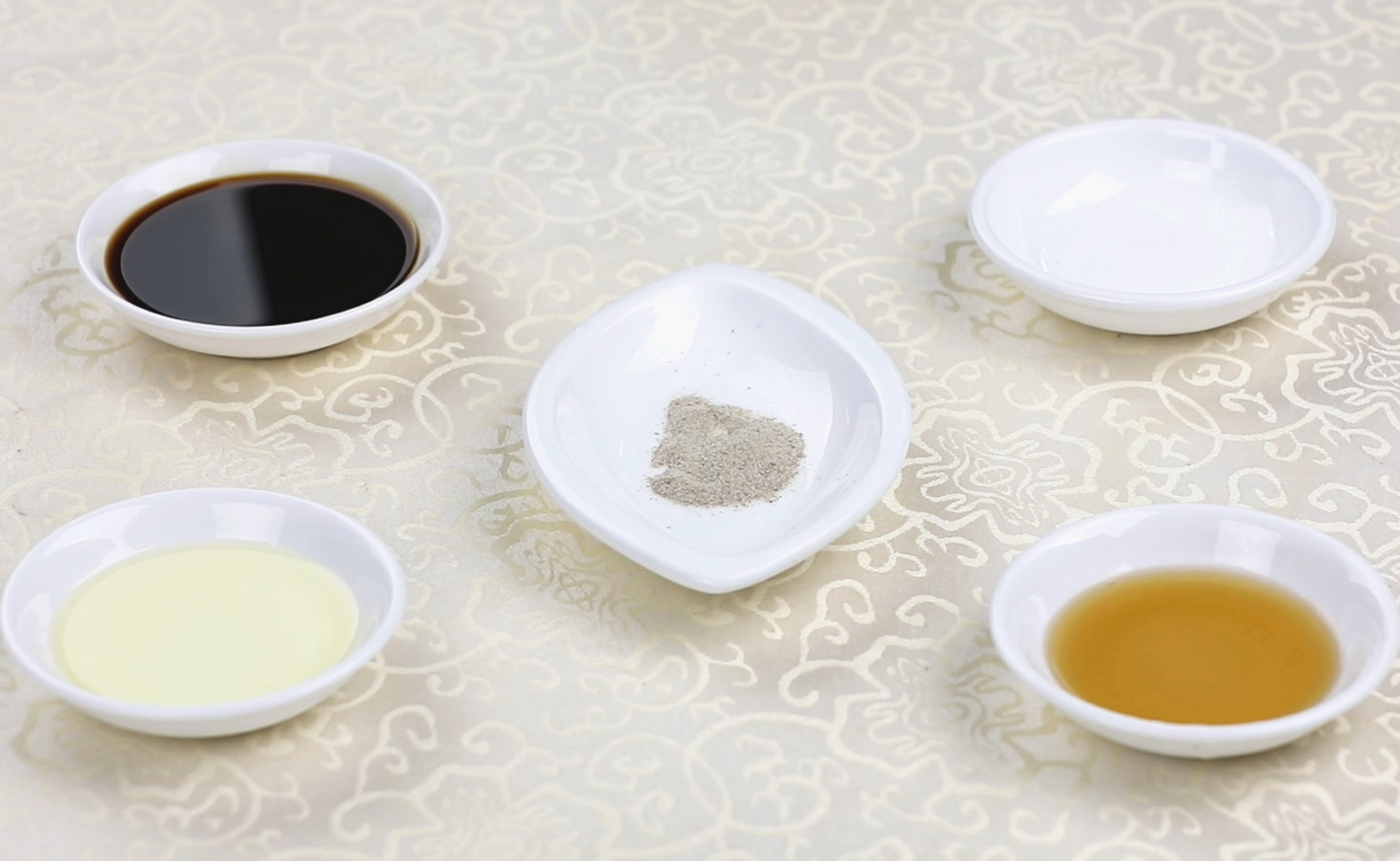
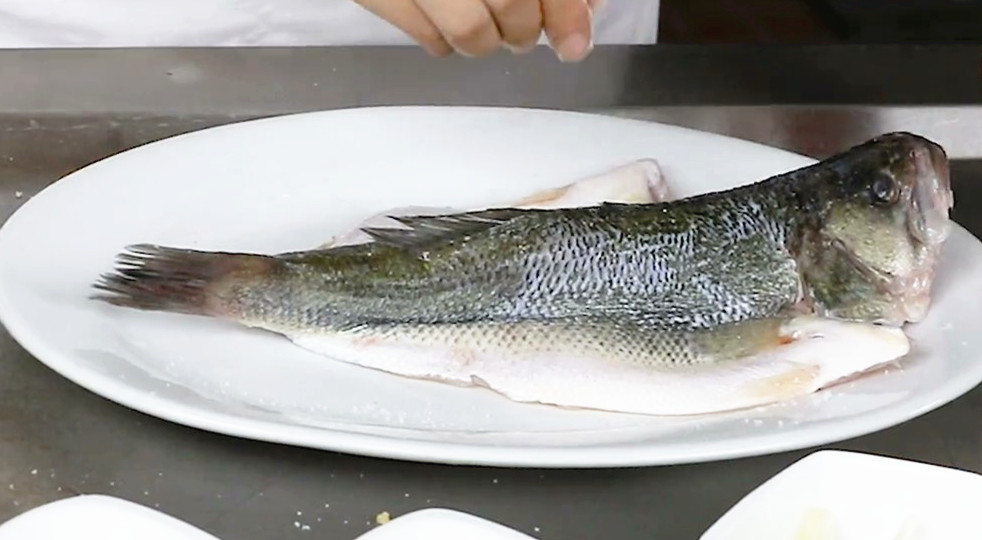
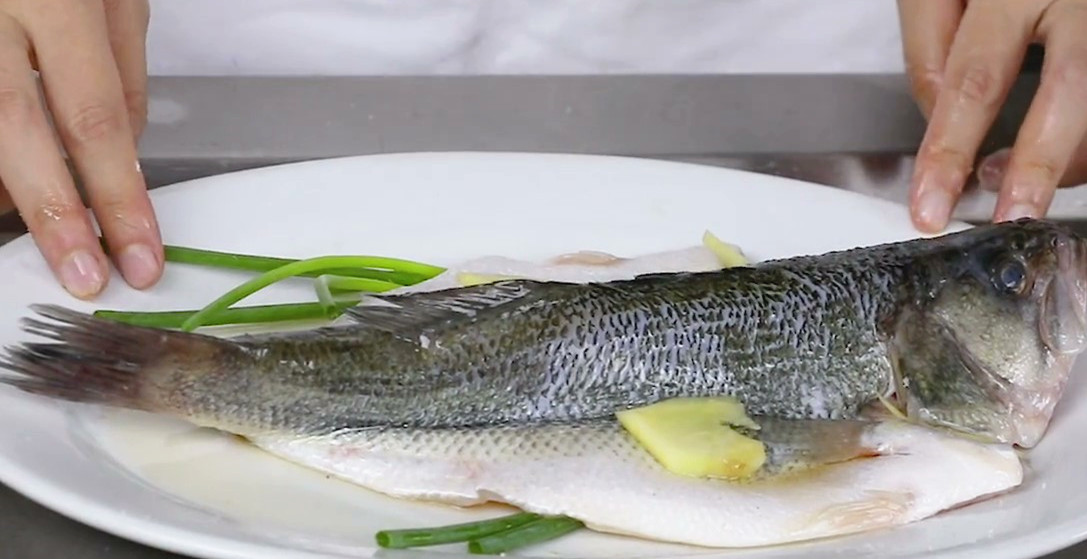
2 实训示例——清蒸...
-
3 拓展学习资料(&nb...
知识储备——清蒸
Knowledge reserve——Steaming technique
【技法介绍】/Introduction to techniques
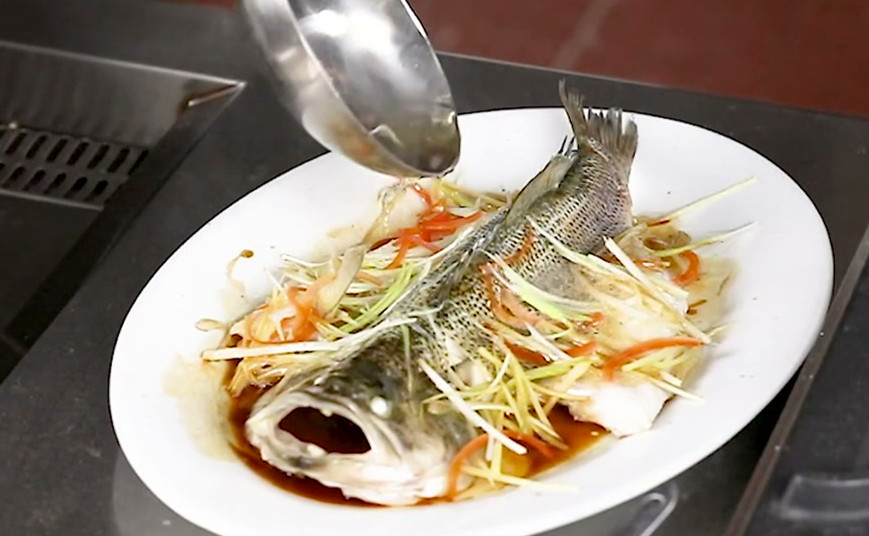
将预处理好的新鲜食材,配上佐料及辅料直接放于锅中,将锅盖盖好蒸熟,这种烹调技法叫清蒸法。清蒸是常用烹饪方法之一。使用清蒸方法制作的菜品,原汁原味,味道清鲜,且能够最大程度保留食材的营养物质,因而被公认为是最健康的烹饪方法。
Put the pretreated fresh ingredients, together with seasonings and accessories, directly into the pot, cover the pot and steam it. This cooking technique is called steaming. Steaming is one of the common cooking methods. The dishes made by steaming method have original juice and flavor, fresh taste, and can retain the nutrients of food materials to the greatest extent. Therefore, it is recognized as the healthiest cooking method.
采用清蒸技法制成的菜肴具有本色、汤清、质地鲜嫩或软熟,鲜咸醇厚,清鲜爽口的特点。适用于蒸制鸡、鸭、鱼、肉类等。
The dishes made by steaming technique have the characteristics of natural color, clear soup, fresh, tender or soft texture, fresh, salty, mellow, fresh and refreshing. Suitable for steaming chicken, duck, fish, meat, etc.
【技法要求】/Technical requirements
1.选用新鲜程度较高的原料,加工要求精细。在清蒸前,根据原料性质和成菜要求,选择直接生蒸还是进行焯水处理后达到紧皮或断生的程度后再蒸都要求原料足够新鲜。
1. Select raw materials with high freshness and fine processing requirements. Before steaming, according to the nature of raw materials and the requirements of finished dishes, choose direct raw steaming or blanching and then steaming after reaching the degree of tight skin or broken raw, which requires that the raw materials are fresh enough.
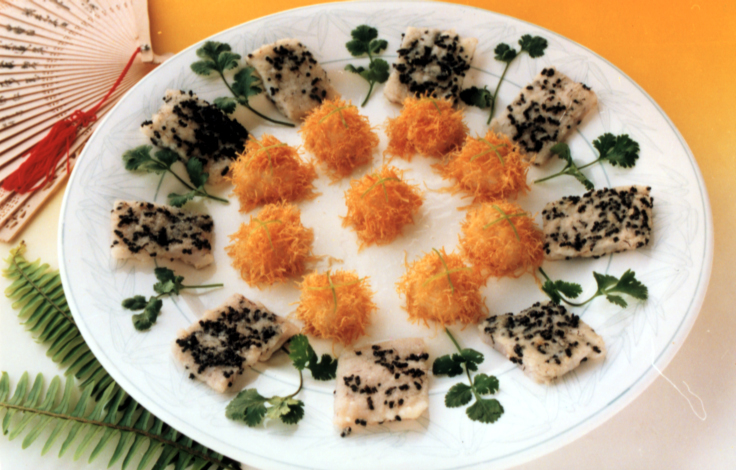
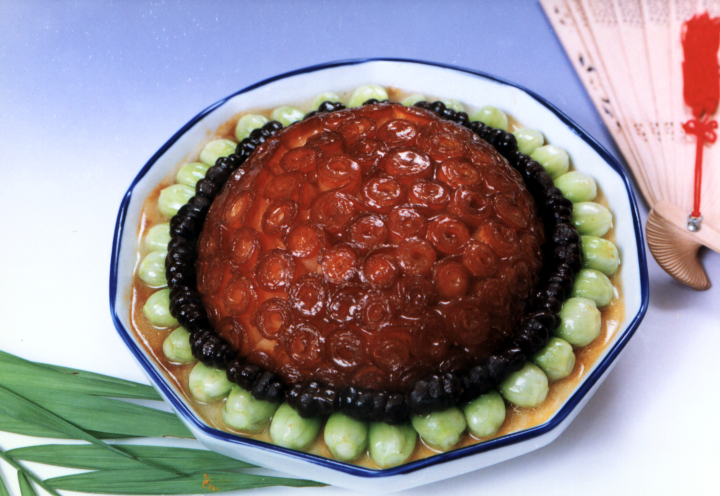
2.熟悉清蒸菜品装盛的两种方法。一种是原盘上桌,称明定装盘,是指原料按一定形态顺序装盛,蒸制后以原器皿上桌。如“芙蓉蛋”(见图4-1-1);另一种是换盘上桌,称暗定装盘,是指原料依据一定的顺序整齐排列在扣碗中,待蒸成菜品以后翻扣在另一盛器内上桌,故又称扣碗蒸法。如“香碗”(见图4-1-2)。
2. Be familiar with the two methods of steaming dishes. One is the original plate on the table, which is called the open fixed loading plate, which means that the raw materials are loaded in a certain form and order, and then steamed and served in the original utensils. Such as "Hibiscus egg" (see figure 4-1-1); The other is to change the plate and put it on the table, which is called concealed fixed plate. It refers to that the raw materials are orderly arranged in the buckle bowl according to a certain order, and then turned over and put it on the table in another container after steaming into dishes. Therefore, it is also called buckle bowl steaming method. Such as "fragrant bowl" (see figure 4-1-2).
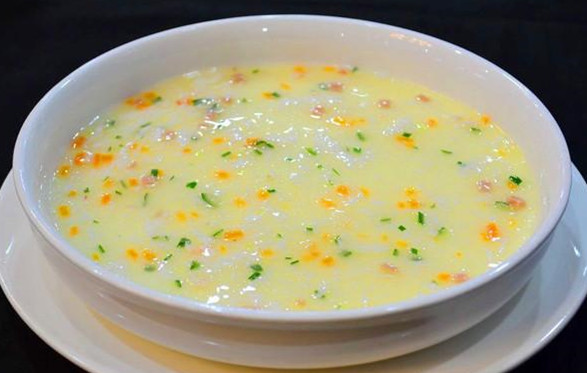
图 4-1-1 芙蓉蛋 Fig. 4-1-1 Hibiscus eggs
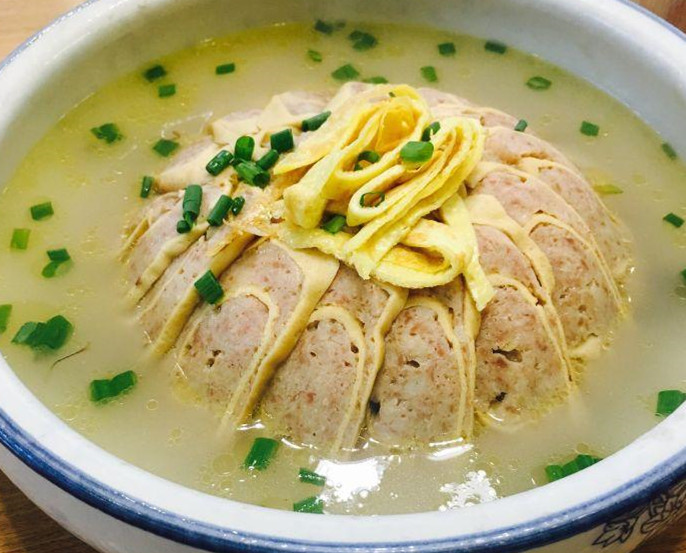
图 4-1-2 香碗 Fig. 4-1-2 fragrant bowl
3.调味方法要根据地区风味而定,是否加汤也各不相同。以“清蒸鱼”为例,江苏风味加水蒸制,保持本味;山东风味加鸡汤蒸制,以鸡鲜味与鱼鲜味合成一种复合鲜味;而广东一般不加汤,也不加水蒸制。
3. The seasoning method depends on the regional flavor, and whether to add soup or not is also different. Taking "steamed fish" as an example, Jiangsu flavor is steamed with water to maintain its flavor; Shandong flavor is steamed with chicken soup, and a compound flavor is synthesized from chicken flavor and fish flavor; Guangdong generally does not add soup or steam with water.
4.根据不同菜品的不同要求,应采取不同的火候。大块原料以旺火长时间蒸为好,鱼一般蒸8~10min为宜,条、片、丝状原料用旺火沸水速蒸为好。
4. According to the different requirements of different dishes, different heat should be adopted. Large raw materials should be steamed for a long time, fish should be steamed for 8 ~ 10min, and strip, slice and filamentous raw materials should be steamed quickly with high fire boiling water.
【代表菜品】/Representative dishes
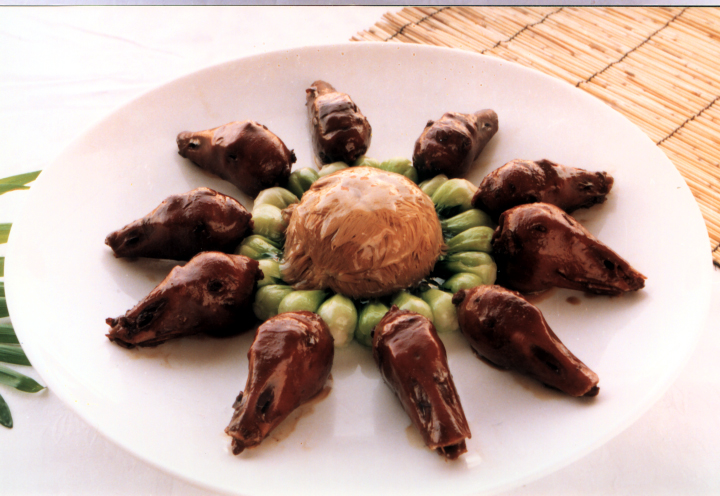
广西菜“清蒸黄蜂鱼”(见图4-1-3),湖北菜“清蒸鮰鱼”“清蒸武昌鱼”(见图4-1-4),江苏菜“清蒸鲥鱼”(见图4-1-5),广东菜“清蒸排骨”(见图4-1-6)“清蒸鲈鱼”,清真菜“生蒸羊肉”等。
Guangxi cuisine "steamed wasp fish" (see figure 4-1-3), Hubei cuisine "steamed catfish" and "steamed Wuchang fish" (see figure 4-1-4), Jiangsu cuisine "steamed shad" (see figure 4-1-5), Guangdong cuisine "steamed ribs" (see figure 4-1-6) "steamed bass", halal cuisine "raw steamed mutton", etc.
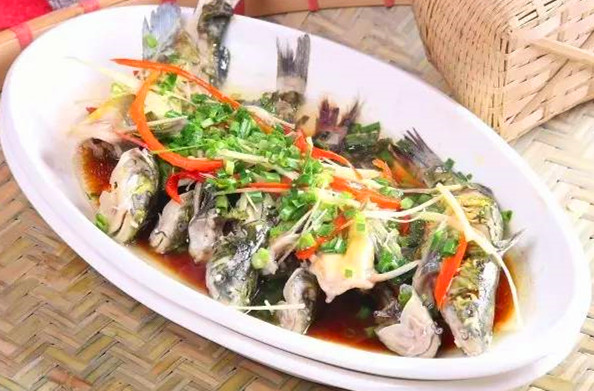
图 4-1-3 清蒸黄蜂鱼 Fig. 4-1-3 steamed wasp fish
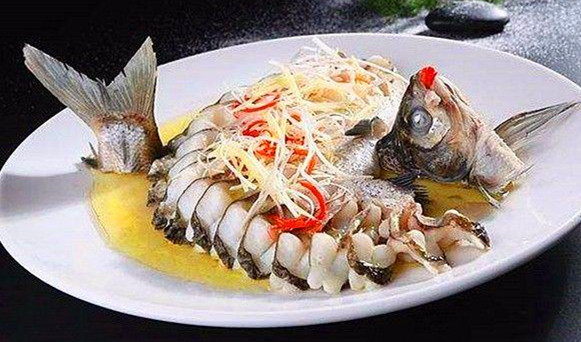
图 4-1-4 清蒸武昌鱼 Fig. 4-1-4 steamed Wuchang Fish
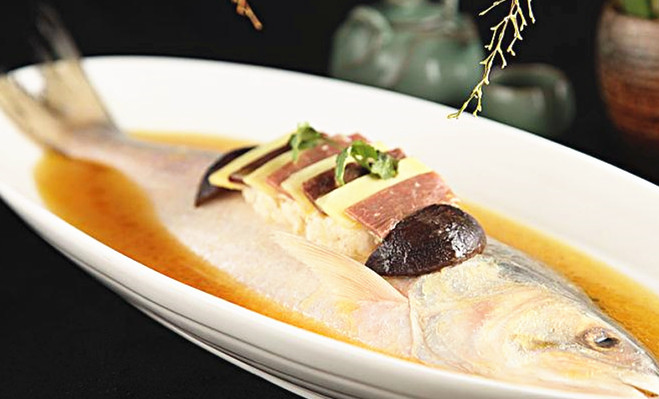
图 4-1-5 清蒸鲥鱼 Fig. 4-1-5 steamed shad
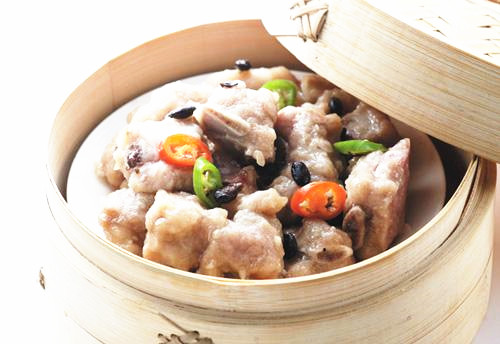
图 4-1-6 清蒸排骨 Fig. 4-1-6 steamed ribs