-
1 知识储备——焖法...
-
2 实训示例——红焖...
-
3 拓展学习资料(&nb...
知识储备——焖法
Knowledge reserve——Braiseing technique
【技法介绍】/Introduction to techniques
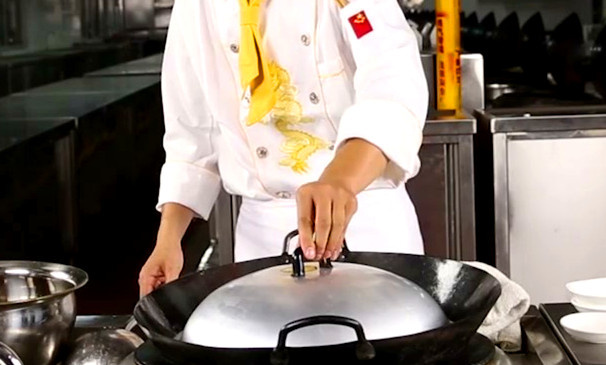
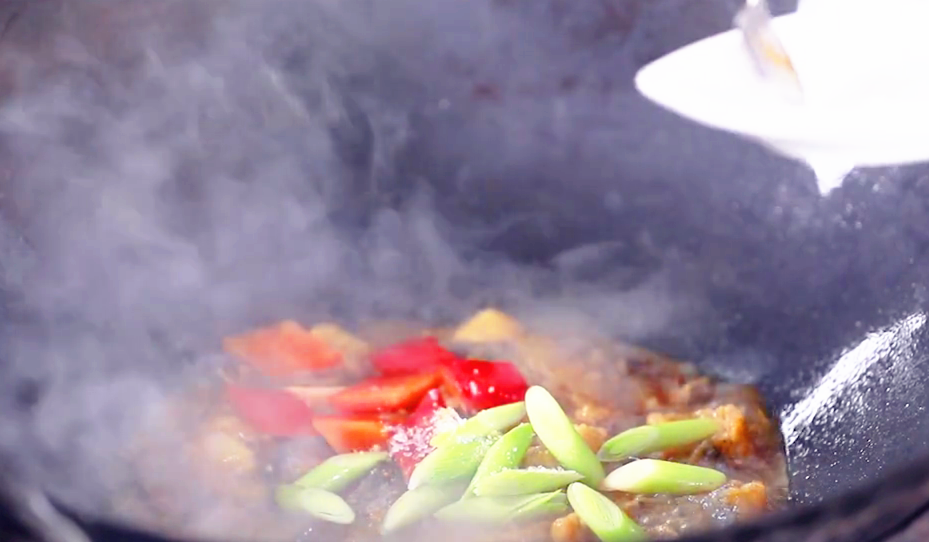
将加工成形的烹饪原料放入热锅中,加入配料、调味料,加入少量的汤水,盖上锅盖,长时间加热至汤汁收少,勾芡加尾油出锅,这种加热方法叫焖制技法。焖制技法在中餐烹调中广为应用,各个地方菜系以至城乡居民都普遍运用焖法制作莱肴。
Put the processed cooking materials into the hot pot, add ingredients and seasonings, add a small amount of soup, cover the pot, heat it for a long time until the soup is less, thicken it and add tail oil out of the pot. This heating method is called stewing technique. Stewing techniques are widely used in Chinese cooking. Stewing methods are widely used in local cuisines and even urban and rural residents to make Lai cuisine.
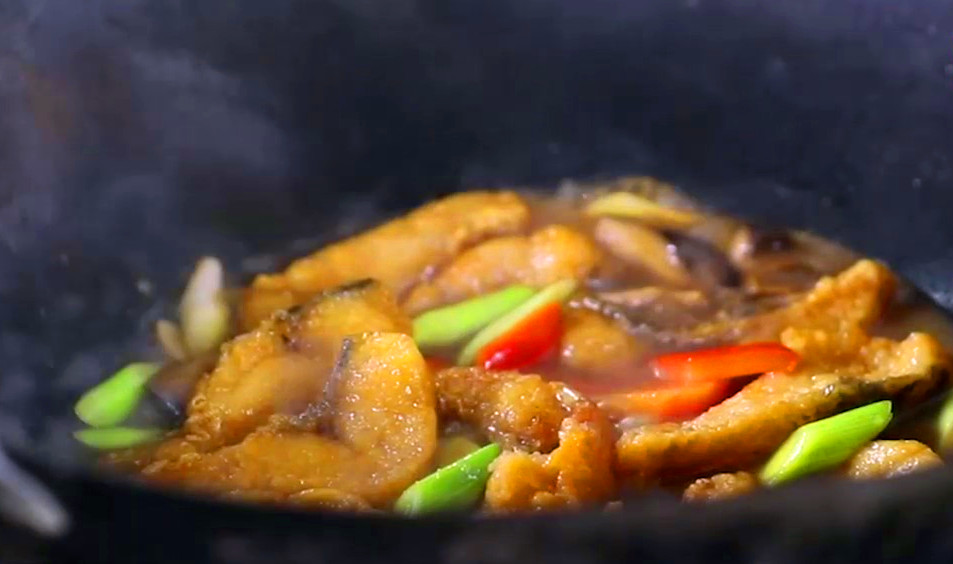
焖是从烧演变而来,它是把经过初步熟处理的原料放入锅中,加调味品和适量的汤汁,盖紧锅盖后,用小火长时间加热成熟的烹调方法。焖法可使莱肴形态完整,不碎不烂,汁浓味厚,而原料多用韧性较强、质地细腻的动物性原料,如鸡肉、猪肉、鱼肉等。根据菜品颜色有红焖、黄焖等。红焖色重,多为深红色;黄焖色浅,多为金黄色。根据加热方式与器皿有锅中焖、蒸后浇汁焖等;也有罐焖、坛子焖以及竹筒焖等。
Stewing evolved from burning. It is a cooking method that puts the raw materials that have been preliminarily cooked into the pot, adds seasoning and an appropriate amount of soup, tightens the lid of the pot, and heats it over a low heat for a long time. Stewing method can make Lai cuisine complete in shape, not broken or rotten, thick in juice, and the raw materials are mostly animal raw materials with strong toughness and fine texture, such as chicken, pork, fish and so on. According to the color of the dishes, there are red stew, yellow stew, etc. Red stew has heavy color, mostly dark red; Yellow stew is light in color, mostly golden yellow. According to the heating method and utensils, there are stewing in pot, stewing with juice after steaming, etc; There are also pot stew, jar stew and bamboo tube stew.
【技法要求】/Technical requirements
1.主料大多需要经过初步熟处理,一般采用焯水、走油或走红的熟处理方式,这样可有效缩短正式烹调时间和减少浮沫,确保原料的上色,保证成菜效果。
1. Most of the main ingredients need to be preliminarily cooked. Generally, the cooking methods of blanching, oil or popularity are adopted, which can effectively shorten the formal cooking time and reduce floating foam, ensure the coloring of raw materials and ensure the effect of cooking.
2.焖制过程需要加盖,且要求一次性添足汤水和调好味,汤水太多,会影响收汁效果,而汤水太少,则容易造成原料尚未成熟酥烂,汤汁却已经干枯;调味料也应该一次性加足,但不宜过多,特别是成味要控制好。
2. The stewing process needs to be covered, and it is required to add enough soup and adjust the taste at one time. Too much soup will affect the juice collection effect, while too little soup will easily cause the raw materials to be immature and crisp, but the soup has dried up; Seasoning should also be added enough at one time, but not too much, especially the flavor should be well controlled.
3.焖菜的汤汁不可多。有些焖菜要不停的晃动锅使锅中的原料在锅内运动,防止粘锅、烧糊;也可在焖制之前在锅底码放一层葱、姜或竹箅子。
3. The soup of stewed vegetables should not be too much. Some stews shake the pot constantly to make the raw materials in the pot move in the pot to prevent sticking and burning; You can also stack a layer of scallion, ginger or bamboo grate at the bottom of the pot before stewing.
4.焖制时根据成菜需要,可以采用陶罐、坛子、砂锅、石锅及铁锅等器具进行焖制。
4. When stewing, according to the needs of dishes, pottery pots, jars, casseroles, stone pots and iron pots can be used for stewing.
【代表菜品】/Representative dishes
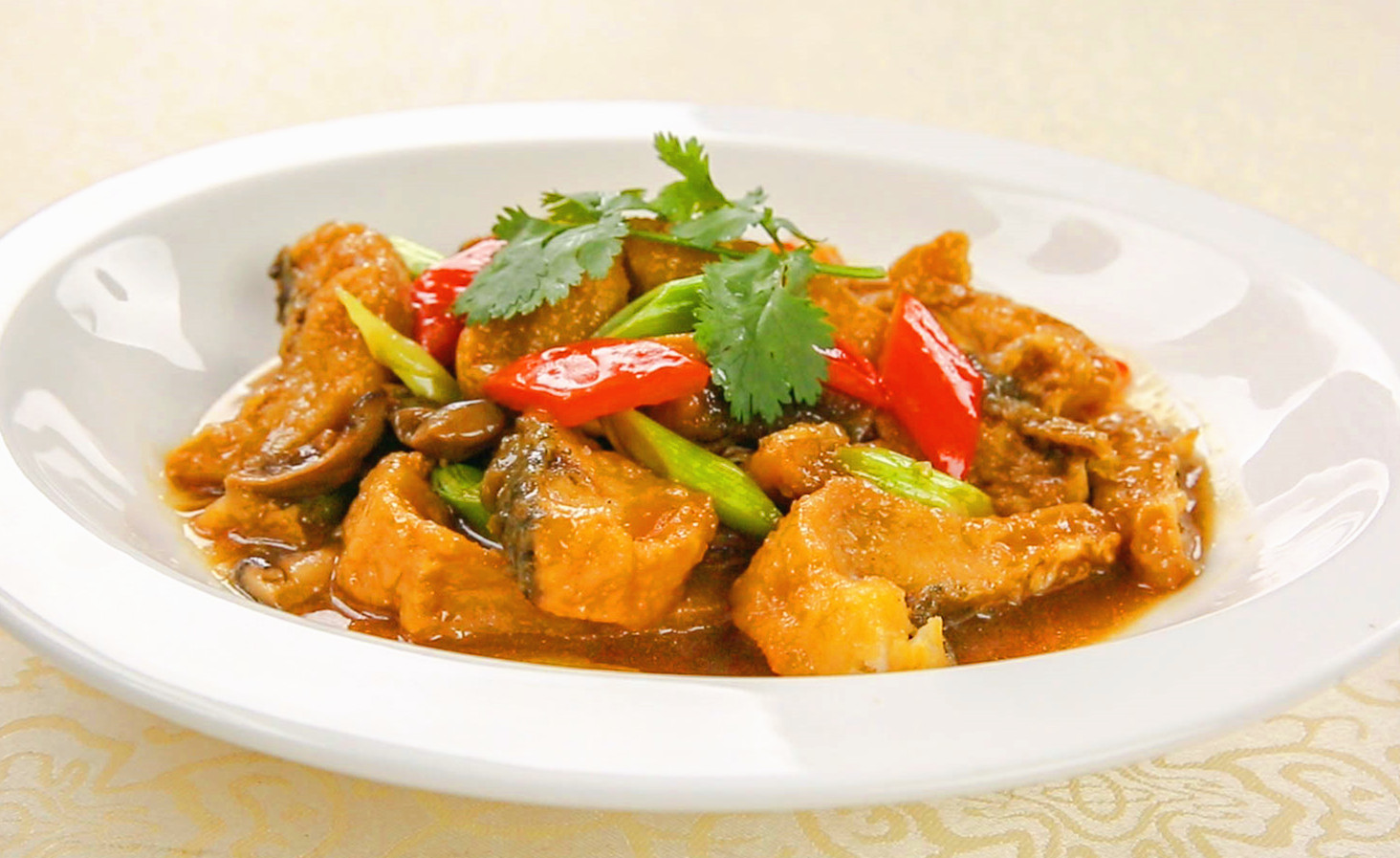
四川菜“贵妃鸡”“酒焖鸡翅”“黄焖大虾”,湖南菜“东安仔鸡”,江苏菜“百花酒焖鸡”,福建菜“沙茶焖鸭块”(见图3-7-1),浙江菜“东坡肉”,广东菜“红焖海参”、“板栗煨鸡球”,宫廷菜“坛子肉”(见图3-7-2)等。
Sichuan cuisine "imperial concubine chicken", "braised chicken wings with wine", "braised prawns with yellow sauce", Hunan cuisine "Dong'an chicken", Jiangsu cuisine "braised chicken with Baihua wine", Fujian cuisine "braised duck with sand tea" (see figure 3-7-1), Zhejiang cuisine "Dongpo meat", Guangdong cuisine "braised sea cucumber with red sauce", "braised chicken ball with chestnut", palace cuisine "jar meat" (see figure 3-7-2), etc.
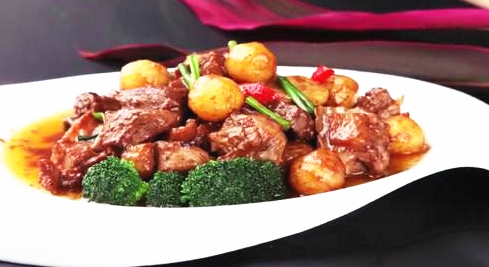
图 3-7-1 沙茶焖鸭块 Fig. 3-7-1 stewed duck with black tea
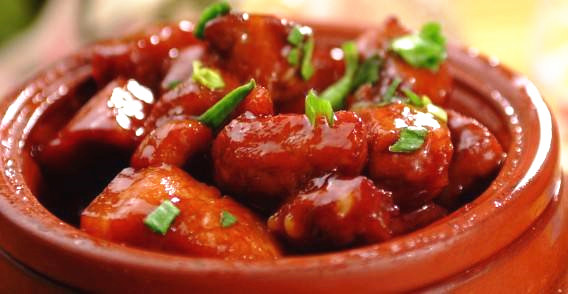
图 3-7-2 坛子肉 Fig. 3-7-2 jar meat