-
1 知识储备——煨法...
-
2 实训示例——花生...
-
3 拓展学习资料(&nb...
知识储备——煨法
Knowledge reserve——Simmering technique
【技法介绍】/Introduction to techniques
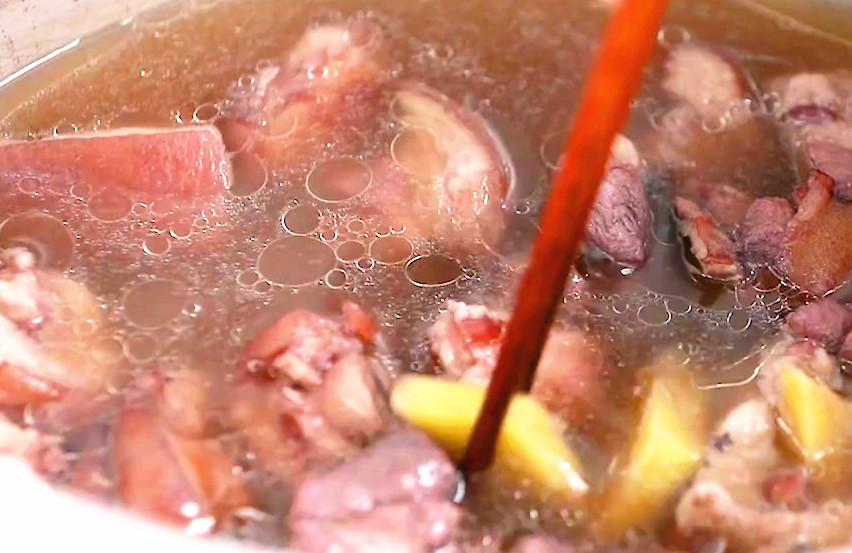
将加工处理的原料先用开水焯烫,放入锅中加足适量的汤水和调料,用旺火烧沸腾,撇去浮沫后加盖,再改文火慢慢的,长时间的加热至原料质脢,直至汤汁粘稠,原料完全松软成菜的技法叫做煨制技法。根据菜品颜色有红煨、白煨和其他颜色煨法。根据菜肴口味有甜咸煨、鲜咸煨、辣咸煨等多种。
First blanch the processed raw materials with boiling water, put them into the pot, add enough soup and seasoning, boil them with high fire, skim the floating foam and cover them, and then heat them slowly and for a long time until the soup is viscous and the raw materials are completely soft. The technique of cooking is called simmering technique. According to the color of dishes, there are red simmer, white simmer and other color simmer methods. According to the taste of dishes, there are sweet and salty simmer, fresh and salty simmer, spicy and salty simmer and so on.
煨法与焖法相似,同属长时加热成菜的方法,但又有所不同,一是煨法比焖法加热时间更长,二是煨制的菜肴汤汁较宽、不勾芡。煨制原料焯水后需用清水洗净,烧沸后,应移至小火或微火上煨制,汤汁保持似沸非沸状态,以使汤汁清醇,原料完整不烂。煨法制作的菜肴具有味鲜醇厚、汤宽浓郁的特点。
Stewing method is similar to stewing method. It belongs to the method of heating dishes for a long time, but it is different. First, the heating time of stewing method is longer than that of stewing method. Second, the soup of stewed dishes is wider and does not thicken. After boiling, the raw materials should be washed with clean water. After boiling, they should be moved to a low fire or low fire to simmer. The soup should be kept in a boiling state, so as to make the soup mellow and the raw materials intact. The dishes made by simmering method have the characteristics of fresh and mellow taste and wide and rich soup.
【技法要求】/Technical requirements
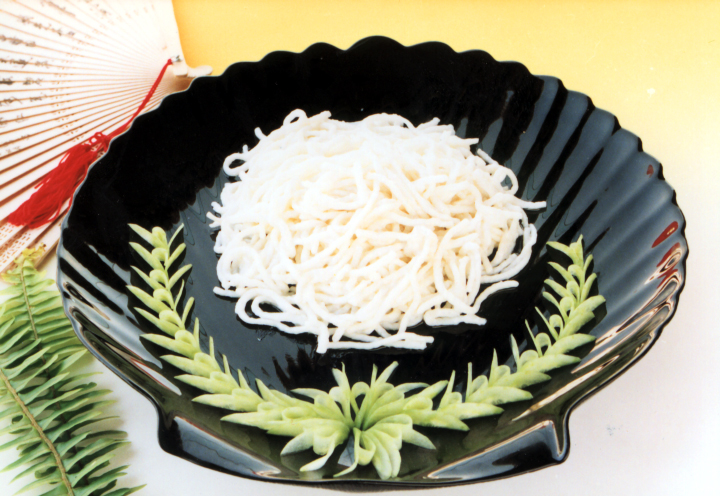
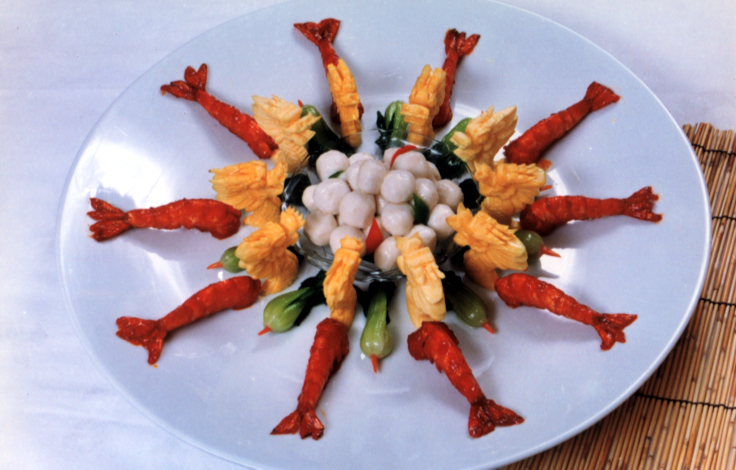
1.用煨法制作菜肴,要选用老韧,富含蛋白质和风味物质的动物性原料,常用的有鲜牛筋(见图3-6-1)、甲鱼、干海参(见图3-6-2)、鲍鱼、鱼膘、干贝、火腿、牛肉、老鸭等。
1. When preparing dishes by simmering, animal raw materials with old toughness and rich in protein and flavor substances should be selected. Commonly used are fresh beef tendon (see figure 3-6-1), turtle, dried sea cucumber (see figure 3-6-2), abalone, fish fat, scallop, ham, beef, old duck, etc.
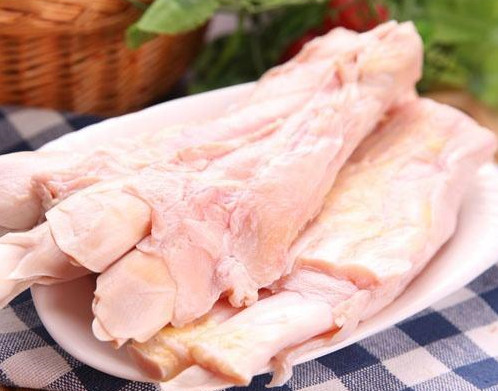
图 3-6-1 鲜牛筋 Fig. 3-6-1 fresh beef tendon
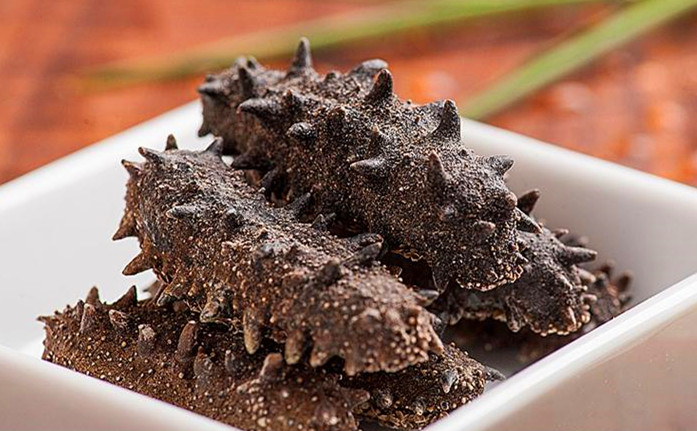
图 3-6-2 干海参 Fig. 3-6-2 dried sea cucumber
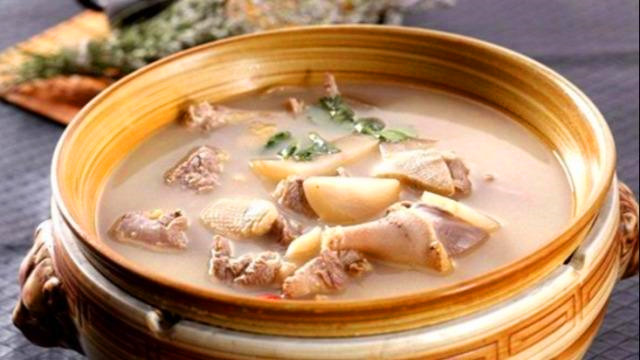
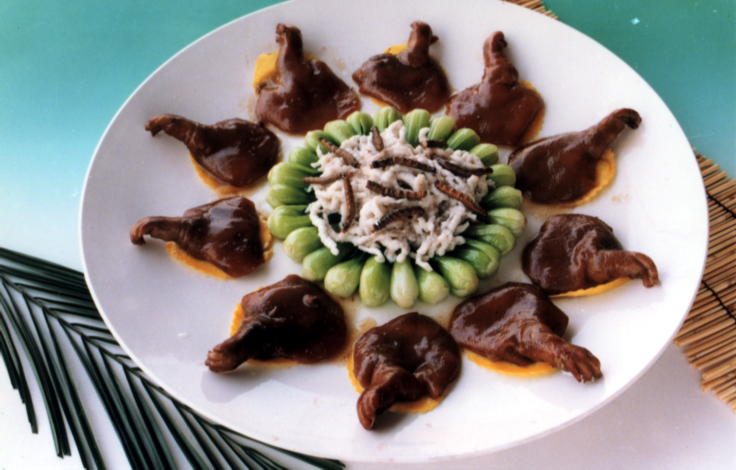
图 3-6-3 酸萝卜煨老鸭 Fig. 3-6-3 stewed duck with sour radish
2.刀工成形以大块为主。
2. The cutter is mainly formed in large pieces.
3.为使汤汁浓稠,如果原料含脂肪太少,可适量加油煸炒,使油脂在煨制过程中在汤中乳化,增加汤的浓郁风味。
3. In order to make the soup thick, if the raw materials contain too little fat, stir fry with an appropriate amount of oil to emulsify the oil in the soup during the simmering process and increase the rich flavor of the soup.
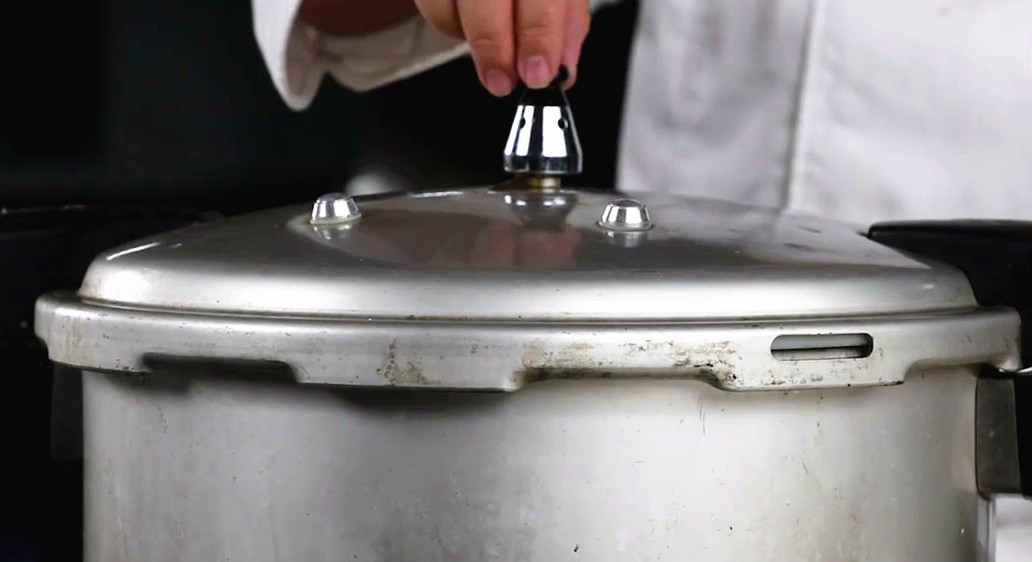
4.沸腾后用小火或微火,在2~3h内始终保持汤汁滚沸状态,并注意不使汤汁溢出;也可以用高压锅进行加压烹制,但要严格控制加压时间既要保证原料酥软,又要防止过度酥烂。
4. After boiling, use low fire or low fire to keep the soup boiling for 2 ~ 3H, and pay attention not to overflow the soup; Pressure cooker can also be used for pressure cooking, but the pressure time should be strictly controlled to ensure that the raw materials are soft and prevent excessive crispness.
5.在入锅煨制时,凡使用多种原料的菜肴,下料时均应做不同处理。性质坚实、能耐长时间加热的原料可以先下锅,耐热性差的辅料在主料煨制半酥时下入。
5. When boiling in the pot, all dishes with multiple raw materials should be treated differently during blanking. The raw materials with solid properties and long-term heating resistance can be put into the pot first, and the auxiliary materials with poor heat resistance can be put into the pot when the main material is simmered to make semi crisp.
【代表菜品】/Representative dishes
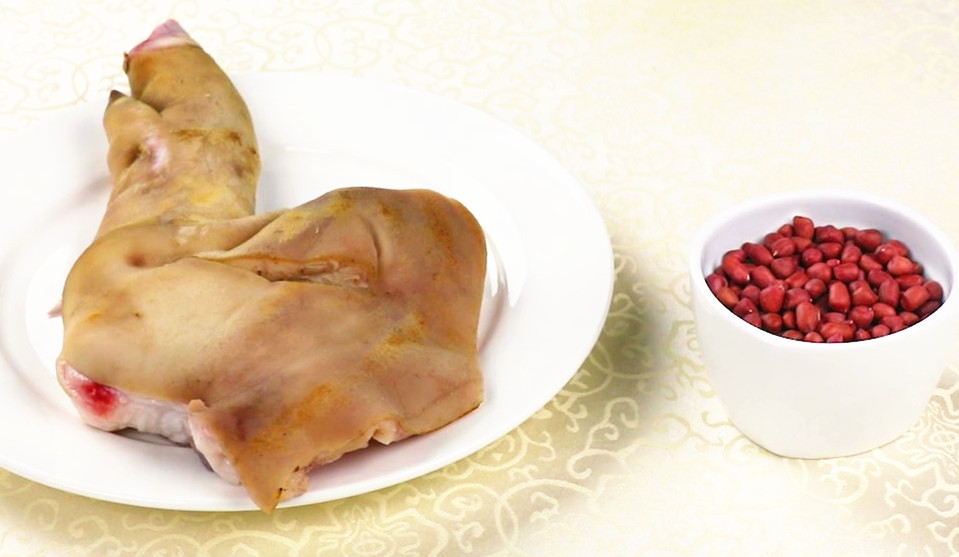
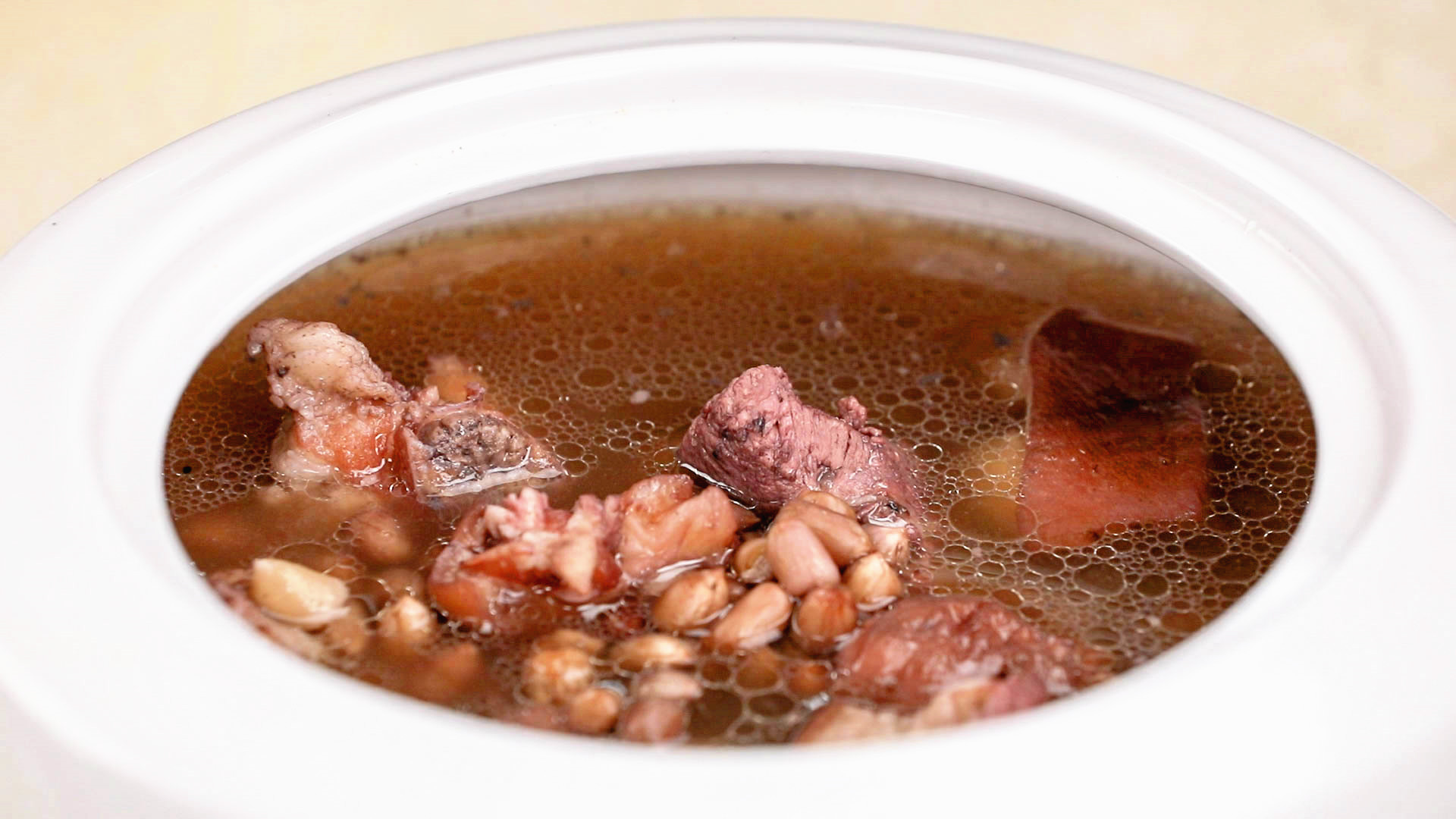
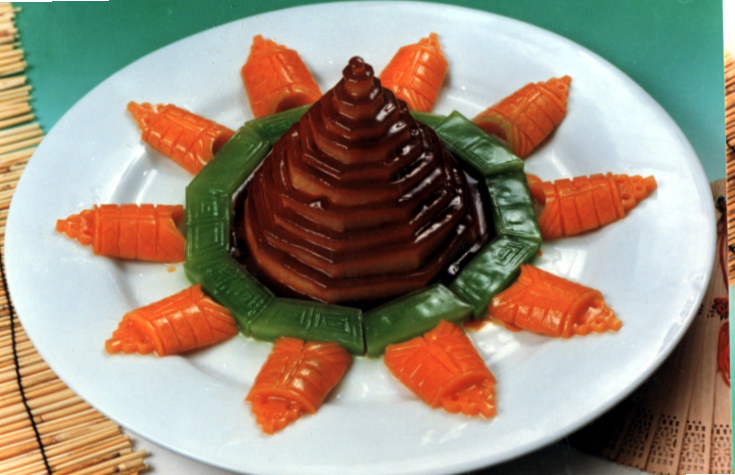
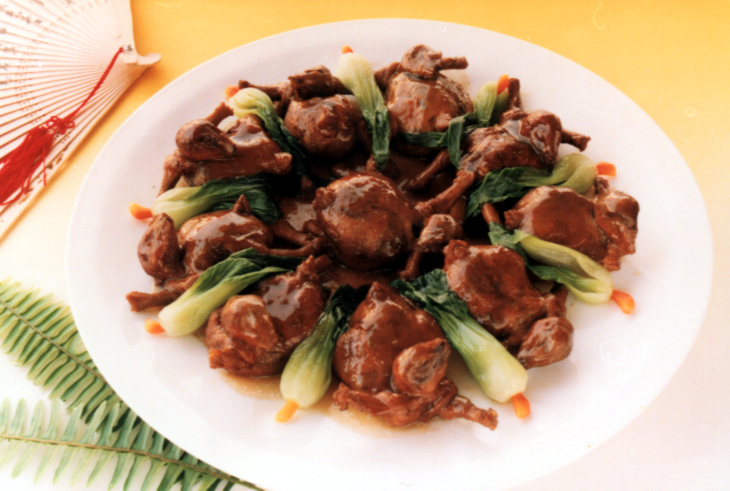
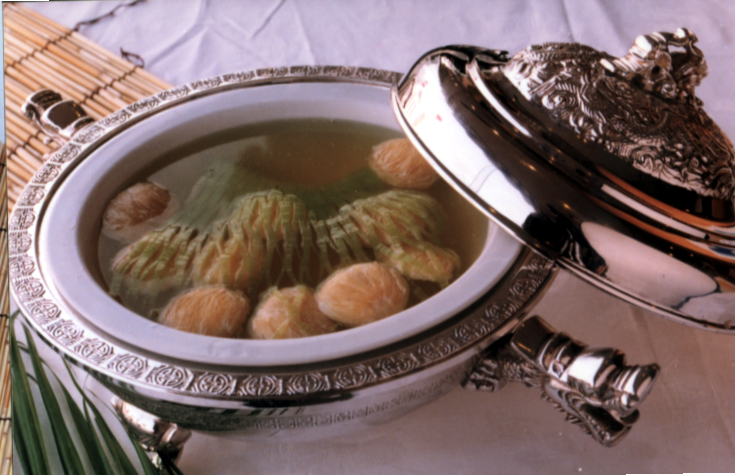
广西菜“花生煨猪脚,四川菜“酸萝卜煨老鸭”(见图3-6-3),广东菜“家乡煨大鸭”、“茄汁煨牛肉”(见图3-6-4),山东菜“烧煨面筋”,福建菜“佛跳墙”(见图3-6-5)等。
Guangxi cuisine "stewed pork feet with peanuts", Sichuan cuisine "stewed duck with sour radish" (see figure 3-6-3), Guangdong cuisine "stewed duck in hometown", "stewed beef with tomato sauce" (see figure 3-6-4), Shandong cuisine "stewed gluten", Fujian cuisine "Buddha jumping over the wall" (see figure 3-6-5), etc.
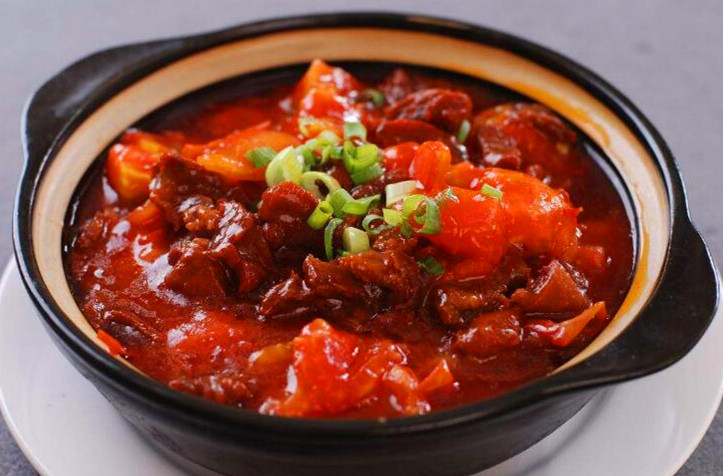
图 3-6-4 酸萝卜煨老鸭 Fig. 3-6-4 stewed duck with sour radish
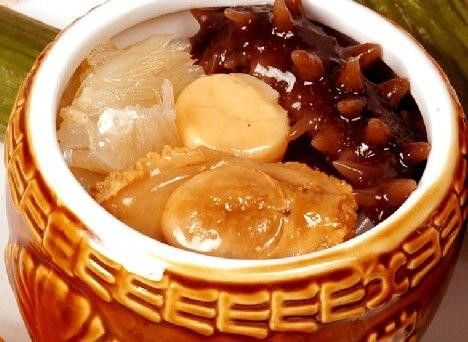
图 3-6-5 佛跳墙 Fig. 3-6-5 Buddha jumping wall