-
1 知识储备——煲法...
-
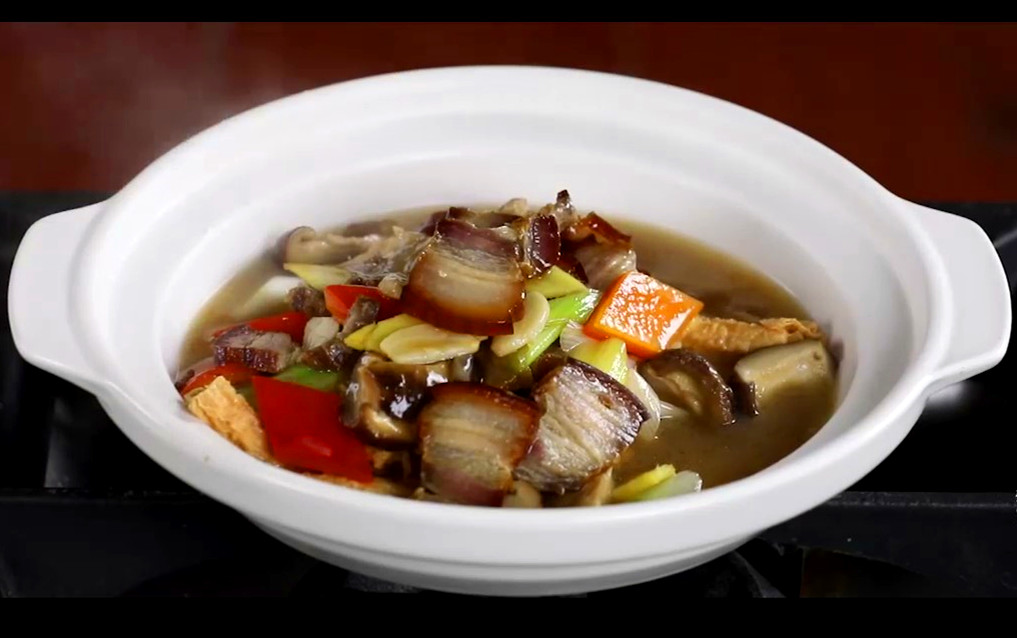
2 实训示例——腊肉...
-
3 拓展学习资料(&nb...
知识储备——煲法
Knowledge reserve——Stewing technique
【技法介绍】/Introduction to techniques
将原科放入砂锅或者陶制罐中,加料头、调料和适量的汤水,盖上盖子,上灶旺火加热至沸腾、小火慢慢加热,这种加热方法叫煲制技法。“煲”现已成为全国普遍使用的烹调方法,早期叫“煲”的多为广东人,所以用广东方言命名。随着广东煲饭、煲仔菜逐渐盛行,“煲”制烹调法也在全国广泛地流传开来了。
Put the original branch into a casserole or pottery pot, add the head, seasoning and an appropriate amount of soup, cover the lid, heat it with high fire until it boils, and heat it slowly with low fire. This heating method is called pot making technique. "Pot" has become a widely used cooking method all over the country. In the early days, people called "pot" were mostly Cantonese, so it was named in Guangdong dialect. With the gradual popularity of rice and dishes in Guangdong, the "pot" cooking method has also been widely spread throughout the country.
自古及今,煲法的应用与流行,与几千年来中国老百姓一直乐于使用瓦煲有关。尽管中国炊具经过多少次变迁,而瓦煲虽然易破,且貌不华彩,但它始终立于不败之地,原因在于它的特殊功效是许多现代化的金属炊具所望尘莫及的。瓦煲、砂罐,具有导热慢、散热慢、保温时间长,加热时汤汁气化少,无金属等导味,能保证莱肴的清正纯美等特点,用瓦煲烹制的莱肴,大都具有独特而美妙的风味。
Since ancient times and today, the application and popularity of pot method is related to the fact that Chinese people have been willing to use tile pot for thousands of years. Although Chinese cooking utensils have undergone many changes, and although the tile pot is easy to break and does not look colorful, it has always been in an invincible position because its special effect is beyond the reach of many modern metal cooking utensils. Tile pot and sand pot have the characteristics of slow heat conduction, slow heat dissipation, long heat preservation time, less vaporization of soup during heating, no metal and other taste guidance, which can ensure the purity and beauty of Lai dishes. Most Lai dishes cooked in tile pot have unique and wonderful flavor.
【技法要求】/Technical requirements
1.两种煲法。生煲法是将易成熟的荤素原料配好后放入砂煲或黑釉煲、双耳彩釉煲内加热成熟上桌,供客食用。例如广东名菜生啫鱼头煲(见图3-5-1);熟煲法是将荤素原料加工至成熟,再装入热煲中,上桌后热气沸腾,例如广西名菜老友牛杂煲(见图3-5-2)。
1. Two cooking methods. The raw pot method is to prepare the easy to mature meat and vegetable raw materials, put them into the sand pot, black glaze pot and double ear colored glaze pot, heat them to mature and serve them for customers. For example, Guangdong famous dish raw jelly fish head pot (see figure 3-5-1); The cooked pot method is to process the meat and vegetable raw materials to maturity, then put them into the hot pot, and the hot gas boils after serving, such as Guangxi famous dish old friend beef miscellaneous pot (see figure 3-5-2).
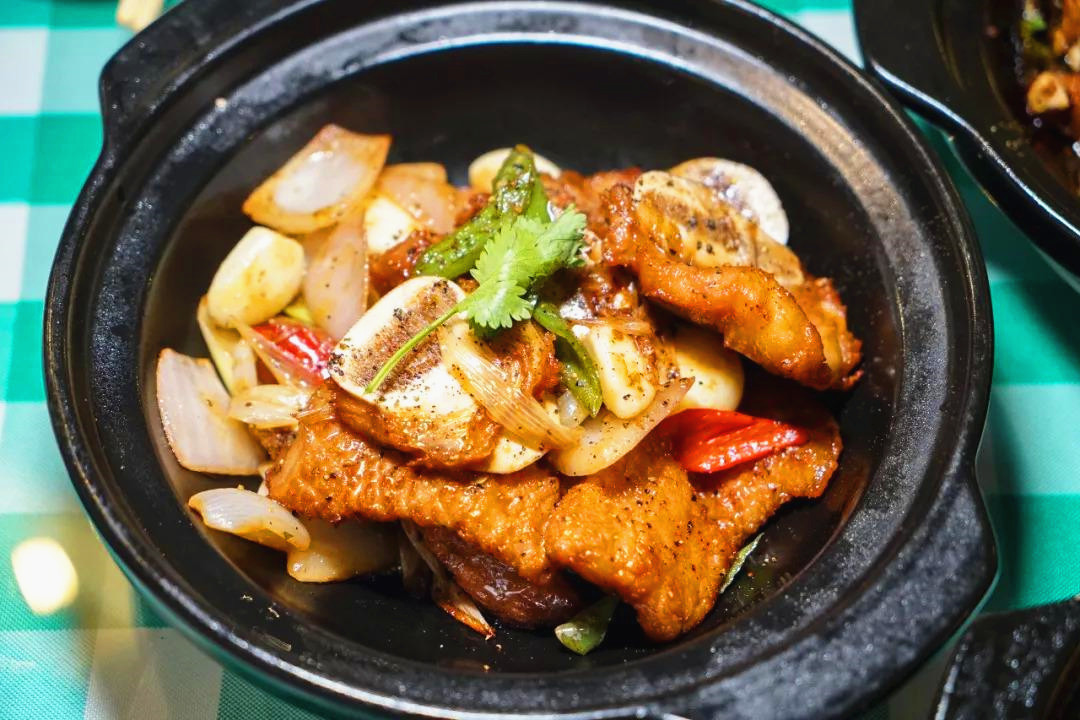
图 3-5-1 生啫鱼头煲 Fig. 3-5-1 fish head pot with raw jelly
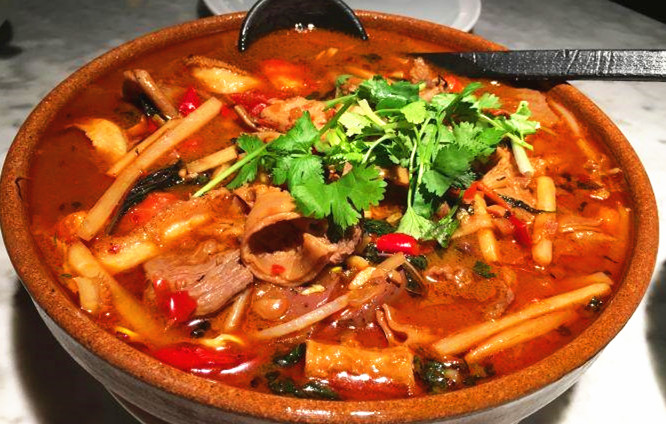
图 3-5-2 老友牛杂煲 Fig. 3-5-2 old friend beef offal pot
2.煲法制作菜肴其酱汁运用是关键,需要精心调制煲仔酱汁,体现厨师的个性,这样才能在味道上更加出彩。
2. The use of sauce is the key to making dishes by pot method. It is necessary to carefully prepare pot sauce to reflect the chef's personality, so as to make it more colorful in taste.
3.文火慢慢加热,煲至汤汁收少,令食材吸尽酱汁的精华,酱汁滚烫的煲边,便会实时发出吱吱的声响,热煲蒸腾着酱汁和原料的香气,便会令人食欲大增。
3. slow down the heat, cook less until the soup is collected, make the ingredients suck up the essence of the sauce, and the sauce will be squeaky in real time. The aroma of sauces and raw materials will be greatly increased after the hot pot stew the aroma of sauce and raw materials.
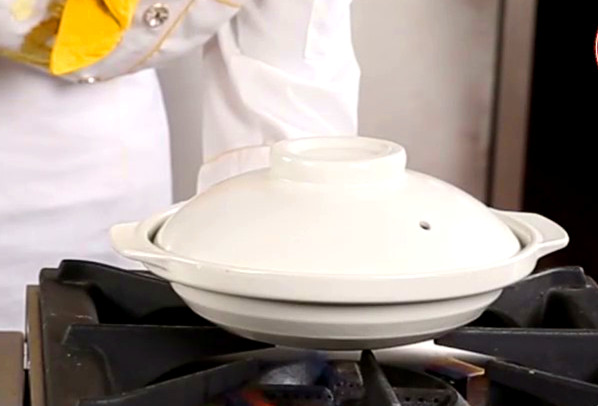
4.烧烫的瓦煲应放在干燥的碟子里面,避免滚烫的瓦煲接触冷水造成爆裂脱底。
4. The hot clay pot should be placed in a dry plate to avoid bursting and bottom falling caused by the hot clay pot contacting cold water.
【代表菜品】/Representative dishes
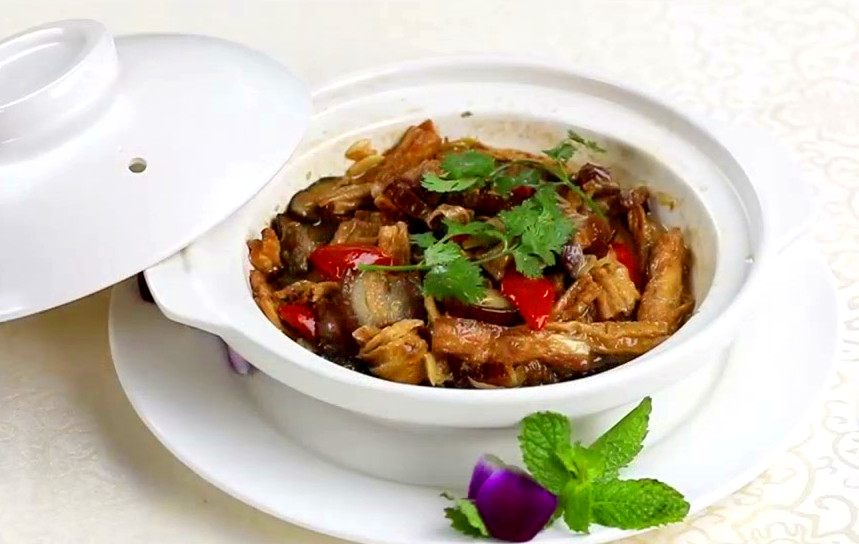
广东菜“咸鱼茄子煲”“蒜豉河鳗煲”“虾子什菜煲”“毛蟹豆腐煲”,广西菜“黄姚豆腐煲”(见图3-5-3)、“风味香肉煲”,香港菜“南乳斋煲”,四川“鱼香茄子煲”(见图3-5-4),湖北菜“土砵财鱼筒煲”(见图3-5-5)等。
Guangdong cuisine "salted fish and eggplant pot", "garlic and black bean river eel pot", "shrimp and assorted vegetables pot", "hairy crab Tofu Pot", Guangxi cuisine "Huangyao Tofu Pot" (see figure 3-5-3), "flavor fragrant meat pot", Hong Kong cuisine "nanruzhai pot", Sichuan cuisine "fish flavored eggplant pot" (see figure 3-5-4), Hubei cuisine "Tuyu Caiyu pot" (see figure 3-5-5), etc.
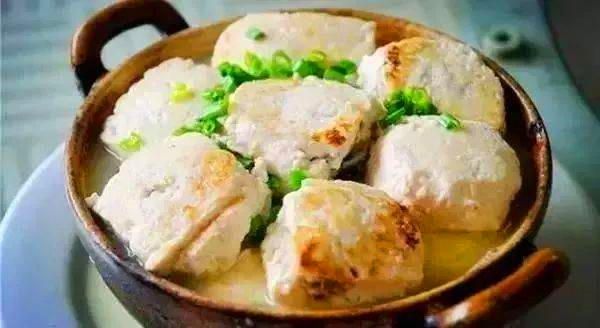
图 3-5-3 黄姚豆腐煲 Figure 3-5-3 Huangyao Tofu Pot
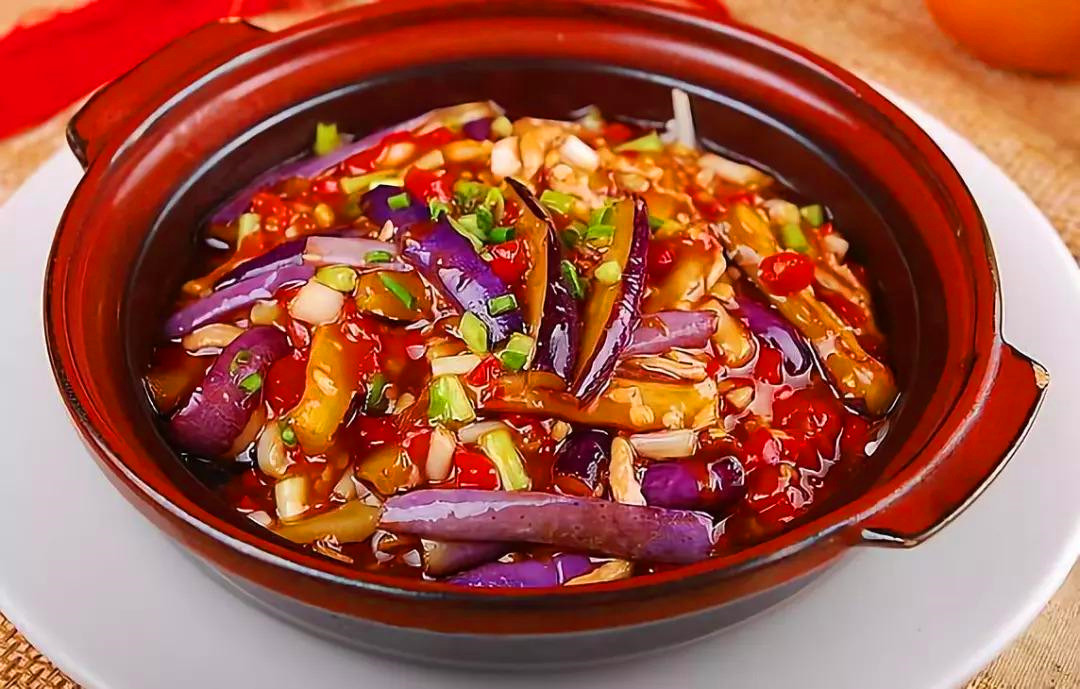
图 3-5-4 鱼香茄子煲 Fig. 3-5-4 fish flavored eggplant pot
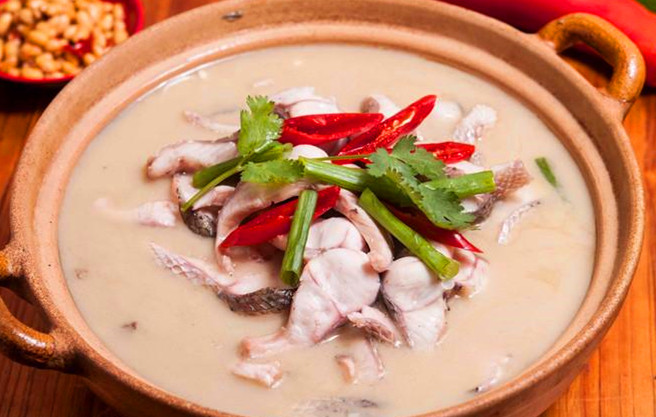
图 3-5-5 土砵财鱼筒煲 Fig. 3-5-5 casserole with fish in casserole