-
1 知识储备——灼法...
-
2 实训示例——白灼...
-
3 拓展学习资料(&nb...
知识储备——灼法
Knowledge reserve——Poaching technique
【技法介绍】/Introduction to techniques
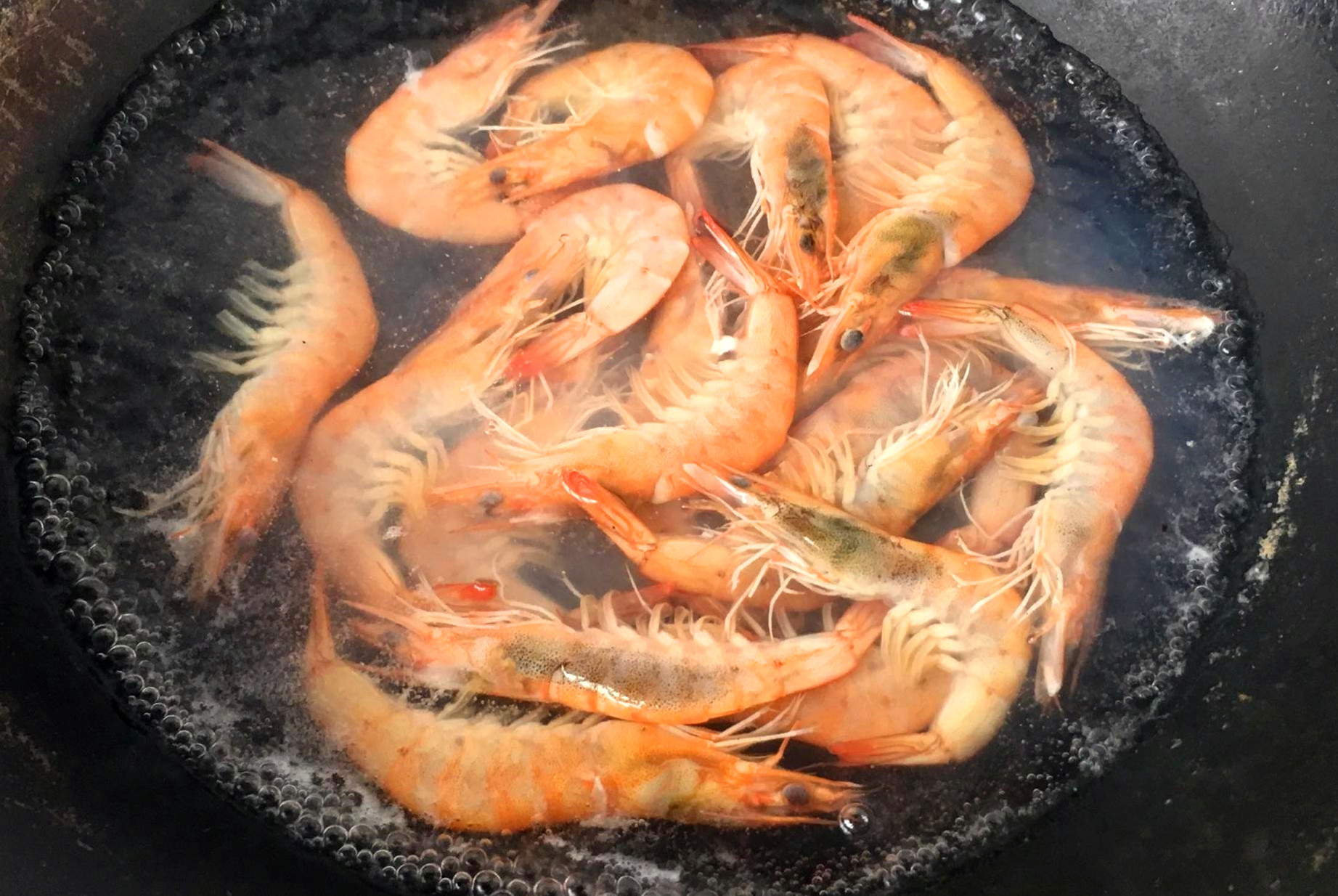
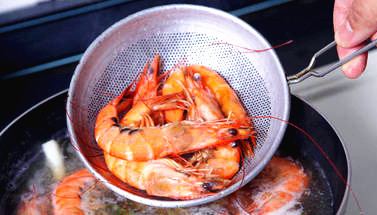
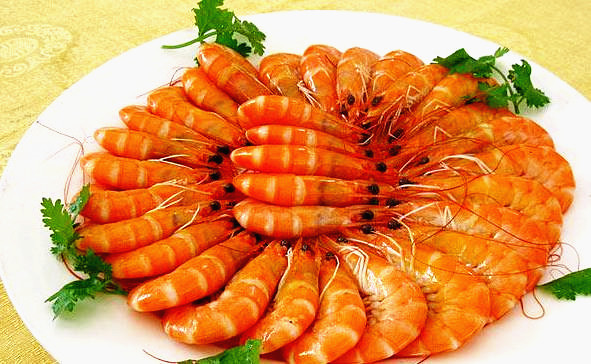
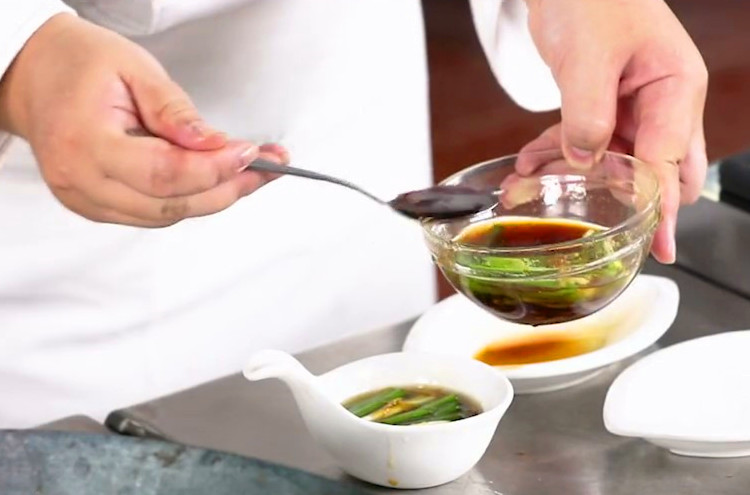
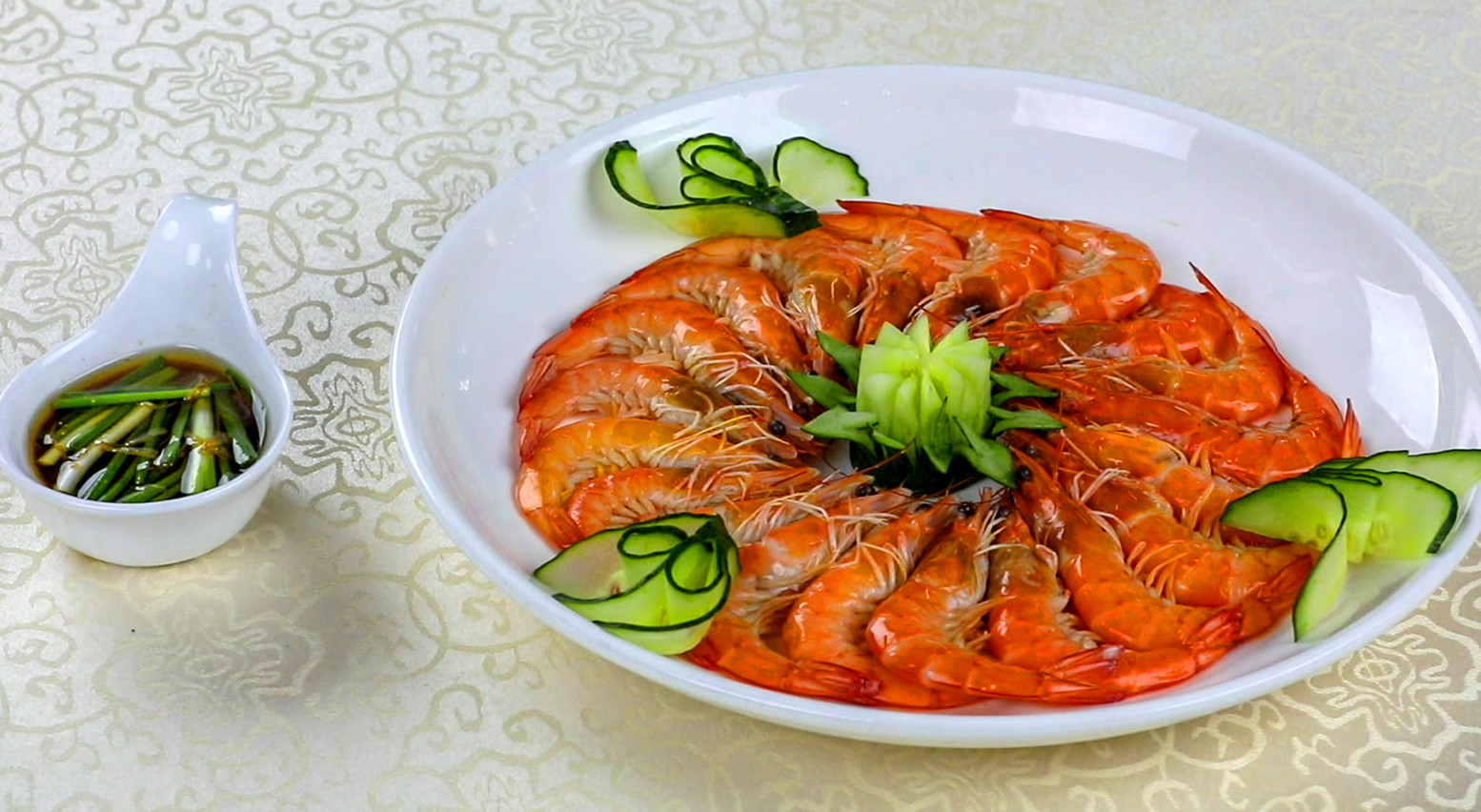
将新鲜的原料放入沸腾的清水中,使其骤受高温,加热至刚熟即捞起放入碟中,另起锅烧热,放油滑锅,爆香料头,加调料制成味碟供菜肴蘸味食用,这种加热调味的过程叫做灼制技法。“灼法”是广东地区特有的烹调方法。灼的方法大致分为两类:一类是原质灼法,另一类是变质灼法。原质灼法,物料能保持原有鲜味,广州常用此法烹制基围虾和菜胆;变质灼法,务求爽口,灼前要对物料加工处理,使其变爽,然后才灼。
Put the fresh raw materials into boiling water, make them suddenly exposed to high temperature, heat them until they are just cooked, pick them up and put them into the dish, heat them in another pot, put an oil slick pot, explode the spice head, and add spices to make a flavor dish for the dishes to dip in the flavor. This process of heating and seasoning is called burning technique. The cooking method is unique to Guangdong. The methods of cauterization can be roughly divided into two categories: one is original cauterization, and the other is metamorphic cauterization. The raw material burning method can keep the original flavor. This method is commonly used to cook Jiwei shrimp and vegetable bile in Guangzhou; The deterioration burning method is to make it refreshing. Before burning, the materials should be processed to make it cool, and then they can be burned.
【技法要求】/Technical requirements
1.灼制前处理要得当/Proper treatment before burning
(1)碱腌处理:适宜碱腌处理的多为质地比较老韧、异味浓重的动物性原料,如畜类的肚、肠,家禽的胗、肠及蚌类等。其目的是:因碱有腐蚀和去异味的作用,不仅可使原料嫩化,并可消除腥、臊、臭味,还能使原料增厚变大,泛白透明。碱腌处理方法:先在一小盆内兑成浓度为5%~8%的碱溶液,然后纳入改刀的原料,腌渍0.5 ~2h(或更长一些时间),然后用清水冲漂至退净碱味即可。
(1) Alkali pickling treatment: most of the materials suitable for alkali pickling treatment are animal materials with relatively old and tough texture and strong odor, such as belly and intestines of livestock, gizzards, intestines and mussels of poultry, etc. The purpose is: because the alkali has the function of corrosion and odor removal, it can not only tenderize the raw materials, eliminate the fishy, smelly and smelly smell, but also make the raw materials thicker and larger, white and transparent. Alkali pickling treatment method: first mix it into an alkali solution with a concentration of 5% ~ 8% in a small basin, then add the raw materials for knife modification, marinate for 0.5 ~ 2H (or longer), and then rinse and bleach with clean water until the alkali smell is removed.
(2)上浆处理:适宜上浆的原料均是一些质地细嫩、无骨的动物性肌肉,如鸡脯肉、鲜鱼肉、大虾肉、兔腿肉等。因为这些原料刀工处理多为薄片状,直接灼之加热,往往容易断裂散碎,或卷缩干瘪。通过上浆处理,可增强原料的黏性,提高了耐热性能。上浆处理的方法:先将改刀的原料用少许葱姜汁、料酒、精盐等渍味,再加鸡蛋清和干细淀粉抓拌,使其粘上薄薄的一层粉浆即可。
(2) Sizing treatment: raw materials suitable for sizing are some animal muscles with delicate texture and no bone, such as chicken breast, fresh fish, prawn, rabbit leg, etc. Because most of these raw materials are in the shape of flakes, they are often easy to break, break up, or shrink and shrivel when they are directly burned and heated. Through sizing treatment, the viscosity of raw materials can be enhanced and the heat resistance can be improved. Sizing treatment method: first use a little onion and ginger juice, cooking wine, refined salt and other stains on the raw materials of the knife, and then add egg white and dry fine starch to make it stick with a thin layer of powder.
2.灼制水温选择要合理/The selection of water temperature should be reasonable
根据原料质地的不同,有热水下锅和沸水下锅两种:
According to the texture of raw materials, there are two types: hot water pot and boiling water pot:
(1)热水下锅:即将锅中的清水烧至70℃~ 80℃时,投入原料灼至断生,捞出。适宜热水下锅的原料主要有猪肚尖、猪腰,家禽的心、肝、肠、腰等。
(1) Put the water in the pot in hot water: when the clear water in the pot is burned to 70 ℃ ~ 80 ℃, put in the raw materials, burn them until they are broken, and take them out. The main raw materials suitable for hot water cooking are pig belly tip, pig waist, poultry heart, liver, intestine, waist and so on.
(2)沸水下锅:即将锅中的清水烧开,投入原料灼至断生,捞出。适宜沸水下锅的原料多为上浆的净肉类、螺类、蛇类、猪心及蔬菜类等。
(2) Boiling underwater pot: Boil the water in the pot, put in the raw materials, burn them until they are cut off, and take them out. The raw materials suitable for boiling underwater pots are mostly starched net meat, snails, snakes, pig hearts and vegetables.
【代表菜品】/Representative dishes
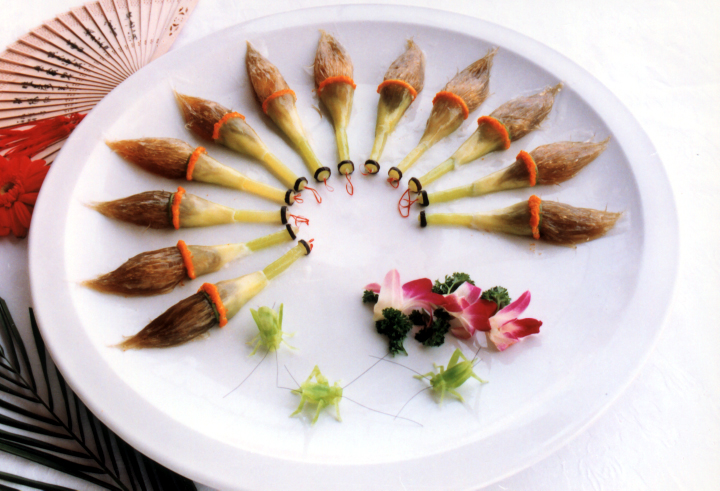
广西菜“白灼毛肚”“白灼牛杂”,广东菜“白灼菜心”“白灼鱿鱼”,福建菜“沙茶灼鱼片”,海南菜“白灼沙虫”(见图3-3-1),浙江菜“灼蛏子”“灼螺片”等。
Guangxi cuisine "braised tripe" and "beef offal", Guangdong cuisine "braised vegetable heart" and "fried squid", Fujian cuisine "fried fish slices with sand tea", Hainan cuisine "boiled sand worm" (see figure 3-3-1), Zhejiang cuisine "fried razor clam" and "fried snail slices", etc.
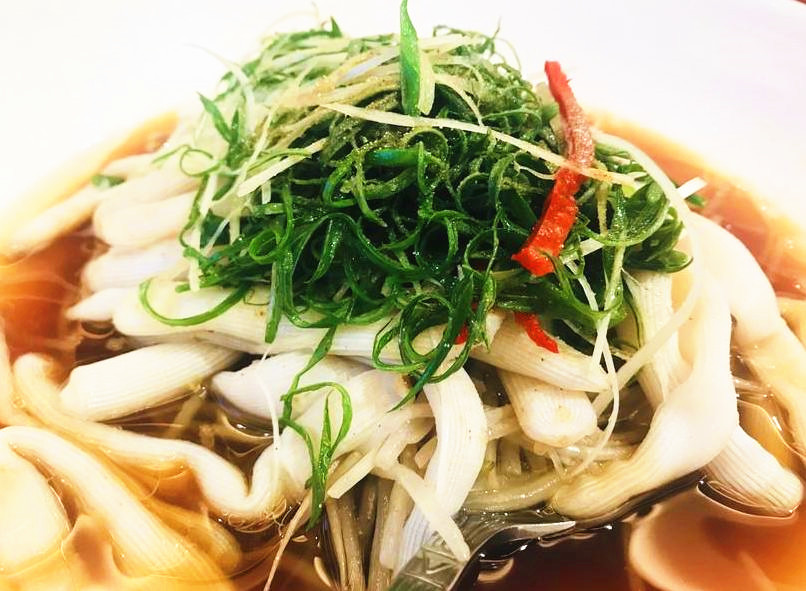
图 3-3-1 白灼沙虫 Fig. 3-3-1 scorching sand worm