-
1 知识储备——脆熘...
-
2 实训示例——脆熘...
-
3 拓展学习资料(&nb...
知识储备——脆熘
Knowledge reserve——Crispy frying technique
【技法介绍】/Introduction to techniques
脆熘俗称炸熘或焦熘。主料经腌渍入味,拍粉或者挂糊后放入热油中炸,炸至外表酥脆,捞起沥干油,另用锅调煮好芡汁,将炸好的主料进锅熘炒几下,粘裹上芡汁即出锅装碟,这种加热调味工序,叫脆熘法。脆熘是熘法中使用比较广泛的一种技法,用这种技法烹制出的菜肴,特点是外焦香酥脆,内鲜嫩可口,故自来深受食客的喜爱。
Crispy fried is commonly known as fried or charred. The main ingredients are pickled and tasted, then fried in hot oil after baking powder or hanging paste. Fry until the appearance is crisp, remove and drain the oil, and then mix and cook the sauce in a pot. Put the fried main ingredients into the pot, fry a few times, stick and wrap the sauce, and then put them out of the pot and put them on a plate. This heating and seasoning process is called crisp frying method. Crispy frying is a widely used technique in the frying method. The dishes cooked with this technique are characterized by crispy outside and fresh and delicious inside. Therefore, they are deeply loved by diners.
【技法要求】/Technical requirements
1.主料挂糊或拍粉。为了使原料在炸制时不至于损失太多的水分,一般要先将原料挂上糊或拍上粉,这样方可保持原料的鲜嫩。
1. Paste or powder the main materials. In order not to lose too much water when frying the raw materials, it is generally necessary to hang the raw materials with paste or powder first, so as to keep the raw materials fresh and tender.
2.油炸处理。炸制原料时应正确掌握油温。第—欢炸制叫做熟炸,油温要稍低,—般为5~6成热,炸制时间要稍长,目的是使原料内外成熟一致。第二次炸制又叫复炸、脆炸,油温要高,约7~8成热,但炸制时间要短,目的是使原料表面迅速脱水,达到外脆里嫩的效果。
2. Deep frying treatment. When frying raw materials, the oil temperature should be correctly controlled. The first frying is called cooked frying. The oil temperature should be slightly lower, generally 50 ~ 60% hot, and the frying time should be slightly longer. The purpose is to make the internal and external maturity of raw materials consistent. The second frying is also called re frying and crisp frying. The oil temperature should be high, about 70 ~ 80% hot, but the frying time should be short. The purpose is to dehydrate the surface of raw materials quickly and achieve the effect of crispness outside and tenderness inside.
3.脆熘酱汁处理。在脆熘酱汁的制作中,一要注意勾芡的浓度,避免芡汁过稀或过稠;二是用油量要适当,不能过多或过少。油量过少,酱汁缺乏光泽,油量过多,又会造成脱芡,两者都达不到成菜的预期效果;三是应注意炒汁的时间,时间过短,汁不粘也不活,时间过长,水分又消耗过多,使汁变浓,同时汁里边的油也会溢出,从而失去菜肴特色。
3. Crispy sauce treatment. In the production of crispy sauce, first, pay attention to the concentration of thicken to avoid too thin or too thick thicken sauce; Second, the oil consumption should be appropriate, not too much or too little. If the amount of oil is too small, the sauce lacks luster, and if the amount of oil is too large, it will cause de thicken, both of which can not achieve the expected effect of becoming a dish; Third, we should pay attention to the time of frying the juice. If the time is too short, the juice will not stick or live. If the time is too long, the water will be consumed too much, which will thicken the juice. At the same time, the oil in the juice will overflow, thus losing the characteristics of the dish.
4.裹汁处理。尽量使复炸和制作酱汁同时进行或者尽量缩短两者之间的时间间隔,以保持热料、热卤状态,才能使酱汁渗入到原料内部,菜品才会入味。料热酱汁冷或料冷酱汁热,都不能达到脆熘菜的成菜效果。
4. Juice wrapping treatment. Try to make the re frying and making sauce at the same time, or shorten the time interval between them, so as to maintain the state of hot material and hot brine, so that the sauce can penetrate into the interior of the raw materials and the dishes will taste. Hot materials and cold sauce or hot materials and cold sauce can not achieve the effect of crispy fried dishes.
【代表菜品】/Representative dishes
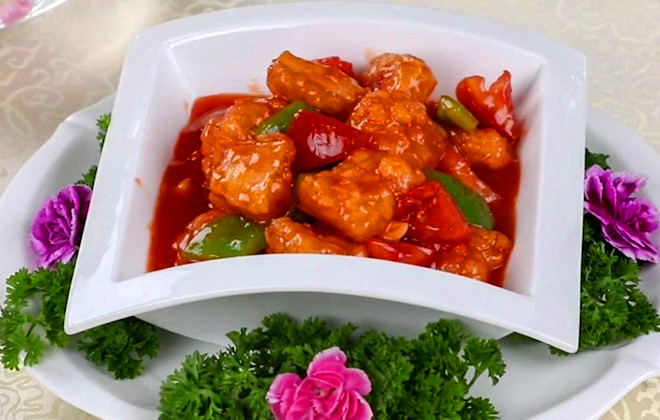
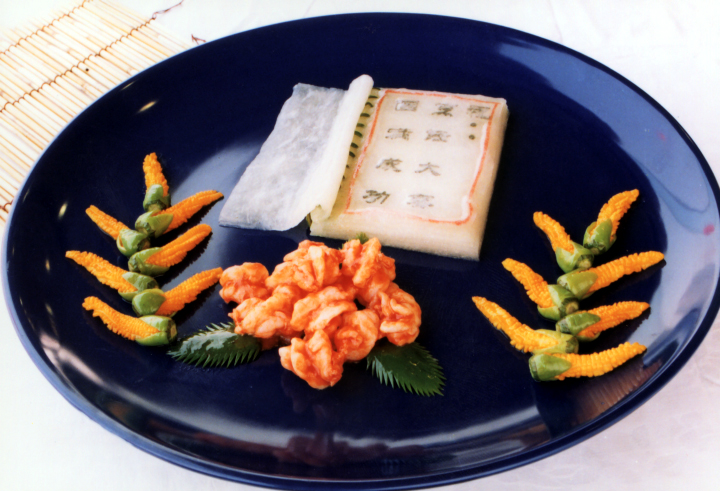
北京菜“焦熘鱼片”(见图2-9-1),广东菜“菠萝咕咾肉”,河南菜“糖醋鲤鱼”,安徽菜“葡萄鱼”,江苏菜“松鼠鳜鱼”(见图2-9-2),香港菜“柠汁脆皮鱼”等。
Beijing cuisine "fried fish slices" (see figure 2-9-1), Guangdong cuisine "pineapple sweet and Sour Meat", Henan cuisine "sweet and sour carp", Anhui cuisine "grape fish", Jiangsu cuisine "squirrel mandarin fish" (see figure 2-9-2), Hong Kong cuisine "Crispy Fish with lemon juice", etc.
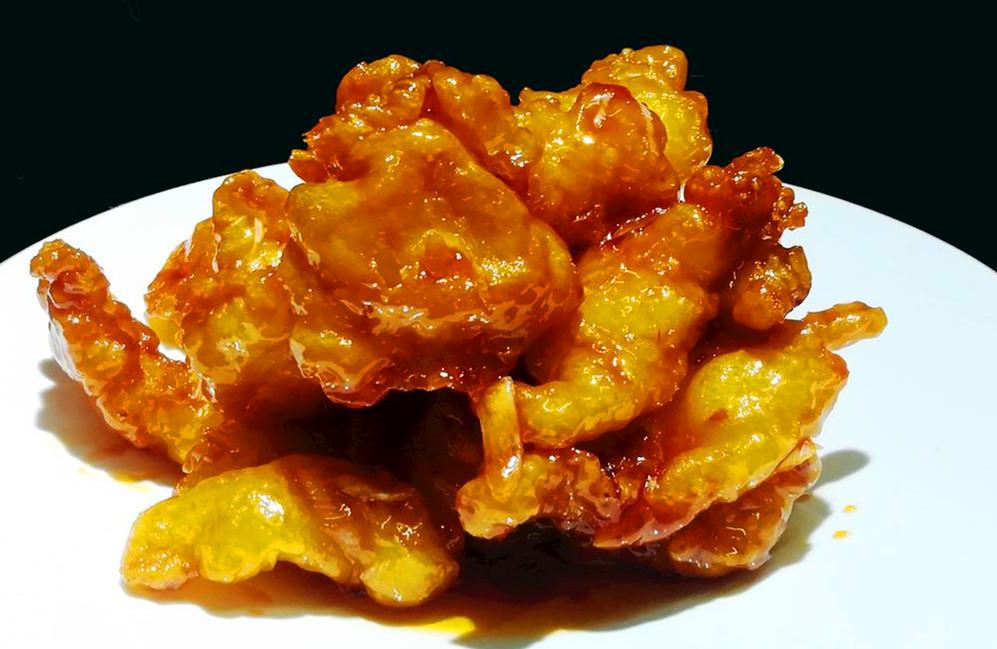
图 2-9-1 焦熘鱼片 Fig. 2-9-1 fried fish fillet
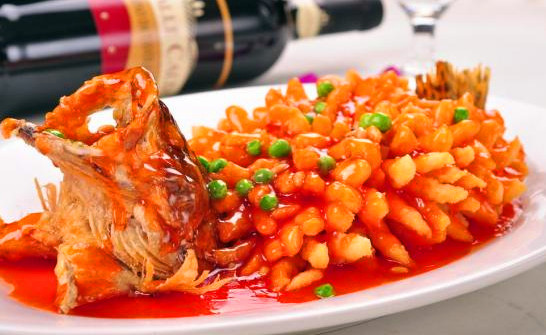
图 2-9-2 松鼠鳜鱼 Fig. 2-9-2 squirrel mandarin fish