-
1 知识储备——红烧...
-
2 实训示例——红烧...
-
3 拓展学习资料(&nb...
知识储备——红烧
Knowledge reserve——Braised technique
【技法介绍】/Introduction to techniques
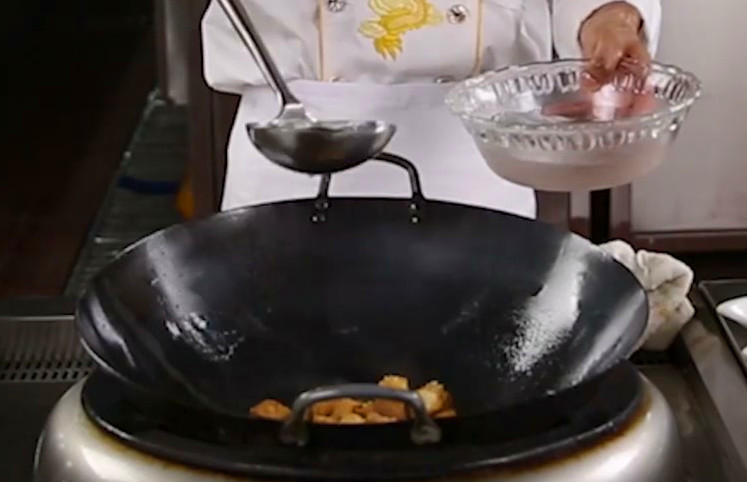
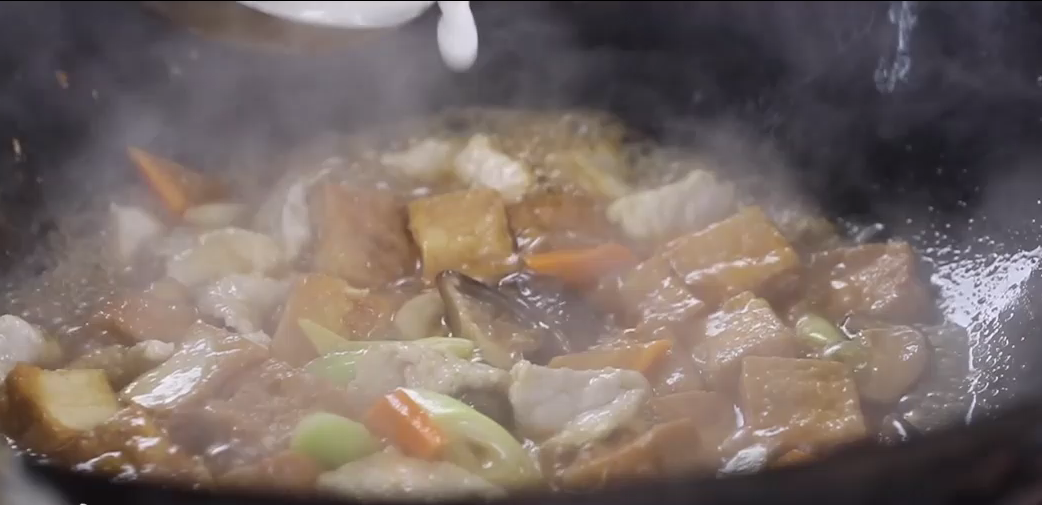
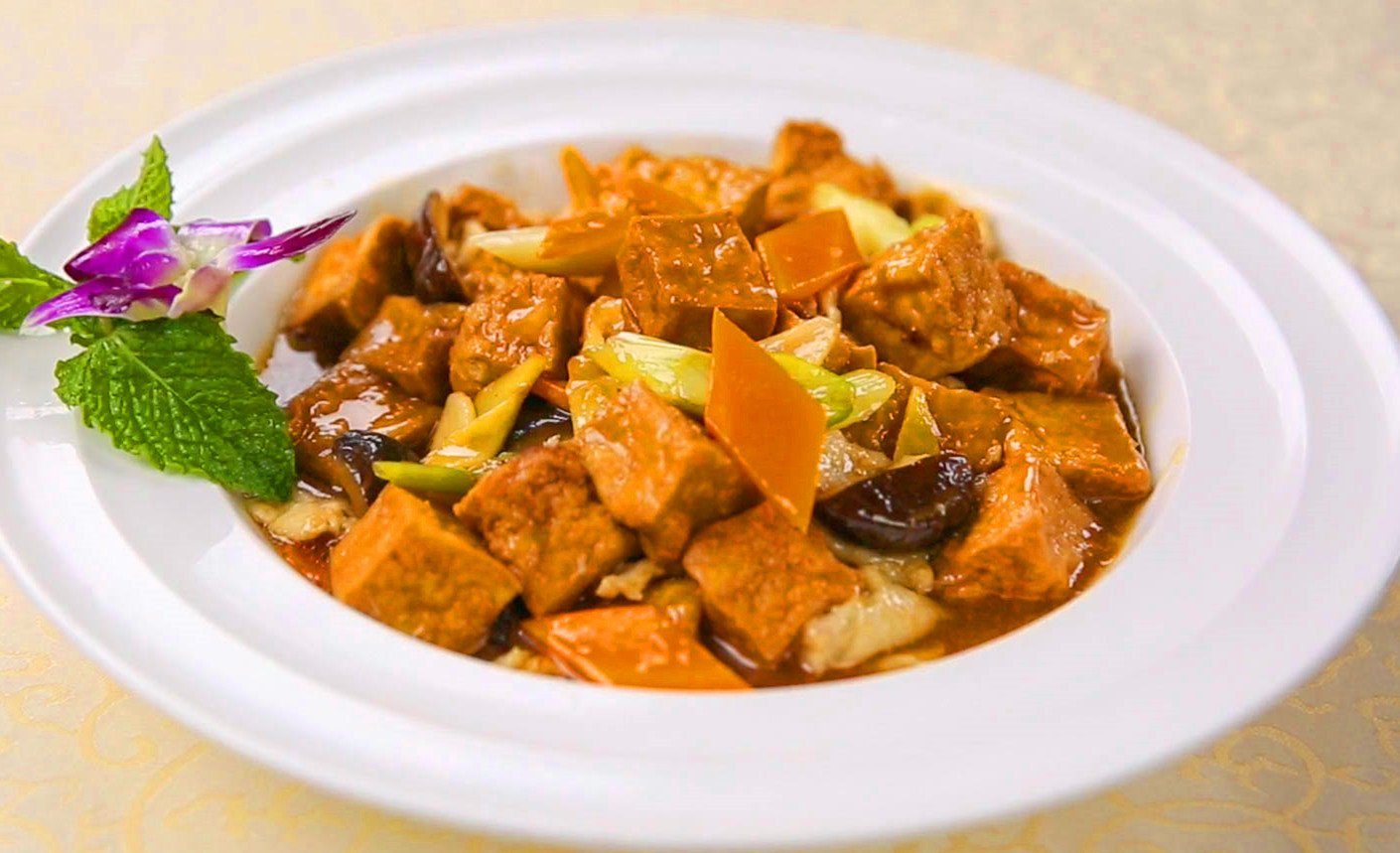
把主料经过油炸香脆后,再加配码、调料、汤水烧至回软入味、汤汁收少后,勾芡加尾油成菜,这种因主料炸后外表呈金黄色,加深红色调味料烧煮后呈红色的加热工序,叫红烧法。
After the main ingredients are fried and crispy, add the matching code, seasoning and soup until they are soft and delicious. After the soup is reduced, thicken them and add tail oil to form a dish. This heating process is called braised method because the appearance of the main ingredients is golden yellow after frying and red after cooking.
烧制阶段因利用水传热,加热的温度相对于油来说比较低,加热时间长,食材可以切成较大的块,菜肴的口感或软魅力在于红,红能刺激人的食欲,同样一盘菜,放在黄色灯光下就比在白色光源下更让人有食欲。另外,红一般也代表着菜肴里放入了更多的调味料,自然味道也会更香浓可口。
In the firing stage, due to the use of water for heat transfer, the heating temperature is relatively low compared with oil, and the heating time is long. The ingredients can be cut into large pieces. The taste or soft charm of dishes lies in red. Red can stimulate people's appetite. For the same dish, it is more appetizing to put it under yellow light than under white light source. In addition, red generally means that more seasonings are added to the dishes, and the natural taste will be more fragrant and delicious.
【技法要求】/Technical requirements
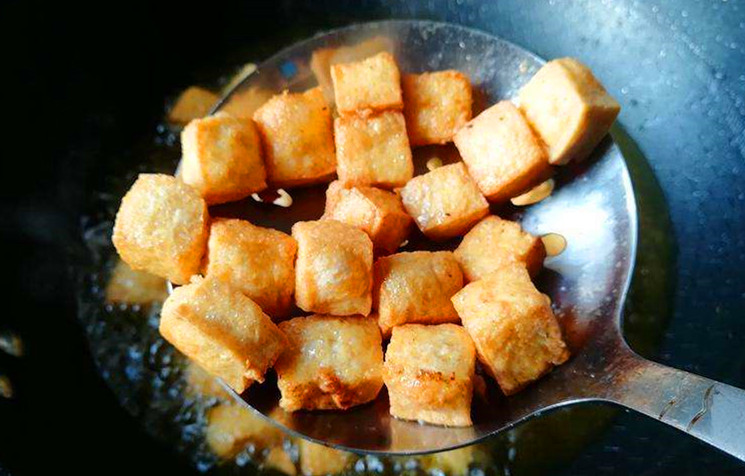
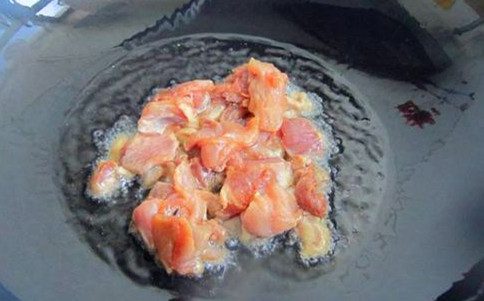
1.初熟处理。肉类在烧制前,需要经过初步熟处理。主要初步熟处理的方式使焯水和过油。对于牛羊肉、猪肚、猪肠等内脏,腥味相对比较重,焯水后腥味可以大大降低。对于排骨、鸡肉、五花肉等异味相对较少的原料,直接下油锅中炸,这样处理的好处,一来菜肴表面会有焦香味,二来原料经过油炸会收缩,肉质会更紧致,吃起来有一些嚼劲。
1. Primary ripening treatment. Meat needs to be preliminarily cooked before firing. The main way of preliminary ripening treatment is to blanch water and oil. For beef and mutton, pig belly, pig intestines and other internal organs, the fishy smell is relatively heavy, and the fishy smell can be greatly reduced after blanching. For the raw materials with relatively less peculiar smell, such as ribs, chicken and streaky pork, they can be directly fried in the oil pan. The benefits of this treatment are: first, the surface of the dishes will have a burnt flavor; second, the raw materials will shrink after frying, the meat will be more compact and have some chewiness.
2.加水量控制。一般来说,加水量为淹没原料并超过1厘米左右。相较之下,比较嫩的、容易成熟得食材,比如豆腐、鸡翅、鱼类,水量就可以少些;如果是牛羊肉等烧制时间更久的原料,可能就需要加入更多的水。且需主要加水量尽可能一次放够。
2. Water addition control. Generally speaking, the amount of water added is to submerge the raw materials and exceed about 1 cm. In contrast, relatively tender and easy to mature ingredients, such as tofu, chicken wings and fish, can have less water; If it is beef and mutton and other raw materials that have been fired for a longer time, more water may need to be added. The amount of water to be added shall be enough at one time as far as possible.
3.根据成菜标准收汁。做红烧菜肴,成菜效果也分成两种,一种是带汤汁的,适合烧羊肉、牛肉、鸡块之类,味道更滋润。另一种就是要把收干汤汁的方法,比如糖醋排骨、红烧猪蹄、红烧肉等,汤汁收干后会变得浓稠,味道就会特别浓郁,色泽也红亮。
3. Collect juice according to the standard of finished dishes. When making braised dishes, the cooking effect is also divided into two kinds. One is with soup, which is suitable for burning mutton, beef and chicken, and the taste is more moist. The other is to dry the soup, such as sweet and sour ribs, braised pig feet, braised meat, etc. after drying, the soup will become thick, the taste will be particularly strong, and the color will be red and bright.
【代表菜品】/Representative dishes
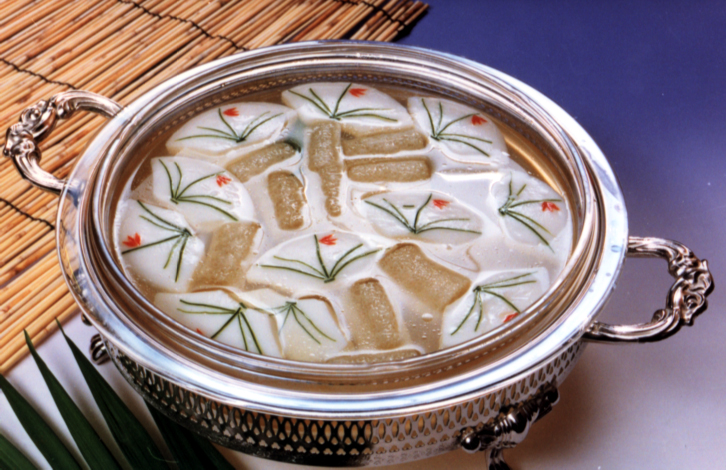
山东菜“九转大肠”(见图2-7-1)“红烧大虾”,吉林菜“红烧排骨”,四川菜“麻婆豆腐”“豆花烧鱼”,江苏菜“红烧狮子头”(见图2-7-2)“酱方”,广东菜“红烧乳鸽”“糖醋排骨”,广西菜“灵马鲶鱼”,云南菜“芭蕉花烧猪肉”等。
Shandong cuisine "jiuzhuan large intestine" (see figure 2-7-1) "braised prawns", Jilin cuisine "braised ribs", Sichuan cuisine "Mapo Tofu" and "braised fish with bean curd", Jiangsu cuisine "braised lion head" (see figure 2-7-2) "sauce recipe", Guangdong cuisine "braised pigeon", "sweet and sour ribs", Guangxi cuisine "Lingma catfish", Yunnan cuisine "braised pork with banana flower", etc.
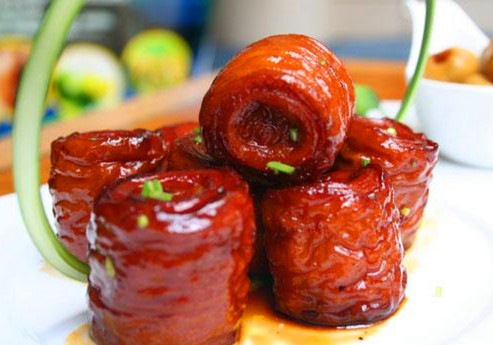
图 2-7-1 九转大肠 Fig. 2-7-1 nine turn large intestine
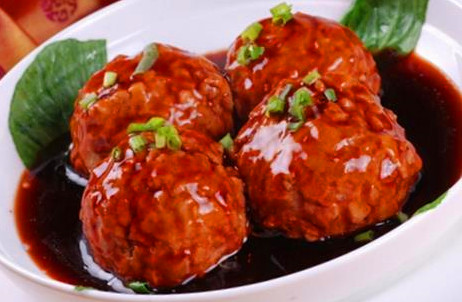
图 2-7-2 红烧狮子头 Fig. 2-7-2 braised lion's head in brown sauce