-
1 知识储备——包炸...
-
2 实训示例——梧州...
-
3 拓展学习资料(&nb...
知识储备——纸包炸
Knowledge reserve——Paper fried technique
【技法介绍】/Introduction to techniques
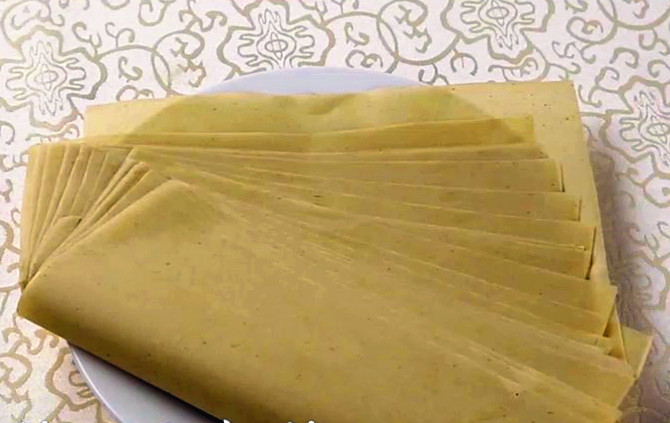
将那些用玉扣纸包裹着的原料放入热油锅中炸,炸熟成菜的烹调技法,叫纸包炸法。运用纸包炸法制成的菜肴具有美观整齐、质地鲜嫩、口味香浓的特点。
The cooking technique of frying the raw materials wrapped in jade buckle paper into a hot oil pot and frying them into cooked vegetables is called paper wrapping frying. The dishes made by paper wrapping and frying have the characteristics of beautiful and neat, fresh and tender texture and strong flavor.
原料经包裹后以温油加热成熟,基本使原料保持原汁原味。包裹的纸起到了挂糊或上浆的作用,保持原料的鲜嫩质感。某些植物性原料如香菜、香菇等,由于香味较浓厚、质地软嫩,也可作配料兼调味,起到点缀美观的作用。纸包炸所用玉扣纸经油加热后透明又油亮,起到美观的作用。
The raw materials are wrapped and heated with warm oil to mature, which basically keeps the raw materials original. The wrapped paper plays the role of hanging paste or sizing to maintain the fresh and tender texture of raw materials. Some plant-based raw materials, such as coriander and Lentinus edodes, can also be used as ingredients and seasoning because of their strong fragrance and soft and tender texture. The jade buckle paper used for paper bag frying is transparent and shiny after being heated by oil, which plays a beautiful role.
【技法要求】/Technical requirements
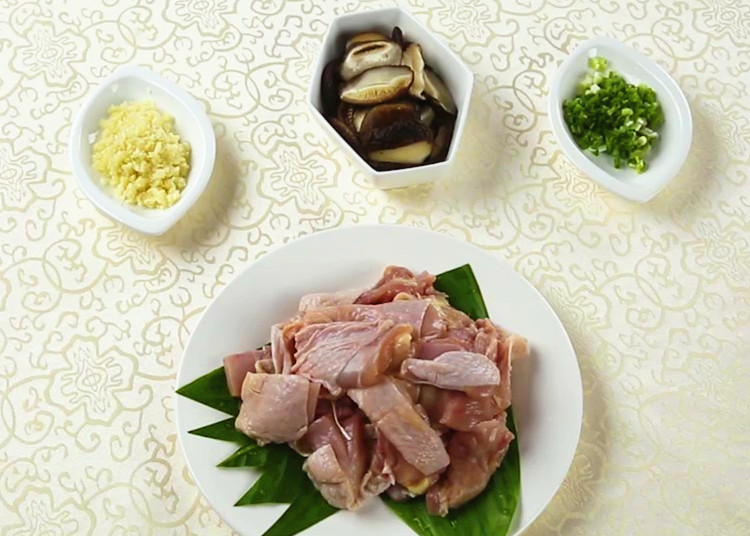
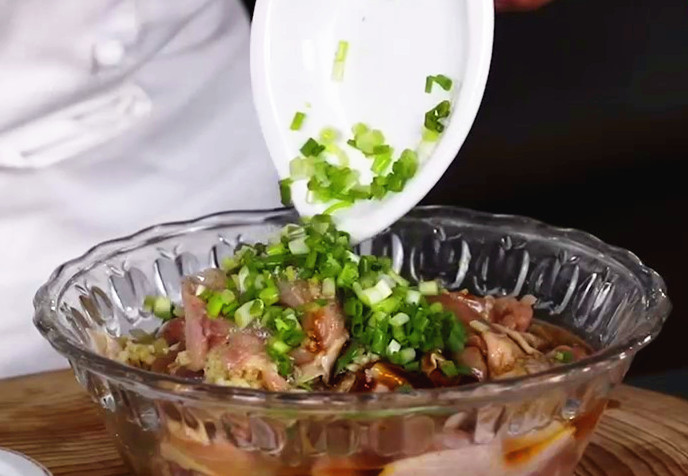
1.选用质地细嫩,鲜味足的动物性原料为主料,加工成薄片、细丝或丁等小型形状;鲜香味浓的植物性原料如香菇、鲜蘑、香菜等为配料,加工成细小状。
1. Select animal raw materials with delicate texture and sufficient flavor as the main material and process them into small shapes such as flakes, filaments or Ding; Plant raw materials with strong fresh flavor, such as mushroom, fresh mushroom and coriander, are processed into fine shape.
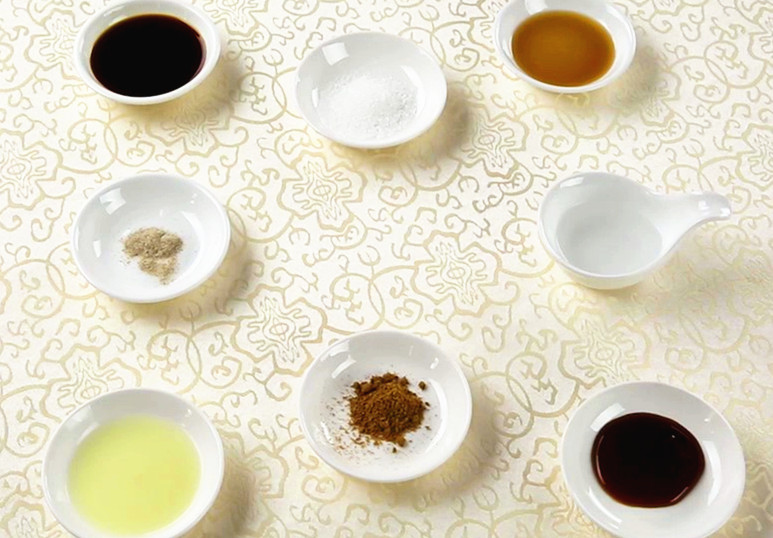
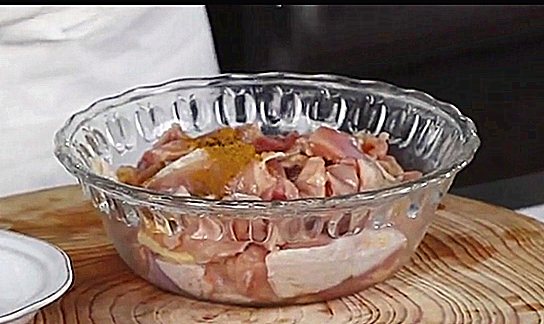
2.原料调味适度,要清淡,突出鲜香滋味,口味以鲜咸为主。常用的调料有:葱姜汁、料酒、盐、味精、白糖、蚝油、胡椒粉、香油、蒜汁等。
2. The seasoning of raw materials should be moderate, light, and highlight the delicious taste. The taste is mainly fresh and salty. The commonly used condiments are: onion and ginger juice, cooking wine, salt, monosodium glutamate, sugar, oyster sauce, pepper, sesame oil, garlic juice, etc.
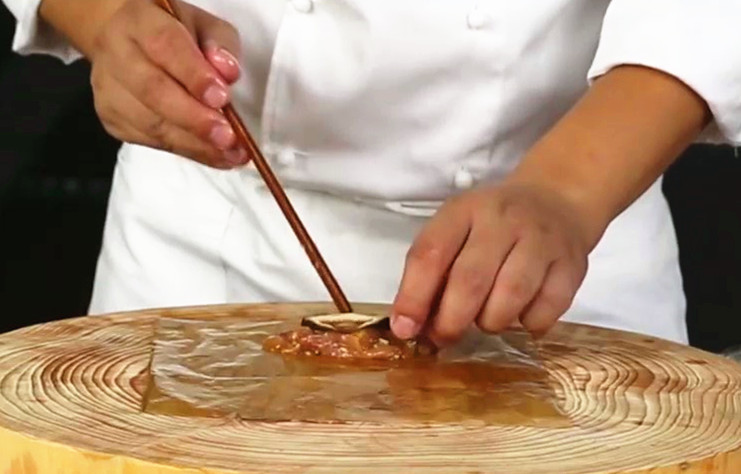
3.包裹要严实,保证过油时不松散。包料的纸一般裁成约300px见方,在纸的一角摊平原料,然后包折成长方形、正方形或三角形等。
3. The package shall be tight to ensure that it is not loose when it is oiled. The wrapping paper is generally cut into about 300px square, spread the raw materials at one corner of the paper, and then wrap and fold into rectangle, square or triangle.
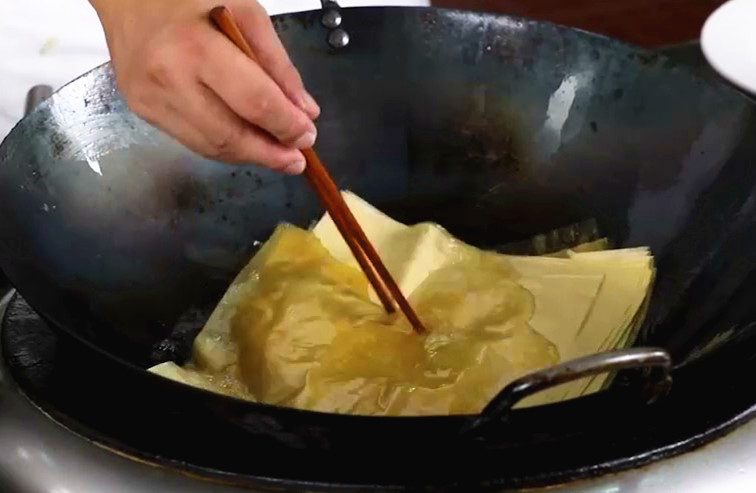
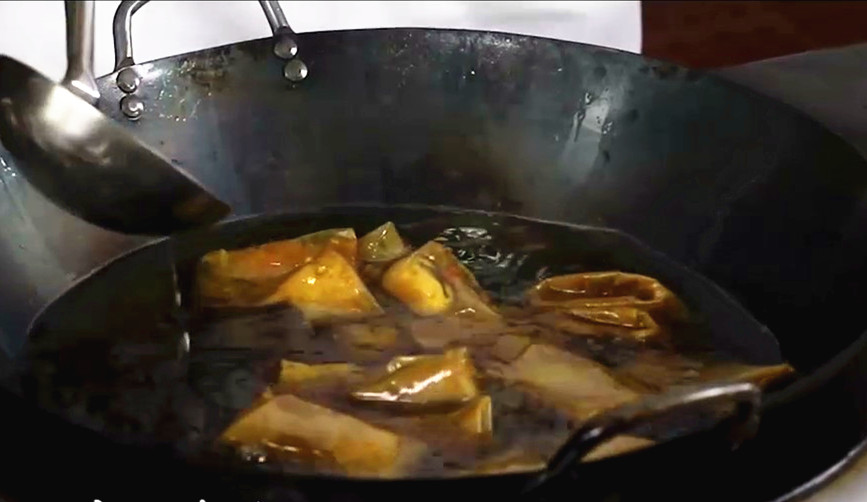
4.炸时要用较低的油温。油温应控制在三成热左右下入原料,随后再用小火慢慢升温,使之成熟而保特鲜嫩,一般纸包随着油温升高逐渐透明并渐渐上浮,切不可加热过度。
4. Use lower oil temperature when frying. The oil temperature should be controlled at about 30% of the heat, and then the raw materials should be put into it, and then slowly heat up with a low fire to make it mature and fresh. Generally, the paper package will gradually become transparent and float upward with the increase of oil temperature. Do not heat it too much.
5.原料成熟后,沥油,整齐装盘,根据菜肴特点选择性的带调味料上席。辅助调味料一般有辣酱油、美极鲜酱油等。
5. After the raw materials are mature, drain the oil, put them on the plate neatly, and selectively bring seasonings to the table according to the characteristics of the dishes. Auxiliary condiments generally include spicy soy sauce, Meiji fresh soy sauce, etc.
【代表菜品】/Representative dishes
广东菜“威化海鲜沙律卷”(见图2-3-1),江苏菜“蚝油纸包鸡”,四川菜“谭氏纸包鱼”(见图2-3-2),湖南菜“纸包田鸡”,北京菜“灯笼鸡”、“纸包三样”等。
Guangdong cuisine "Weihua seafood salad roll" (see figure 2-3-1), Jiangsu cuisine "oyster sauce paper wrapped chicken", Sichuan cuisine "Tan's paper wrapped fish" (see figure 2-3-2), Hunan cuisine "paper wrapped chicken", Beijing cuisine "Lantern chicken" and "three kinds of paper wrapped chicken", etc.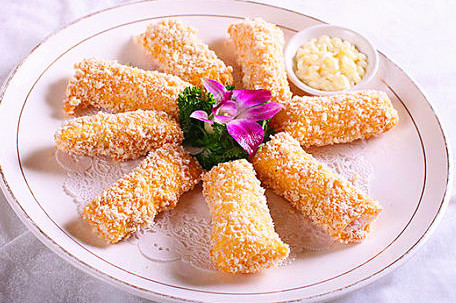
图 2-3-1 威化海鲜沙律卷 Fig. 2-3-1 Weihua seafood salad roll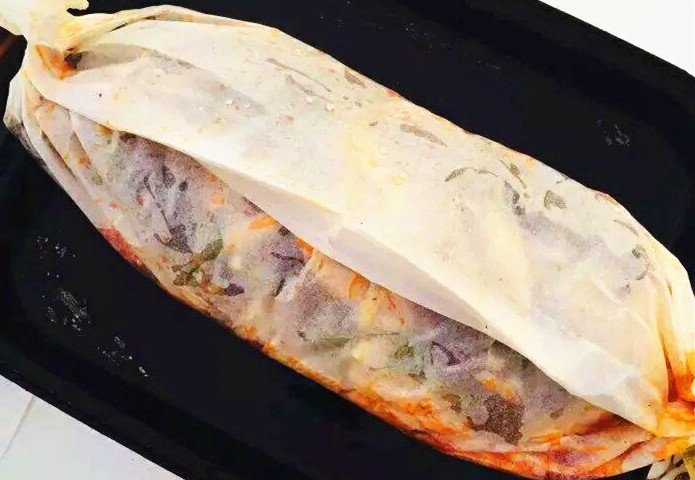
图 2-3-2 谭氏纸包鱼 Fig. 2-3-2 Tan's paper wrapped fish