-
1 知识储备——干炸...
-
2 实训示例——干杂...
-
3 拓展学习资料(&nb...
知识储备——干炸
Knowledge reserve——Dry frying technique
【技法介绍】/Introduction to techniques
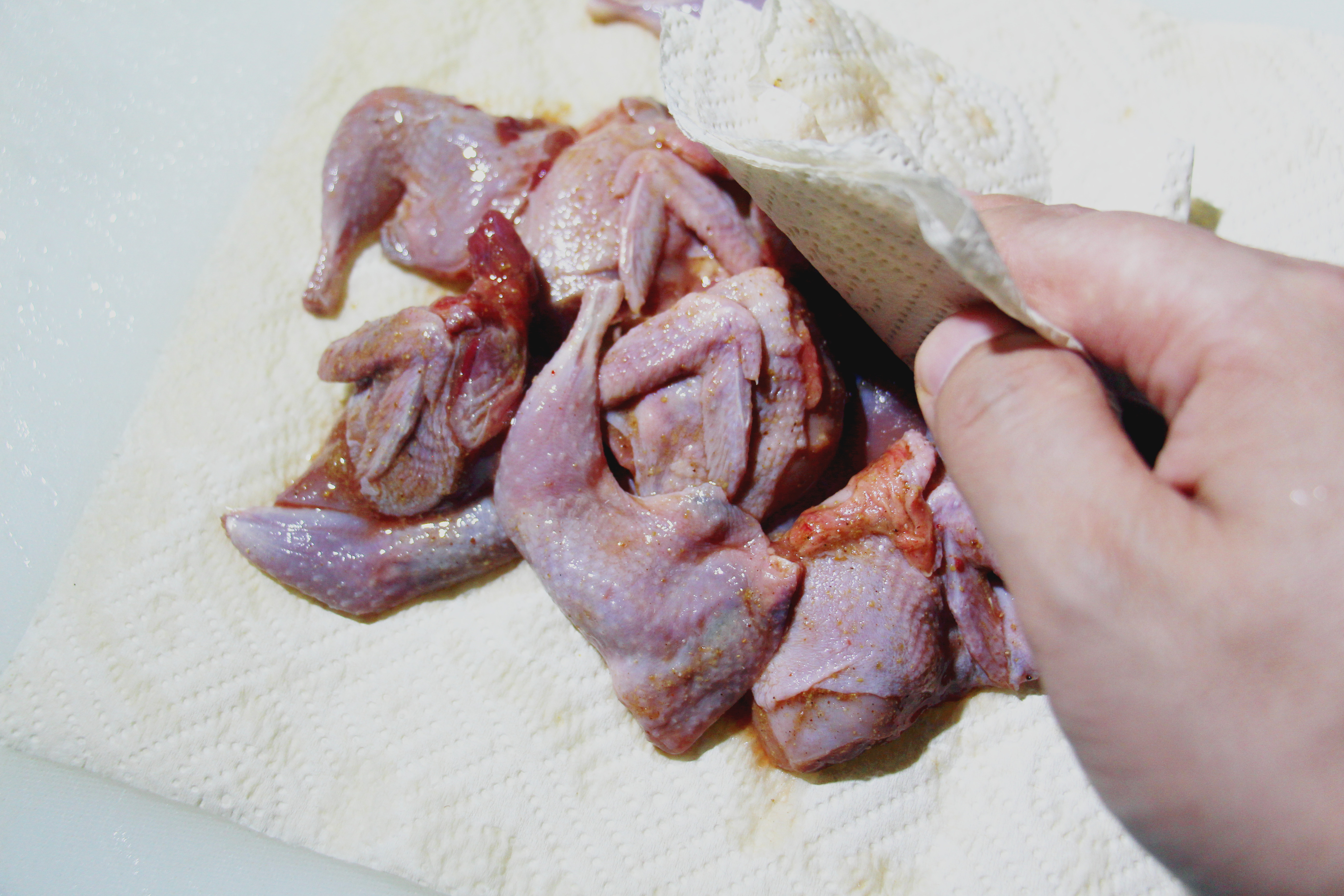
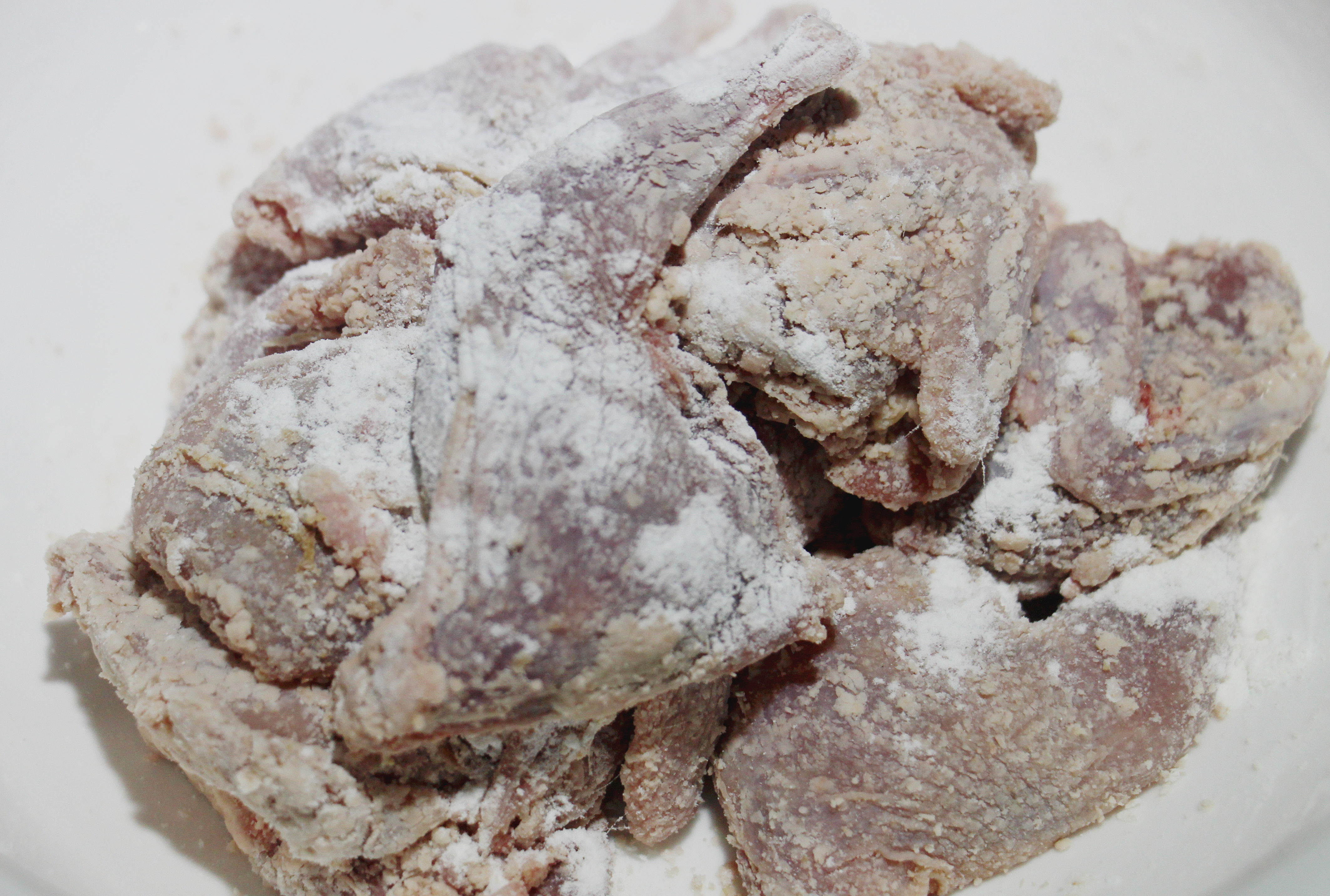
将原料经刀工处理后加入调味料腌制入味,再拍粉或挂糊后放入油锅中炸至原料呈现香、酥、脆的特点,这种加热方法叫干炸法。干炸的特点为菜肴的内外都酥,色泽金黄。一般情况下,干炸与清炸不同的是,原料要经拍粉处理,所用的油温低于清炸的油温。
After the raw materials are processed by knife workers, add seasoning to marinate and taste, then pat powder or hang paste and fry them in an oil pan until the raw materials are fragrant, crisp and crisp. This heating method is called dry frying method. Dry fried dishes are characterized by crispy inside and outside and golden color. In general, the difference between dry frying and clear frying is that the raw materials should be powdered, and the oil temperature used is lower than that of clear frying.
【技法要求】/Technical requirements
1.制作干炸菜的原料较其他炸法广泛,既可是动物性的肉类,如猪肉、牛肉、羊肉、大虾、虾仁、仔鸭、鱼肉等,也可是植物性的蔬菜原料,如豆角、平菇、嫩藕、香菜、香椿等。
1. The raw materials for making dry fried vegetables are more extensive than other frying methods. They can be animal meat, such as pork, beef, mutton, prawns, shrimps, young ducks, fish, etc., but also plant vegetable raw materials, such as beans, Pleurotus ostreatus, tender lotus root, coriander, Chinese toon, etc.
3.腌制时不论是动物性原料还是植物性原料,加盐量—定要掌握好,以占整个口味的八成左右为宜,如过多,味道太咸,使人无法食用。
3. When pickling, whether animal or plant raw materials, the amount of salt must be well controlled, accounting for about 80% of the whole taste. If it is too much, the taste is too salty to be edible.
4.在原料表面进行均匀拍粉或挂糊过程中注意避免裹附不均匀。
4. Take care to avoid uneven coating during uniform powder beating or paste hanging on the surface of raw materials.
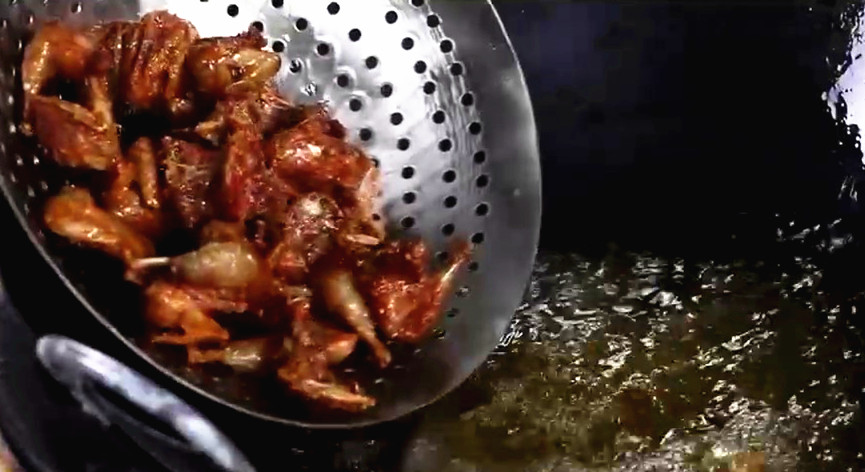
5.油温一般控制在5至6成热,原料下锅时应逐一分散下锅。原料下入油锅后,不要马上翻动,应待结壳发硬时进行,并把粘连的用手勺轻轻敲开,然后转小火加热至成熟。
5. The oil temperature is generally controlled at 50 to 60% heat. When the raw materials are put into the pot, they should be put into the pot one by one. After the raw materials are put into the oil pan, don't turn them over immediately. It should be carried out when the crust is hard, and gently knock open the adhesive with a hand spoon, and then turn to low heat to mature.
6.炸制时应用手勺不停地翻动原料,以便成熟—致,待达到最佳效果时快速捞出。—般是挂糊的原料至色泽金黄为好,茸泥状原料以炸至色泽金红为佳。
6. When frying, use the hand spoon to turn over the raw materials continuously, so as to mature and bring them out quickly when the best effect is achieved Generally, it is better to hang the paste until the color is golden, and it is better to fry the mashed raw materials until the color is golden red.
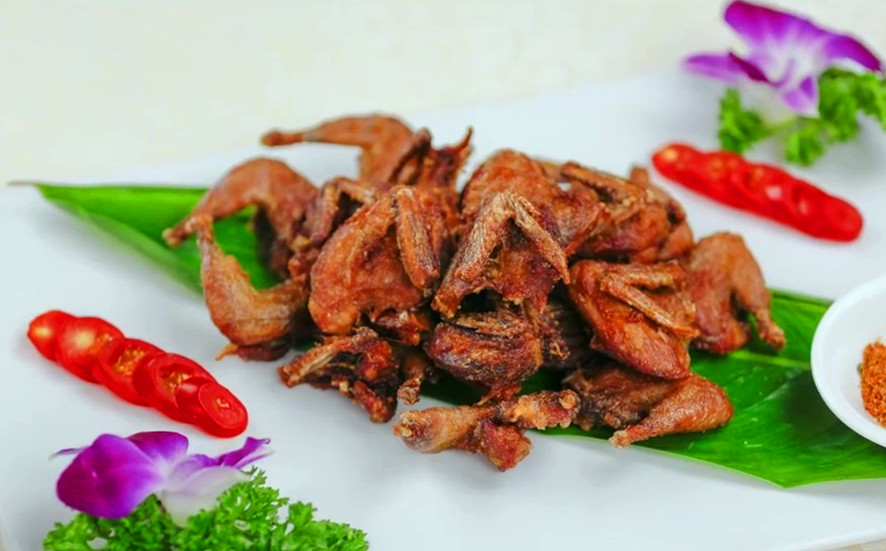
7.干炸菜肴炸好后,可以装盘直接食用,但也可以根据消费者的个人爱好配一些特色味碟搭配食用。传统的有花椒盐、甜面酱、辣酱油等,也可以运用不同风味的酱料调配味碟,如果香辣酱、果酱、椒盐等。
7. Dry fried dishes can be served directly after frying, but they can also be served with some special dishes according to consumers' personal preferences. The traditional ones include pepper salt, sweet flour sauce, chili sauce oil, etc. you can also use sauces with different flavors to prepare flavor dishes, such as chili sauce, jam, pepper and salt, etc.
【代表菜品】/Representative dishes
四川菜“炸酥肉”(见图2-2-1)“干炸菜花”,浙江菜“干炸响铃”,山东菜“干炸里脊”,福建菜“干炸海蛎”,广东菜“干炸大蚝”“干炸虾枣”,江西菜“干炸猪肉丸子”,海南菜“干炸带鱼”(见图2-2-2)“椒盐鱿鱼”,云南菜“干炸小银鱼”等。
Sichuan cuisine "fried crisp meat" (see figure 2-2-1) "dry fried cauliflower", Zhejiang cuisine "dry fried bell", Shandong cuisine "dry fried tenderloin", Fujian cuisine "dry fried oyster", Guangdong cuisine "dry fried oyster", "dry fried shrimp jujube", Jiangxi cuisine "dry fried Pork Ball", Hainan cuisine "dry fried hairtail" (see figure 2-2-2) "pepper and salt squid", Yunnan cuisine "dry fried small silverfish", etc.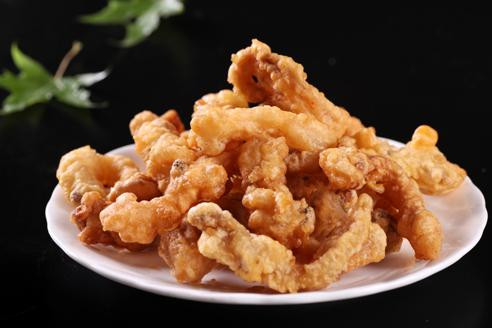
图 2-2-1 炸酥肉 Fig. 2-2-1 fried crispy meat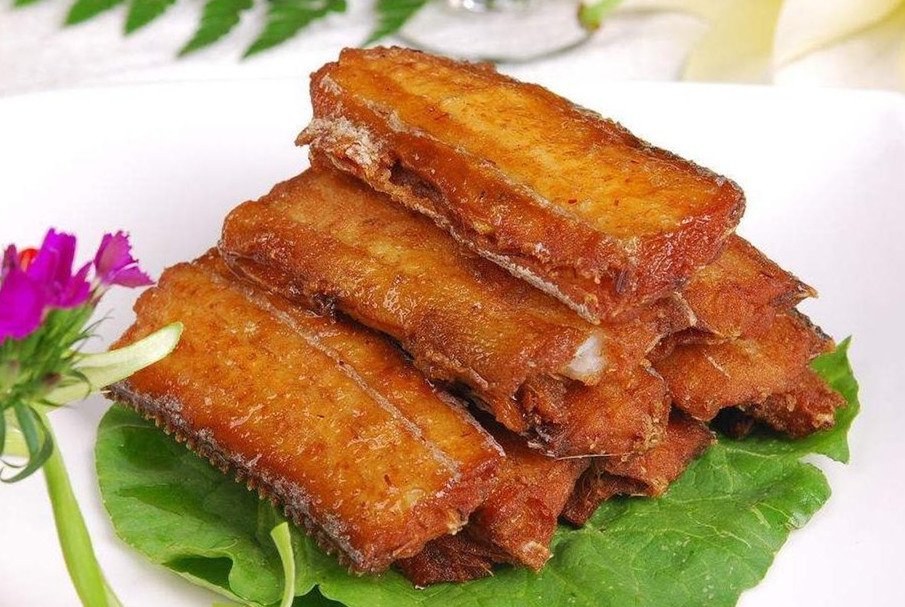
图 2-2-2 干炸带鱼 Fig. 2-2-2 dry fried hairtail