-
1 知识储备——凉拌...
-
2 实训示例——凉拌...
-
3 拓展学习资料(&nb...
知识储备——凉拌
Knowledge reserve——Cold mixing technique
【技法介绍】/Introduction to techniques
将适宜生吃或者煮熟后晾凉的食材加工成丝、丁、片、块、条等,加入调味料拌匀成菜的烹调技法叫凉拌法。拌制类菜肴用料广泛,品种丰富,味型多样,成品大都具有鲜嫩柔脆,清利爽口的特点。拌制法的调味味型因菜品不同有较大的差异,有的仅用“三合油汁”调拌;有的在基本调味的基础上,根据食者口味要求和原料性质,也可酌加其他调味品调拌。
The cooking technique of processing raw or cooked food materials into silk, diced, slices, pieces, strips, etc., adding seasonings and mixing them into vegetables is called cold mixing method. Mixed dishes use a wide range of materials, rich varieties and various flavors. Most of the finished products are fresh, tender, soft and crisp, clear and refreshing. The seasoning and flavor types of mixing method vary greatly due to different dishes. Some only use "Sanhe oil juice" to mix; Some can also add other condiments on the basis of basic seasoning according to the taste requirements of the eater and the nature of raw materials.
凉拌在具体操作中分为生拌、熟拌和生熟拌三种。生拌是将可食的生料经刀工处理后,直接加入调味汁拌制成为菜品的作法。生拌的原料多用新鲜脆嫩、含水量较商的植物性原料或其它可生食的原料,原料必须先洗净、消毒后切成丝、片、条等形状,再加调味品拌制;熟拌是将加工成熟的冷菜原料,加入调味品调拌成为菜品的方法。熟拌的原料在拌制前均要进行炸、煮、焯、汆、蒸、烧烤等热处理;生熟拌是将生、熟主料和辅料分别改刀,按不同比例混合加入调味品拌制成菜品的一种方法。
Cold mix is divided into raw mix, cooked mix and raw and cooked mix in specific operation. Raw mixing is the method of mixing edible raw materials into dishes by directly adding seasoning after being treated by knife workers. Raw materials are mostly fresh, crisp and tender, plant materials with commercial water content or other raw edible materials. The raw materials must be washed and disinfected before being cut into silk, slices, strips and other shapes, and then mixed with condiments; Cooked mixing is the method of mixing the processed cold dish raw materials with condiments to become dishes. The cooked and mixed raw materials shall be subject to heat treatment such as frying, boiling, blanching, boiling, steaming and barbecue before mixing; Raw and cooked mixing is a method to change the raw and cooked main materials and auxiliary materials respectively, mix them according to different proportions, add condiments and mix them into dishes.
【技法要求】/Technical requirements
1.尽量选用质地优良、新鲜细嫩的原料,拌菜的原料切制要求都是细、小、薄的,这样可以扩大原料与调味品接触的面积。
1. Try to choose fresh and tender raw materials with good texture. The cutting requirements of raw materials for mixing vegetables are fine, small and thin, which can expand the contact area between raw materials and condiments.
2.要注意调色、调味、以料助香。
2. Pay attention to color matching, seasoning and fragrance with materials.
3.有些凉拌原料需要加热制熟,应注意掌握好火候,原料的成熟度要恰当好处,要保持脆嫩的质地和碧绿青翠的色泽,老韧的原料,则应煮熟烂之后再拌。
3. Some cold ingredients need to be heated and cooked. Pay attention to the heat. The maturity of the raw materials should be appropriate. The crisp and tender texture and green color should be maintained. The old and tough raw materials should be cooked before mixing.
4.拌凉菜必须十分注意卫生,做到专间、专人、专用工具,严格按照卫生规范操作。
4. When mixing cold dishes, great attention must be paid to hygiene, so that special rooms, special personnel and special tools can be used, and the operation shall be carried out in strict accordance with hygiene standards.
【代表菜品】/Representative dishes
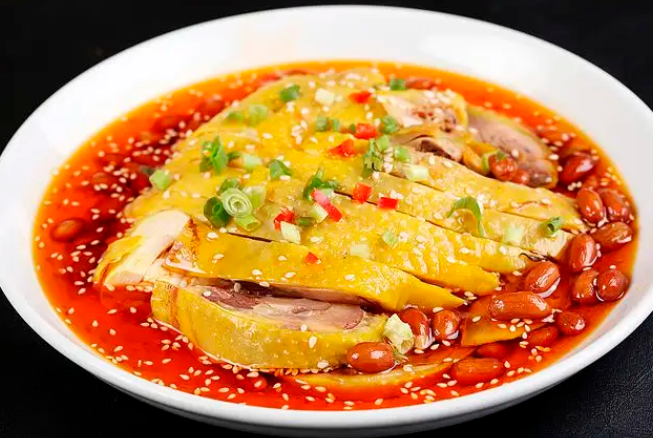
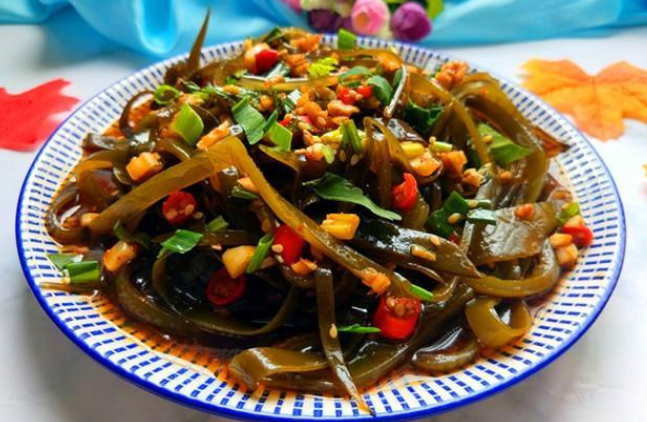
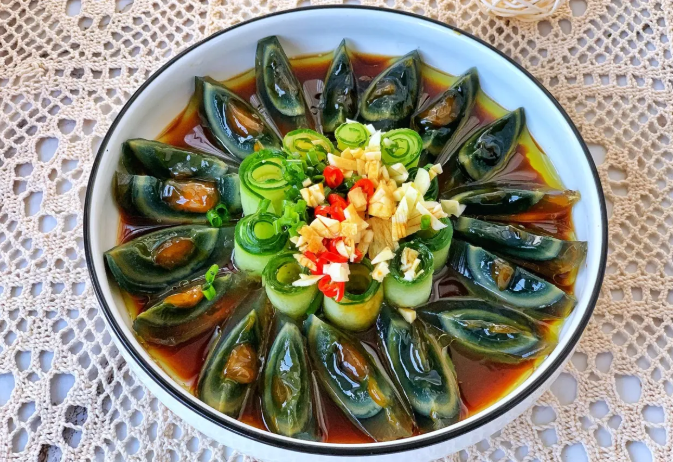
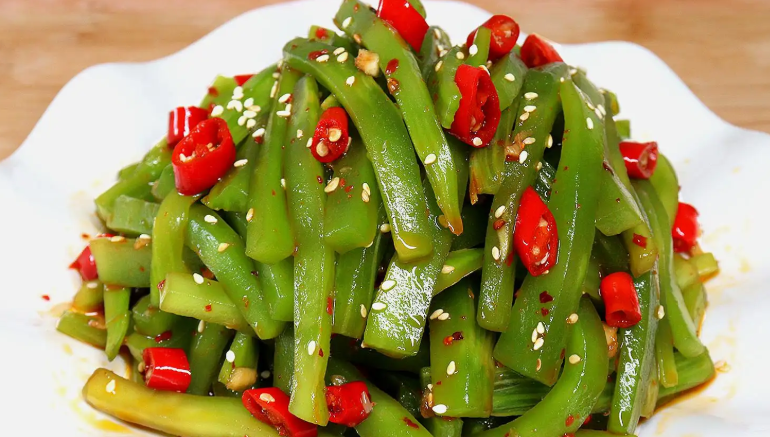
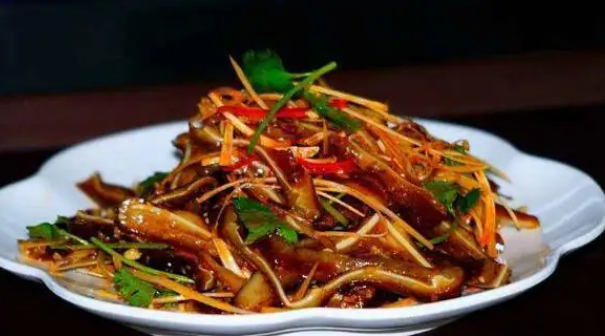
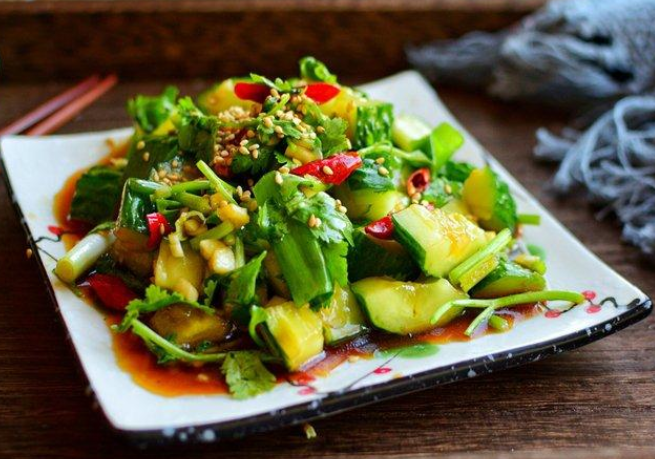
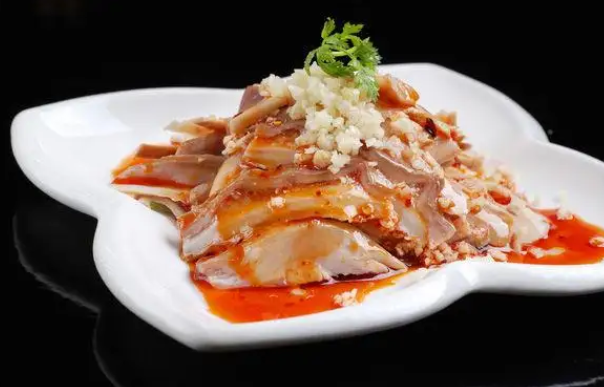
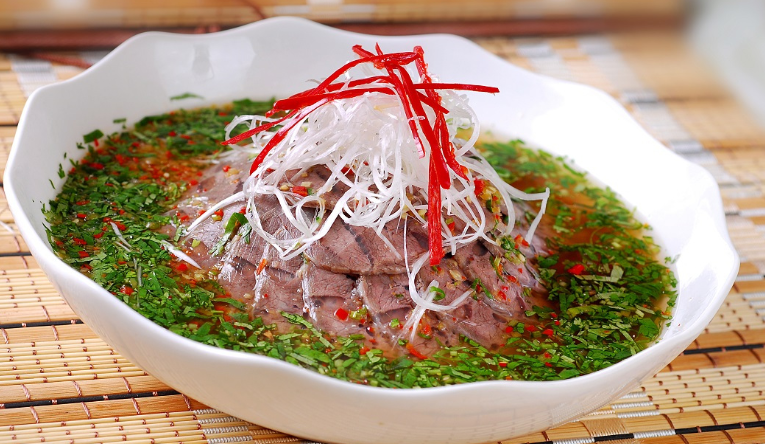
四川菜“红油猪耳”、“夫妻肺片”、“蒜泥白肉”(见图6-1-1),湖南菜“山椒玉带结”、“美味金蹄”,贵州菜“凉拌鱼腥草”(见图6-1-1),云南菜“生拌羊血”,广西菜“白切柠檬鸭”,广东菜“潮式卤味”等。
Sichuan cuisine "red oil pig ears", "husband and wife lung slices", "white meat with garlic" (see Fig. 6-1-1), Hunan cuisine "jade knot with mountain pepper", "delicious golden hoof", Guizhou cuisine "cold Houttuynia cordata" (see Fig. 6-1-1), Yunnan cuisine "raw mixed sheep blood", Guangxi cuisine "white cut lemon duck", Guangdong cuisine "tidal marinated flavor", etc.
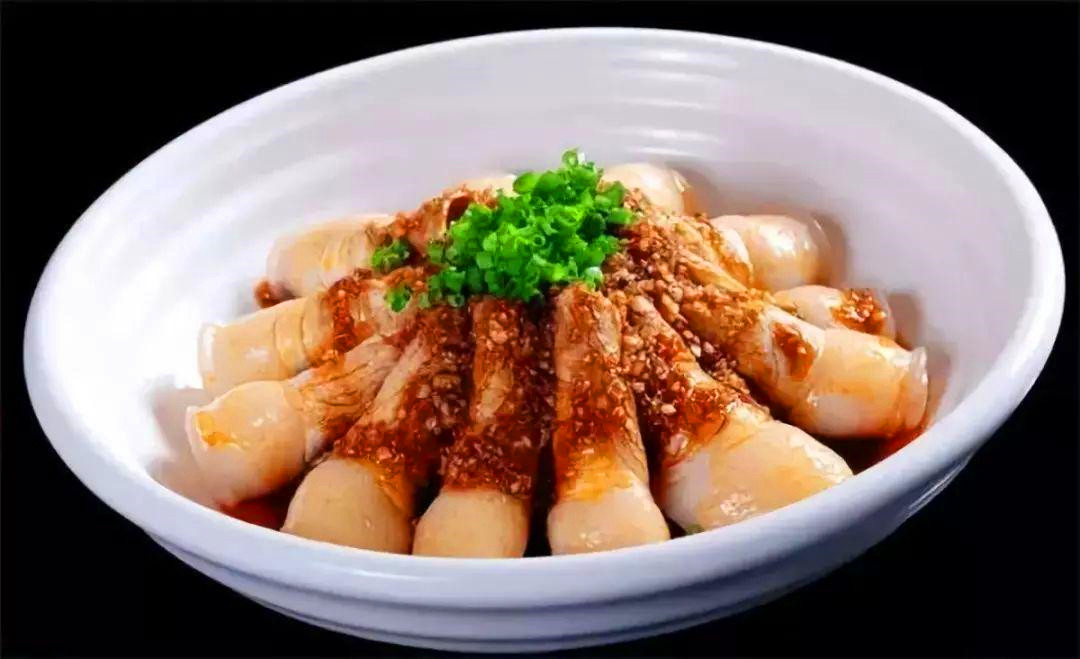
图 6-1-1 蒜泥白肉 Fig. 6-1-1 white meat with mashed garlic
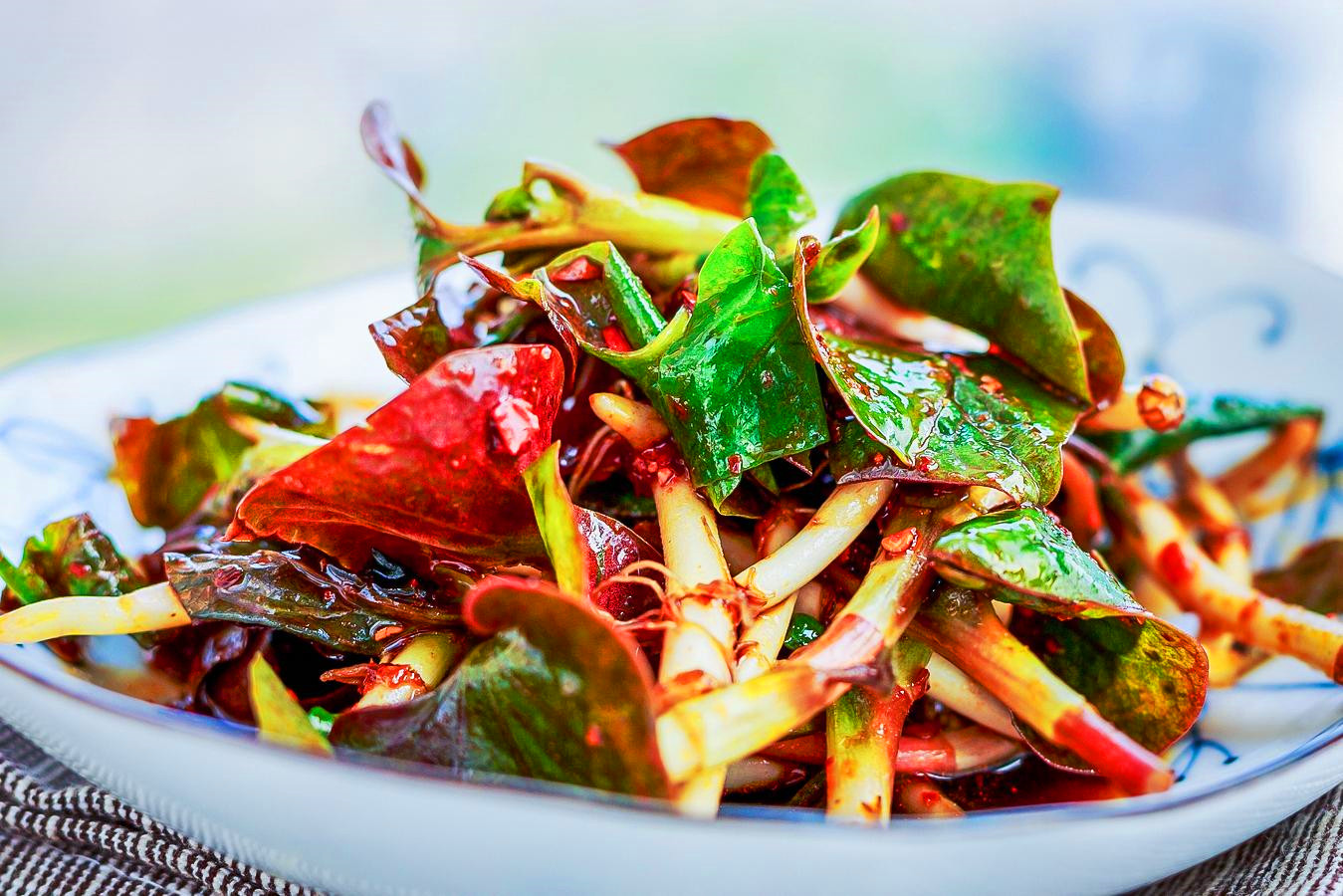
图 6-1-2 凉拌鱼腥草 Fig. 6-1-2 cold Houttuynia cordata