目录

  • 1 绪论(Introduction)
    • 1.1 中式烹调工艺概述(Overview of Chinese cooking technology)
  • 2 锅烹类技法实训(Pot cooking skills training)
    • 2.1 学习目标(Learning objectives)
    • 2.2 锅烹类技法导读(Introduction to pot cooking techniques)
    • 2.3 项目一:滑炒技法(Item 1: Slippery frying technique)
    • 2.4 项目二:爆炒技法(Item 2: Stir fry technique)
    • 2.5 项目三:清炒技法(Item 3: Clear frying technique)
    • 2.6 项目四:生炒技法(Item 4:Raw frying technique)
    • 2.7 项目五:熟炒技法(Item 5:Cooked frying technique)
    • 2.8 项目六:煸炒技法(Item 6:Stir-fry technique)
    • 2.9 项目七:贴制技法(Item 7:Paste technique)
    • 2.10 项目八:煎制技法(Item 8:Decocting technique)
    • 2.11 项目九:盐焗技法(Item 9:Salt baking technique)
    • 2.12 本章小结(Summary of this chapter)
    • 2.13 本章检测题(Test questions in this chapter)
  • 3 油烹类技法实训(Oil cooking skills training)
    • 3.1 学习目标(Learning objectives)
    • 3.2 油烹类技法导读(Introduction to oil cooking techniques)
    • 3.3 项目一:清炸技法(Item 1:Blasting technique)
    • 3.4 项目二:干炸技法(Item 2:Dry frying technique)
    • 3.5 项目三:纸包炸技法(Item 3:Paper fried technique)
    • 3.6 项目四:卷炸技法(Item 4:Roll blasting technique)
    • 3.7 项目五:碎屑料炸技法(Item 5:Chip blasting technique)
    • 3.8 项目六:泡油炒技法(Item 6:Oil soaking frying technique)
    • 3.9 项目七:红烧技法(Item 7:Braised technique)
    • 3.10 项目八:红扣技法(Item 8:Red button technique)
    • 3.11 项目九:脆熘技法(Item 9:Crispy frying technique)
    • 3.12 本章小结(Summary of this chapter)
    • 3.13 本章检测题(Test questions in this chapter)
  • 4 水烹类技法实训(Practical training of water cooking techniques)
    • 4.1 学习目标(Learning objectives)
    • 4.2 水烹类技法导读(Introduction to water cooking techniques)
    • 4.3 项目一:煮制技法(Item 1:Boiling technique)
    • 4.4 项目二:浸制技法(Item 2:Soaking technique)
    • 4.5 项目三:灼制技法(Item 3:Poaching technique)
    • 4.6 项目四:烩制技法(Item 4:Decocting technique)
    • 4.7 项目五:煲制技法(Item 5:Stewing technique)
    • 4.8 项目六:煨制技法(Item 6:Simmering technique)
    • 4.9 项目七:焖制技法(Item 7:Braiseing technique )
    • 4.10 本章小结(Summary of this chapter)
    • 4.11 本章检测题(Test questions in this chapter)
  • 5 汽烹类技法实训(Steam cooking skills training)
    • 5.1 学习目标(Learning objectives)
    • 5.2 汽烹类技法导读(Introduction to steam cooking techniques)
    • 5.3 项目一:清蒸技法(Item 1:Steaming technique)
    • 5.4 项目二:干蒸技法(Item 2:Dry steaming technique)
    • 5.5 项目三:粉蒸技法(Item 3:Dteaming with flour technique)
    • 5.6 项目四:蒸扣技法(Item 4:Bowl steaming technique)
    • 5.7 项目五:蒸瓤技法(Item 5:Stuffing steaming technique)
    • 5.8 项目六:蒸炖技法(Item 6:Steaming and Stewing technique)
    • 5.9 本章小结(Summary of this chapter)
    • 5.10 本章检测题(Test questions in this chapter)
  • 6 辐射类技法实训(Training of Radiation Cooking Techniques)
    • 6.1 学习目标(Learning objectives)
    • 6.2 辐射类技法导读(Introduction to Radiation Cooking Techniques)
    • 6.3 项目一:明炉烤技法(Item 1:Open-oven roasting technique)
    • 6.4 项目二:暗炉烤技法(Item 2:Closed-oven roasting technique)
    • 6.5 项目三:泥烤技法(Item 3:Mud roasting technique)
    • 6.6 项目四:烘烤技法(Item 4:Baking roasting technique)
    • 6.7 本章小结(Summary of this chapter)
    • 6.8 本章检测题(Test questions in this chapter)
  • 7 特殊类技法实训(Training of Special Cooking Techniques)
    • 7.1 学习目标(Learning objectives)
    • 7.2 特殊类技法导读(Introduction to special techniques Techniques)
    • 7.3 项目一:凉拌技法(Item 1:Cold mixing technique)
    • 7.4 项目二:制冻技法(Item 2:Cold jelly technique)
    • 7.5 项目三:生醉技法(Item 3:live alcohol-saturating technique)
    • 7.6 项目四:熟醉技法(Item 4:Alcohol-cooking technique)
    • 7.7 项目五:拔丝技法(Item 5:Wire drawing technique)
    • 7.8 项目六:制羹技法(Item 6:Thick soup making technique)
    • 7.9 项目七:铁扒技法(Item 7:Grilling technique)
    • 7.10 项目八:熏制技法(Item 8:Smoking technique)
    • 7.11 本章小结(Summary of this chapter)
    • 7.12 本章检测题(Test questions in this chapter)
项目九:盐焗技法(Item 9:Salt baking technique)
  • 1 知识储备——焗法...
  • 2 实训示例——盐焗...
  • 3 拓展学习资料(&nb...

知识储备——盐焗法

Knowledge reserve——Salt baking technique

技法介绍/Introduction to techniques

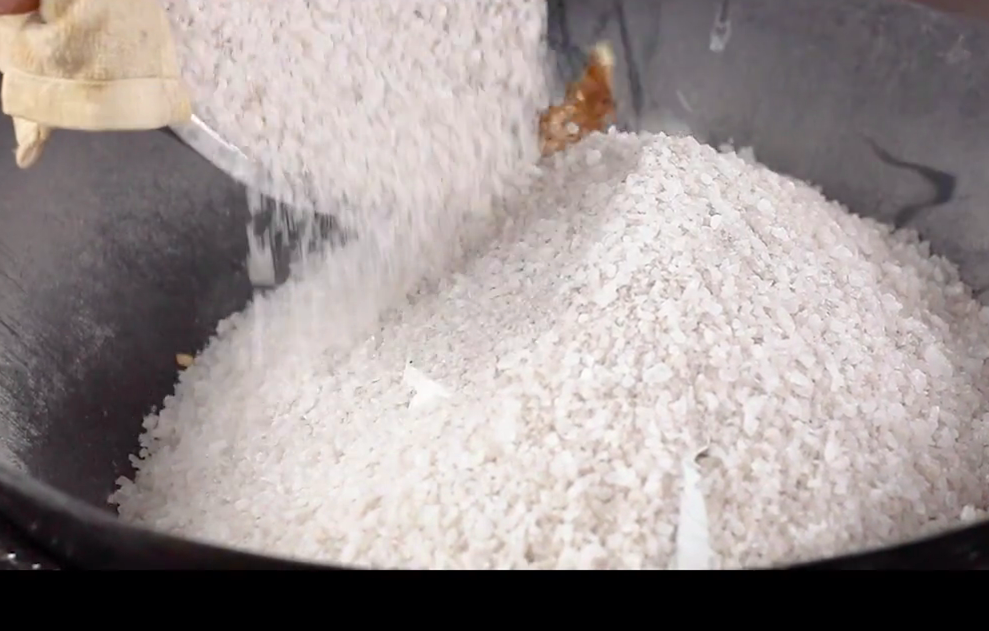
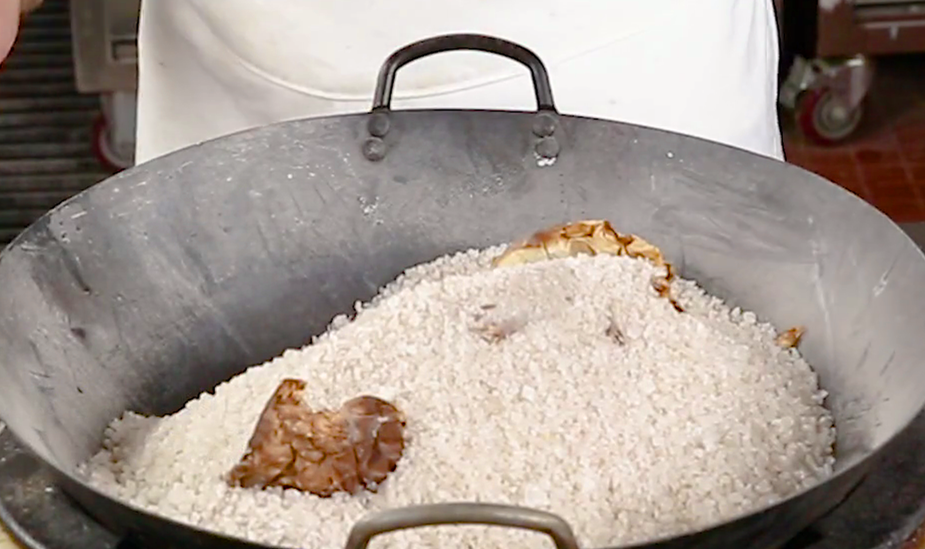
将烹饪原料经过腌制入味,用棉纸或荷叶、锡纸等包裹好,放入经过炒热高温的多量粗盐里,利用盐作为传热介质将热量传给原料,让原料受热焗熟至焦香,这种加热方法叫做盐焗法。用盐焗法制作菜肴,要事先腌制入味,调味要准,用棉纸一定要包裹好,用粗盐焗时,一定要掌握好火候。

Marinate the cooking raw materials, wrap them with cotton paper (or lotus leaves, tin foil, etc.), put them into a large amount of coarse salt that has been heated to high temperature, use the coarse salt as the heat transfer medium to transfer the heat to the raw materials, and let the raw materials be heated and baked until they are burnt. This heating method is called salt baking method. When making dishes with salt baking method, it is necessary to marinate and taste them in advance, the seasoning should be accurate, wrap them with cotton paper, and master the heat when baking with coarse salt.

盐焗利用物理热传导的机理,用盐作导热介质使原料成熟,加热时间以原料成熟为准,一般不太长,从而保持原料的质感和鲜味。用绵纸等包裹加热,可以使原料中的水分有一定程度的散发,这也起到浓缩原料鲜味的效果。焗是广东方言中烤的意思。

Salt baking uses the mechanism of physical heat conduction and uses salt as the heat conduction medium to make the raw materials mature. The heating time is subject to the maturity of the raw materials, which is generally not too long, so as to maintain the texture and freshness of the raw materials. Wrapping and heating with cotton paper can make the water in the raw materials disperse to a certain extent, which also has the effect of concentrating the freshness of the raw materials. Baked means baked in Guangdong dialect.

技法要求/Technical requirements

1.可以用来制作盐菜的原料有很多,乳鸽、鸭子、虾、蟹、海螺、花生、腰果、银杏鸡蛋、鹌鹁蛋、山药、小土豆均可以采用这种方法来烹调。

1. There are many raw materials that can be used to make salt baked vegetables. Pigeons, ducks, shrimps, crabs, conches, peanuts, cashew nuts, ginkgo eggs, quail eggs, yams and small potatoes can all be cooked in this way.

2.炒盐过程中,盐中的主要成分氯化钠在加热条件下,对铁锅损害较大,因此最好用旧铁锅来制作,或者用沙锅。

2. In the process of salt frying, sodium chloride, the main component of salt, will cause great damage to the iron pot under heating conditions. Therefore, it is best to use an old iron pot or casserole.

3.盐可以重复利用,但是如果制作盐焗鸡或者盐焗海鲜之类的菜肴,盐最好使用三次后就替换掉。如果用来制作盐焗花生、腰果这种没有汁水的菜肴,盐一般可以重复利用五六次。


3. Salt can be reused, but if you make dishes such as salt baked chicken or salt baked seafood, you'd better replace the salt after three times. If it is used to make salt baked peanuts and cashew nuts, which have no juice, the salt can generally be reused five or six times.

4.掌握好各类食材的焗制时间。鸡750g/只的焗约30min1000g/只的焗约4045min,鸡蛋焗约10min,小土豆焗约2025min,腰果焗约7min,海虾500g不包裹焗约8min、包裹焗约15min,乳鸽重量在300g左右的焗30min

4. Master the baking time of various ingredients. Bake 750g chicken for about 30min, 1000g chicken for about 40-45min, eggs for about 10min, small potatoes for about 20-25min, cashew nuts for about 7min, 500g sea shrimp for about 8min, wrapped for about 15min, and pigeons for about 300g for 30min.

代表菜品/Representative dishes

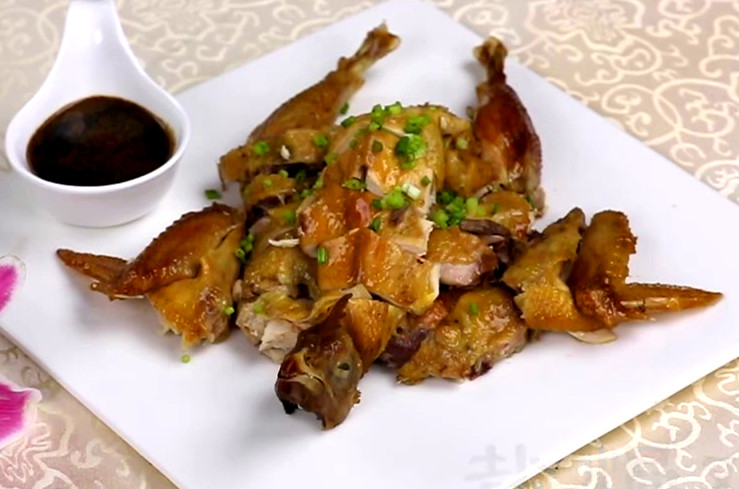
广东菜“梅州盐焗鸡”“客家盐焗猪肚”“盐焗乳鸽”,海南菜“盐焗大虾”“老盐焗文昌鸡”,广西菜“盐焗石斑鱼”“盐焗花蟹”等。

Guangdong cuisine "Meizhou salt baked chicken", "Hakka salt baked pork belly", "salt baked pigeon", Hainan cuisine "salt baked prawns", "old salt baked Wenchang Chicken", Guangxi cuisine "salt baked grouper", "salt baked flower crab", etc.
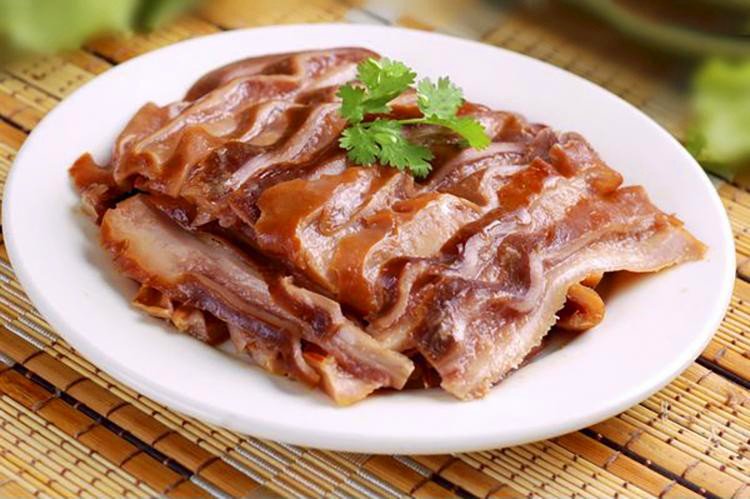
           图 1-9-1 客家盐焗猪肚 Fig. 1-9-1 Hakka salt baked pork tripe
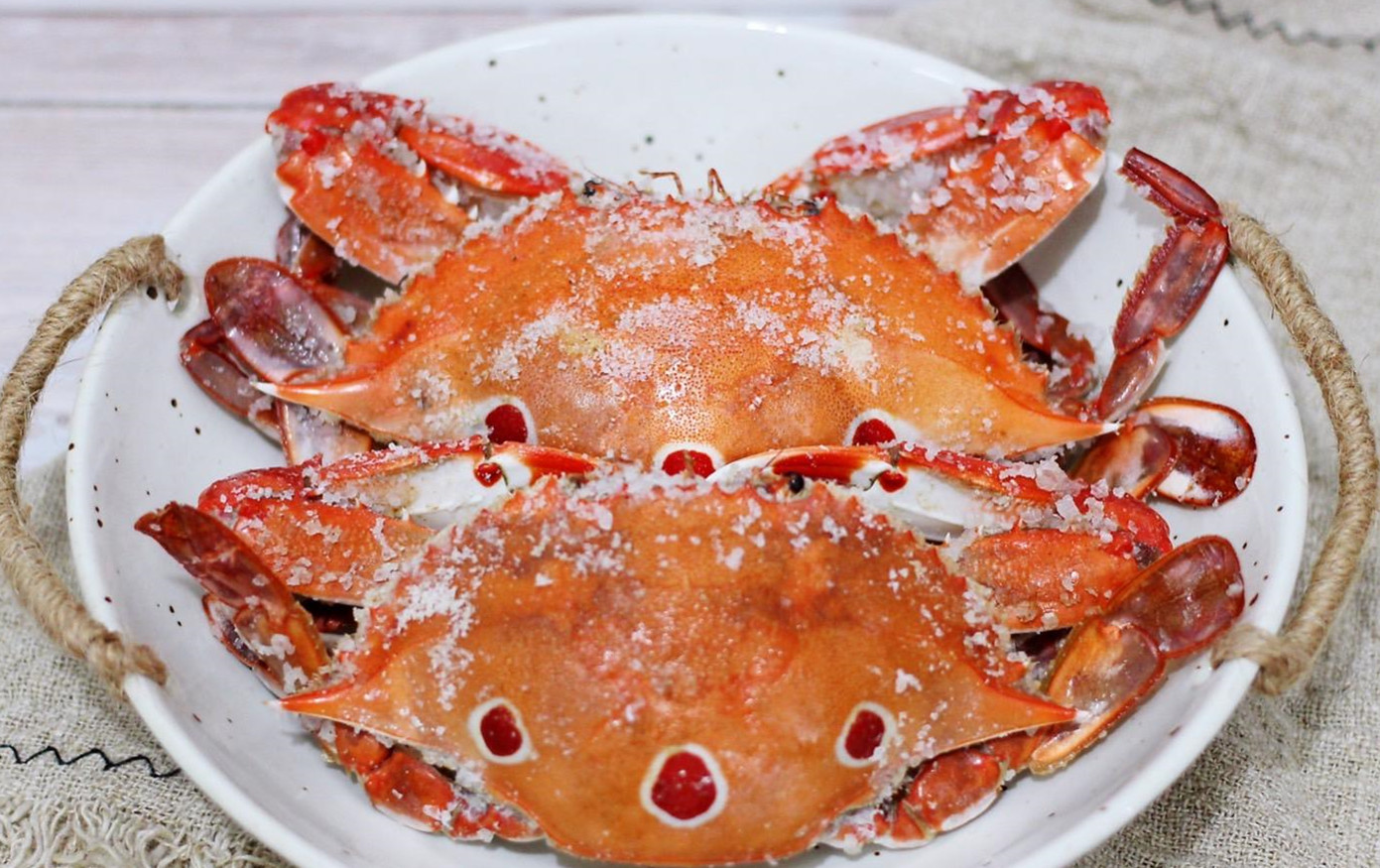
            图 1-9-2 盐焗花蟹 Fig. 1-9-2 baked crab with salt