-
1 知识储备——贴法...
-
2 实训示例——锅贴...
-
3 拓展学习资料(&nb...
知识储备——贴法
Knowledge reserve——Paste technique
【技法介绍】/Introduction to techniques
用两种或两种以上的原料初步整理、刀工成形后整齐沾贴在一起,一般一种原料成片状,另一种原料成泥状,经沾贴后,放入热锅中加热至底部焦黄,加入少量汁,盖上锅盖,加热至熟透,这种方法叫贴法。
After two or more kinds of raw materials are preliminarily sorted and formed by knife workers, they are pasted together neatly. Generally, one raw material is in flake shape and the other raw material is in mud shape. After being pasted, it is put into a hot pot and heated until the bottom is burnt yellow, add a small amount of juice, cover the pot cover and heat until it is cooked. This method is called pasting method.
贴,从字面上解释就是将两种或两种以上物体的某一面紧密地粘合在一起。贴是煎的的延伸和发展,在烹饪中有两层意思,一是将多种原料紧密地叠放结合在一起,是一种加工成型的手法;二是将加工成型的坯料紧贴炒锅内壁进行加热,使之受热成熟的一种烹调方法。由于贴的工艺相对复杂,成品口味单调,一般在饮食行业中尤其是家庭烹饪中使用较少但由于贴的选料相对广泛,烹饪过程中可批量成菜,应用较为方便,所以具有很大的推广价值。
Paste, literally, is to closely bond one side of two or more objects together. Paste is the extension and development of frying, which has two meanings in cooking. One is to closely stack and combine a variety of raw materials, which is a method of processing and molding; Second, it is a cooking method to heat the processed blank close to the inner wall of the frying pan to make it mature. Due to the relatively complex process and monotonous taste of the finished product, it is generally used less in the catering industry, especially in family cooking. However, due to the relatively wide selection of materials, it can be mass cooked in the cooking process, which is more convenient to apply, so it has great promotion value.
【技法要求】/Technical requirements
1.注重原料的选择和成型。应选用鲜嫩、易熟的动物性原料,要求主料鲜味足、无骨且容易成型,一般以鱼、虾、贝及禽、畜的细嫩肌肉组织为主,一般多加工成条、片或蓉泥状。
1. Pay attention to the selection and molding of raw materials. Fresh, tender and easily cooked animal raw materials should be selected. The main materials are required to be delicious, boneless and easy to form. Generally, they are mainly fish, shrimp, shellfish and the delicate muscle tissue of poultry and livestock, which are usually processed into strips, slices or mashed mud.
2.讲究拖糊下料。贴类莱肴生坯应拖糊下锅加热,如果以面包片或馒头片垫底,则可以拖鸡蛋液下锅,也可以不拖糊直接下锅加热。
2. Pay attention to dragging, pasting and blanking. Paste the raw meat into the pot for heating. If bread or steamed bread is used as the bottom, you can drag the egg liquid into the pot or directly into the pot for heating without dragging the paste.
3.选择烹汁时机,强调烹汁效果。贴类菜肴烹入调味汁的作用主要体现在两个方面,一是对莱肴调味,对莱肴最终风味特色的形成具有辅助作用;二是加热,利用调味汁遇热汽化的作用,将热能以对流方式传递给原料,利用蒸、焖的方法使原料成熟。
3. Choose the time of cooking juice and emphasize the effect of cooking juice. The function of seasoning sauce in pasted dishes is mainly reflected in two aspects: one is to season Lai dishes, which plays an auxiliary role in the formation of the final flavor characteristics of Lai dishes; The second is heating, which transfers the heat energy to the raw materials by convection through the vaporization of the sauce when it meets the heat, and makes the raw materials mature by steaming and stewing.
4.注重火候与烹汁量掌握。制作贴法莱肴时,一定要掌握火候,用文火慢慢煎贴,锅铲翻动,动作准确,避免弄散脱落;加调味汁的量要合适,以菜能吸收完味汁为佳。
4. Pay attention to the heat and the amount of cooking juice. When making French food, we must master the heat, fry it slowly with slow fire, turn the spatula, and move accurately to avoid scattering and falling off; The amount of seasoning should be appropriate, and it is better if the dish can absorb the flavor juice.
【代表菜品】/Representative dishes
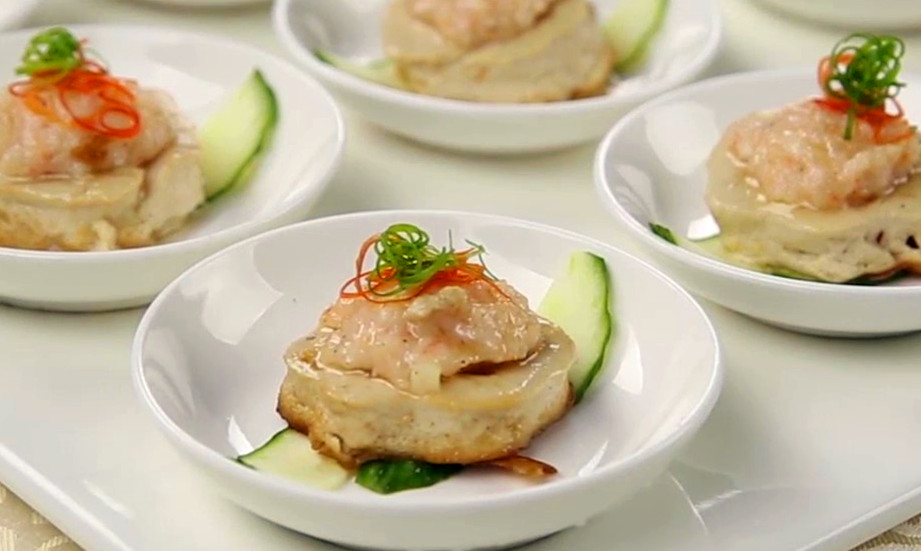
四川菜“韭菜虾仁锅贴”(见图1-7-1)“凤眼鸽蛋”,淮扬菜“锅贴长鱼”“锅贴干贝”,湖南菜“锅贴金钱鸡”,广东菜“海鲜锅贴”(见图1-7-2)等。
Sichuan cuisine "fried shrimp with leek" (see figure 1-7-1) "chicken eye pigeon egg", Huaiyang cuisine "fried fish" and "Fried Scallop", Hunan cuisine "fried chicken with money", Guangdong cuisine "Fried Seafood" (see figure 1-7-2), etc.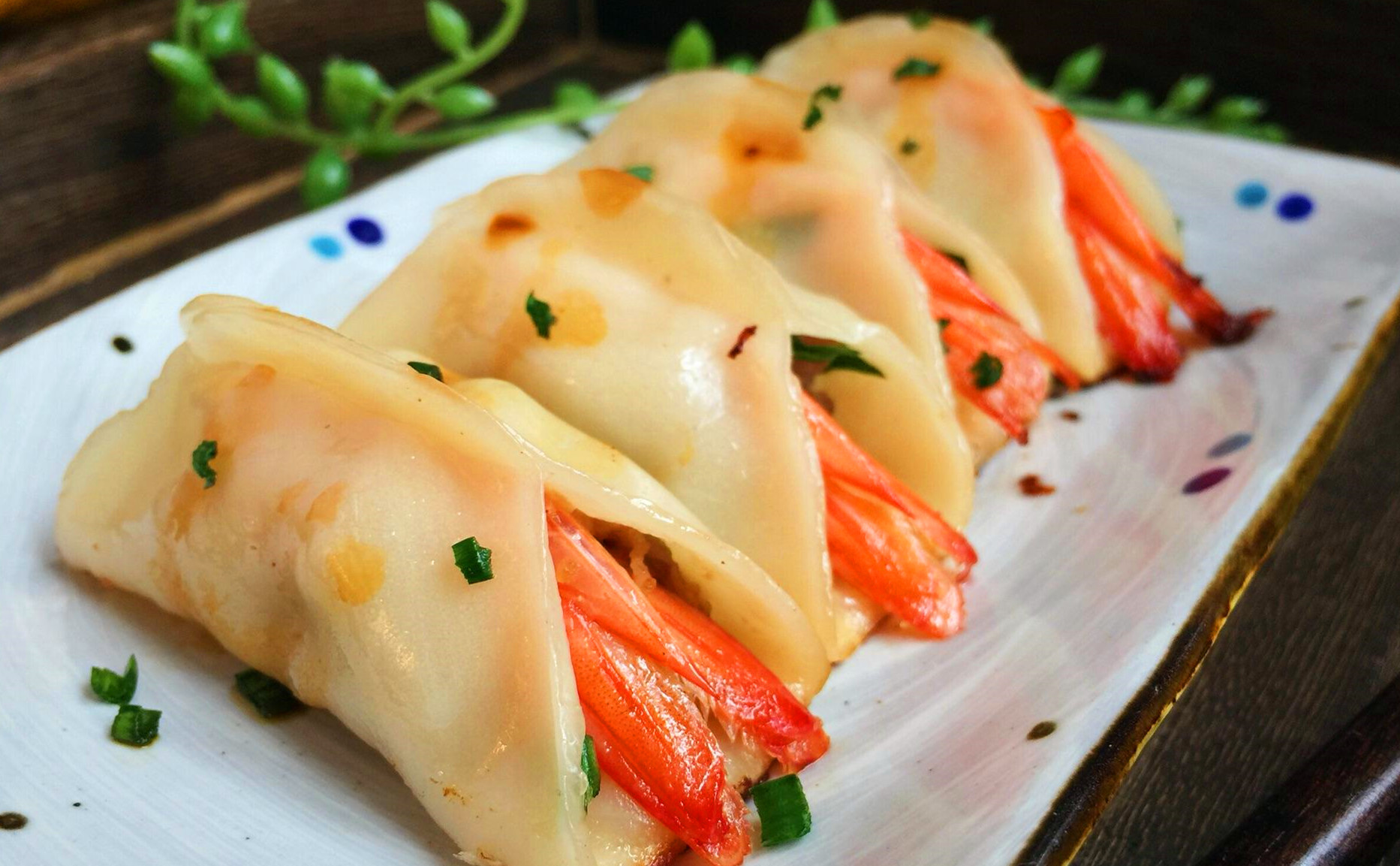
图 1-7-1 韭菜虾仁锅贴 Fig. 1-7-1 fried dumplings with leek and shrimp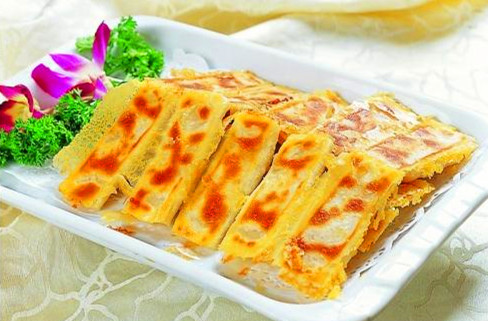
图 1-7-2 海鲜锅贴 Fig. 1-7-2 seafood pot stickers