-
1 知识储备——煸炒...
-
2 实训示例——煸炒...
-
3 拓展学习资料(&nb...
知识储备——煸炒
Knowledge reserve——Stir-fry technique
【技法介绍】/Introduction to techniques
将含水分少的原料加工后放入热锅中,小火慢慢炒去水分,去杂质,上色入味,不加汤汁,不勾芡汁,成菜无汁而干松的烹调技法,叫煸炒法。煸炒又称边炒或干煽,就是用中、小火慢炒慢煸,使原料慢慢除去水分,成菜无汁无芡,质韧味香,味道透人莱中,才能符合质量要求。
After processing the raw materials with less water, put them into a hot pot, fry them slowly over a low heat to remove the water, remove impurities, color and taste, without soup or thicken juice, and the cooking technique is called stir frying. Stir frying, also known as side frying or dry frying, is to stir fry slowly with medium or low fire, so that the raw materials can slowly remove the water, the finished dishes have no juice, no thicken, tough quality, fragrant taste, and the taste is through people's Lai, so as to meet the quality requirements.
传统煸炒技法是锅内加入小油量食用油,投入主料不断翻炒,火力以中火为主,使原料逐步吐水并挥发,过大的火力会使原料汁水在煸炒过程中粘锅,甚至焦锅,成熟程度根据原料适可而止,以前称为吐油,可形象描述为原料加热过程中,不断翻吐出小油泡,没有大的水气挥发,原料外表变深变色,质地微硬,接着调入基础味和调色调香原料继续煸炒,这种煸炒过程受热时间长,受热均匀度差,成菜外观色暗无光,现基本不用。当前常采用油炸方法,即是将煸炒原料一次或两次放入油锅中,用中火中油温炸制,利用油传热,传热快且均匀,使原料快速达到脱水的煸干效果。在油炸过程中,植物原料最好一次高油温炸至煸炒效果,而动物性肉料最佳两次处理,第一次用中火中温来排除原料水分,第二次用中火高温使原料外表达以上色增香效果。
The traditional stir frying technique is to add a small amount of edible oil into the pot and continuously stir fry the main materials. The fire is mainly medium fire, so that the raw materials will gradually spit water and volatilize. Excessive fire will make the raw material juice stick to the pot or even coke the pot in the process of stir frying. The maturity is limited according to the raw materials. It was previously called oil spitting, which can be vividly described as the continuous spitting of small oil bubbles in the process of heating the raw materials, There is no large water vapor volatilization, the appearance of the raw materials becomes deep and discolored, and the texture is slightly hard. Then, the basic flavor and color mixing and flavoring raw materials are transferred to continue the stir frying. This stir frying process has long heating time, poor heating uniformity, and the appearance of the finished dishes is dark and dull, which is basically not used now. At present, the frying method is often used, that is, the fried raw materials are put into the oil pot once or twice, fried with medium fire and medium oil temperature, and the oil is used for heat transfer. The heat transfer is fast and uniform, so that the raw materials can quickly achieve the drying effect of dehydration. In the process of frying, plant raw materials should be fried at high oil temperature to stir fry effect, while animal meat should be treated twice. For the first time, use medium fire and medium temperature to eliminate the moisture of raw materials, and for the second time, use medium fire and high temperature to make the raw materials express the above color and aroma enhancement effect.
【技法要求】/Technical requirements
1.煸炒应该选用质感鲜嫩或脆嫩的原料。素料有绿叶蔬菜,如豆苗及切成丝、片、粒状的脆性料,如青椒、莴笋等;荤料有猪牛羊肉及蟹粉等。这些原料经过短时间的加热,去除了涩味和腥味,煸炒到刚好熟时,仍保持其脆嫩或鲜嫩的口感。
1. Stir fry with fresh or crisp raw materials. Vegetable materials include green leafy vegetables, such as bean sprouts and brittle materials cut into silk, slices and granules, such as green pepper, lettuce, etc; Meat dishes include pork, beef, mutton and crab meal. These raw materials are heated for a short time to remove the astringency and fishy smell. When they are just cooked, they still maintain their crisp and tender or fresh taste.
2.火要旺、锅要滑、翻拌要迅速。火大势必要求动作快,锅滑则是材料在锅中不断翻动的必要条件。尤其是一些蓬松松的绿叶菜,要在很短时间内,在大火上使其每个部位都能与锅壁接触到,其翻拌的速度要求可想而知。如果动作稍慢,极有可能烧焦;若火不大,则又可能使菜发轫。
2. The fire should be strong, the pot should be smooth, and the mixing should be rapid. The trend of fire must require fast action, and pot sliding is a necessary condition for the continuous turning of materials in the pot. Especially for some fluffy green leafy vegetables, it is necessary to make every part of them contact with the pot wall in a very short time on the fire, and the speed of mixing can be imagined. If the action is slightly slow, it is very likely to be burnt; If the fire is not large, it may make the dish start.
3.不同性质的原料要分开煸炒再合炒。比如韭菜炒肉丝、青椒炒肉丝,肉丝和韭菜、青椒丝就该分开煸,调味时才合在一起。因为韭菜和青椒在大火上稍加煸炒即成,而肉丝煸炒火不能太大,否则就会结团,倘若两种原料混合在一起煸,则会互相影响,韭菜、青椒可能太熟,失去脆嫩的口感,而肉丝还没有熟。
3. Raw materials of different properties should be fried separately and then combined. For example, fried shredded pork with leek and green pepper should be fried separately and combined only when seasoning. Because the leek and green pepper can be stir fried slightly on the fire, while the shredded meat can't be stir fried too much, otherwise it will agglomerate. If the two raw materials are mixed together, they will affect each other. The leek and green pepper may be too cooked and lose the crisp and tender taste, while the shredded meat is not yet cooked.
4.刀工处理成中小条形、丁形和丝形为多,总体形态较小,便于加热时水分外渗,便于受热熟透。
4. The cutter is processed into medium and small strip, T-shape and wire shape, and the overall shape is small, which is convenient for water extravasation during heating and for heat ripening.
【代表菜品】/Representative dishes
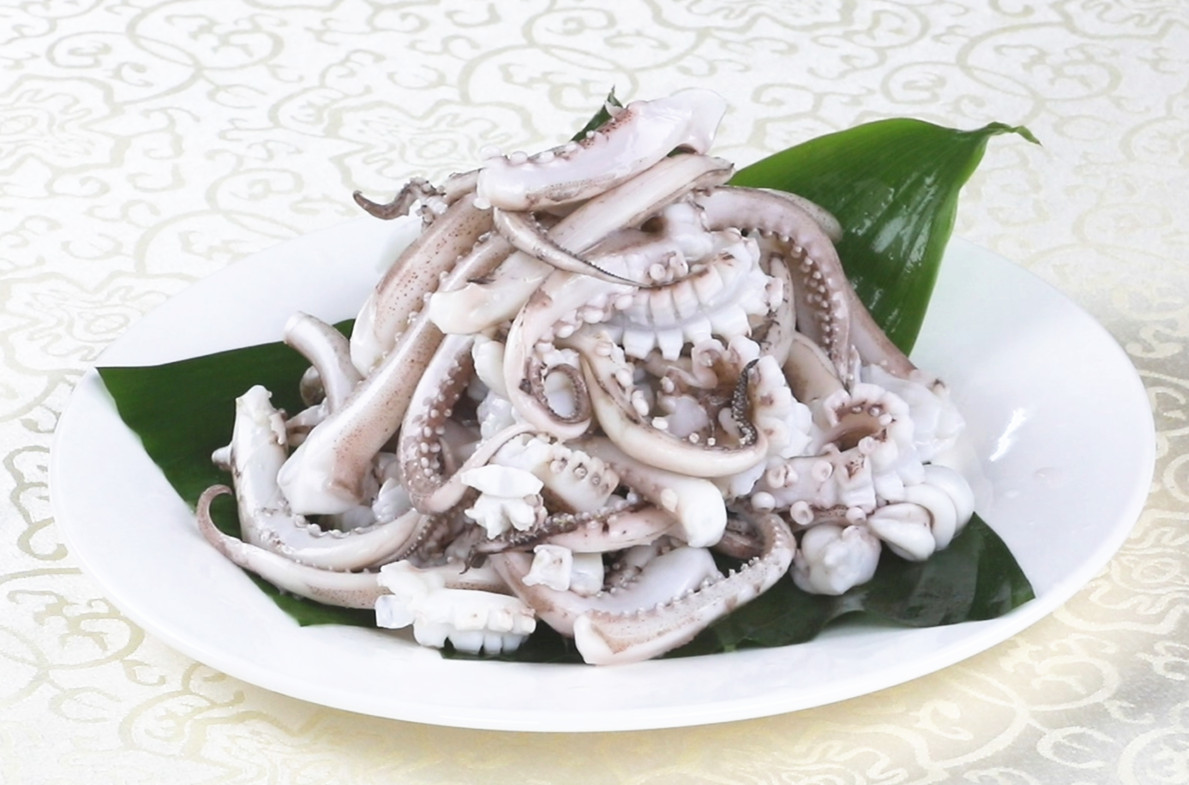
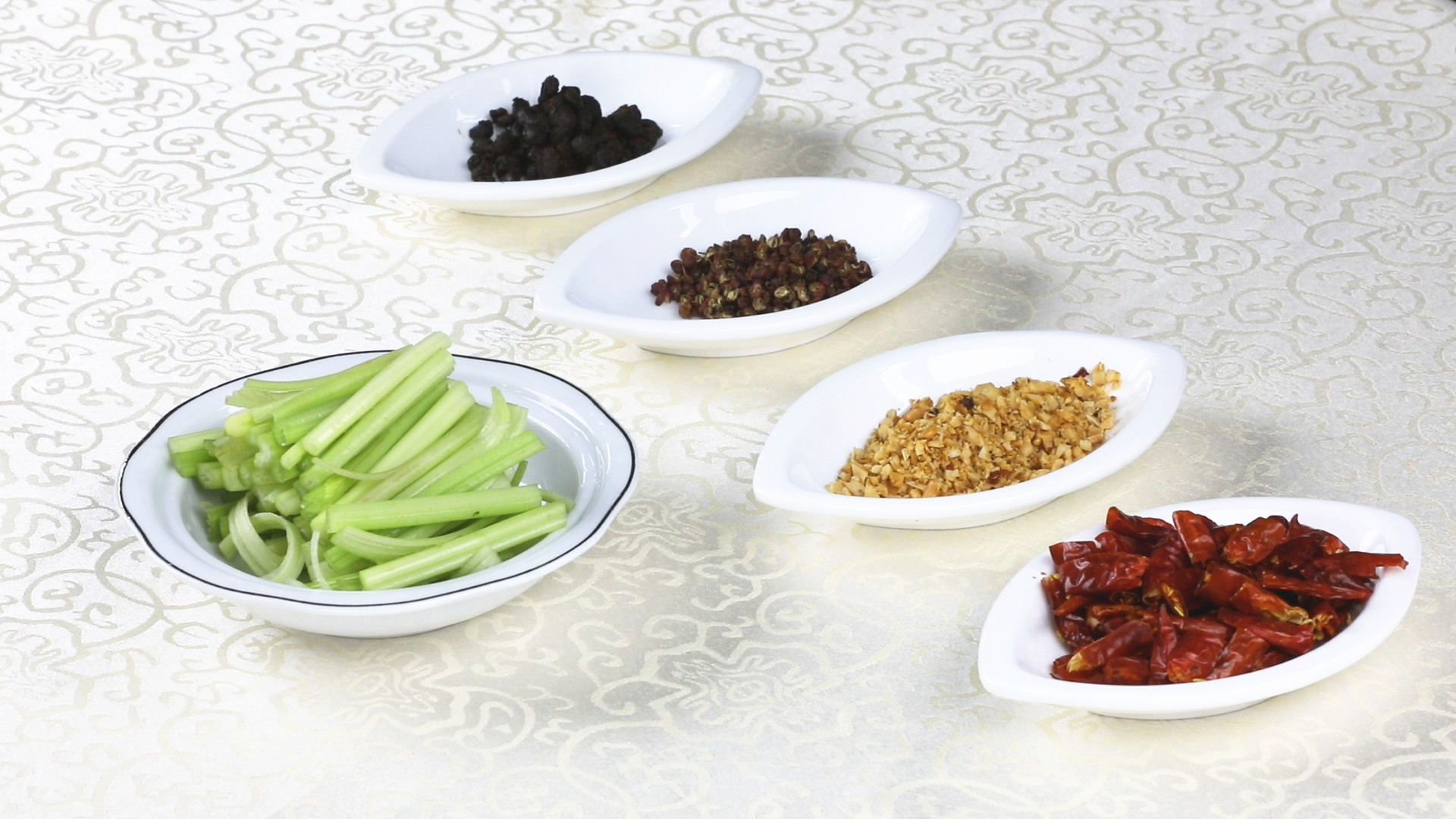
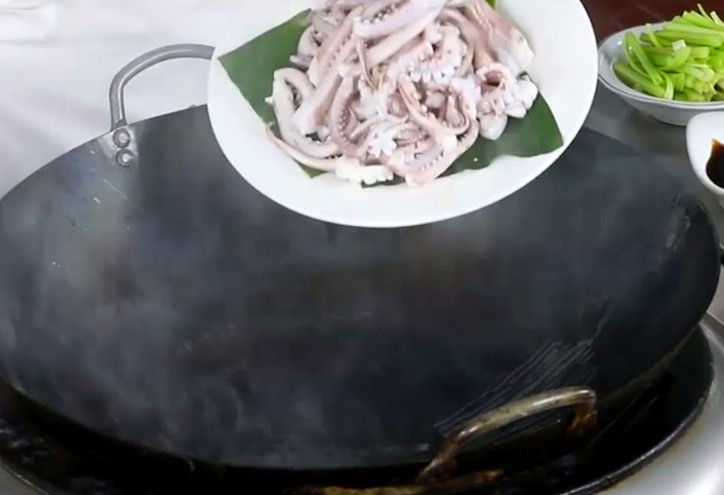
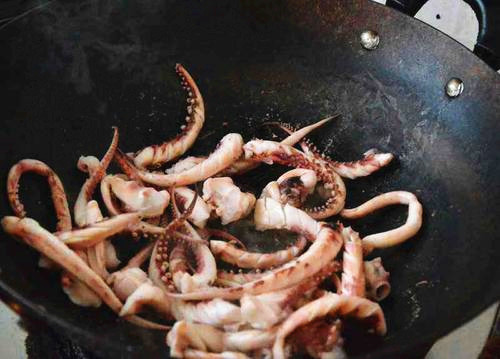
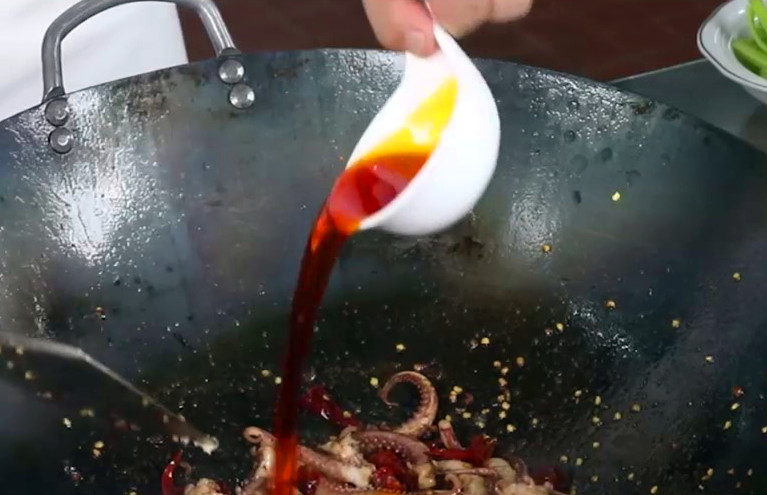
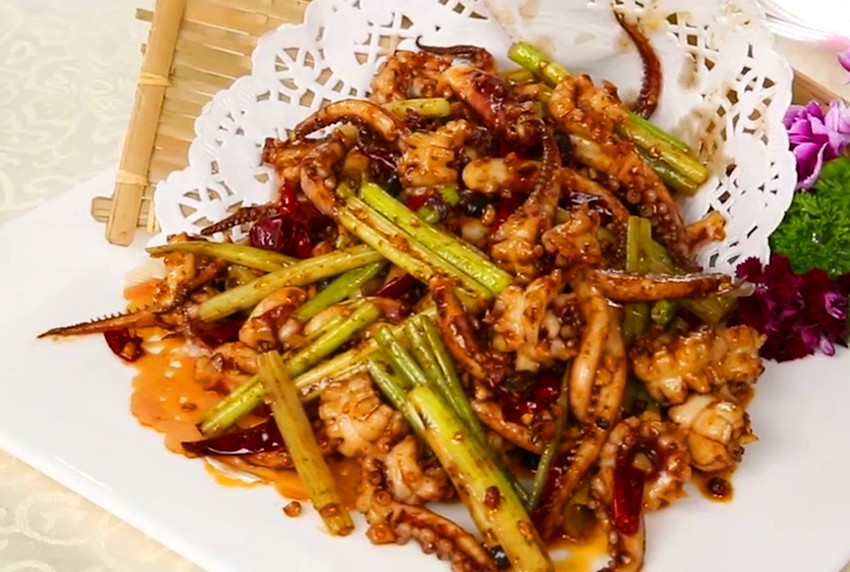
四川菜“干煸四季豆”,广东菜“煸炒杏鲍菇”“干炒牛河”,湖南菜“煸炒鱿鱼须”,广西菜“干煸牛肉丝”,新疆菜“煸炒香菜牛肉”等。
Sichuan cuisine "stir fried string beans", Guangdong cuisine "stir fried apricot abalone mushrooms" and "stir fried Niuhe", Hunan cuisine "stir fried squid whiskers", Guangxi cuisine "stir fried shredded beef", Xinjiang cuisine "stir fried coriander beef", etc.