-
1 知识储备——爆炒...
-
2 实训示例——爆花...
-
3 教学PPT—爆炒技法
-
4 拓展学习资料(&nb...
知识储备——爆炒
Knowledge reserve——Stir fry technique
【技法介绍】/Introduction to techniques
将质脆切形的主料放入热油锅中过油,使其受热爆散开至刚刚熟,出锅倒入捞篱,沥干油,再放入炒锅加配码、调料,不加汤水,干爆炒入味,出锅装碟的烹调技法,叫爆炒法。
Put the crispy and cut main ingredients into a hot oil pan and oil them, so that they can be heated and exploded until they are just cooked. Out of the pan, pour in the fishing fence, drain the oil, and then put them into the frying pan with code and seasoning. Without soup, dry and stir fry to taste. The cooking technique of out of the pan and loading dishes is called stir frying.
爆炒法因配料和调味料不同,爆炒法还可以分为酱爆炒法、辣爆炒法、葱爆炒法、芫荽爆炒法、香糟爆炒法等,其制作手法大同小异,都与爆炒法相似,故统称爆炒法。爆炒法制成的菜肴具有质脆爽滑、咸鲜味香、汤汁少,吃完碟中不留芡汁。
Due to different ingredients and condiments, the stir frying method can also be divided into soy sauce stir frying method, spicy stir frying method, onion stir frying method, coriander stir frying method, fermented grains stir frying method, etc. its production methods are similar to the stir frying method, so it is collectively referred to as the stir frying method. The dishes made by stir frying have crisp and smooth quality, salty and delicious flavor, less soup, and no sauce is left in the dish after eating.
【技法要求】/Technical requirements
1.主料一般应选用做成菜后具有脆嫩口感的原料。爆菜操作速度快,外加调味一般都比较轻,以咸鲜为主,所以原料一定要新鲜。常用的材料有肚尖、鸡、鸭胗、墨鱼、鱿鱼、海螺肉、猪腰等。
1. The main ingredients shall generally be the raw materials with crisp and tender taste after being made into vegetables. The operation speed of fried vegetables is fast, and the additional seasoning is generally light. It is mainly salty and fresh, so the raw materials must be fresh. The commonly used materials are belly tip, chicken, duck gizzard, cuttlefish, squid, conch meat, pig waist, etc.
2.主料一般都经过剞花刀处理。剞花刀处理除了使原料成熟后外型漂亮以外,就烹调操作来说,它很好的适应了爆炒的加热特点。经剞花刀加工过的原料,外形似块,而实际上却是丝和粒,因此,在高温中一烫即熟。缩短了加热时间,保证了菜的脆嫩度。
2. The main materials are generally treated with a flower knife. In addition to making the raw materials look beautiful when they are mature, the flower knife treatment is well adapted to the heating characteristics of stir frying in terms of cooking operation. The raw material processed by the flower knife looks like a piece, but it is actually silk and grain. Therefore, it is cooked immediately after scalding at high temperature. The heating time is shortened to ensure the crispness and tenderness of the dish.
3.注意正确掌握火候和油温。爆的全过程基本都用大火,尤其是氽烫的水锅,水锅内的水要多,火要大,要保持剧烈沸腾,这样,放在漏勺中的材料放水中一烫就会收缩,使剞制的花纹爆绽出来,也使原料加热到半熟,为接下来的炒创造了使菜快速成熟的条件。
3. Pay attention to the correct control of fire and oil temperature. The whole process of explosion basically uses fire, especially the hot water pot. There should be more water in the water pot, the fire should be large, and it should keep boiling violently. In this way, the materials put in the leaky spoon will shrink once they are scalded in the water, which will burst out the patterns made, and also heat the raw materials to half cooked, creating conditions for the subsequent frying to make the dishes mature quickly.
4.要求调味阶段越快越好。对汁调味无疑是最合适的,爆菜勾芡时,在泼汁入锅的同时一定要快速搅拌和颠翻。油锅爆熟材料之后,锅底的温度大大高于滑炒中滑熟原料之后的温度。动作一慢就可能导致芡粉结团,包裹不匀。
4. The faster the seasoning stage, the better. Sauce seasoning is undoubtedly the most appropriate. When frying vegetables and thicken them, you must quickly stir and turn them over while pouring juice into the pot. After frying the materials in the oil pan, the temperature at the bottom of the pan is much higher than that after frying the raw materials in the sliding frying. Slow action may cause the thicken powder to agglomerate and wrap unevenly.
5.爆炒的过程可以分为焯(还可叫氽、烫、冒、飞水)、炸(还可叫爆、过油)、炒三个步骤。三个步骤要连续操作,一气呵成。特别是焯和炸,时间更短,火力要大。焯要大火开水,炸要大火沸油,炒要大火热锅,“三旺三热”,是爆炒的基本条件。
5. The process of stir frying can be divided into three steps: blanching (which can also be called boiling, scalding, emitting and flying water), frying (which can also be called exploding and oiling), and frying. The three steps should be operated continuously and completed at one go. Especially blanching and frying, the time is shorter and the firepower is greater. Blanching requires boiling water, frying requires boiling oil, and frying requires a hot pot. "Three prosperous and three hot" are the basic conditions for frying.
【代表菜品】/Representative dishes
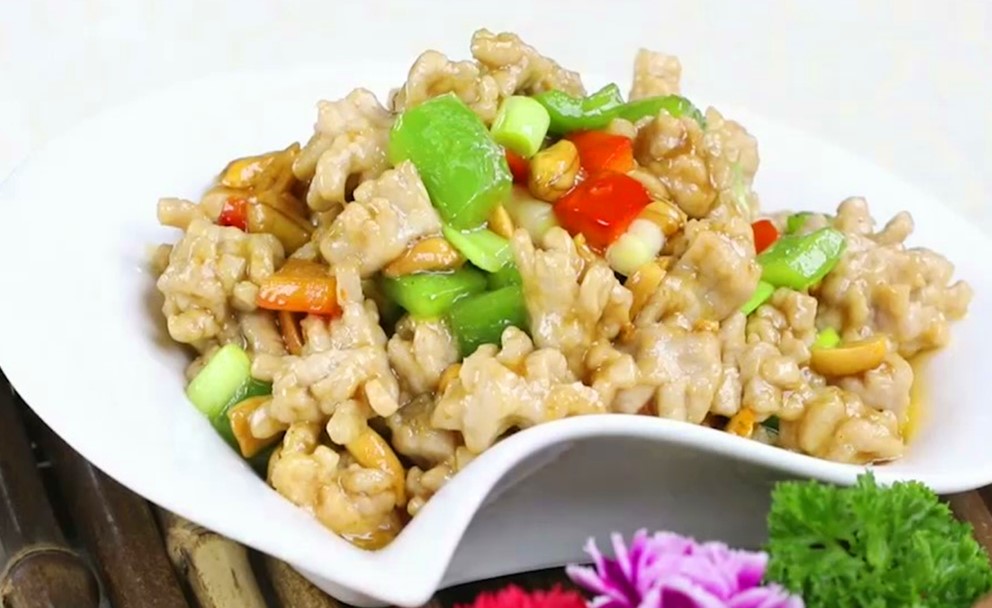
广西菜“爆花生肉丁”“爆炒牛料”,广东菜“爆炒响螺片”(见图1-2-1)“爆炒鸡软骨”,江苏菜“爆炒猪肝”,山东菜“酱爆肉丁”,四川菜“爆炒腰花”“爆炒肥肠”,湖南菜“爆炒田鸡”等。
Guangxi cuisine "fried diced peanuts", "fried beef", Guangdong cuisine "fried conch slices" (see Figure 1-2-1) "fried chicken cartilage", Jiangsu cuisine "fried pig liver", Shandong cuisine "fried diced meat with soy sauce", Sichuan cuisine "fried kidney", "fried fat sausage", Hunan cuisine "fried frog", etc.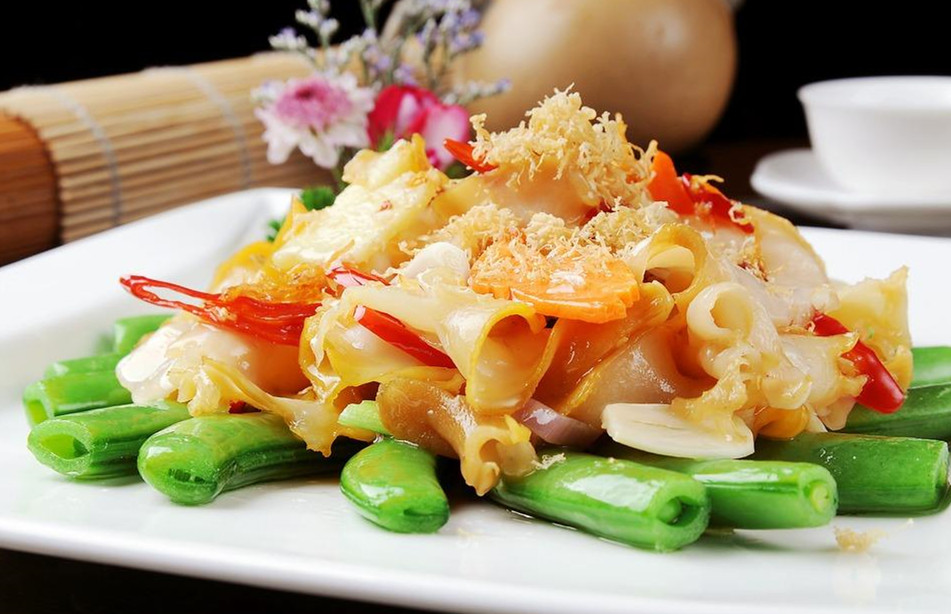
图 1-2-1 爆炒响螺片 Fig. 1-2-1 fried conch slices