-
1 知识储备—滑炒(K...
-
2 实训示例—滑炒双...
-
3 拓展学习资料(&nb...
知识储备——滑炒
Knowledge reserve——Slippery frying technique
【技法介绍】/Introduction to techniques
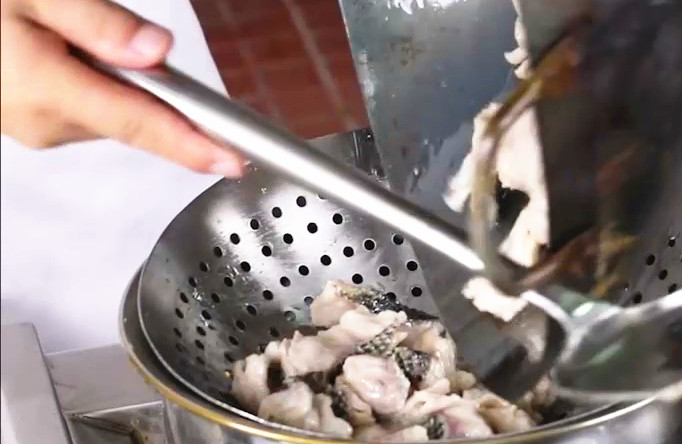
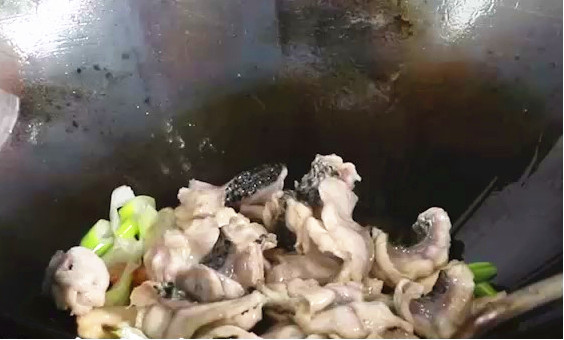
选用鲜嫩质软的动物性原料,经切形腌制上浆滑油后制成菜肴,菜品芡汁包裹,滑嫩柔润的烹调技法,叫滑炒法。滑炒又称“上浆滑油炒”,选用无骨鲜嫩的动物性原料为主料,经刀工切成丝、片、丁、条等小件,腌制上浆,滑油至断生后出锅入捞篱去油,另起锅加配码与主料,然后烹入汁芡,颠翻均匀。滑炒技法成菜的菜品具有滑润鲜嫩,汁紧油亮的特点。
Select fresh, tender and soft animal raw materials, cut and pickle, size and oil, and then make dishes. The dishes are wrapped in thicken juice. The cooking technique is smooth, tender and soft, which is called smooth frying. Stir frying, also known as "sizing and oil frying", selects boneless fresh and tender animal raw materials as the main material, cuts into small pieces such as silk, slices, diced and strips by knife workers, marinates and starches, takes the oil out of the pot until it is broken, puts it into the fishing fence to remove the oil, starts the pot, adds the code and the main material, and then cooks it into the juice thicken and turns it over evenly. The dishes made by the technique of smooth frying have the characteristics of smooth, fresh and tender, tight and bright juice.
滑炒勾芡有三种方法:/There are three ways to stir fry and thicken:
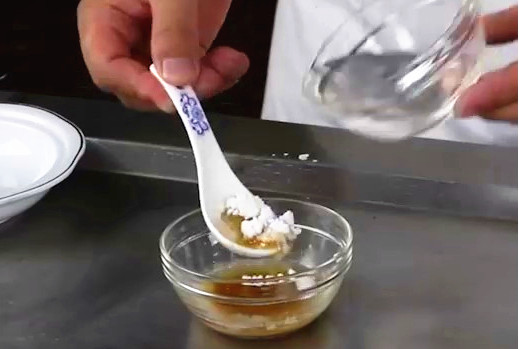
第一种是兑汁芡。将所有需要加的调料及粉汁一起放在小碗中搅匀,待材料滑熟,底油炝锅之后,倒入调料即迫入对好的芡汁,快速翻拌即成。
The first is to thicken with juice. Put all the condiments and powder juice that need to be added together in a small bowl and stir well. After the materials are smooth and cooked and the bottom oil is in the pan, pour in the condiments, press in the right thicken juice, and stir quickly.
第二种投料勾芡。将滑熟的原料下锅后依次加入调料,汤汁,烧开后淋入水淀粉勾芡。勾芡时汤汁要烧开,汁芡要从原料四周淋入,然后马上颠翻均匀。
The second kind of feeding thickens. Put the smooth cooked raw materials into the pot, add seasoning and soup in turn, bring to a boil, pour in water starch and thicken. When thickening, the soup should be boiled, the juice should be poured in from around the raw materials, and then turn it over immediately.
第三勾芡投料。先将所有需要的调料及汤汁加在锅里,烧开后勾芡,然后再放入滑熟的原料或者将酱汁淋于原料上。这种方法多用于容易碎断的原料。值得注意的是,这种方法的芡汁应略薄一些,待原料下锅后,卤汁中部分水分已发挥,芡汁薄厚恰到好处。
Third, thicken and feed. First add all the necessary seasonings and soup to the pot, boil and thicken, and then add the smooth cooked raw materials or pour the sauce on the raw materials. This method is mostly used for raw materials that are easy to break. It is worth noting that the thicken juice of this method should be slightly thinner. After the raw materials are put into the pot, part of the water in the brine has been brought into play, and the thickness of the thicken juice is just right.
【技法要求】/Technical requirements
1.主料多为动物性原料,如鸡、鸭、鱼、牛、羊等各部位的净肉。
1. The main ingredients are mostly animal raw materials, such as the net meat of chicken, duck, fish, cattle, sheep and other parts.
2.刀工成型以薄片、细丝、小丁、细条等为佳,较小自然形态的原料,如虾仁可以直接运用也可以剞花刀。
2. It is better to form knives with thin slices, filaments, dices and strips. Small natural raw materials, such as shrimp, can be used directly or with a flower knife.
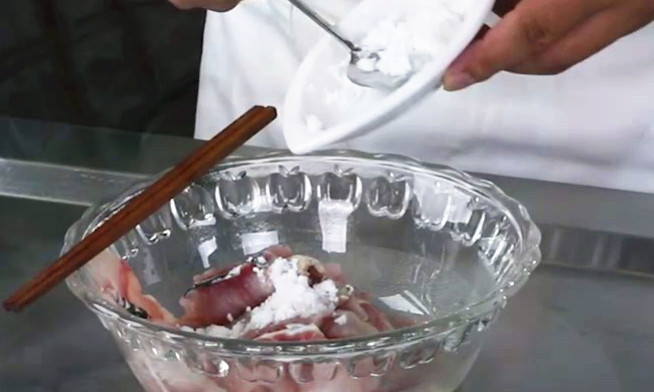
3.需要运用适量的盐、料酒、胡椒粉等码味,运用绿豆粉、土豆粉、玉米粉等上浆并抓拌上劲。
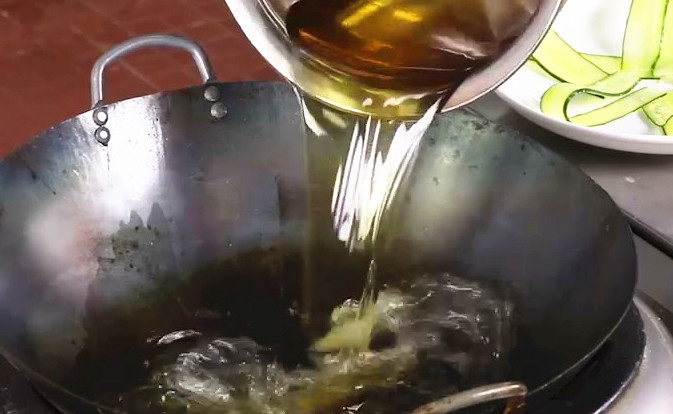
4.滑油前应将锅炙热后加入油,用油量与原料之间的比应在4:1左右,滑油温度控制在四至五成油温以内,迅速滑散至七成熟即可捞出,控油。
3. It is necessary to use an appropriate amount of salt, cooking wine, pepper and other yard flavor, and use mung bean powder, potato powder, corn powder and other sizing and mixing.
5.回锅炒制的速度要快,原料在锅中停留的时间不宜过长,为尽可能缩短时间应事先兑好味汁,淋入芡汁后应迅速颠几下锅,芡汁均匀裹在原料上后就即可出锅。
5. Return to the pot and fry quickly. The raw materials should not stay in the pot for too long. In order to shorten the time as much as possible, the flavor juice should be mixed in advance. After pouring in the thicken juice, the pot should be shaken quickly. After the thicken juice is evenly wrapped on the raw materials, it can be out of the pot.
【代表菜品】/Representative dishes
广西菜“滑炒双飞片”,广东菜“黑椒牛肉片”,江苏菜“冬笋鸡丝”,山东菜“滑炒鱼丝”,四川菜“滑炒猪肝”(见图1-1-1)等。
Guangxi cuisine "fried Shuangfei Pian", Guangdong cuisine "beef slices with black pepper", Jiangsu cuisine "shredded chicken with winter bamboo shoots", Shandong cuisine "fried shredded fish", Sichuan cuisine "fried pig liver" (see figure 1-1-1), etc.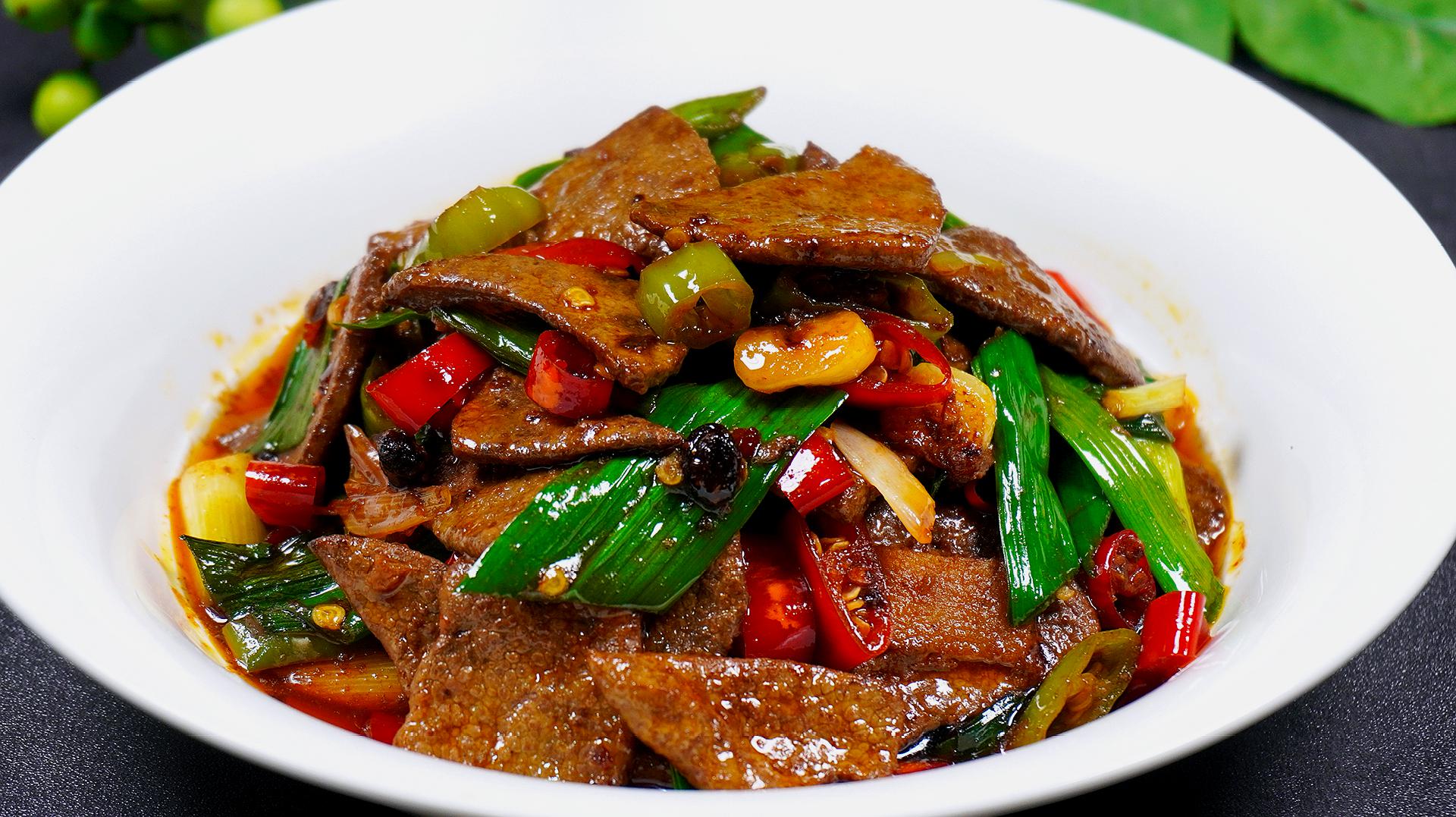
图 1-1-1 滑炒猪肝 Fig. 1-1-1 stir fried pork liver