
Supplementary Material I
Treasures in Old San Juan

Ricardo Rivera 里卡多·里韦拉(人名) bohemian a. 不拘于传统的
Ricardo Alegría 里卡多·阿莱格里亚 ( 人名) slum n.(城市中的)贫民窟,贫民区
fortress n. 堡垒 Ponce de Leon 庞塞·德莱昂(人名)
cannon n. (旧时的)大炮 Domingo Deleon 多明戈·德利翁(人名)
cruise ship n. 大型游轮 liner n. 邮轮,大客轮
greenery n. 青枝绿叶;绿色植物

1. San Juan: the capital of Puerto Rico. It is one of the biggest and best natural harbors on the Atlantic Ocean and the second oldest European-founded city in the Americas (after Santo Domingo). 圣胡安
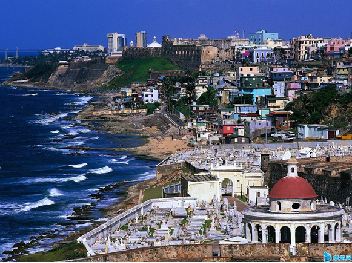

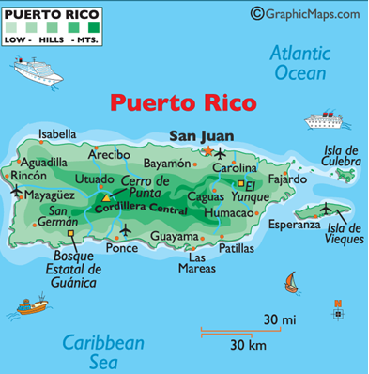
2. Puerto Rico: an island in the Caribbean Sea, southeast of Florida, U.S.A. Puerto Rico is not a U.S. state and it governs itself, but people who are born there are U.S. citizens. 波多黎各
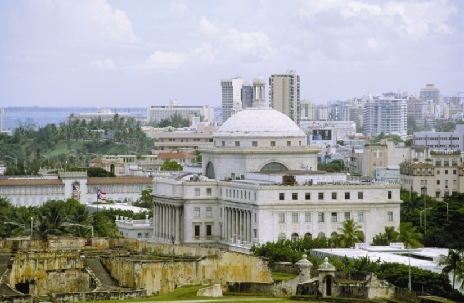
3. Fuerte San Felipe del Morro: It is a 16th-century fortress which was built on the northwestern point of San Juan. 圣费利佩- 德莫罗堡垒

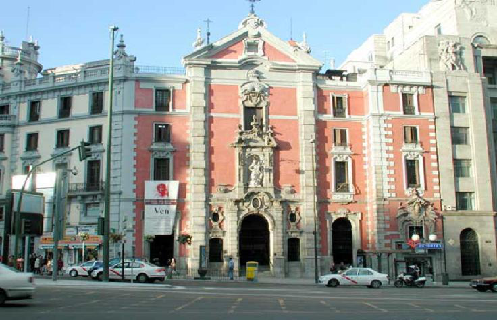
4. the church of San Jose: The church is considered to be one of the finest and oldest examples of Gothic-influenced religious architecture built by the Spanish. 圣何塞教堂
Before Viewing
A. Read the information about Old San Juan, Puerto Rico, and answer the questions below.
1. Who came to the island that is now Puerto Rico in 1508?
2. What is La Fortaleza? Who lives in it today?
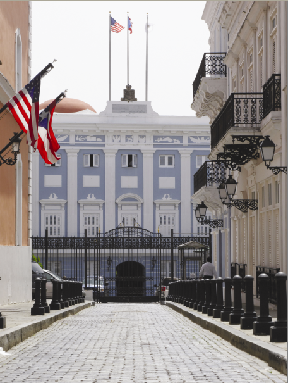
<The Government Mansion, La Fortaleza>
Old San Juan Quick Facts
• The Spanish explorer Ponce de Leon came to the island that is now Puerto Rico in 1508.
• San Juan became a city in 1521.
• There were huge stone walls around the city in the 16th century. A fortress called La Fortaleza protected the city.
• Today, the governor of Puerto Rico lives in La Fortaleza.
B. Predicting Content. Check (√) the things you think you will see in the video.
☐ an airport
☐ new shopping centers
☐ a statue of Ponce de Leon
☐ tourists
☐ La Fortaleza
☐ old houses
☐ the ocean
☐ residents of Old San Juan
While Viewing
A. Checking Predictions. Watch the video. Check your predictions from exercise C in the Before Viewing section and write down three other things that interest you in the video.
1. ________________
2. ________________
3. ________________
B. Watch the video again. Match each person in the video with the topic he talks about.
Person
☐ 1. Ricardo Rivera
☐ 2. Ricardo Alegría
☐ 3. Domingo Deleon
Topic
a. the nice weather in Puerto Rico
b. the culture of Old San Juan: the music, artists, writers, and so on
c. the way Old San Juan used to be in the 1950s
C. Read the sentences. Then watch again and complete the sentences with what you hear.
1. San Juan is the second oldest European-founded city in the Americas. People first came to live here in _____. It’s a typical __________ city.
2. According to Ricardo Rivera, Old San Juan is probably the ______________ of Puerto Rico in a lot of ways. There’s music, a lot of ______________, bohemian writers, and cultural activities.
3. Over the centuries, San Juan was often attacked by its enemies. So many ____________ were built to defend the city from attack by sea. Today, San Juan is a major vacation destination. More than a million visitors a year arrive on ______________.
After Viewing
Discussion. Discuss the questions with a partner
1. Why is the historical part of San Juan a good place to live?
2. Why is the historical part of San Juan a good place for tourists?
3. Which do you prefer for a vacation—historical cities or modern cities? Why?
Supplementary Material II.
Machu Picchu: An Ancient City

Hiram Bingham 海勒姆· 宾厄姆(人名) magnetic a. 具有吸引力的
Aguas Calientes 阿瓜斯卡连特斯(秘鲁村庄) souvenir n. 纪念品(物)

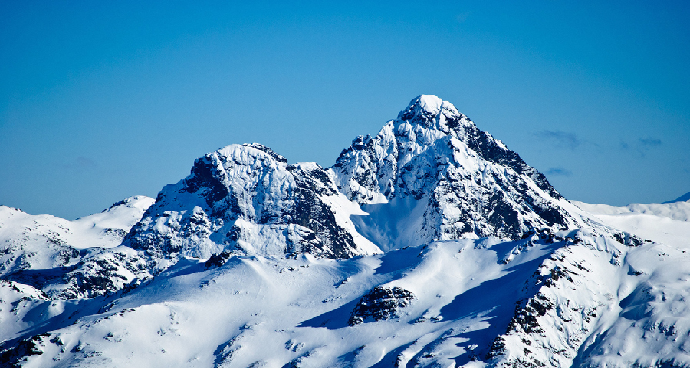
Andes Mountains: a chain of mountains in South America. It stretches from the continent’s northernmost coast on the Caribbean to the southern tip of South America. 安第斯山脉
Before Viewing
A. Using a Dictionary. Write definitions for the words in the box. Then compare your definitions with the definitions in a dictionary.
destination damage civilization defeated explorer
B. Read the information below and fill in each blank with the correct word from the box in exercise A. Then listen and check your answers.
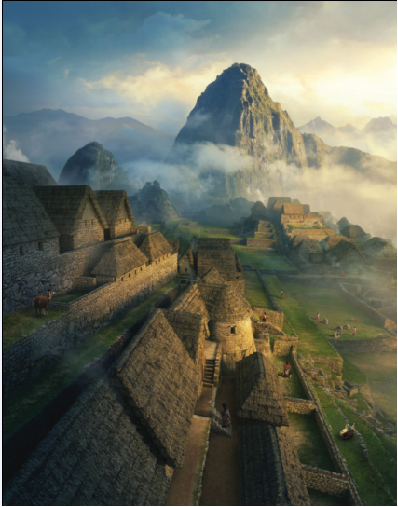
The city of Machu Picchu was built by the Incas high in the Andes Mountains in what is now Peru. The Inca (1) ____________ lasted from around A.D. 1100 to around A.D. 1500, when the Spanish arrived in South America. After the Incas were (2) ____________ by the Spanish, few people knew about Machu Picchu. Then in 1911, an American (3) ____________ named Hiram Bingham found the city. At that time, it was a very quiet place. Today, Machu Picchu is a popular (4) ____________ for tourists. Some people worry that the visitors will (5) ____________ the historical site. Other people say that tourism brings money into an area that very much needs it.
While Viewing
A. Watch the video. Then describe these two places to your partner.
1. Machu Picchu
2. Aguas Calientes
B. Read the statements. Then watch the video again and check (✔) T for true and F for false.
1. The tour guide, Julio, describes Machu Picchu as a magnetic center of the world. [ ]
2. The explorer Hiram Bingham found Machu Picchu in 1911 but didn’t tell anyone. [ ]
3. The stone steps visited by visitors were used by the Incan people 1,000 years ago. [ ]
4. The only way to the top of Machu Picchu is to walk from Aguas Calientes. [ ]
5. The people in Aguas Calientes depend on the tourists to survive. [ ]
C. Making Inferences. Watch again. Then read the following script from the video and answer the questions below.
Narrator:
... But one local hotel owner hopes that in the future, even more tourists will come.
José, Hotel owner:
Why not be like the rest of the world? Why not expose and show Machu Picchu to the rest of the world? It’s such a wonderful place, why keep it to a few?
1. How do you think José feels when he sees a lot of people visiting Machu Picchu?
2. Do you think other people who live near Machu Picchu agree with José? Why or why not?
3. Do you think the tourists who visit Machu Picchu agree with José? Why or why not?
After Viewing
A. Collaboration. What would you like to know about Machu Picchu? Work with your partner to write three questions for a local tour guide.
B. Discussion. Form a group with another pair of students and discuss the questions.
1. Which of the ancient places or cultures that you have learned about in this unit are the most interesting to you? Why?
2. What do you think we can learn by studying the ancient civilizations?

