
Task 4
Listening Aids
Basque (n.): 巴斯克语(人)
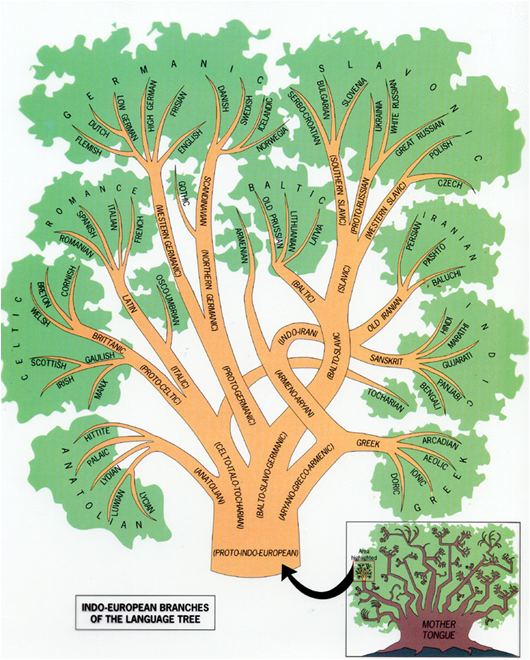
Esperanto (n.): an artificial language invented in 1871 to help people from different countries in the world speak to each other 世界语
Hungarian (n.): 匈牙利语(人)
mentality (n.): a particular attitude or way of thinking
Roman Catholic Church: 罗马天主教教会
temperament (n.): 性情,气质
unnerve (v.): upset or frighten sb. so that they lose their confidence or their ability to think clearly
In this task, you'll hear some people talking about language in general.
A. Decide whether the following statements are true (T) or false (F) according to the tape.
1) Matthew (the 1st speaker) says there are many different languages in Europe. [ ]
2) Chris thinks that the lack of good roads caused the different dialects and languages to grow.
[ ]
3) Learning a language at school is an interesting occupation according to Maggie. [ ]
4) Having to go shopping and buy food helped Maggie pick up the language. [ ]
5) Elfriede will be living in England for the next three years. [ ]
B. Choose the best answer to complete each of the following sentences.
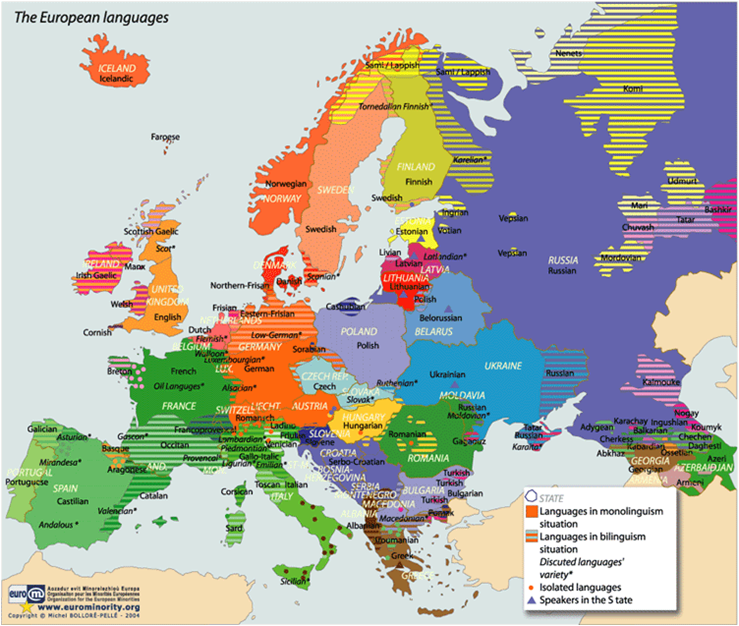
1) Finnish, Basque and Hungarian, according to the text, ______.
a) all belong to the Indo-European group of languages
b) are all European languages
c) are not in the same group of languages
2) According to Chris, the reason why Esperanto won’t become the universal language is ______.
a) because it was chosen for the wrong reasons
b) because it doesn’t come from Latin and Greek
c) because it’s an artificial language
3) Chris thinks that if people want to speak another language in future, ______.
a) they will learn the most convenient language
b) they will have to learn English or Chinese
c) they will have to create a new language
4) When Maggie is in a foreign country, ______.
a) she can rely on the fact that most people speak English
b) she expects everybody to be able to communicate in English
c) she can’t guarantee that most people will speak English
5) After three years in England, Elfriede ______.
a) knows how to find a job
b) still does not know enough of the language to get a good job
c) knows how to use the libraries and understand radio programmes
6) Elfriede likes talking to English people because ______.
a) English people are different from one another
b) English people are different from her own countrymen
c) English people are humorous
Task 5
* cuddle (n.): hug
* dummy (n.); (BrE) 橡皮奶头。橡皮奶嘴
* sample (v.): taste food or drink in order to see what it is like 品尝;体验
In this task, you'll hear three extracts of daily life conversations.
Answer the following questions.
1) What's the setting in the first dialogue?
________________________________________________________________________
2) Write down the words you heard which brought you to the above conclusion.
________________________________________________________________________
3) What's the setting in the second dialogue?
________________________________________________________________________
4) Write down the words you heard which brought you to the above conclusion.
________________________________________________________________________
________________________________________________________________________
5) What's the setting in the third dialogue?
________________________________________________________________________
6) Write down the words you heard which brought you to the above conclusion.
________________________________________________________________________
________________________________________________________________________
Task 6

* cash in on: 利用
* distress (n.): a feeling of extreme unhappiness
* get one's teeth into: start to do sth. with a lot of energy and determination
* repertoire (n.): the total number of things that sb. is able to do
* sociability (n.): 友好;合群;好交际
In this task, you'll hear a passage on the process of children learning to speak.
A. Choose the best answer to complete each of the following sentences.
1) Children who start speaking late ______.
a) have problems with their hearing
b) usually pay close attention to what they hear
c) often take a long time in learning to listen properly
2) The speaker argues that a baby's first noises are ______.
a) a reflection of his moods and feelings
b) early forms of language
c) an imitation of the speech of adults
3) According to the passage, the problem of deciding at what point a baby's imitations can be
considered as speech is ______.
a) important because words have different meanings for different people
b) not especially important because the changeover takes place gradually
c) one that can never be properly understood because the meaning of words changes with
age
4) The speaker implies that ______.
a) parents can teach their children new sounds by asking them to imitate
b) children who are good at imitating learn new sounds more quickly
c) children still enjoy imitating even after they have learned to speak
B. Decide whether the following statements are true (T) or false (F) according to the tape.
1) The speaker did not explain how a child manages to learn to speak so quickly. [ ]
2) According to the passage, most children do about the same amount of listening before they
begin to speak. [ ]
3) Children dislike obeying instructions in the speaker's view. [ ]
4) According to the speaker children can ask questions by making noises. [ ]
5) As stated in the passage, children first imitate adults, then themselves. [ ]
6) The speaker holds that children's first words are still meaningful though they can apply to
many different things. [ ]

