目录

  • 1 Unit One Social Customs (4 periods)
    • 1.1 Analytical Listening
    • 1.2 Further Listening
    • 1.3 Supplementary Audio-Visual Practice
    • 1.4 Intercultural Reflection
    • 1.5 Assignments
  • 2 Unit Two Weather (2 periods)
    • 2.1 Analytical Listening
    • 2.2 Further Listening
    • 2.3 Supplementary Audio-Visual Practice
    • 2.4 Intercultural Reflection
    • 2.5 Assignments
  • 3 Unit Three Social Issues (4 periods)
    • 3.1 Analytical Listening
    • 3.2 Further Listening
    • 3.3 Supplementary Audio-Visual Practice
    • 3.4 Intercultural Reflection
    • 3.5 Assignments
  • 4 Unit Four Literature (4 periods)
    • 4.1 Analytical Listening
    • 4.2 Further Listening
    • 4.3 Supplementary Audio-Visual Practice
    • 4.4 Intercultural Reflection
    • 4.5 Assignments
  • 5 Unit Five Eduationa (2 periods)
    • 5.1 Analytical Listening
    • 5.2 Further Listening
    • 5.3 Supplementary Audio-Visual Practice
    • 5.4 Intercultural Reflection
    • 5.5 Assignments
  • 6 Unit Six Work (2 periods)
    • 6.1 Analytical Listening
    • 6.2 Further Listening
    • 6.3 Supplementary Audio-Visual Practice
    • 6.4 Intercultural Reflection
    • 6.5 Assignments
  • 7 Extensive Listening Practice (2 periods)
    • 7.1 Activity for critical thinking
    • 7.2 Arrangements
  • 8 Unit Seven People (2 periods)
    • 8.1 Analytical Listening
    • 8.2 Further Listening
    • 8.3 Supplementary Audio-Visual Practice
    • 8.4 Intercultural Reflection
    • 8.5 Assignments
  • 9 Unit Eight News (4 periods)
    • 9.1 Analytical Listening
    • 9.2 Further Listening
    • 9.3 Supplementary Audio-Visual Practice
    • 9.4 Learning Tips
    • 9.5 Assignments
  • 10 Unit Nine Language (4 periods)
    • 10.1 Analytical Listening
    • 10.2 Further Listening
    • 10.3 Supplementary Audio-Visual Practice
    • 10.4 Cultural Reflection
    • 10.5 Assignments
  • 11 Unit Ten History (2 periods)
    • 11.1 Analytical Listening
    • 11.2 Further Listening
    • 11.3 Supplementary Audio-Visual Practice
    • 11.4 Cultural Reflection
    • 11.5 Assignments
Analytical Listening

Lead-in

1. Group Discussion

( Two men talking, Komotini, Greece )
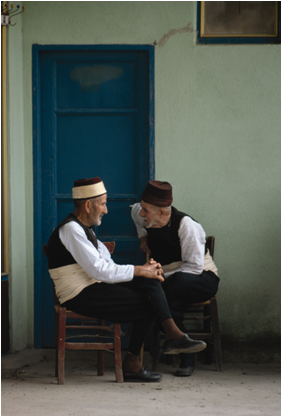


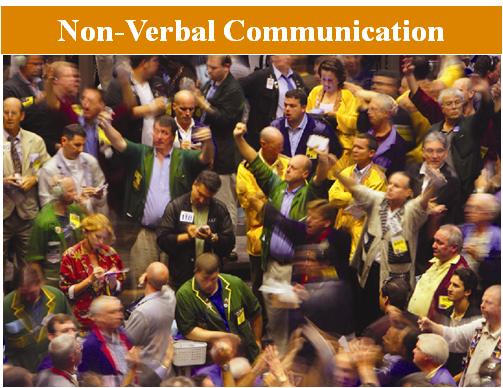
Non-verbal communication includes hand gestures, facial expressions, eye contact, and other ways we communicatewithout words.
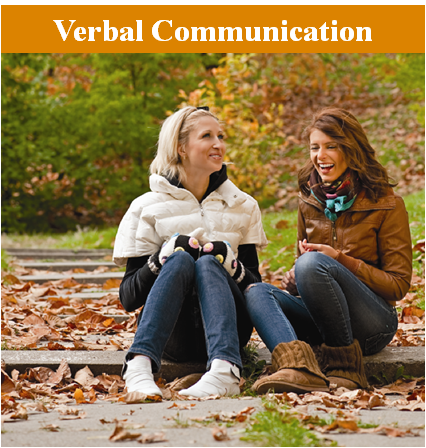

Verbal communication is all about words and speech. We use verbal communication when we speak.
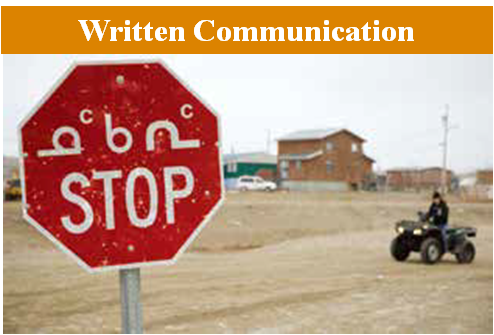

Written communication uses letters and other symbols to represent spoken words.


2. Background Knowledge

(1) The nature of language

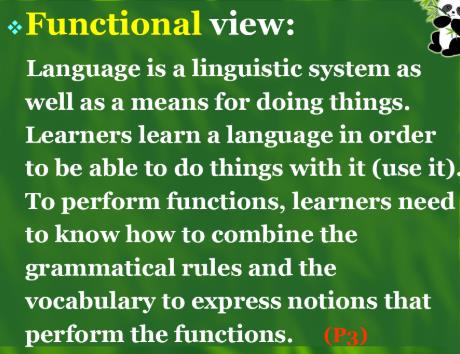
(2) Views on language


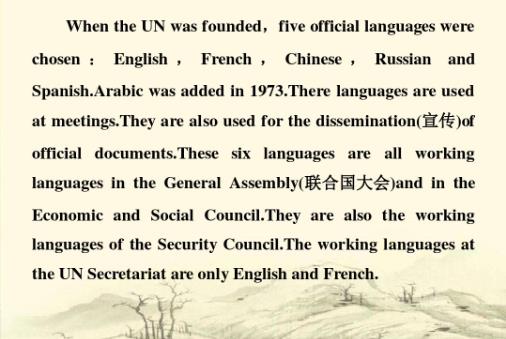
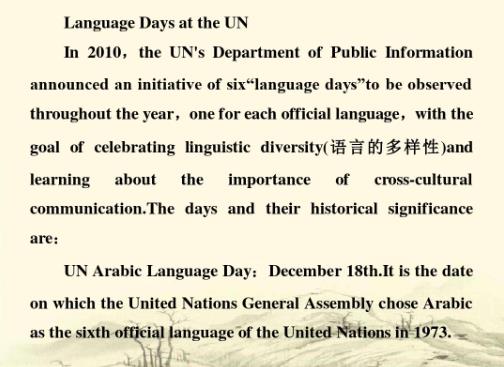
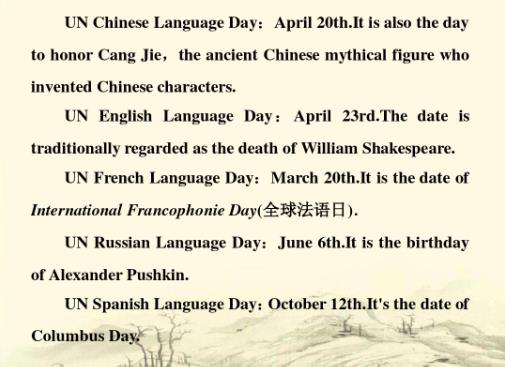
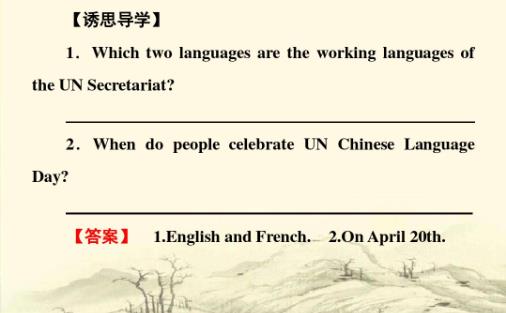
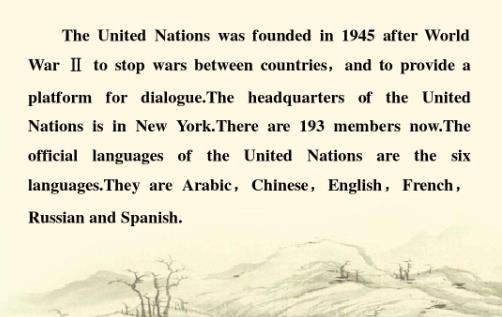
(3) The official UN languages


Task 1

In this task, you'll hear five short humorous conversations.

Fill in the blanks with what you hear on the tape.

1) Man: I had the girls running in circles when I was in college.

    Woman: I never knew you were _______________________.

    Man: I wasn't. I was __________________________.

2) Instructor: Mr. Jenkins, why are you late?

    Student: I guess because ________________________________________.

3) Woman: Doctor, you have to come immediately—my baby swallowed ___________________!

    Doctor: Just calm yourself, nothing ____________________.

4) Customer: Waiter, this water is _________.

    Waiter: The water's okay, madam. It's just that ___________________________.

5) Woman: The bride wears white on her wedding day as ________________________, for this is

    the most joyous day in her entire life.

    Man: Why does the groom ________________?


Task 2

Listening Aids

Dane:  丹麦人

jagged (adj.):  having a rough or pointed edge or surface

lyrical (adj.):  beautifully expressed in words, poetry, or music 

melodic (adj.):  beautiful to listen to


In this task, you'll hear five people talking about their preference for accents.

Speakers
PreferencesReasons
1st speakerFrench
2nd speaker

3rd speaker

4th speakerMediterranean accents
5th speaker