目录

  • 1 Unit One Social Customs (4 periods)
    • 1.1 Analytical Listening
    • 1.2 Further Listening
    • 1.3 Supplementary Audio-Visual Practice
    • 1.4 Intercultural Reflection
    • 1.5 Assignments
  • 2 Unit Two Weather (2 periods)
    • 2.1 Analytical Listening
    • 2.2 Further Listening
    • 2.3 Supplementary Audio-Visual Practice
    • 2.4 Intercultural Reflection
    • 2.5 Assignments
  • 3 Unit Three Social Issues (4 periods)
    • 3.1 Analytical Listening
    • 3.2 Further Listening
    • 3.3 Supplementary Audio-Visual Practice
    • 3.4 Intercultural Reflection
    • 3.5 Assignments
  • 4 Unit Four Literature (4 periods)
    • 4.1 Analytical Listening
    • 4.2 Further Listening
    • 4.3 Supplementary Audio-Visual Practice
    • 4.4 Intercultural Reflection
    • 4.5 Assignments
  • 5 Unit Five Eduationa (2 periods)
    • 5.1 Analytical Listening
    • 5.2 Further Listening
    • 5.3 Supplementary Audio-Visual Practice
    • 5.4 Intercultural Reflection
    • 5.5 Assignments
  • 6 Unit Six Work (2 periods)
    • 6.1 Analytical Listening
    • 6.2 Further Listening
    • 6.3 Supplementary Audio-Visual Practice
    • 6.4 Intercultural Reflection
    • 6.5 Assignments
  • 7 Extensive Listening Practice (2 periods)
    • 7.1 Activity for critical thinking
    • 7.2 Arrangements
  • 8 Unit Seven People (2 periods)
    • 8.1 Analytical Listening
    • 8.2 Further Listening
    • 8.3 Supplementary Audio-Visual Practice
    • 8.4 Intercultural Reflection
    • 8.5 Assignments
  • 9 Unit Eight News (4 periods)
    • 9.1 Analytical Listening
    • 9.2 Further Listening
    • 9.3 Supplementary Audio-Visual Practice
    • 9.4 Learning Tips
    • 9.5 Assignments
  • 10 Unit Nine Language (4 periods)
    • 10.1 Analytical Listening
    • 10.2 Further Listening
    • 10.3 Supplementary Audio-Visual Practice
    • 10.4 Cultural Reflection
    • 10.5 Assignments
  • 11 Unit Ten History (2 periods)
    • 11.1 Analytical Listening
    • 11.2 Further Listening
    • 11.3 Supplementary Audio-Visual Practice
    • 11.4 Cultural Reflection
    • 11.5 Assignments
Intercultural Reflection

(This part is mainly for students' self study)

A. Watch two video clips: One interprets Butterfly Lovers, or "the Chinese Romeo and Juliet," from a Western and modern perspective, and the other introduces Shakespeare's famous Romeo and Juliet. Prepare a group presentation of five minutes. You can focus on one or two of the prompts.


    1. In Butterfly Lovers, we find the beauty of suggestiveness and depressed longing for love, yet in Romeo and Juliet we come to see the free, bold, and rebellious struggle for love. Can you identify and cultural reasons for this difference? Are these reasons still relevant in modern society?

    2. What caused the tragedies of Romeo and Juliet, and Liang Shanbo and Zhu Yingtai? Explore the different historical, cultural, and social backgrounds of the two plays.

    3. Romeo and Juliet ends in death while Butterfly Lovers ends in reunion as butterflies. Could there be a cultural reason for this difference? Which ending do you prefer and why?


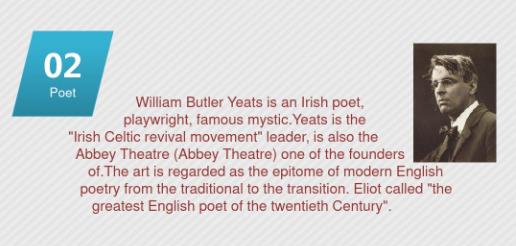
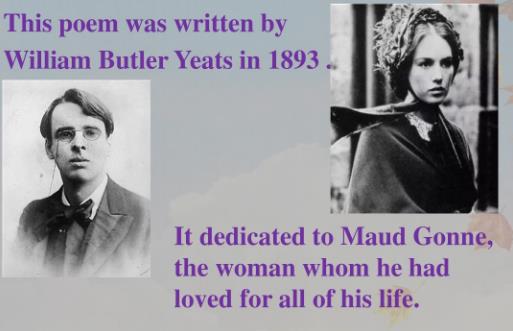
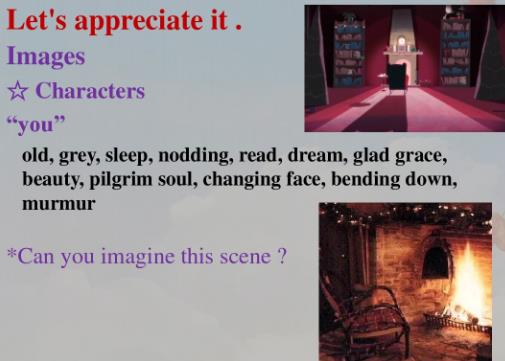
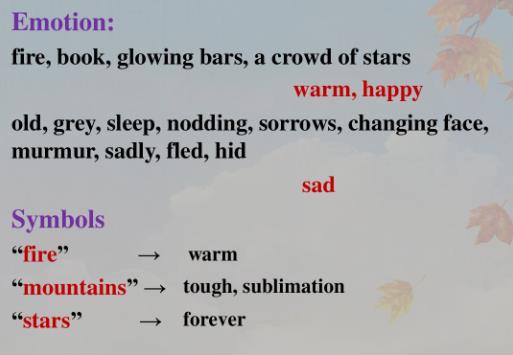
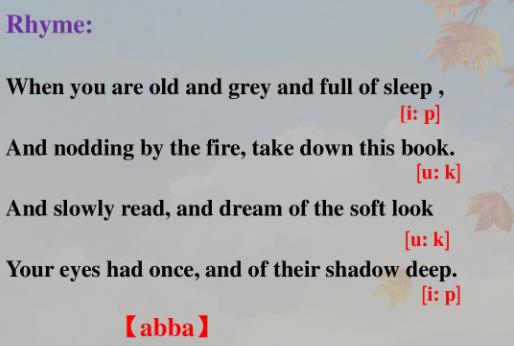
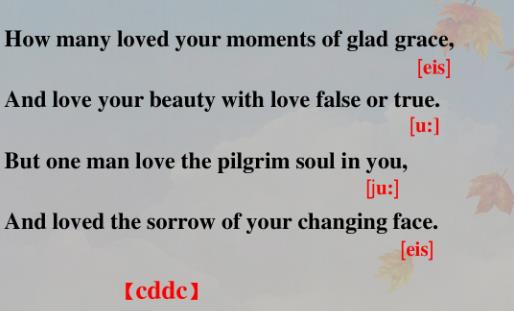
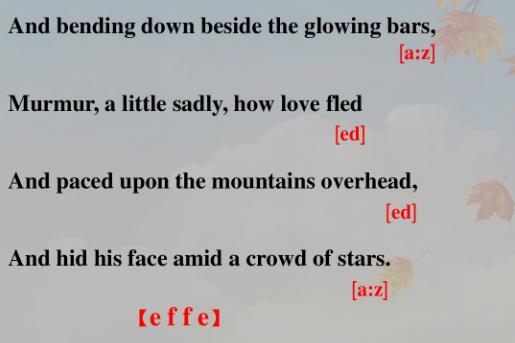
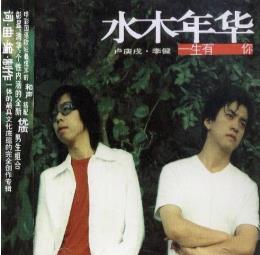
B. Listen to an English poem "When You Are Old" and a Chinese song "Having You in My Life"(《一生有你》). Both are about love, youth, and age. Reflect on the meaning of true love across cultures.


一生有你

作词:卢庚戌
作曲:卢庚戌
演唱:水木年华


以为梦见你离开
我从哭泣中醒来
看夜风吹过窗台
你能否感受我的爱
等到老去的一天
你是否还在我身边
那些誓言谎言
往事慢慢飘散
多少人曾爱慕你年轻时的容颜
可是谁能承受岁月无情的变迁
多少人曾在你生命中来了又还
可知一生有你我都陪在你身边

当所有一切都已看平淡
是否有一种精致还留在心田
喔哦~~~~~~


C. Watch the movie Oliver Twist based on Charles Dickens' novel of the same title.

Main characters:   Feign,  Oliver Twist,  Mr. Bumble,  Mr. Limbkins


Discussion questions:

1. What does Charles Dickens intend to depict in Oliver Twist?

2. What do you think about Nancy in the film? Can we simply regard her as a bad woman?

3. What is the social background of the novel?

4. What is the theme of the novel?

5. Who should be responsible for the poverty of the poor people in London?