
Task 6
You are going to hear an article talking about the famous American poet, Walt Whitman.
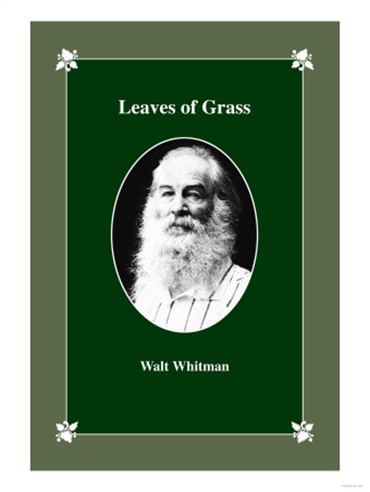
A. Complete the following sentences with what you hear on the tape.
1) He lived during the American _________ and he admired President Abraham Lincoln very much.
2) Whitman was the _________ American poet who wrote about true _________ among all people.
3) “The sight is worse than any sight of _______ or any collection of wounded, even the ________.”
4) Whitman was the first important American poet to write about ordinary people, using ________
language.
B. Choose the best answer to each of the following questions.
1) Which poetic line does NOT concern Whitman's belief in the true equality between men and women? ( )
a) “The Female equally with the Male I sing.”
b) “In the faces of men and women I see God.”
c) “A great city is that which has the greatest men and women.”
d) “... every atom belonging to me... belongs to you.”
2) Which of the following is NOT true? ( )
a) Whitman truly understood the damage of war.
b) Whitman once worked in a hospital.
c) Whitman took care of wounded southern soldiers.
d) Whitman was upset by the sight of wounded soldiers.
Task 8
Listening Aids
rustling (adj.): 发出沙沙声的;窸窸窣窣的
tall story: (or tall tale) a story that is so unlikely that is difficult to believe
You are going to hear a story exaggerated for humourous effect.
Answer the following questions.
1) According to the French writer, what kind of stories do the English like?
_________________________________________________________________
2) Why did this priest want to shoot a lion?
_________________________________________________________________
3) Why did he go to the pool that day?
_________________________________________________________________
4) How many times did he fire?
_________________________________________________________________
5) What was the result of this shooting?
_________________________________________________________________
Task 9
Listening Aids
Copenhagen: 哥本哈根(丹麦首都)
mermaid (n.): in stories, a waman who has a fish's tail instead of legs and who lives in the sea
(Anderson and the Little Mermaid)
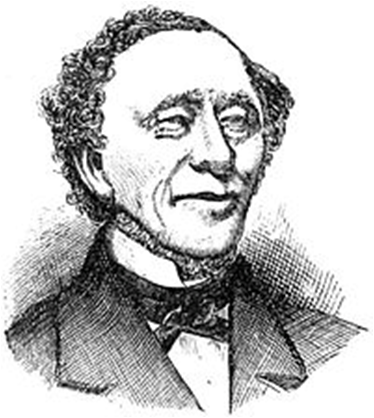
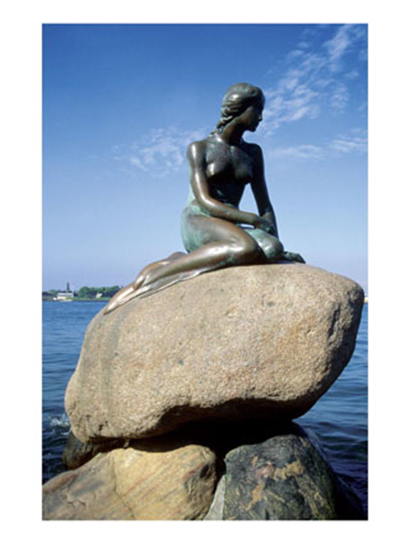
You are going to hear a condensed version of the famous fairy tale, The Little Mermain.
Complete the following outline of the story.
I. The Little Mermaid fell in love with ________________________.
A. Every night, she ____________________________________.
B. But he _________________________.
II. The Little Mermaid went to ________________.
A. The witch ___________________________________________.
B. In return, ____________________________________________.
III. The Little Mermaid went to live in _______________________.
A. She danced for him, though ___________________.
B. The prince ____________________.
IV. The prince fell in love with _____________ and they got married.
A. On the prince's wedding night, the Little Mermaid ___________________.
B. She didn't die though, and she became _______________________________.
Task 10
Listening Aids
flock (n.); a group of sheep, goats, or birds
gnat (n.): (叮人的有翅)小昆虫;蚋;蝾
olive (n.); 橄榄
reed (n.): a grass-like plant that grows in wet places
[Note]
A fable is usually made up of two parts: a story and a lesson drawn from this story. Tell the students that in the listening materials the second part of each fable is deliberately omitted, so that the students can think about the meaning of each story. You may also say something about Aesop and his fables.
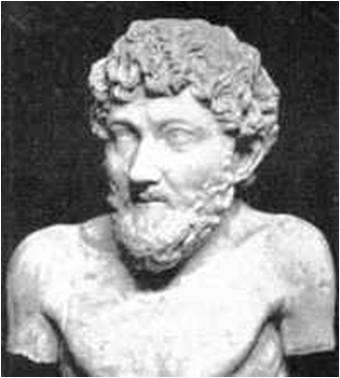
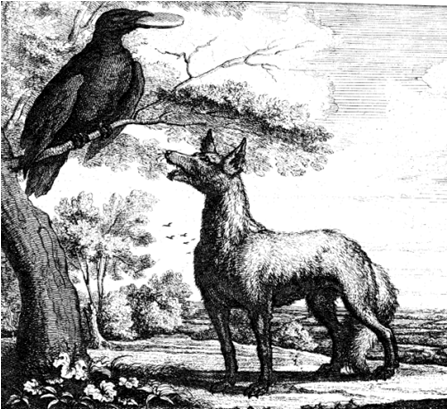
You are going to hear five fables by Aesop, the Greek slave who is one of the best-known writers of fables.
A. Choose the best answer to each of the following questions.
1) Why did the wolf get killed? ( )
a) Because the shepherd discovered that he was actually a wolf.
b) Because the shepherd thought that he was a sheep.
c) Because the shepherd wanted to punish him for eating some of his sheep.
2) Why did the bird never sing in the daytime? ( )
a) Because she could only sing in the evening.
b) Because there was nobody to listen to her.
c) Because she was caught while singing in the daytime.
3) Why does one of the monkey twins die? ( )
a) Because his mother neglects him completely.
b) Because he cannot breathe, for his mother holds him too tightly.
c) Because the other twin kills him out of jealousy.
4) Why would the bull not notice it if the gnat left? ( )
a) Because the gnat was too light and small for the bull to notice it.
b) Because the bull is a pretty dull animal.
c) Because the bull deliberately ignored the gnat.
5) Why was the olive tree broken by the storm? ( )
a) Because the reed yielded to the wind, but the olive tree received the full force of the wind.
b) Because this particular olive tree was probably too old and too weak.
c) Because the olive tree could bend easily.
B. Match the serial number of the five fables with the lessons drawn from each one of them.
No. 1 [ ] a. Too much care and kindness can do great harm.
No. 2 [ ] b. It is no use being wise after the event.
No. 3 [ ] c. Always be flexible and adjust to new circumstances.
No. 4 [ ] d. Don't overestimate your importance.
No. 5 [ ] e. Those who think themselves clever are often the most stupid.

