
The Future of College: It’s Online
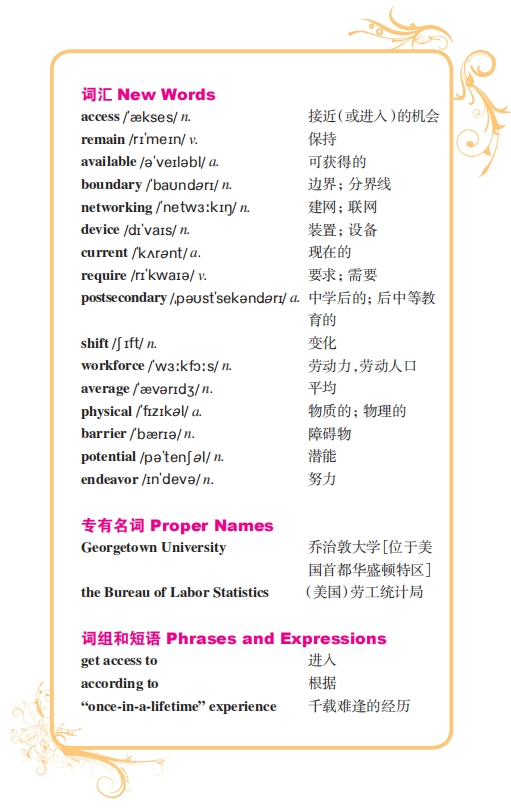
Although universities began nearly a thousand years ago, still only a few students from important families can get access to them. College today remains an experience not available to everyone who needs it — largely due to boundaries set by cost, time and space.
Technology is changing that. The growth of the Internet and spread of mobile networking devices have changed the current ways of education.
Today, 59% of jobs in the U.S. require postsecondary education and training according to a recent report by Georgetown University. We’re also seeing more career shifts among those in today’s workforce: As reported by the Bureau of Labor Statistics, people now in their 50s have changed jobs 11.3 times on average over their working lives. Both of these numbers are expected to rapidly increase over time. And new jobs require new skills.
Online education, by reducing cost and removing physical barriers, can open doors of opportunity to millions of people who otherwise might not have access to postsecondary education. It also has the potential to change higher learning from a “once-in-a-lifetime”experience of earning a degree to a continuing endeavor that helps people meet their education needs across a lifetime.