目录

  • 1 Brief Introduction to Sustainable Development
    • 1.1 Learning Objectives
    • 1.2 Lead-in Case
    • 1.3 In-Class Activities
    • 1.4 After-Class Activities
    • 1.5 Key terms
    • 1.6 References
  • 2 Chapter 1 Towards sustainable development
    • 2.1 Learning Objectives
    • 2.2 Before-Class Reading
    • 2.3 In-Class Discussion
    • 2.4 After-Class Output Project
      • 2.4.1 Environmental Management on Global Level;
      • 2.4.2 Envronmental Management on National Level
      • 2.4.3 Environmental Management on Company Level
    • 2.5 Summary & Homework
    • 2.6 Key Terms
    • 2.7 References
  • 3 Chapter 2 : Worldviews and ethical values: towards an ecological paradigm
    • 3.1 Learning Objectives
    • 3.2 Before-Class Reading
    • 3.3 In-Class Discussion
    • 3.4 After-Class Output Project
    • 3.5 Summary and Homework
    • 3.6 Key Terms
    • 3.7 References
  • 4 Chapter 3 : Cultural and Contested understandings of Science and Sustainability
    • 4.1 Learning Objectives
    • 4.2 Before-Class Reading
    • 4.3 In-Class Discussion
    • 4.4 After-Class Output Project
    • 4.5 Summary and Homework
    • 4.6 Key Terms
    • 4.7 References
  • 5 Chapter 4 Connecting Social with Environmental Justice
    • 5.1 Learning Objectives
    • 5.2 Before-Class Reading
    • 5.3 In-Class Discussion
    • 5.4 After-Class Ourput Project
    • 5.5 Summary and Homwork
    • 5.6 Key Terms
    • 5.7 References
  • 6 Chapter 5: Sustainable development, politics and governance
    • 6.1 Learning Objectives
    • 6.2 Before-Class Reading
    • 6.3 In-Class Discussion
    • 6.4 After-Class Output Project
    • 6.5 Summary and Homework
    • 6.6 Key Terms
    • 6.7 References
  • 7 Chapter 6: Conservation and Sustainable Development
    • 7.1 Learning Objectives
    • 7.2 Before-Class Reading
    • 7.3 In-Class Discussion
    • 7.4 After-Class Output Project
    • 7.5 Summary and Homework
    • 7.6 Key Terms
    • 7.7 References
  • 8 Chapter 7 Envisioning sustainable societies and urban areas
    • 8.1 Learning Objectives
    • 8.2 Before-Class Reading
    • 8.3 In-Class Discussion
    • 8.4 After-Class Output Project
    • 8.5 Summary and Homework
    • 8.6 Key Terms
    • 8.7 References
  • 9 Chapter 8  Communication and Learning for Sustainability
    • 9.1 Learning Objectives
    • 9.2 Before-Class Reading
    • 9.3 In-Class Discussion
    • 9.4 After-Class Output Project
    • 9.5 Summary and Homework
    • 9.6 Key Terms
    • 9.7 References
  • 10 Chapter 9 Leading the Sustainability Process
    • 10.1 Learning Objectives
    • 10.2 Before-Class Reading
    • 10.3 In-Class Discussion
    • 10.4 After-Class Output Project
    • 10.5 Summary and Homework
    • 10.6 Key Terms
    • 10.7 References
  • 11 Final Tasks
    • 11.1 Final Academic Poster
      • 11.1.1 Some  Helpful Tips (Chapter 8 after-class task)
      • 11.1.2 Some Helpful Videos
      • 11.1.3 Some Previous Homework
    • 11.2 Some Inspirations for Research Questions
    • 11.3 Final Paper--How to Find a Research Question
    • 11.4 Final Paper-How to Do the Literature Review
    • 11.5 Final Paper--How to Write the Methology Chapter
    • 11.6 Final Paper--What is Quantitative Research and Qualitative Research
    • 11.7 Final Paper--How to Write the Result and Discussion
In-Class Discussion

Extended  Learning

1. Review the Key Points 


Task 1: Summarize the Goals of the 2030 Agenda

Task 2: Individual Thinking : (1) Classify the 17 goals of sustainable development into the five dimensions. (2) Discuss the relationship between the five dimensions of 17 goals of sustainable development.

2. Group Discussion: 

(1) Examine your own everyday activities, purchases, enjoyments, work, travel, holidays, and so on. In what ways is globalization part of our everyday life experience? (2) What is the lasting value of the big international conferences on sustainable development? (3) Can sustainable development occur in any one country? Why?(4) How do the Sustainable Development Goals differ from the Millennium Development Goals?(5) What are the advantages and disadvantages of conceiving sustainable development as a dialogue of values?

 3. Case Study 

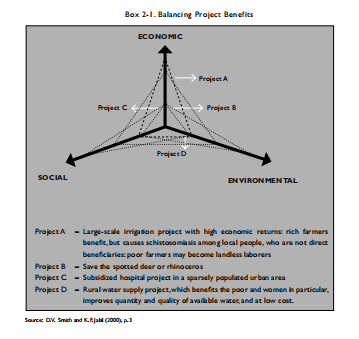
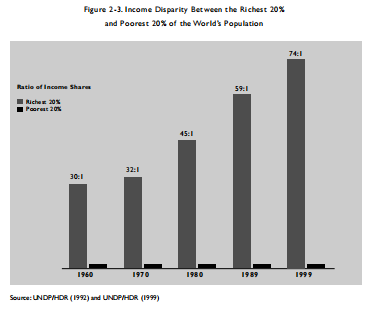
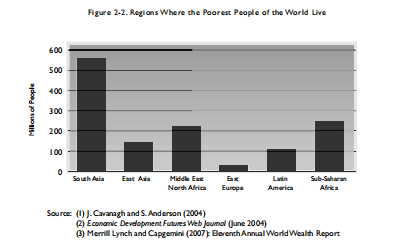
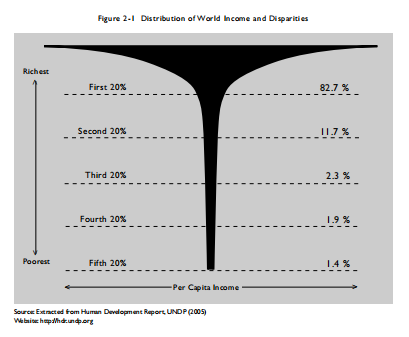
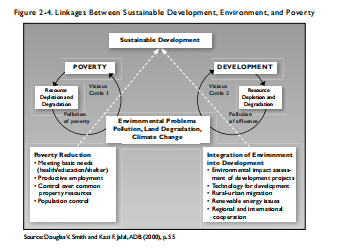
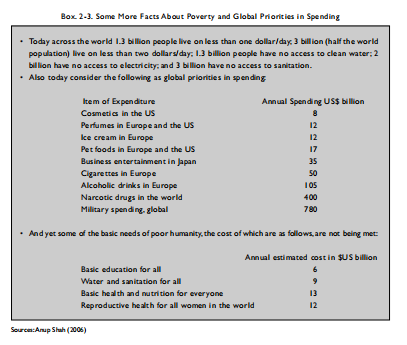
Poverty eradication is the first goal of the United Nations 2030 Agenda for Sustainable Development. Therefore, please analyze and interpret the following images with a focus on poverty. Based on this, we will analyze the current poverty situation in Bangladesh and give some suggestions for improvement.  https://www.bilibili.com/video/BV15E411g7W2?from=search&seid=2446360864177259&spm_id_from=333.337.0.0