
Jonathan Edwards (1703-1758)
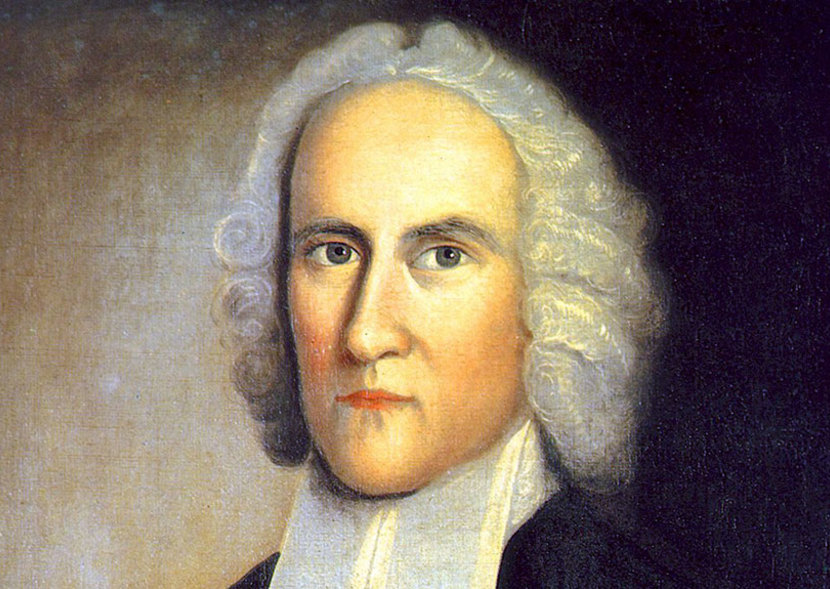
Jonathan Edwards
Theologian, Philosopher, Revivalist Preacher
Born: October 5, 1703, in East Windsor, Connecticut Colony
Died: March 22, 1758, in Princeton, New Jersey
Nationality: American
Education:
Graduated from Yale College in 1720 at the age of 17.
Earned a Master's degree from Yale in 1723.
Career Highlights:
1727: Ordained as a minister and became assistant pastor to his grandfather, Solomon Stoddard, in Northampton, Massachusetts.
1729: Assumed full pastoral duties after Stoddard's death, becoming one of the most influential religious leaders in New England.
1734–1735: Played a central role in the First Great Awakening, a religious revival movement, through his powerful sermons and writings.
1741: Delivered his most famous sermon, "Sinners in the Hands of an Angry God," which became a defining text of the Great Awakening.
1751: After a controversial dismissal from his Northampton congregation, he became a missionary to Native Americans in Stockbridge, Massachusetts, and continued his theological writing.
1758: Appointed president of the College of New Jersey (now Princeton University) but died shortly after taking office due to complications from a smallpox inoculation.
Key Contributions:
A leading figure in the First Great Awakening, emphasizing personal conversion, divine grace, and the sovereignty of God.
Bridged Puritan theology and the Enlightenment, integrating rigorous intellectual inquiry with deep religious conviction.
Authored numerous theological works, including A Treatise Concerning Religious Affections (1746) and The Freedom of the Will (1754), which remain influential in Christian theology and philosophy.
Legacy:
Recognized as one of America's greatest theologians and philosophers.
His writings and sermons continue to be studied for their intellectual depth and spiritual insight.
Played a pivotal role in shaping American religious thought and the evangelical tradition.
Personal Life:
Married to Sarah Pierpont in 1727; they had 11 children.
Known for his intense devotion to his faith, intellectual rigor, and pastoral care.
His descendants include numerous prominent figures in American history.
Quotable:
"The God that holds you over the pit of hell, much as one holds a spider or some loathsome insect over the fire, abhors you, and is dreadfully provoked."
(From "Sinners in the Hands of an Angry God")
Jonathan Edwards' legacy endures as a cornerstone of American religious and intellectual history, embodying the fervor and complexity of the Puritan tradition and the Great Awakening.
——————————————————————————————————————
Major works:
A Faithful Narrative of the Surprising Work of God in the Conversion of Many Hundred Souls • Some Thoughts Concerning the Present Revival of Religion in New-England • “Sinners in the Hands of an Angry God” • “Justification by Faith Alone” • “Pressing into the Kingdom of God”
Jonathan Edwards (1703–1758) is recognized today as a great theologian and philosopher, “one of America’s five or six major artists,” in the words of the historian Perry Miller, possessed of “an intelligence which, as much as Emerson’s, Melville’s, or Mark Twain’s, is both an index of American society and a comment upon it.” Edwards was not only a minister in Northampton, Massachusetts, but also a philosopher who bridged Puritan theology with Enlightenment thought; his sermons have shaped American Protestantism perhaps more than any other figure. But during his lifetime he was best known as a leader of what is now called the Great Awakening. Through narratives, treatises, sermons (including the much-anthologized “Sinners in the Hands of an Angry God”), and letters, Edwards transformed a series of small-town revivals into a larger movement that has been credited with both giving birth to American evangelicalism and laying the groundwork for the American Revolution. He went on to publish theological works characterized by powerful logic and pungent imagery: A Treatise Concerning Religious Affections, which Miller called “the most profound exploration of the religious psychology in all American literature”; the defenses of Calvinism Original Sin and Freedom of the Will; and also the majorly influential Life of David Brainerd.
Read a passage from Personal Narrative by Jonathan Edwards
Source: Jonathan Edwards - Library of America

