
Unit 13
Postwar American Society
Being a Negro in America means trying to smile when you want to cry. It means trying to hold on to physical life amid psychological death. It means the pain of watching your children grow up with clouds of inferiority in their mental skies. It means having their legs off, and then being condemned for being a cripple.
----Martin Luther King, Jr. 1967
在美国,身为黑人。就意味着当你想哭的时候,你要努力去微笑。这意味着你在心理死亡的情况下,努力去保持肉体生命。这意味着你看着你的孩子们在他们的精神天空带着自卑的阴云成长的痛苦。这意味着先把他们的腿砍掉,然后却因他们是跛子而谴责他们。
----马丁·路德·金,1967年

Unit Goals
●To have a bird’s-eye view of American society in the 1950s.
●To know the origins of the Civil Rights Movement.
●To learn the important words and expressions that describe the
America after World War II.
●To improve English language skills
Before You Read
1. You must have heard the singer Elvis Presley. He was somehow
revolutionary. How did his song reflect the change of culture in
those days?
2. What kind of civil rights do you enjoy?
The Civil Rights Enjoyed _____________________________________
3. What do you know about the Civil Rights Movement in the history
of the U.S.?
4. Form groups of three or four students. Try to find, on the Internet
or in the library, more information about America in the post-war
period which interests you most. Prepare a 5-minute classroom
presentation.
Start to Read
Text A American Society in the 1950s
1. During the 1950s,many cultural commentators argued that a sense of uniformity pervaded American society. Though men and “women had been forced into new employment patterns during World War II, traditional roles were reaffirmed once the war was over, Men expected to be the breadwinners in each family; women, even when they worked, assumed their proper place was at home. In his influential book, The Lonely Crowd, sociologist David Riesman called this new society“other-directed”, characterized by conformity, but also by stability. Television, still very limited in the choices it gave its viewers, contributed to the cultural trend by providing young and old with a shared experience reflecting accepted social patterns.
2. Yet beneath this seemingly peaceful surface, important segments of American society were filled with rebellion. A number of writers, collectively known as the “beat generation", went out of their way to challenge the patterns of respectability and shock the rest of the culture.
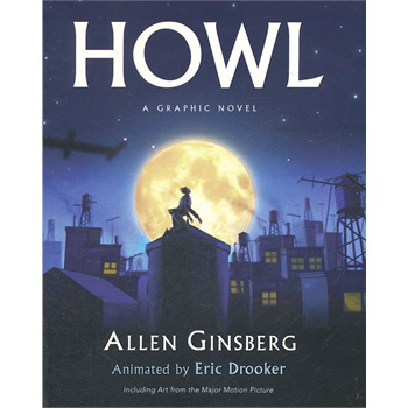
3. The literary work of the beats displayed their sense of alienation and quest for self- realization. Jack Kerouac typed his best selling novel On the Road on a 75-meter roll of paper. Lacking traditional punctuation and paragraph structure, the book glorified the possibilities of the free life. Poet Allen Ginsberg gained similar notoriety for his poem“Howl”,a critique of modern, mechanized civilization. When police charged that it was obscene and seized the published version, Ginsberg successfully challenged the ruling in court.


杰克·凯鲁亚克最畅销的小说《在路上》是在一卷75米长的纸上打出来的。
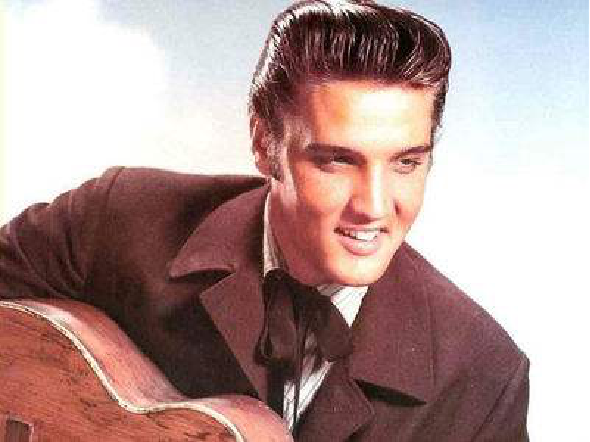
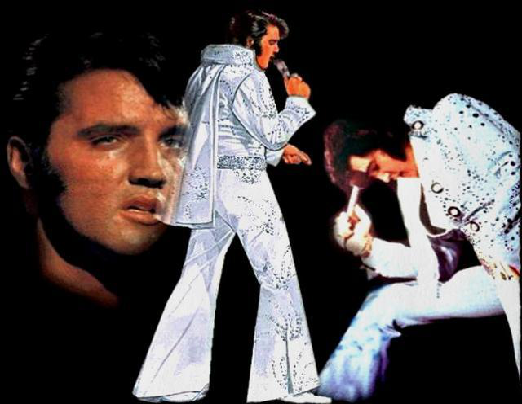
4. Musicians and artists rebelled as well. Tennessee singer Elvis Presley was the most successful of several white per formers who popularized a sensual style of African-American music, which began to be called “rock and roll”. At first, he outraged middle-class Americans with his ducktail haircut and undulating hips. Similarly, it was in the 1950s that painters like Jackson Pollock discarded easels and laid out gigantic canvases on the floor, then applied paint, sand, and other materials in wild splashes of color. All of these artists and authors, whatever the medium, provided models for the wider and more deeply felt social revolution of the 1960s.
The Civil Rights Movement
5. African Americans became increasingly restive in the postwar years. During the war, they had challenged discrimination in the military services and in the work force, and they had made limited gains. Millions of African Americans had left Southern farms for Northern cities, where they hoped to find better jobs. They found instead crowded conditions in urban slums. Now, African-American servicemen returned home, with much intent on rejecting second-class citizenship.
6. Jackie Robinson dramatized the racial question in 1947 when he broke baseball’s color line and began playing in the major leagues. As a member of the Brooklyn Dodgers, he often faced trouble with opponents and teammates as well. But the outstanding first season led to his acceptance and eased the way for other African-American players, who now left the Negro leagues to which they had been con fined.

7. Government officials, and many other Americans, discovered s the connection between racial problems and Cold War politics. As the leader of the free world, the United States sought support in Africa and Asia. Discrimination at home impeded the effort to win friends in other parts of the world.
8. Harry Truman supported the early civil rights movement. He personally believed in political equality, though not in social equality, and recognized the growing importance of the African- American urban vote. When informed in 1946 of anti-black violence in the South, he appointed a committee on civil rights to investigate discrimination. Its report, To Secure These Rights, issued the next year,documented African Americans' second-class status in American life and recommended numerous federal measures to secure the rights guaranteed to all citizens.
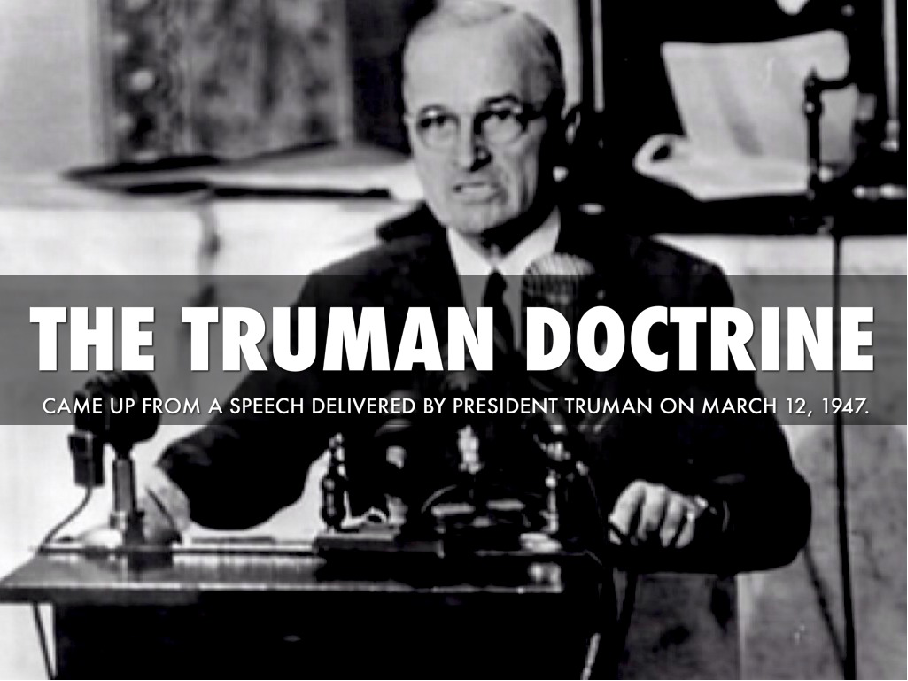
9. A number of the angriest, led by Governor Strom Thurmond of South Carolina, opposed the president in 1948.Truman thereupon issued an executive order barring discrimination in federal employment, ordered equal treatment in the armed forces, and appointed a committee to work toward an end to military segregation, which was largely ended during the Korean War.
10. African Americans in the South in the 1950s still enjoyed few, if any, civil and political rights. In general, they could not vote. Those who tried to register faced the likelihood of beatings, loss of job, or loss of their land. Occasional lynchings still occurred. Jim Crow laws enforced segregation of the races in streetcars, trains, hotels, restaurants, hospitals, recreational facilities, and employment.
After You Read
Knowledge Focus
1. Pair Work: Discuss the following questions with your partner.
(1) What were the traditional roles that men and women play in
American families?
(2) What do you know about the “beat generation"?
(3) Can you name several literary works of the beats? What
common features do they share?
(4) How did the musicians and painters revolutionize their forms of
arts?
(5) How did African Americans change in the postwar years?
(6) What was the situation before the Civil Rights Movement?
(7) What do you know about Jackie Robinson?
(8) What was the significance of the report To Secure These Rights?
(9) What was the attitude of Harry Truman towards the early Civil
Rights Movement?
(10) What was the situation of African Americans in the South in
the 1950s?
2. Solo Work: Tell whether the following are true or false
according to the knowledge you have learned. Consider why.
(1) After World War II, men and women shouldered equal
responsibility on maintaining families. ( )
(2) Beneath the seemingly peaceful surface, the American society
in the 1950s was filled with rebellion. ( )
(3) The representative literary work of the beats showed their sense
of alienation and quest for self-realization. ( )
(4) Elvis Presley popularized a sensual style of African-American
music, which began to be called “rock and roll”. ( )
(5) Millions of African Americans had left Northern farms for
Southern cities, where they hoped to find better jobs. ( )
(6) The “beat generation” refers to those people 1 born after World
War I. It witnessed a sudden increase in population. ( )
(7) Martin Luther King supported the early civil rights movement,
and personally believed in political equality. ( )
(8) After the 1950s, African Americans in the South enjoyed the
same civil and political rights as those whites. ( )
(9) The angriest, led by Governor Strom Thurmond of South
Carolina,opposed the president in 1948. ( )
(10) President Truman issued an executive order in favor of
discrimination in federal government. ( )
Language Focus
1. Fill in the blanks with the following words or expressions from
the text.
pervade notoriety quest obscene gigantic
intent numerous appoint guarantee glorify
(1) Your descriptions have ________ an average house into a
mansion.
(2) The president _________ her chief operating officer of the
company.
(3) The law enacted last week helped to __________ freedom
of speech.
(4) The recently-published novel dramatized the _________ for
the Holy Grail.
(5) The young man, fresh out of graduate school, was _______
upon being recognized by the academic circle.
(6) His unexpected marriage added to his __________.
(7) Microsoft, the leading company in software industry, is a
______ corporation.
(8) As soon as the monitor cracked a joke, laughter _____
the whole meeting hall.
(9) “The way he writes about the disease that killed her is
simply __________.” (Michael Korda)
(10) Before the opening ceremony, __________ athletes
assembled and headed for the stadium.
2. Fill in the blanks with the proper prepositions or adverbs that
collocate with the neighboring words.
(1) They appointed a committee to work _________ an end to
military segregation, which was largely ended during the
Korean War.
(2) Men and women had been forced _________ new employment
patterns during World War II.
(3) The Beat Generation went ________ of their way to challenge
the patterns of respectability and shock the rest of the culture.
(4) The literary work of the beats displayed their sense of alienation
and quest ______ self-realization.
(5) Jackson Pollock discarded easels, laid ________ gigantic
canvases on the floor, and then applied paint, sand, and other
materials in wild splashes of color.
(6) All of these artists s and t authors, whatever the medium,
provided models _________ the wider and more deeply felt
social revolution of the 1960s.
(7) Millions of African Americans went to Northern cities, where
they hoped to find better jobs. They found _________ crowded
conditions in urban slums.
(8) _________ a member of the Brooklyn Dodgers, he often faced
trouble with opponents and teammates as well.
(9) A number of the angriest, led __________ Governor of South
Carolina, opposed the president in 1948.
(10) The new society is characterized __________ conformity.
3. Fill in the blanks with the proper form of the words in the
brackets.
(1) During the 1950s, many cultural commentators argued that a
sense of _________ (uniform) pervaded American society.
(2) In his _________ (influence) book, The Lonely Crowd,
sociologist David Riesman called this new society “other-
directed”.
(3) Beneath this seemingly ________ (peace) surface, important
segments of American society were filled with rebellion.
(4) Poet Allen Ginsberg gained similar ___________ (notorious) for
his poem “Howl”, a critique of modern, mechanized civilization.
(5) Elvis Presley ___________ (popular) a sensual style of African-
American music, which began to be called “rock and roll”.
(6) ___________ (similar), it was in the 1950s that painters like
Jackson Pollock discarded easels and laid out gigantic canvases
on the floor.
(7) Jackie Robinson ________ (drama) the racial question in 1947
when he broke baseball’s color line and began playing in the
major leagues.
(8) The outstanding first season led to his __________ (accept) and
eased the way for other African-American players.
(9) Harry Truman __________ (person) believed in political equality,
though not in social equality, and recognized the growing
importance of the African-American urban vote.
(10) Government officials and many other Americans discovered
the __________ (connect) between racial problems and Cold
War politics.
Comprehensive Work
Group Work
Directions: In 1983, the Congress of the United States set aside the third Monday in January as a federal holiday to honor the life of Martin Luther King, Jr. This date falls near his birthday, January 15. It is a day for remembering and rededication to the principles for which he stood- freedom, justice, and equal rights for all, achieved through peaceful means. Form a group of five to six students and do a research on Martin Luther King, Jr. and then finish the following tasks with your team members:
1. Please define prejudice and explain what it means to them. Talk about the reasons why people might be prejudiced ( fear, ignorance, echoing parents ’sentiments, etc.). Discuss how people can overcome their prejudices learning about others,discussing fears, cooperating with others, etc.
2. Discuss Dr. King's speech --- “I Have a Dream”. If time permits, read the speech to your class or listen to the recording. Discuss how to keep Dr. King's dreams alive.
Solo Work
Consider the following questions. Write an essay of about 300 words to illustrate your points.
(1) When, if ever, is it best to remain colorblind to race and ethnicity? When, if ever, is it best to celebrate multicultural differences? Do the goals of colorblindness and multiculturalism conflict with each other?
(2) What do you think the most difficult aspect is of being a racial, ethnic, or religious minority member? What is the most difficult aspect of being a majority group member?

