
Read More
Text B Formation of Modern American Mass Culture
1. Many of the defining features of modern American culture emerged during the1920s. The record chart, the book club, the radio, the talking picture, and spectator sports- -all became popular forms of mass entertainment. But the 1920s primarily stand out as one of the most important periods in American cultural history because the decade produced a generation of artists, musicians, and writers who were among the most innovative and creative in the country's history.
2. Of all the new appliances to enter the nation’s homes during the 1920s, none had a more revolutionary impact than the radio. Sales of radios soared from $60 million in1922 to $426 million in 1929. The first commercial radio station began broadcasting in1919,and during the 1920s,the nation's airwaves were filled with musical variety shows and comedies.
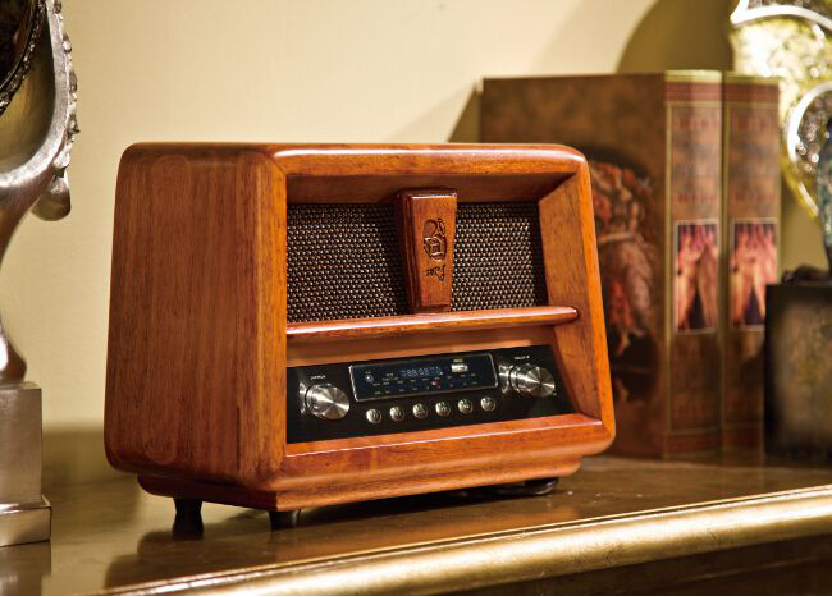
3. Radio drew the nation together by bringing news, entertainment, and advertisements to more than 10 million households by 1929. Radio blunted regional differences and imposed similar tastes and lifestyles. No other media had the power to create heroes and villains so quickly. When Charles Lindbergh became the first person p fly nonstop across the Atlantic from New York to Paris in 1928, the radio brought this incredible feat into American homes, transforming him into a celebrity overnight.
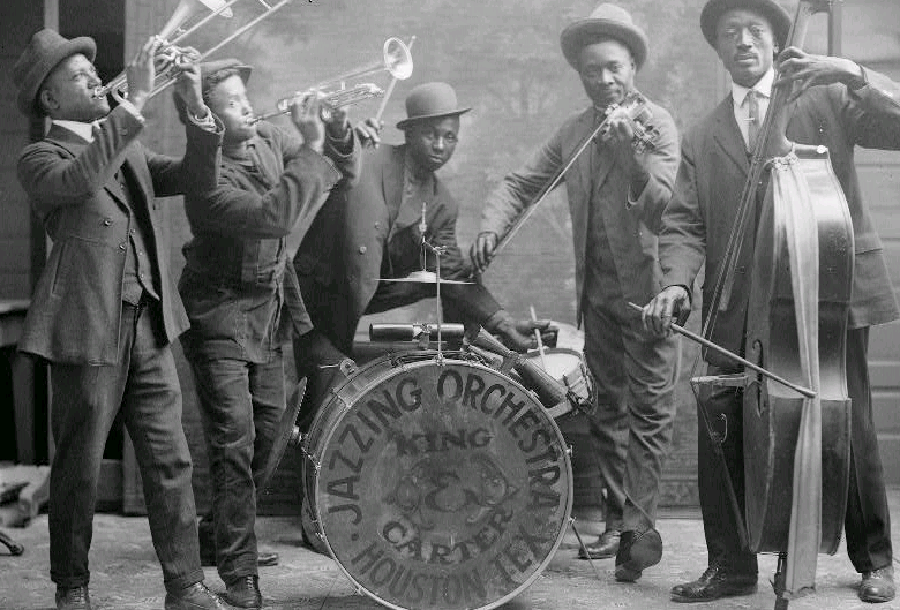
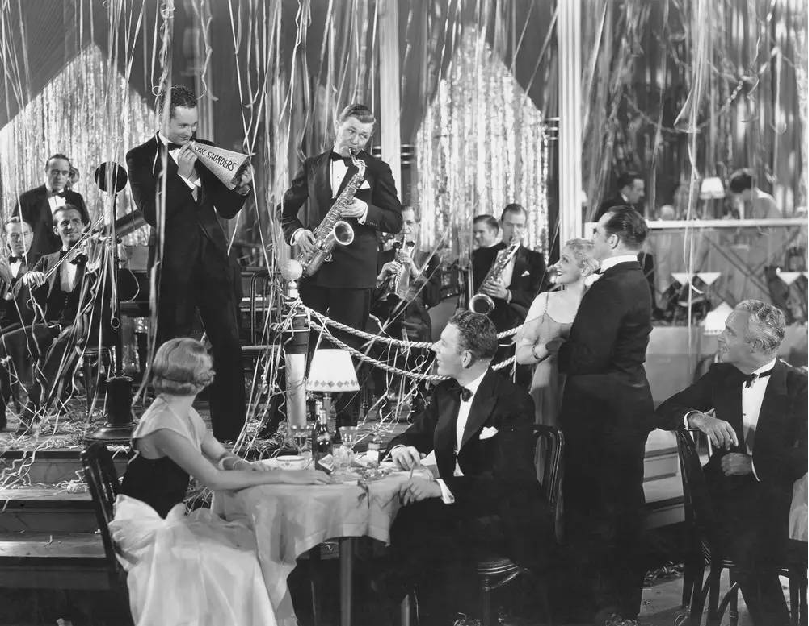
4. The phonograph was not far behind the radio in importance. The 1920s saw the record player enter American life in full force." Piano sales decreased as phonograph production rose from just 190,000 in 1923 to5 million in 1929. The novelist F. Scott Fitzgerald called the 1920s the“Jazz Age”- -and the decade was truly jazz's golden age. The blue crazes erupted in 1920 when a black singer named Mamie Smith released a recording called “Crazy Blues.” The record became a sensation, selling 75,000 copies in a month and a million copies in seven month. Recording by Ms Raney, the “Mother of the Blues,” and Bessie Smith, the “Empress of the Blues,” brought the blues, with their poignant and defiant reaction to life's sorrows, to a vast audience.
5. The single most significant new instrument of mass entertainment was the movies: Movie attendance soared from 50 million a week in 1920 to 90 million weekly in 1929. According to one estimate, Americans spent 83 cents of every entertainment dollar going to the movies, and three fourths of the population went to a movie theater every week.
6. During the late teens and 1920s, the film industry took on its modern form. In cinema's earliest days, the film industry was based in the nation's theatrical center- New York. By the 1920s,the industry had relocated to Hollywood, drawn by its cheap land and labor, the varied scenery that was readily accessible, and a suitable climate ideal for year-round filming ( some filmmakers moved to avoid lawsuits from individuals like Thomas Edison who owned patent rights over the filmmaking process). Each year, Hollywood released nearly 700 movies, dominating worldwide film production. By 1926, Hollywood had captured 95 percent of the British market and 70 percent of the French market. A small group of companies consolidated their control over the film industry and created the “studio system”that would dominate film production for the next 30 years. Paramount, 20th Century Fox, and other studios owned their own production facilities, ran their own worldwide distribution networks, and controlled theater chains committed to showing their companies' products. In addition, they kept the actors, directors, and screenwriters under contract.
7. Like radio, movies created a new popular culture with common speech, dress, behavior, and heroes. The radio, the electric phonograph, and the silver screen both molded and mirrored mass culture.
8. Spectator sports attracted vast audiences in the 1920s. The country yearned for heroes in an increasingly impersonal, bureaucratic society, and sports provided them. Prize fighters like Jack Dempsey became national idols. Team sports flourished, however, Americans focused on individual superstars, people whose talents or personalities made them appear larger than life.
1. Questions for Discussion or Reflection
(1) What were the most important features of the 1920s according to the writer?
(2) What was the significance of radio in Americans’ life?
(3) Why did F. Scott Fitzgerald call the 1920s the “Jazz Age”?
(4) Why did movie industry become so popular in the 1920s?
(5) Why were prize fighters like Jack Dempsey taken as national idols?
2. Multiple-Choice Questions
(1) What American culture is NOT mentioned in detail in this text?
A. the radio B. sports
C. the film industry D. the book club
(2) Which is NOT correct according to the text?
A. Phonographs were not far behind the radios in importance.
B. Sales of radios soared from $60 million in 1922 to $436 million in 1929.
C. The single most significant new instrument of mass entertainment was the movies.
D. Bach year, Hollywood released nearly 700 movies, dominating worldwide film production.
(3) Which is NOT the method for film industries to control their business?
A. Running their own worldwide distribution networks.
B. Keeping the actors, directors, and dramatist under contract.
C. Controlling theater chains committed to showing their companies' products.
D. Creating the studio system.

