Extended Reading and Translation
I. Reading Tasks
Read the following passages and figure out each one's key idea.
Passage One: 白色皮肤,黑人意识:迈克尔·杰克逊的种族态度
中文导读:Michael Jackson,引领了一个时代的流行音乐之王。理解他的人觉得他是美好到脱离俗世的天使,而不理解他的人认为他是有别于世人的怪物。世间流传着关于他的种种谣言:他漂白了自己的皮肤、他对儿童有不适当的感情等等,世俗的偏见和媒体的煽风点火使他被世人深深地误解。但他选择了以善报恶,在音乐里表达自己对世界和平的向往,他留给世界的善举和仁慈也将永远延续下去。今天我们来看看《卫报》对他的解读。
Black and White: how Dangerous kicked off Michael Jackson's race paradox
黑与白:《Dangerous》如何成为迈克尔·杰克逊种族悖论的源起
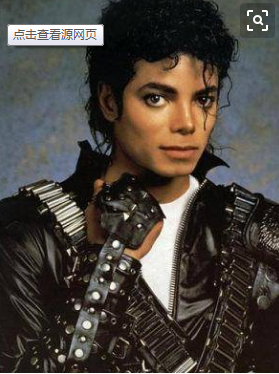
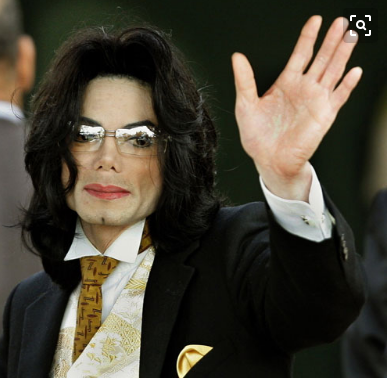
For a figure as enigmatic as Michael Jackson, one of the more fascinating paradoxes about his career is this: as he became whiter, he became blacker.
To elaborate, we must rewind to a crucial turning point: the early 1990s. In 1991, Jackson released Black or White from his Dangerous album. It was his most successful solo single since Beat It.
The conversation surrounding Jackson at this point, however, was about his race. Critics said, he might sing that it "don't matter if you're black or white", but then why had he turned himself white? To this day, many assume Jackson bleached his skin to become white—that it was a wilful cosmetic decision because he was ashamed of his race. Yet in the mid-1980s Jackson was diagnosed with vitiligo.
For Jackson, then, there was no ambivalence about his racial identity and heritage. The first indication of this came in the video for Black or White, in which ebullient faces of various races seamlessly blend from one to another. The message seemed to be that we are all part of the human family regardless of cosmetic variations.
The second indication is Remember the Time. Featuring some of the era's most prominent black luminaries, the video is set in ancient Egypt. In contrast to Hollywood's stereotypical representations of African Americans as servants, Jackson presents them here as royalty.
Jackson demonstrated that race is about more than mere pigmentation or physical features. While his skin became whiter, his work in the 1990s was never more infused with black pride, talent, inspiration and culture.
杰克逊证明,种族不只是一个人的肤色或生理特征这么简单。尽管他的皮肤越来越白,但他在上世纪 90 年代的作品却蕴藏了大量的黑人骄傲、才华、灵感和文化。
————— 文章来源 / 卫报 
重点词汇
paradox /ˈpærədɑːks/ n. 悖论
e.g. It's a curious paradox that drinking a lot of water can often make you feel thirsty.
enigmatic /ˌenɪɡˈmætɪk/ adj. 神秘的;难以捉摸的 (enigma n.)
e.g. She is something of an enigma.
enigmatic smile

elaborate /ɪˈlæbərət/ v. 阐述;详尽说明
rewind /ˌriːˈwaɪnd/ v. 倒带;回放
e.g. rewind live television 回看电视直播。
bleach /bliːtʃ/ v. 漂白
wilful /ˈwɪlfl/ adj. 故意的;固执的
e.g. I eat huge quantities of sweet, in wilful disregard of my health.
cosmetic /kɑːzˈmetɪk/ adj. 美容的;表面的
e.g. cosmetic surgery 整容手术
They were offered a few cosmetic improvements to their working conditions, but nothing of significance.
diagnose /ˌdaɪəɡˈnoʊs/ v. 诊断出(病症)
e.g. The specialist diagnosed cancer.
She was diagnosed with diabetes/as having diabetes.
vitiligo /ˌvɪtə'laɪgo/ n. 白癜风
ambivalence /æmˈbɪvələns/ n.矛盾心理
e.g. The metropolis is a place of ambivalence, a place of promise and of threat.
metropolis 大都市,大都会
ebullient /ɪˈbʊliənt/ adj. 热情洋溢的;精力充沛的
seamlessly /ˈsiːmləsli/ adv. 无缝地
e.g. a seamless dress (adj.)
feature /ˈfiːtʃər/ v. 给...显著地位;由...主演
luminary /ˈluːmɪneri/ n. (某领域)知名人士
e.g. luminaries of stage and screen 演艺界的明星
stereotypical /ˌsteriəˈtɪpɪkl/ adj. 有着刻板印象的
pigmentation /ˌpɪɡmenˈteɪʃn/ n. (生物的)天然颜色;色素沉着
e.g. Vitiligo is an incurable pigmentation disorder.
incurable 不可治愈的
disorder 混乱,凌乱,(身心机能的)失调
infuse /ɪnˈfjuːz/ v. 将(某特性)注入
e.g. Today's lesson infused new life into your weekend.
Passage Two 重磅:让人类得老年痴呆的竟是它?
中文导读:去年奥斯卡最佳动画长片《寻梦环游记》里有一句经典台词:“比死亡更可怕的,是遗忘”。在电影中,年迈的曾祖母会重复说一样的话,会遗忘掉自己的父亲。而现实生活中,阿尔茨海默症正是这样的一种疾病,俗称“老年痴呆症”。近30年来,主流学界一直认为:淀粉样蛋白是导致阿尔茨海默症的元凶。但是,最近科学界公布了该病研究史上最颠覆性的发现:病毒感染可能是潜在致病原因。那这个重大发现能否有效预防或治疗老年痴呆症呢?
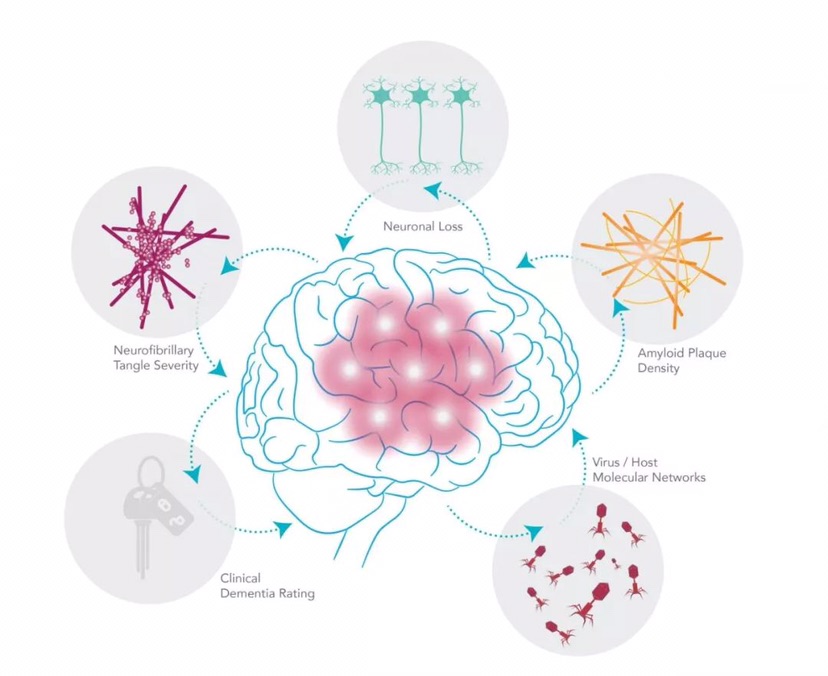
▲病毒感染可能在阿兹海默病的发病中扮演了重要角色(图片来源:Graphic by Shireen Dooling for the Biodesign Institute at ASU)
Alzheimer's link to herpes virus in brain, say scientists 科学家称老年痴呆症与脑部疱疹病毒有关
The presence of viruses in the brain has been linked to Alzheimer's disease in research that challenges conventional theories about the onset of dementia.
The results, based on tests of brain tissue from nearly 1,000 people, found that two strains of herpes virus were far more abundant in the brains of those with early-stage Alzheimer's than in healthy controls. However, scientists are divided on whether viruses are likely to be an active trigger, or whether the brains of people already on the path towards Alzheimer's are simply more vulnerable to infection.
The scientists could not prove whether viruses actively contribute to the onset of disease, but they discovered a plausible mechanism for how this could happen. Some of the herpes genes were found to be boosting the activity of several known Alzheimer's genes.
However, others were more sceptical. Prof John Hardy, a geneticist at UCL, said: “There are some families with mutations in specific genes who always get this disease. It’s difficult to square that with a viral aetiology. I'd urge an extremely cautious interpretation of these results.”
There are currently 850,000 people living with dementia in Britain, and the number is projected to rise to a million by 2025 and 2 million by 2050. But despite hundreds of drug trials during the past decade, an effective treatment has not yet emerged.
目前英国有 85 万人在承受着痴呆症,预计到 2025 年,这个数字将上升到 100 万,到 2050 年将上升到 200 万。但是,尽管在过去 10 年中进行了数百次药物试验,有效的治疗手段仍未出现。
————— 文章来源 / 卫报 
重点词汇
Alzheimer's /ˈæltshaɪmərz/ n. 阿尔茨海默症;老年痴呆症
herpes /ˈhɜːrpiːz/ n. 疱疹
control /kənˈtroʊl/ n. 对照组
onset /ˈɔːnset/ n. (疾病的)发作;开始
dementia /dɪˈmenʃə/ n. (尤指老年性)痴呆症
e.g. The most common form of dementia is Alzheimer's disease.
strain /streɪn/ n.(动植物的)品系,株系
e.g. a new strain of the virus :一种新型病毒。
vulnerable /ˈvʌlnərəbl/ adj. 脆弱的;易受伤害的
e.g. Children are most vulnerable to abuse.
infection /ɪnˈfekʃn/ n. (细菌或病毒)感染 (infect v.)
e.g. a throat infection 咽喉感染
plausible /ˈplɔːzəbl/ adj. 貌似真实可信的
e.g. a plausible excuse
mechanism /ˈmekənɪzəm/ n. 机制
sceptical /ˈskeptɪkl/ adj. 持怀疑态度的
e.g. I am highly sceptical about his chances of winning.
geneticist /dʒəˈnetɪsɪst/ n. 遗传学家
mutation /mjuːˈteɪʃn/ n. (基因)突变
square /skwer/ v. 与...一致
e.g. square his goal with his belief
aetiology /ˌiːtiˈɑːlədʒi/ n. 病因学
project /ˈprɑːdʒekt/ v. 预计
live with sth. 在...下生活;承受
e.g. live with my husband's anxiety 焦虑
拓展内容: What is Alzheimer's disease?
其实关于病毒与阿尔茨海默症有关的说法由来已久。但是淀粉样蛋白理论的簇拥者太多,研究病毒理论的科学家并没有受到重视。从上个世纪末到这个世纪初,这群科学家孜孜不倦地钻研,发现它与疱疹病毒科有密切联系,这个病毒科有何特点呢?疱疹病毒非常常见,据估计,90%的人到 70 岁时都会携带 1 型单纯疱疹病毒(HSV1),而几乎每个婴儿出生后都会感染 6 型人类疱疹病毒(HHV-6),而这些病毒能够静静在人体体内潜伏数十年。
另一项临床研究表明,感染了疱疹病毒的人群比没有感染的人患痴呆症的风险高 2.564 倍,在接受了抗病毒治疗之后,这些人的发病风险能够降低 90%之多。所以,当针对淀粉样蛋白理论的临床试验屡屡受挫的当下,病毒研究的重要性就愈发突出。人们目前对萎缩的大脑束手无策,但是倘若这个结论成立,人类就有可能通过尝试抗病毒的治疗方法,甚至接种疫苗等手段预防阿尔兹海默症。
II. Translation Task
Read the following carefully and you may have a try to translate it into Chinese.
BillMorrow’s Birthday Party
Several times on his trips to
At the hotel I always finished the meal with ice-cream and the girls there would laugh because I liked it so much. Zhou En-lai was at my birthday party and at the end he got up, went over to the counter and got an ice-cream and he put it down in front of me – this is the Prime Minister you know! He said 'This is for you'. I said 'I didn't know you could speak English'. He laughed and he said ‘a little bit’ measuring with his finger and thumb. Sometimes when we were alone then he'd speak to me in English.
‘This is for you,’ Bill Morrow heard on many occasions he would never forget – such as when he was taken in a boat down the Grand Canal and every boat that passed sounded its siren in salutation. Or when he was shown over the great Nanjing bridge, built where the ferries used to carry trains across the Changjiang River. He was given achair and asked to wait a little as darkness came on, then suddenly the whole bridge was outlined in lights. ‘This is for you.’ ‘You mustn’t use all that electricity to please me,’ he protested, ‘all Nanjing will enjoy it too,’ he was told.
Zhou En-lai arranged for experts from Beijing University to give Bill Morrow some up-to-date information he wanted. ‘I’m just an old bum at home,’ Bill said, ‘but here you treat me like a VIP.’ ‘We know what you have done,’ said Zhou En-lai.
(from Audrey Johnson, Fly a Rebel Flag)
III. Culture in Movie
Watch the movie The Wedding Banquet (《喜宴》), and try to figure out the intercultural conflicts from it? Get ready to report your findings to the class.