目录

  • 1 跨文化阅读U1 Advertising
    • 1.1 Note on the Topic
    • 1.2 Before You Read
    • 1.3 Reading
    • 1.4 Intercultural Notes
  • 2 跨文化阅读U2  Schooldays
    • 2.1 Note On The Topic
    • 2.2 Before You Read
    • 2.3 Reading
  • 3 跨文化阅读U3  A Tale of the Unexpected
    • 3.1 Note On The Topic
    • 3.2 Before You Read
    • 3.3 Reading
    • 3.4 Further Information
  • 4 跨文化阅读U4  Personal Space
    • 4.1 Note On The Topic
    • 4.2 Before You Read
    • 4.3 Reading
    • 4.4 Intercultural Notes
    • 4.5 Further Information
  • 5 跨文化阅读U5  Physical Disabilities
    • 5.1 Note On The Topic
    • 5.2 Before You Read
    • 5.3 Reading
    • 5.4 Further Information
  • 6 跨文化阅读U6  Western Knowledge  of Chinese Science
    • 6.1 Note on the Topic
    • 6.2 Before You Read
    • 6.3 Reading
    • 6.4 Further Information
  • 7 跨文化阅读U7 Mastering a New Language
    • 7.1 Note On The Topic
    • 7.2 Before You Read
    • 7.3 Reading
    • 7.4 Further Information
  • 8 跨文化阅读U8  Good Teachers; Good Students
    • 8.1 Note On The Topic
    • 8.2 Before You Read
    • 8.3 Reading
    • 8.4 Intercultural Notes
    • 8.5 Further Information
  • 9 跨文化阅读U9  Eyeless Sight
    • 9.1 Note On The Topic
    • 9.2 Before You Read
    • 9.3 Reading
    • 9.4 Further Information
  • 10 跨文化阅读U10  Superstitions
    • 10.1 Note On The Topic
    • 10.2 Before You Read
    • 10.3 Reading
    • 10.4 Further Information
  • 11 跨文化阅读U11  An English New Town
    • 11.1 Note On The Topic
    • 11.2 Before You Read
    • 11.3 Reading
    • 11.4 Further Information
  • 12 跨文化阅读U12  Bridging China and the West
    • 12.1 Note On The Topic
    • 12.2 Before You Read
    • 12.3 Reading
    • 12.4 Further Information
  • 13 跨文化阅读U13  Gestures
    • 13.1 Note On The Topic
    • 13.2 Before You Read
    • 13.3 Reading
    • 13.4 Intercultural Notes
  • 14 跨文化阅读U14  Romantic Fiction
    • 14.1 Note On The Topic
    • 14.2 Before You Read
    • 14.3 Reading
    • 14.4 Further Information
  • 15 跨文化阅读U15  Re-engineering the Music Business
    • 15.1 Note On The Topic
    • 15.2 Before You Read
    • 15.3 Reading
    • 15.4 Further Information
  • 16 跨文化阅读U16  Application Letters
    • 16.1 Note On The Topic
    • 16.2 Before You Read
    • 16.3 Reading
    • 16.4 Intercultural Notes
  • 17 视听说U1 College culture
    • 17.1 Part I Before Listening
    • 17.2 Part II While Listening
    • 17.3 Part III After Listening
    • 17.4 Conversation 1-Video
    • 17.5 Conversation 1-Transcript
    • 17.6 Conversation 2-Video
    • 17.7 Conversation 2- Transcript
    • 17.8 Outside View (Video)
    • 17.9 Outside view Transcript
    • 17.10 Listening In 1- (Audio)
    • 17.11 Listening In 1-Transcript
    • 17.12 Listening In 2 -(Audio)
    • 17.13 Listening In 2 -Transcript
    • 17.14 Listening In 3- (Audio)
    • 17.15 Listening In 3 Transcript
  • 18 视听说U2 Mixed feelings
    • 18.1 Part I Before Listening
    • 18.2 Part II While Listening
    • 18.3 Part III After Listening
    • 18.4 Conversation1-Video
    • 18.5 Conversation 1 Transcript
    • 18.6 Conversation 2-Video
    • 18.7 Conversation 2 Transcript
    • 18.8 Outside View (Video)
    • 18.9 Outside View (Script)
    • 18.10 Listening In 1 -(Audio)
    • 18.11 Listening In 1-transcript
    • 18.12 Listening In 2 -(Audio)
    • 18.13 Listening In 2 -transcript
    • 18.14 Listening In 3 -(Audio)
    • 18.15 Listening In 3 -transcript
  • 19 视听说U3 Sporting life
    • 19.1 Part I  Before Listening
    • 19.2 Part II While Listening
    • 19.3 Part III After Listening
    • 19.4 Conversation1-Video
    • 19.5 Conversation 1 - Transcript
    • 19.6 Conversation 2 -Video
    • 19.7 Conversation 2- Transcript
    • 19.8 Outside view (Video)
    • 19.9 Outside view (Script)
    • 19.10 Listening In 1- (Audio)
    • 19.11 Listening In 1-transcript
    • 19.12 Listening In 2 -(Audio)
    • 19.13 Listening In 2- transcript
    • 19.14 Listening In 3 -(Audio)
    • 19.15 Listening In 3- transcript
  • 20 视听说U4 Crime watch
    • 20.1 Part I  Before Listening
    • 20.2 Part II While Listening
    • 20.3 Part III After Listening
    • 20.4 Conversation1-Video
    • 20.5 Conversation 1-  Transcript
    • 20.6 Conversation 2- Video
    • 20.7 Conversation 2 -Transcript
    • 20.8 Outside View (Video)
    • 20.9 Outside View (Script)
    • 20.10 Listening In 1- (Audio)
    • 20.11 Listening In 1-transcript
    • 20.12 Listening In 2- (Audio)
    • 20.13 Listening In 2- transcript
    • 20.14 Listening In 3- (Audio)
    • 20.15 Listening In 3 -transcript
  • 21 视听说U5 Time off
    • 21.1 Part I  Before Listening
    • 21.2 Part II While Listening
    • 21.3 Part III After Listening
    • 21.4 Inside View 1- (Video)
    • 21.5 Inside View (Script)
    • 21.6 Inside View 2- (Video)
    • 21.7 Inside View  2-(Script)
    • 21.8 Outside View (Video)
    • 21.9 Outside View (Script)
    • 21.10 Listening In 1-(Audio)
    • 21.11 Listening In (Script)
    • 21.12 Listening In 2-(Audio)
    • 21.13 Listening In 2- (Script)
    • 21.14 Listening In 3-(Audio)
    • 21.15 Listening In 3- (Script)
  • 22 视听说U6 The secret life of science
    • 22.1 Part I  Before Listening
    • 22.2 Part II While Listening
    • 22.3 Part III After Listening
    • 22.4 Inside View 1-(Video)
    • 22.5 Inside View (Script)
    • 22.6 Inside View 2-(Video)
    • 22.7 Inside View  2-(Script)
    • 22.8 Outside View (Video)
    • 22.9 Outside View (Script)
    • 22.10 Listening In 1- (Audio)
    • 22.11 Listening In (Script)
    • 22.12 Listening In 2- (Audio)
    • 22.13 Listening In 2- (Script)
    • 22.14 Listening In 3- (Audio)
    • 22.15 Listening In 3- (Script)
  • 23 视听说U7 The world at war
    • 23.1 Part I  Before Listening
    • 23.2 Part II While Listening
    • 23.3 Part III After Listening
    • 23.4 Inside View 1-(Video)
    • 23.5 Inside View 1-(Script)
    • 23.6 Inside View 2-(Video)
    • 23.7 Inside View 2-(Script)
    • 23.8 Outside View (Video)
    • 23.9 Outside View (Script)
    • 23.10 Listening In 1- (Audio)
    • 23.11 Listening In 1-(Script)
    • 23.12 Listening In 2- (Audio)
    • 23.13 Listening In 2-(Script)
    • 23.14 Listening In 3- (Audio)
    • 23.15 Listening In 3-(Script)
  • 24 视听说U8 Have you got what it takes?
    • 24.1 Part I  Before Listening
    • 24.2 Part II While Listening
    • 24.3 Part III After Listening
    • 24.4 Inside View 1-(Video)
    • 24.5 Inside View 1-(Script)
    • 24.6 Inside View 2-(Video)
    • 24.7 Inside View2- (Script)
    • 24.8 Outside View (Video)
    • 24.9 Outside View (Script)
    • 24.10 Listening In 1- (Audio)
    • 24.11 Listening In 1- (Script)
    • 24.12 Listening In 2- (Audio)
    • 24.13 Listening In 2- (Script)
    • 24.14 Listening In 3- (Audio)
    • 24.15 Listening In (Script)
Part I Before Listening


Culture Notes:

Outside View                                                   
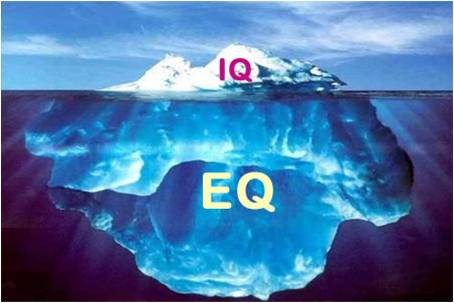


IQ: Intelligence Quotient                              

EQ: Emotional Quotient

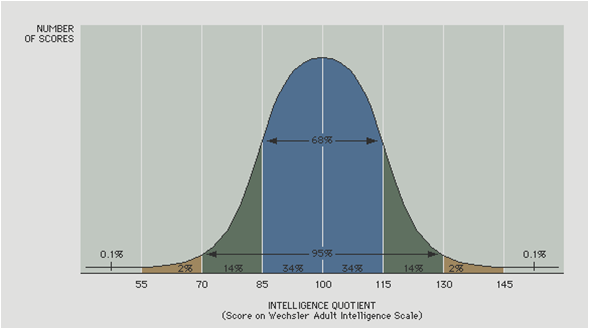
    Some psychologists assume there is a general intelligence factor underlying such abilities as abstraction, learning and dealing with novelty.  IQ is a measure of intelligence related to age (100 times the mental age --- measured by a standardized  test --- divided by the chrological age).

       Some tests measure verbal reasoning, others non-verbal reasoning. However, IQ tests are inevitably biased to the society and culture of those who made the tests.
       The more recent idea of “multiple intelligences” is a more flexible and eclectic idea that
there are a number of different kinds of intelligence (seven to nine), including verbal (linguistic), musical, logical (mathematical), and interpersonal or emotional intelligence.


    Emotional intelligence is a concept that relates emotions to thinking. Psychologists John Mayer and Peter Salovey discussed  “emotional intelligence” in 1990 as “the ability to monitor one’s own and other’s feelings and emotions and use this information to guide one’s thinking and actions.” Some business and other organizations now use EQ tests before they offer potential employees a job, because they believe such tests give information about social skills, motivation and empathy.