目录

  • 1 跨文化阅读U1 Advertising
    • 1.1 Note on the Topic
    • 1.2 Before You Read
    • 1.3 Reading
    • 1.4 Intercultural Notes
  • 2 跨文化阅读U2  Schooldays
    • 2.1 Note On The Topic
    • 2.2 Before You Read
    • 2.3 Reading
  • 3 跨文化阅读U3  A Tale of the Unexpected
    • 3.1 Note On The Topic
    • 3.2 Before You Read
    • 3.3 Reading
    • 3.4 Further Information
  • 4 跨文化阅读U4  Personal Space
    • 4.1 Note On The Topic
    • 4.2 Before You Read
    • 4.3 Reading
    • 4.4 Intercultural Notes
    • 4.5 Further Information
  • 5 跨文化阅读U5  Physical Disabilities
    • 5.1 Note On The Topic
    • 5.2 Before You Read
    • 5.3 Reading
    • 5.4 Further Information
  • 6 跨文化阅读U6  Western Knowledge  of Chinese Science
    • 6.1 Note on the Topic
    • 6.2 Before You Read
    • 6.3 Reading
    • 6.4 Further Information
  • 7 跨文化阅读U7 Mastering a New Language
    • 7.1 Note On The Topic
    • 7.2 Before You Read
    • 7.3 Reading
    • 7.4 Further Information
  • 8 跨文化阅读U8  Good Teachers; Good Students
    • 8.1 Note On The Topic
    • 8.2 Before You Read
    • 8.3 Reading
    • 8.4 Intercultural Notes
    • 8.5 Further Information
  • 9 跨文化阅读U9  Eyeless Sight
    • 9.1 Note On The Topic
    • 9.2 Before You Read
    • 9.3 Reading
    • 9.4 Further Information
  • 10 跨文化阅读U10  Superstitions
    • 10.1 Note On The Topic
    • 10.2 Before You Read
    • 10.3 Reading
    • 10.4 Further Information
  • 11 跨文化阅读U11  An English New Town
    • 11.1 Note On The Topic
    • 11.2 Before You Read
    • 11.3 Reading
    • 11.4 Further Information
  • 12 跨文化阅读U12  Bridging China and the West
    • 12.1 Note On The Topic
    • 12.2 Before You Read
    • 12.3 Reading
    • 12.4 Further Information
  • 13 跨文化阅读U13  Gestures
    • 13.1 Note On The Topic
    • 13.2 Before You Read
    • 13.3 Reading
    • 13.4 Intercultural Notes
  • 14 跨文化阅读U14  Romantic Fiction
    • 14.1 Note On The Topic
    • 14.2 Before You Read
    • 14.3 Reading
    • 14.4 Further Information
  • 15 跨文化阅读U15  Re-engineering the Music Business
    • 15.1 Note On The Topic
    • 15.2 Before You Read
    • 15.3 Reading
    • 15.4 Further Information
  • 16 跨文化阅读U16  Application Letters
    • 16.1 Note On The Topic
    • 16.2 Before You Read
    • 16.3 Reading
    • 16.4 Intercultural Notes
  • 17 视听说U1 College culture
    • 17.1 Part I Before Listening
    • 17.2 Part II While Listening
    • 17.3 Part III After Listening
    • 17.4 Conversation 1-Video
    • 17.5 Conversation 1-Transcript
    • 17.6 Conversation 2-Video
    • 17.7 Conversation 2- Transcript
    • 17.8 Outside View (Video)
    • 17.9 Outside view Transcript
    • 17.10 Listening In 1- (Audio)
    • 17.11 Listening In 1-Transcript
    • 17.12 Listening In 2 -(Audio)
    • 17.13 Listening In 2 -Transcript
    • 17.14 Listening In 3- (Audio)
    • 17.15 Listening In 3 Transcript
  • 18 视听说U2 Mixed feelings
    • 18.1 Part I Before Listening
    • 18.2 Part II While Listening
    • 18.3 Part III After Listening
    • 18.4 Conversation1-Video
    • 18.5 Conversation 1 Transcript
    • 18.6 Conversation 2-Video
    • 18.7 Conversation 2 Transcript
    • 18.8 Outside View (Video)
    • 18.9 Outside View (Script)
    • 18.10 Listening In 1 -(Audio)
    • 18.11 Listening In 1-transcript
    • 18.12 Listening In 2 -(Audio)
    • 18.13 Listening In 2 -transcript
    • 18.14 Listening In 3 -(Audio)
    • 18.15 Listening In 3 -transcript
  • 19 视听说U3 Sporting life
    • 19.1 Part I  Before Listening
    • 19.2 Part II While Listening
    • 19.3 Part III After Listening
    • 19.4 Conversation1-Video
    • 19.5 Conversation 1 - Transcript
    • 19.6 Conversation 2 -Video
    • 19.7 Conversation 2- Transcript
    • 19.8 Outside view (Video)
    • 19.9 Outside view (Script)
    • 19.10 Listening In 1- (Audio)
    • 19.11 Listening In 1-transcript
    • 19.12 Listening In 2 -(Audio)
    • 19.13 Listening In 2- transcript
    • 19.14 Listening In 3 -(Audio)
    • 19.15 Listening In 3- transcript
  • 20 视听说U4 Crime watch
    • 20.1 Part I  Before Listening
    • 20.2 Part II While Listening
    • 20.3 Part III After Listening
    • 20.4 Conversation1-Video
    • 20.5 Conversation 1-  Transcript
    • 20.6 Conversation 2- Video
    • 20.7 Conversation 2 -Transcript
    • 20.8 Outside View (Video)
    • 20.9 Outside View (Script)
    • 20.10 Listening In 1- (Audio)
    • 20.11 Listening In 1-transcript
    • 20.12 Listening In 2- (Audio)
    • 20.13 Listening In 2- transcript
    • 20.14 Listening In 3- (Audio)
    • 20.15 Listening In 3 -transcript
  • 21 视听说U5 Time off
    • 21.1 Part I  Before Listening
    • 21.2 Part II While Listening
    • 21.3 Part III After Listening
    • 21.4 Inside View 1- (Video)
    • 21.5 Inside View (Script)
    • 21.6 Inside View 2- (Video)
    • 21.7 Inside View  2-(Script)
    • 21.8 Outside View (Video)
    • 21.9 Outside View (Script)
    • 21.10 Listening In 1-(Audio)
    • 21.11 Listening In (Script)
    • 21.12 Listening In 2-(Audio)
    • 21.13 Listening In 2- (Script)
    • 21.14 Listening In 3-(Audio)
    • 21.15 Listening In 3- (Script)
  • 22 视听说U6 The secret life of science
    • 22.1 Part I  Before Listening
    • 22.2 Part II While Listening
    • 22.3 Part III After Listening
    • 22.4 Inside View 1-(Video)
    • 22.5 Inside View (Script)
    • 22.6 Inside View 2-(Video)
    • 22.7 Inside View  2-(Script)
    • 22.8 Outside View (Video)
    • 22.9 Outside View (Script)
    • 22.10 Listening In 1- (Audio)
    • 22.11 Listening In (Script)
    • 22.12 Listening In 2- (Audio)
    • 22.13 Listening In 2- (Script)
    • 22.14 Listening In 3- (Audio)
    • 22.15 Listening In 3- (Script)
  • 23 视听说U7 The world at war
    • 23.1 Part I  Before Listening
    • 23.2 Part II While Listening
    • 23.3 Part III After Listening
    • 23.4 Inside View 1-(Video)
    • 23.5 Inside View 1-(Script)
    • 23.6 Inside View 2-(Video)
    • 23.7 Inside View 2-(Script)
    • 23.8 Outside View (Video)
    • 23.9 Outside View (Script)
    • 23.10 Listening In 1- (Audio)
    • 23.11 Listening In 1-(Script)
    • 23.12 Listening In 2- (Audio)
    • 23.13 Listening In 2-(Script)
    • 23.14 Listening In 3- (Audio)
    • 23.15 Listening In 3-(Script)
  • 24 视听说U8 Have you got what it takes?
    • 24.1 Part I  Before Listening
    • 24.2 Part II While Listening
    • 24.3 Part III After Listening
    • 24.4 Inside View 1-(Video)
    • 24.5 Inside View 1-(Script)
    • 24.6 Inside View 2-(Video)
    • 24.7 Inside View2- (Script)
    • 24.8 Outside View (Video)
    • 24.9 Outside View (Script)
    • 24.10 Listening In 1- (Audio)
    • 24.11 Listening In 1- (Script)
    • 24.12 Listening In 2- (Audio)
    • 24.13 Listening In 2- (Script)
    • 24.14 Listening In 3- (Audio)
    • 24.15 Listening In (Script)
Reading
  • 1 Reading
  • 2 Translation


No matter what age we are, we all remember our schooldays — but how many of us remember them as happy, carefree days? Society expects a great deal from our young people and is often tempted to label young people as “underachievers” if they do not achieve as highly as we would wish. However, who is to blame for these “underachievers?” Is it possible that the children are not at fault at all, but society itself?

This is a recording of a debate speech made on exactly this question as it exists in Britain. How much of what the speaker says applies to your own experiences of education and to what extent do you agree?


“Mr. Chairman, ladies and gentlemen, without a doubt, the greatest wish of every caring and responsible society is to do something important and meaningful to improve the lives of its young people. The most obvious way of doing this is to free childhood from the unacceptable pressure of examinations and selection.
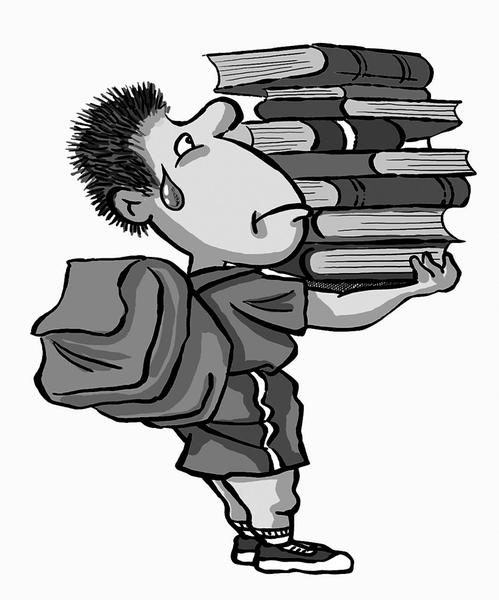

At the tender age of 13 and 14, children are selected and pushed into examination classes that effectively decide their futures. Then, at the age in their lives when most of them are perhaps least receptive to formal learning, they are forced to sit exams where the penalties for failure are as final as a death sentence.

The lives of secondary school children are dominated by these exams. Some schools do offer a wide range of interesting subjects, but only for those who have already been labelled as less likely to be successful. So parents continue to push, cajole, threaten and force their children through exams, or search frantically or schools with “high standards” to do the pushing and forcing for them, because this is what our tertiary institutions demand. 

But is there any need for all that? What’s the hurry? The labour market is not exactly begging for young newly qualified people. Why do we put such intolerable pressure on our young people? What do they want? Between the ages of 13 and 16 a great many children feel less like studying and learning than at any other time in their lives. The business of growing up is enough. They need time and space. Often, highly motivated children, whose love of reading has led them to read libraries of books, suddenly stop reading at this age. It doesn’t mean that they will stop forever. With any luck, after about 16 or 17, they can grow out of that phase, but under our present system of selection that’s too late. If they took the wrong course at the age of 14, then they may already be excluded from certain options. Parents are often driven to despair at children who, given the chance, spend half the day in bed and the other half getting dressed, but it doesn’t last forever. So why do we choose this period in their lives as the time to make or break them?

If the pressure of selection at 16 was removed, secondary education could become a different process altogether. From about 13 onwards, children could be free to study if they choose; or they could choose to study for part of the time only. They could spend exactly as long as they wanted doing the subjects they wanted to do. Or they would be free to do nothing. Schools would have sitting spaces for them to do nothing in. If they wanted to spend half the day in the art rooms or doing drama, that would be their decision. In Britain, such schools have existed for decades, but while the present exam system exists, the penalties for encouraging a child to develop their own interests instead of the interests approved by the school system can be very severe.

It seems that the primitive system of education, physically beating knowledge into a child, has been replaced by a system that is equally unacceptable to a caring society: to frighten children with the threat of being considered unsuccessful.
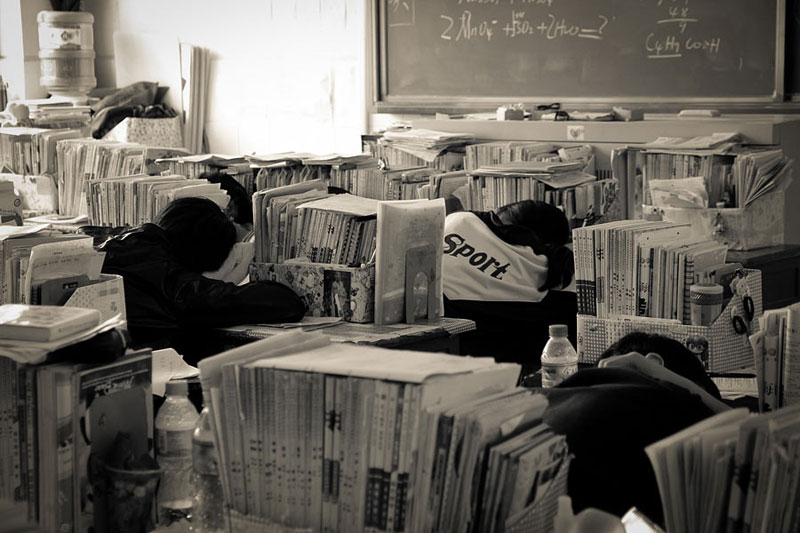

When I consider that between the ages of 5 and 18 I was subjected to 17,745 lessons at a time when the brain is biologically at its most receptive, and how little I knew at the end of it all, I am appalled by the waste of time, money and effort. The schoolday itself is hardly designed to encourage serious study and concentration, as it is divided up into forty-minute pieces of learning. Students move about the school like cars on a factory production line, having little pieces of geography or history or biology added at certain times and in a particular order.

Most children cannot concentrate under these conditions. The very act of being taught all day by people who know better, or at least believe they know better, is enough to make any but the most highly motivated student rebel. The only rationale behind the present system is that it makes administration and school bureaucracy easy, but it can never be called efficient. Why, for example, does it take up to eleven years to get children up to the low level of English required for the exam they sit at 16? If somebody really wanted to teach a child English and the child actually wanted to learn, it could be done in a year or so.

The voice of the children themselves is rarely heard; and all too often, when they do write about education, they simply write what they know the teacher wants to read, as they are afraid of being marked down because the teacher disagrees with what they have written. However, changes are slowly beginning to take place. In Britain there is a National Union of Students (NUS) that can help students express their true opinions to the school authorities.

The NUS argues that school should not be compulsory, boring teachers should get fewer pupils, and many more people from ordinary jobs should take turns teaching in schools. If jobs are available, pupilsshould be able to do some work in the outside world. Adults should be encouraged to come to the schools and learn as well, in an attempt to make young people and the community as a whole more understanding of each other. They argue that under such a free system pupils would be likely to learn more and be more cooperative with adults and authority in general. 

I have no idea whether these students are correct in their belief that children would actually learn more. But I am sure they would be happier. I very much doubt that they would end up learning less, and we shouldn’t have to spend so much time telling 13- and 14-year-olds that if they don’t study all day, every day, they will not be successful in later life.

Therefore, ladies and gentlemen, I’m sure you will agree that you have no choice but to agree with today’s motion. The system that exists today is certainly harmful to our children and must be changed.”
