-
1 Article
-
2 Words and&nb...
-
3 Notes on&nbs...

What Do We Need for Life?
Nila Banton Smith
1 We usually don’t think about the air we breathe, the water we drink, the land we live on, or the noises we hear. These things are part of our environment. The environment includes the land, air, and water around us. Each of these three parts of the environment is important to our lives and to our planet. Due to the growth of industries and population, many changes have taken place in our environment.
Air Pollution
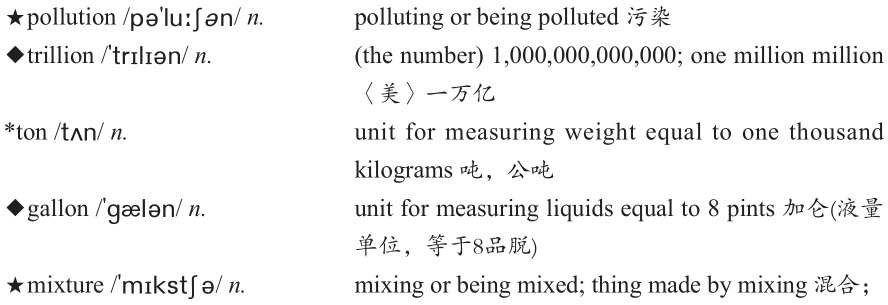
2 The earth is surrounded by an ocean. There are no fish in this ocean. It is an ocean of air, almost 6,000 trillion tons of it. Each of us breathes about 4,000 gallons of air each day. Air has no smell, no taste, and no color. It is a mixture of several gases. The two most important gases in air are nitrogen and oxygen. These gases make up over 98 percent of the air we breathe.
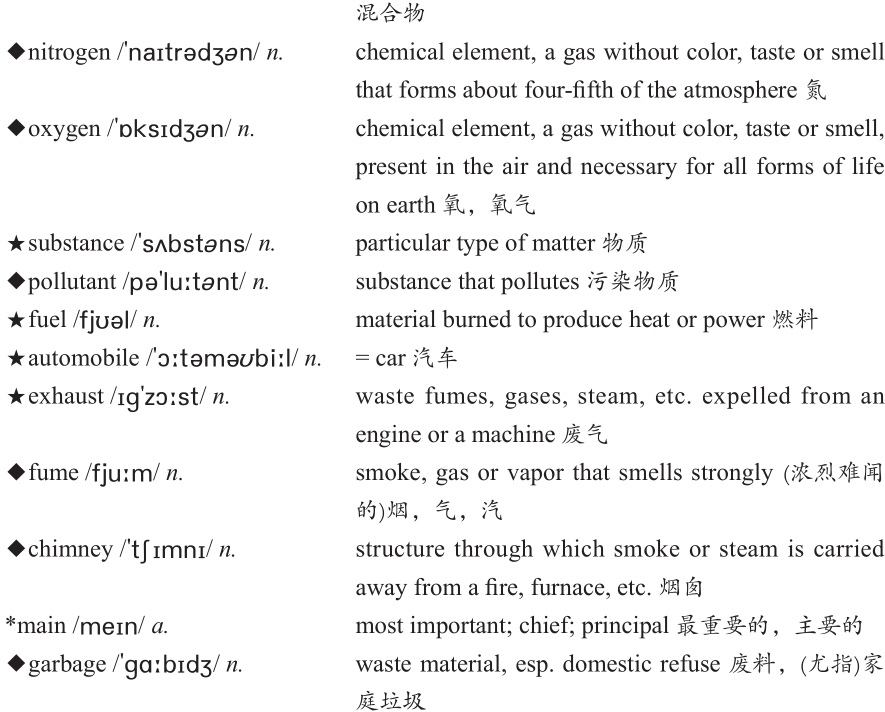
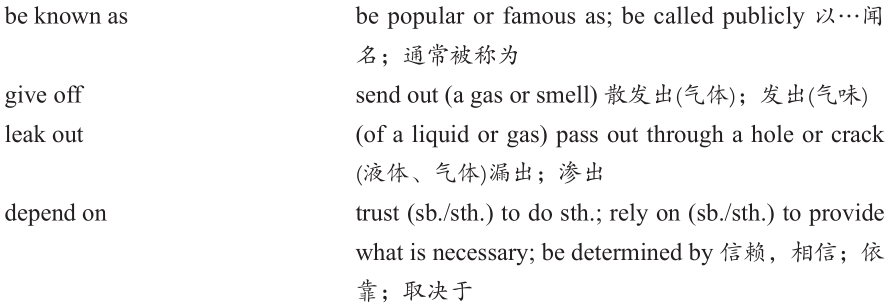
3 Substances that make air dirty are known as pollutants. Air pollutants are caused by many things. When fuel is burned, poisonous gases and smoke are released into the air. Automobile exhaust, factory fumes, and smoke from household chimneys are examples of air pollutants caused by the burning of fuel. Pollutants from the burning of fuel are the main cause of air pollution. Other air pollutants include smoke from burning garbage, smoke from forest fires, and chemical sprays.
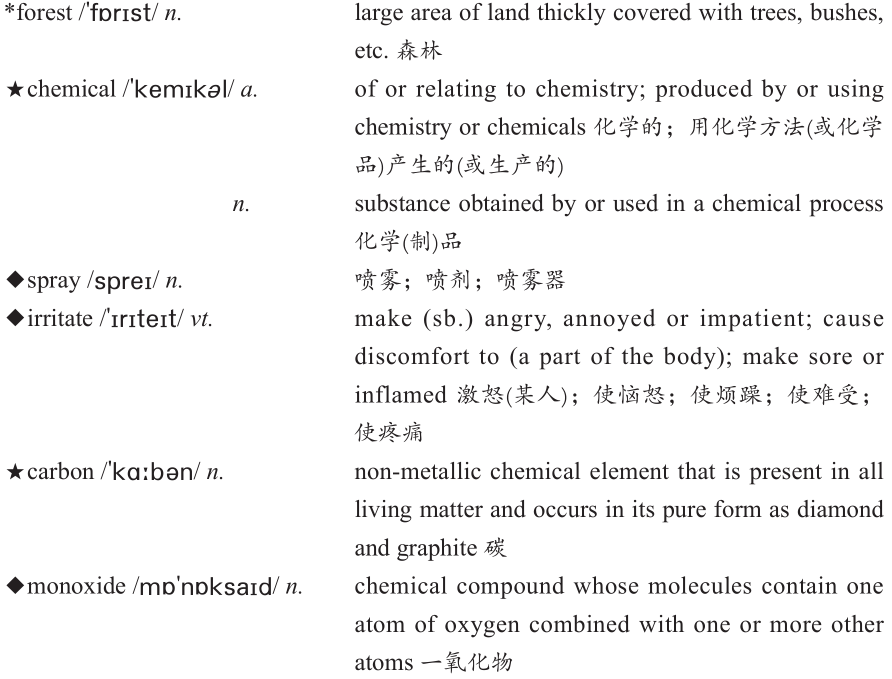
4 Air pollutants can irritate the breathing systems of people and animals. Carbon monoxide and lead fumes from automobile exhaust affect breathing. Poisonous gases and soot from factory fumes weaken livestock, affect vegetable crops, dirty the area around the factory, and cause acid rain. Chemical pollutants can ruin buildings, as well as threaten people’s health. Whatever the causes of air pollution, the results are always bad.
Water Pollution
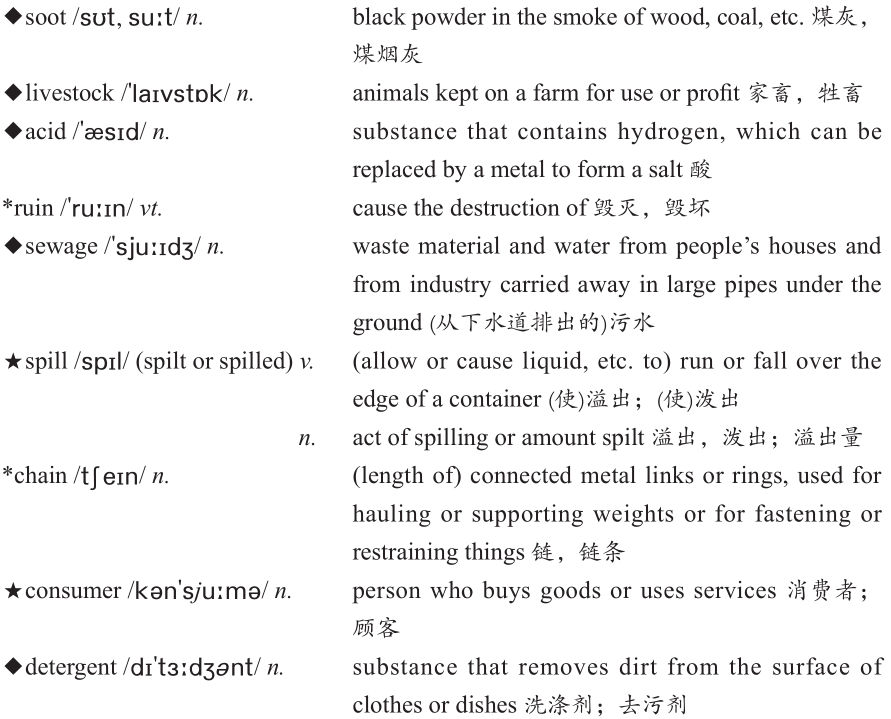
5 Water can become polluted in many ways. Chemicals from factories, untreated sewage, crop sprays, oil spills, and wastes from mines all pollute water. This makes the water unfit for drinking, swimming, and bathing. But the damage doesn’t end there. Polluted water is also unfit for water animals. Water animals that are not killed by pollutants may hold pollutants in their bodies and then pass them along food chains. The people and other animals who are the final consumers in food chains are affected by the pollutants.
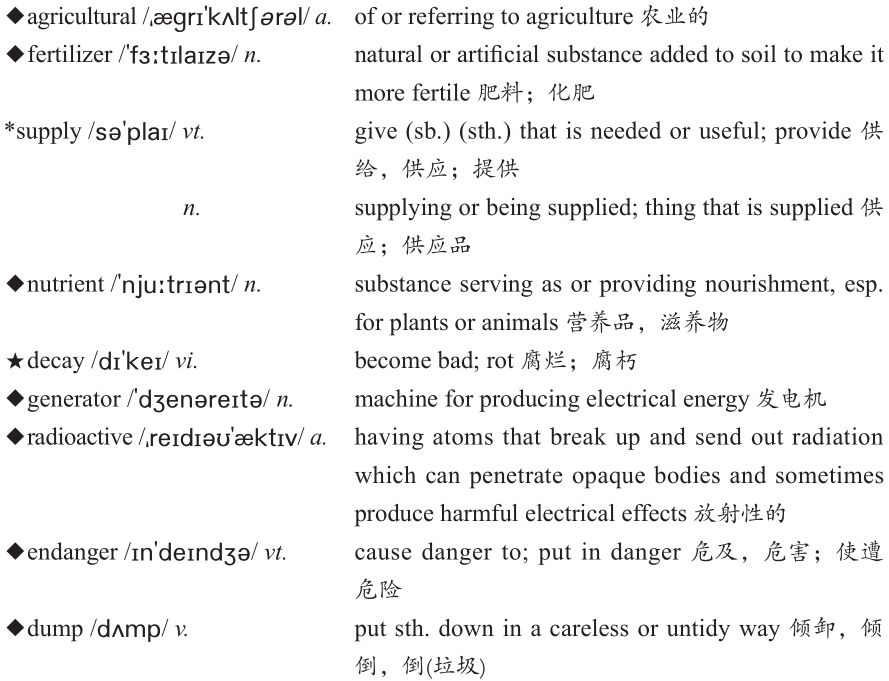
6 Detergents and agricultural fertilizers are two common pollutants in the water supply. Some water plants thrive on the substances found in these two pollutants. As a result, these plants grow rapidly and use up most of the available nutrients in the water environment. Then the plants begin to die and decay. The oxygen in the water supply is used up as a result of this decay. Thus, less oxygen is available for fish and other animals living in the water, and they may die.
7 Electrical power plants cause another kind of water pollution. Some power plants use water to cool their generators. As the generators cool, they warm the water. This water, much warmer now, is returned to the lake or river, causing heat pollution. Plants and fish living in the water may be affected by the increase in the water temperature. Water pollution caused by radiation is also dangerous to living things. Nuclear power plants give off radioactive materials that warm the water and endanger sea life. Whatever the causes of water pollution, the results are always bad.
Land Pollution
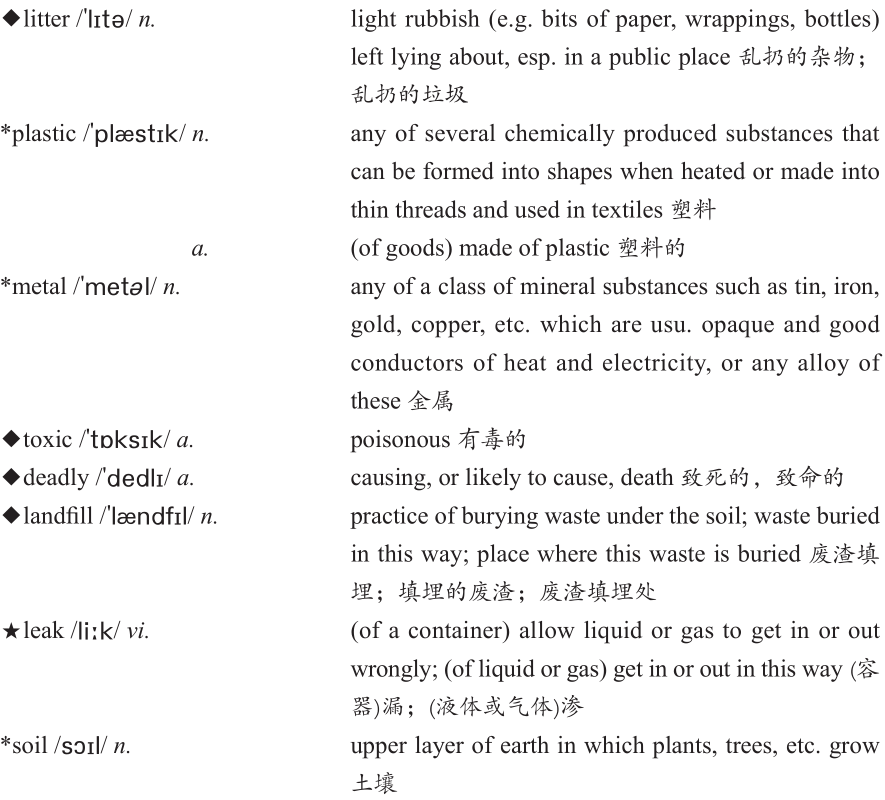
8 One cause of land pollution is the dumping of litter. Cans, bottles, papers, and plastics are just a few kinds of litter. Though some materials may decay, or break down, many factory-made substances, such as plastics, glass, and metals, do not decay. Instead, they remain in the environment, often poisoning it.
9 Another important land pollutant is toxic waste, which is chemicals or materials that can injure or kill living things. In the past, factories often dumped or buried their deadly waste products in unprotected landfills. Such waste can leak out into the soil or into drinking water. Whatever the cause of land pollution, the results are dangerous.
Noise Pollution
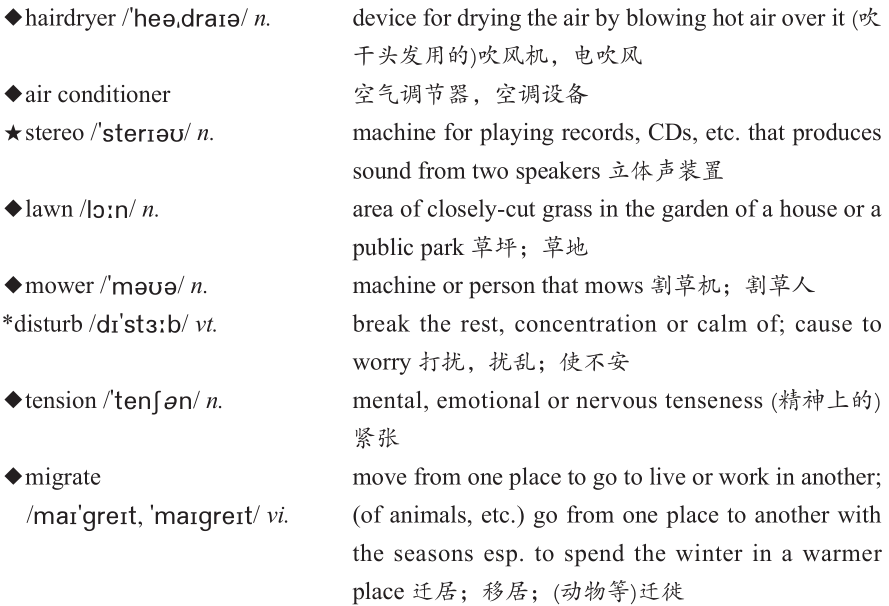
10 With the invention of machines to make life easier and more enjoyable, sound levels around us have increased. Some of the machines are hairdryers, air conditioners, stereos, telephones, and lawn mowers. Unwanted or disturbing sounds are usually called noise pollution.
11 Noise pollution can have harmful effects on the human body. It can affect hearing, and the ability to concentrate, to sleep, and to speak. It can create tension and cause headaches.
12 Noise pollution can also affect animals. Animals affected by noise pollution may migrate to quieter areas. This can affect the natural balance in the environment. Whatever the causes of noise pollution, the results can be dangerous.
13 All living things have certain needs, such as food, oxygen, water, and a certain stable temperature. The survival of all living things depends on meeting these needs. The questions for the future are these: How long will our environment be able to meet our future needs? How can we protect our environment?
(830 words)