-
1 Article
-
2 Words and&nb...
-
3 Notes on&nbs...

Sorry, But...
Tamra B. Orr
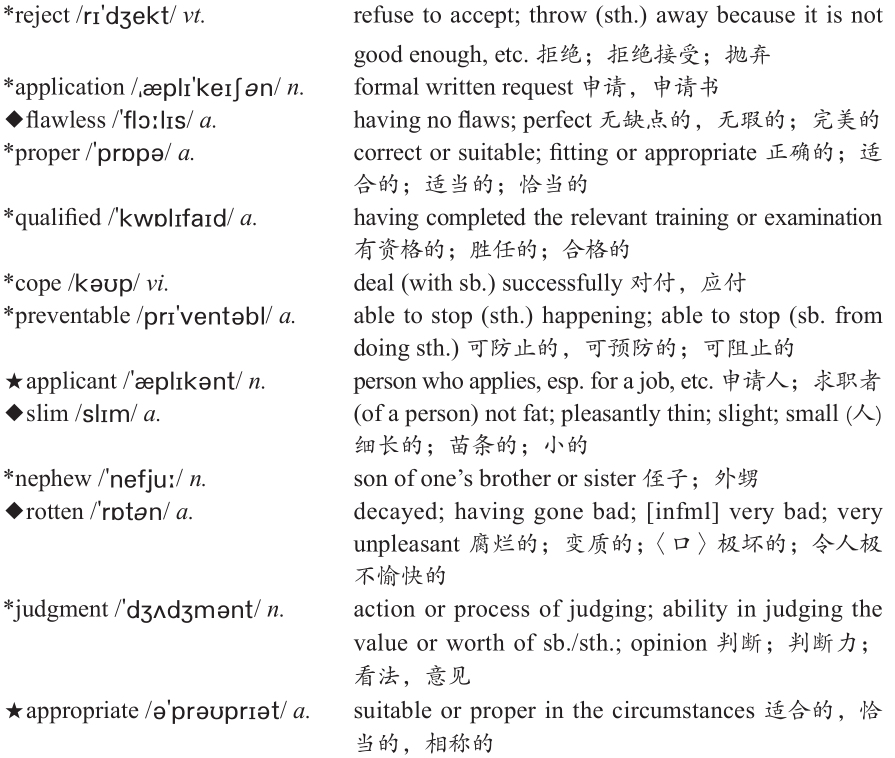
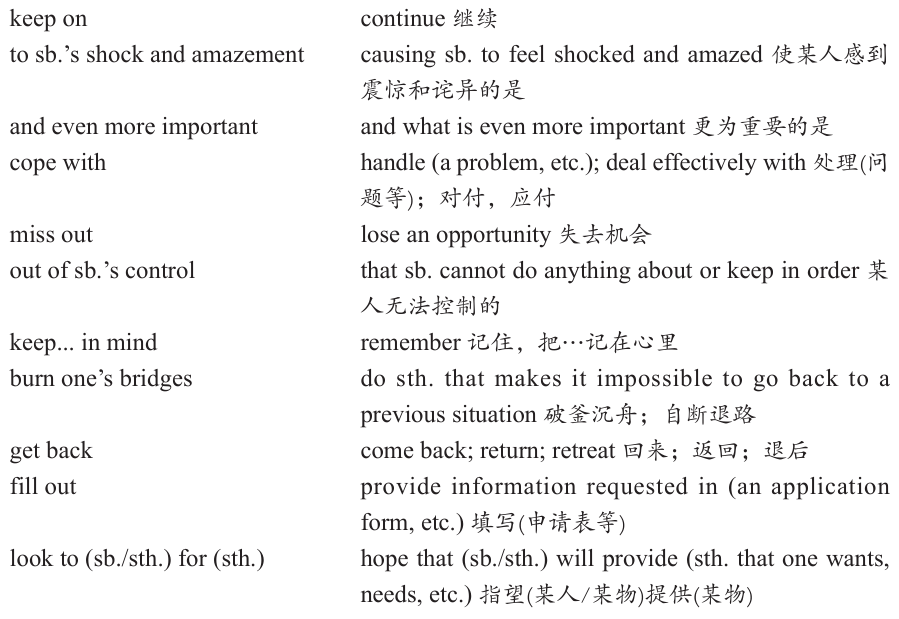
1 How can you deal with rejection and keep on going? Your application was perfect, and your interview was flawless. You answered every question properly, and you were totally qualified for this job. However, to your shock and amazement, you did not get it — you were rejected! Why does this happen — and, even more important, how are you supposed to cope with it?
2 There are a variety of reasons someone does not get a job. Some are preventable, and some just are not. For example, you might have missed out because there were 400 applicants for one position, making your chances slim. Perhaps you were rejected because the boss’s nephew got the job instead. Maybe the person who interviewed you was having a rotten day, and that feeling influenced his or her judgment of you. These reasons are out of your control, so don’t dwell on them. Instead, focus on the ones that are preventable — the ones you can do something about.
3 Here are some of the most important elements for getting — or not getting — a job:
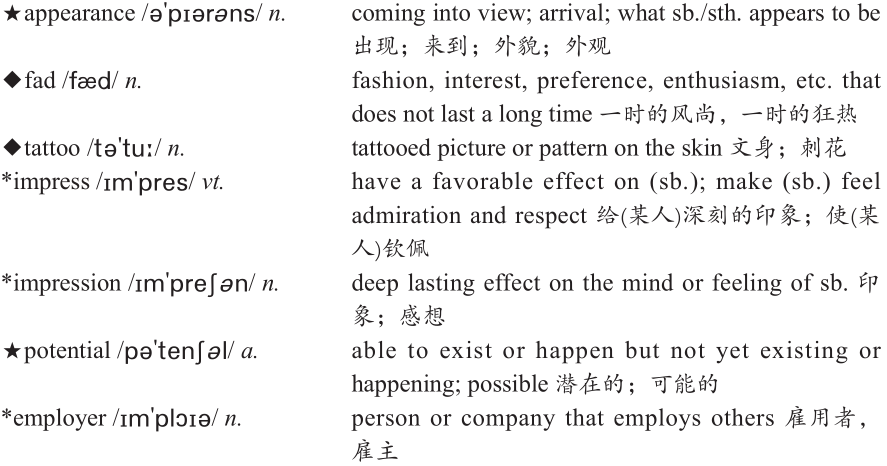
4 Inappropriate personal appearance. It may be the talk of your school, but the latest fad should not be part of what you wear to an interview. Tattoos, for example, may impress your friends, but they almost certainly won’t make the same impression on a potential employer, nor will too much cologne or jewelry.
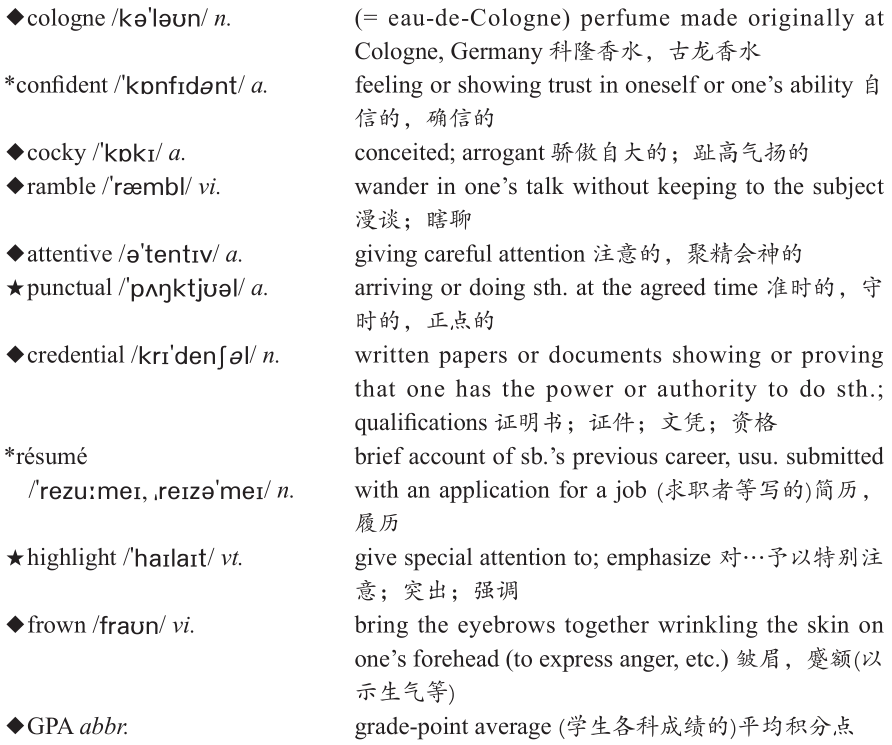
5 Inappropriate attitude. This can be tricky. You need to be confident without appearing cocky, and talkative without rambling. Be respectful and attentive. Show interest in the company and the position you are applying for. Ask questions, but don’t focus on how much you’re going to get paid and when vacation is coming. Always be punctual.
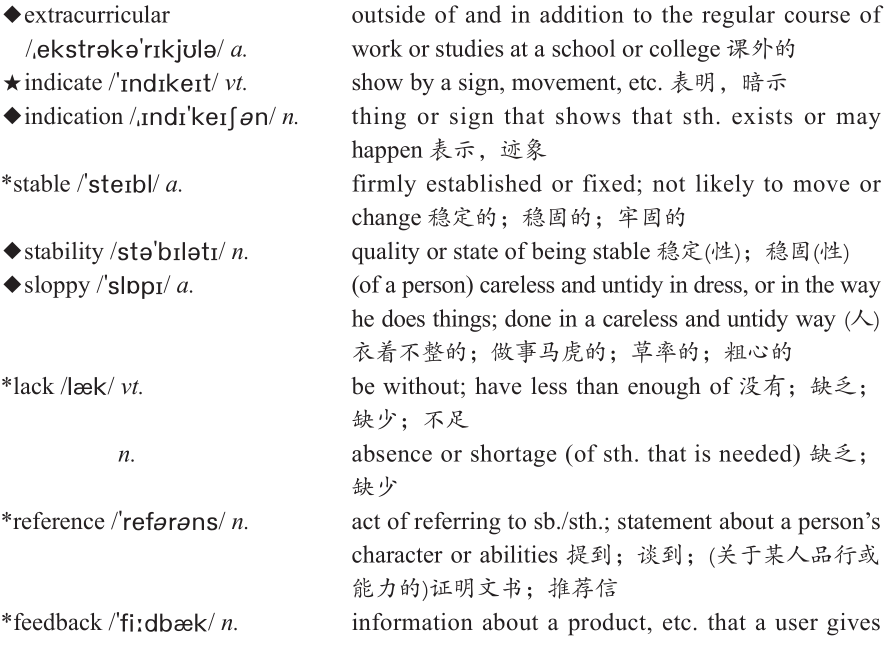
6 Inappropriate credentials. If you are applying for a job that requires more education or experience than you have, you are likely to be rejected. Your résumé will need to highlight your strengths and abilities. Some employers frown if your GPA isn’t high enough or if you aren’t involved in any kind of extracurricular activities. They also look closely at your job history for indications of stability.
7 Other common reasons for rejection include sloppy applications, an inflexible schedule, or lack of references.
The Answer Is Still No
8 Even if you do it all right, from application through interview, you may still be rejected. While you don’t have any power over the final decision, you can decide how you are going to respond to it. Keep three things in mind: Get feedback so you can make changes; don’t take the rejection personally; and keep trying.
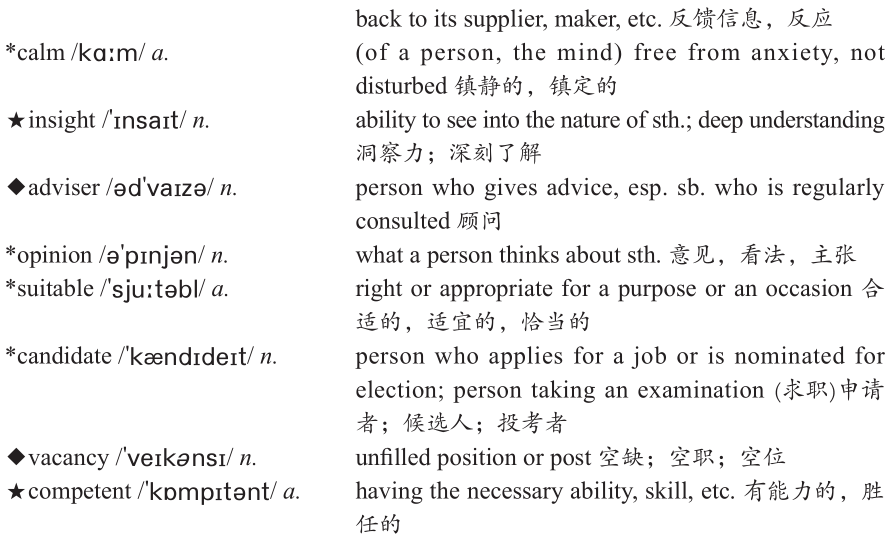
9 When you’re rejected, ask the employer for his reasons, if possible. Do it professionally and calmly; you are there to learn, not argue. What you find out may give you the insight you need to improve your chances of succeeding the next time. Jane Salmons, a senior career adviser, says, “Although you may not always like to hear negative feedback, remember that the purpose of the call is to help you in the future. So whatever you do, don’t argue. You’ve asked for an opinion, so respect it and use it positively. Also, remember that the company may have a future job for which you would be suitable. For example, the first-choice candidate may not be able to take the position, or another suitable vacancy may arise. So don’t burn your bridges.”
10 Next, don’t take rejection personally. It does not mean you are incompetent. It means this job does not suit you, so stay focused on the next one. Get right back out there and try again. It’s OK to feel upset for a bit. But then get out of the house, spend some time with friends, reflect on what the experience taught you, and start filling out applications again.
11 Rejection can often be one of the most important experiences you will ever have. Look to it for insight, accept it as part of life, and go on — because the next job is out there waiting. As someone once wrote, “One more job rejection is one step closer to a job offer.”
(686 words)