
目录

  • 1 课程介绍
    • 1.1 课程介绍文档
    • 1.2 课程思政优秀案例
  • 2 教学大纲
    • 2.1 中文教学大纲
    • 2.2 最近一学期教案
  • 3 Chapter 1 Multinational Management in a Changing World
    • 3.1 Covid-19 and Globalization
    • 3.2 Chinese Multinational Company
  • 4 Chapter 2 Culture and Multinational Management
    • 4.1 What is culture?
    • 4.2 Levels of culture
      • 4.2.1 Hofstede model of national culture
      • 4.2.2 Caveats and cautions
  • 5 Chapter 3 Strategic Management in the Multinational Company
    • 5.1 Generic Strategy
    • 5.2 IKEA case study and low-cost leadership
    • 5.3 Airbus-Boeing Case study and differentiation
    • 5.4 Value chain analysis
  • 6 Chapter 4 Multinational and Entry-mode Strategies
    • 6.1 Multinational strategies
    • 6.2 Entry mode strategies: content and formulation
  • 7 Chapter 5 Business  Ethics and Social Responsibility
    • 7.1 International business ethics
    • 7.2 Social responsibility
    • 7.3 National differences in business ethics and social responsibility
  • 8 Chapter 6 Organizational Designs for Multinational Companies
    • 8.1 The nature of organizational design
    • 8.2 Critical decision points in global marketing
    • 8.3 Global Production and Supply-Chain Management
    • 8.4 Knowledge management
  • 9 Chapter 7 Global Entrepreneurship and Intrapreneurship
    • 9.1 Business Entrepreneurship across Borders
    • 9.2 From Entrepreneurship to Born-Global Firms
    • 9.3 Regional Economic Integration
  • 10 Chapter 8 International Human Resource Management
    • 10.1 Multinational managers
    • 10.2 The Global War for Talent
    • 10.3 Effective Selection and Placement Strategies
  • 11 Chapter 9 International Negotiation and Cross-cultural Communication
    • 11.1 The basics of cross-cultural communication
    • 11.2 International negotiation
      • 11.2.1 Types of negotiation
      • 11.2.2 Basic guidelines to negotiation
  • 12 Exercise
    • 12.1 作业(见图表指示)
    • 12.2 考查试题
Multinational managers

                                    10.1  Multinational managers

Key Takeaways

LEARNING OBJECTIVES

  1. Understand how human resources management is becoming a strategic partner.

  2. Recognize the importance of an organization’s human capital.

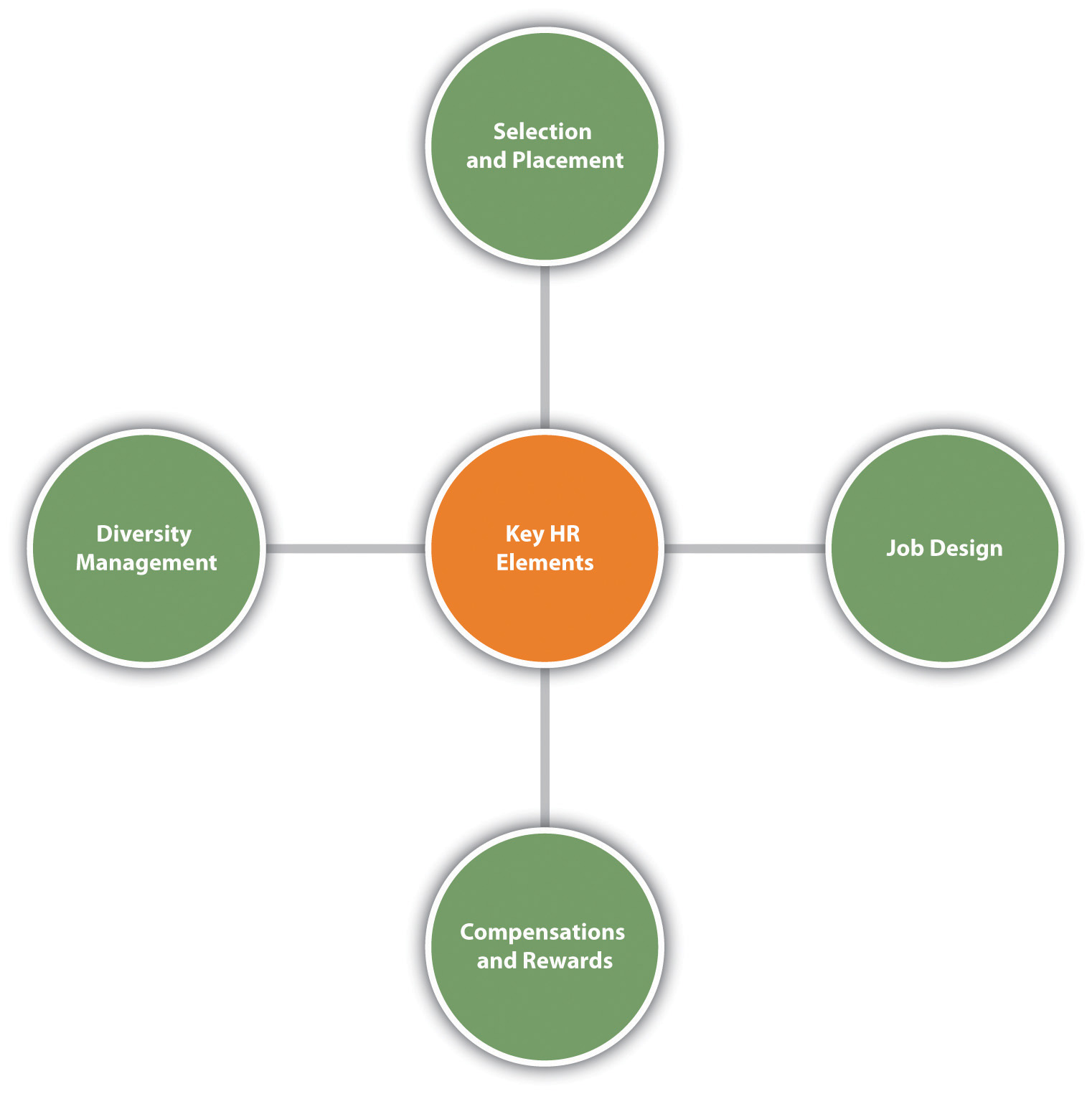
  3. Learn the key elements of SHRM.

  • HRM is becoming increasingly important in organizations because today’s knowledge economy requires employees to contribute ideas and be engaged in executing the company’s strategy.

  • HRM is becoming a strategic partner by identifying the skills that employees need and then providing employees with the training and structures needed to develop and deploy those competencies.

  • All the elements of HRM—selection, placement, job design, and compensation—need to be aligned with the company’s strategy so that the right employees are hired for the right jobs and rewarded properly for their contributions to furthering the company’s goals.

视频:International HRM


课件分享:GlobalHuman Resource Management


课后思考:FOOD FOR THOUGHT

  1. What must HRM do to be a true strategic partner of the company?

  2. What benefits does a diverse workforce provide the company?

  3. If you were an HR manager, what steps would you take to minimize the outsourcing of jobs in your department?