
目录

  • 1 课程介绍
    • 1.1 课程介绍文档
    • 1.2 课程思政优秀案例
  • 2 教学大纲
    • 2.1 中文教学大纲
    • 2.2 最近一学期教案
  • 3 Chapter 1 Multinational Management in a Changing World
    • 3.1 Covid-19 and Globalization
    • 3.2 Chinese Multinational Company
  • 4 Chapter 2 Culture and Multinational Management
    • 4.1 What is culture?
    • 4.2 Levels of culture
      • 4.2.1 Hofstede model of national culture
      • 4.2.2 Caveats and cautions
  • 5 Chapter 3 Strategic Management in the Multinational Company
    • 5.1 Generic Strategy
    • 5.2 IKEA case study and low-cost leadership
    • 5.3 Airbus-Boeing Case study and differentiation
    • 5.4 Value chain analysis
  • 6 Chapter 4 Multinational and Entry-mode Strategies
    • 6.1 Multinational strategies
    • 6.2 Entry mode strategies: content and formulation
  • 7 Chapter 5 Business  Ethics and Social Responsibility
    • 7.1 International business ethics
    • 7.2 Social responsibility
    • 7.3 National differences in business ethics and social responsibility
  • 8 Chapter 6 Organizational Designs for Multinational Companies
    • 8.1 The nature of organizational design
    • 8.2 Critical decision points in global marketing
    • 8.3 Global Production and Supply-Chain Management
    • 8.4 Knowledge management
  • 9 Chapter 7 Global Entrepreneurship and Intrapreneurship
    • 9.1 Business Entrepreneurship across Borders
    • 9.2 From Entrepreneurship to Born-Global Firms
    • 9.3 Regional Economic Integration
  • 10 Chapter 8 International Human Resource Management
    • 10.1 Multinational managers
    • 10.2 The Global War for Talent
    • 10.3 Effective Selection and Placement Strategies
  • 11 Chapter 9 International Negotiation and Cross-cultural Communication
    • 11.1 The basics of cross-cultural communication
    • 11.2 International negotiation
      • 11.2.1 Types of negotiation
      • 11.2.2 Basic guidelines to negotiation
  • 12 Exercise
    • 12.1 作业(见图表指示)
    • 12.2 考查试题
Global Production and Supply-Chain Management

                     8.3  Global Production and Supply-ChainManagement

Key Takeaways

LEARNING OBJECTIVES

  1. Understand the differences between outsourcing and offshoring.

  2. Explain three strategies for locating production operations.

  3. Know the value of supply-chain management.

     Supply-chain management is the coordination of a host of activities that can give a company a distinct competitive advantage. Cross-organizational teams are the best way to take advantage of the perspectives of each supply-chain function for the benefit of all.
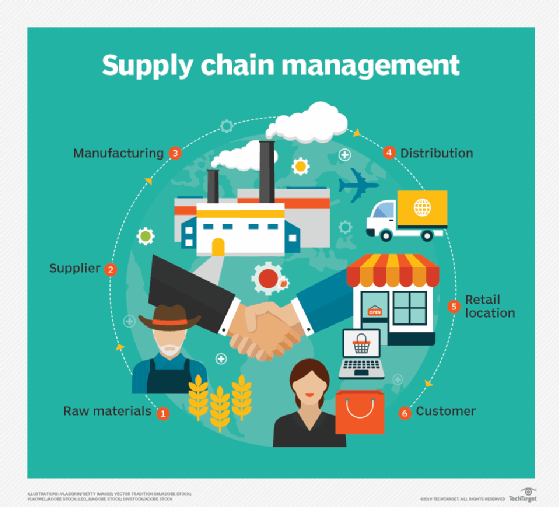

What is a Supply Chain? - Definition, Models and Best Practices --  WhatIs.com

Offshoring means setting up operations in a low-cost country for the purpose of hiring local workers at lower labor rates. Offshoring differs from outsourcing in that the firm retains control of the operations and directly hires the employees. In outsourcing, by contrast, the company delegates an entire process (such as accounts payable) to the outsource vendor. The vendor takes control of the operations and runs the operations as they see fit. The company pays the outsource vendor for the end result; how the vendor achieves those end results is up to the vendor.


阅读材料:Supply chains during the covid-19 pandemic


视频:Supply chain management


课件分享:Introduction to supply chian


课后思考:FOOD FOR THOUGHT

  1. What processes does supply-chain management encompass?

  2. If you were going to build a plant overseas, what factors would you take into account when making your location decisions?