目录

  • 1 Topic1 Introduction
  • 2 Topic 2 Children and Theory of Multiple intelligences
    • 2.1 Guide for week2
    • 2.2 Gardner's introduction
    • 2.3 Theory of MI (China science communication)
    • 2.4 Gardner's introduction
    • 2.5 Theory of MI(in Chinese)
    • 2.6 How to be smarter
    • 2.7 Understanding how children learn
  • 3 Teachers and primary English teaching
    • 3.1 Guide for week3
    • 3.2 Qualities of a good primary English teacher
    • 3.3 The role of the teacher
    • 3.4 6 common roles of a teacher
  • 4 Preparations for primary English classrooms
    • 4.1 Guide  for week4
    • 4.2 Classroom instructions
    • 4.3 Questioning in the classroom
    • 4.4 Guide for week5
    • 4.5 Lessson planning
      • 4.5.1 Components of  planning
      • 4.5.2 Guide for week6
      • 4.5.3 Practice(design of lesson objectives)
  • 5 Teaching language knowledge in primary English classrooms
    • 5.1 Teaching of vocabulary
    • 5.2 Teaching of pronunciation
      • 5.2.1 The role of pronunication
      • 5.2.2 The goal of teaching pronunicaiton
      • 5.2.3 Three aspects of pronuncition
      • 5.2.4 Designing activites for pronunicaiton
    • 5.3 Teaching of grammar
  • 6 Teaching language skills
    • 6.1 Listen and do
      • 6.1.1 Significance
      • 6.1.2 Objectives
      • 6.1.3 Principles
      • 6.1.4 Activies
    • 6.2 Listen and speak
      • 6.2.1 Objectives
      • 6.2.2 Activites
      • 6.2.3 Information-gap activites
    • 6.3 Lear to read
  • 7 课程总结
    • 7.1 教学实训-微课视频
Teaching of pronunciation

5.2  Teaching of pronunication 

5.2.0 Guide  


5.2.2 The goal of teaching pronunicaiton

   see  text, P76.

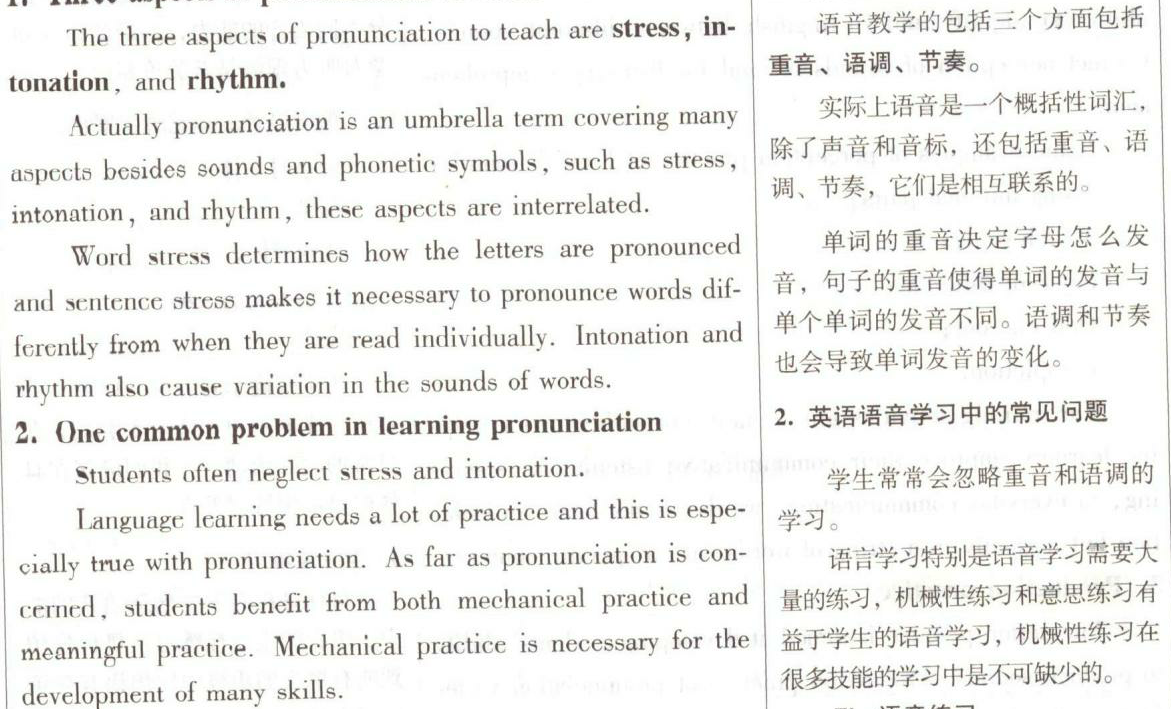
5.2.3 Three aspects of pronuncition 

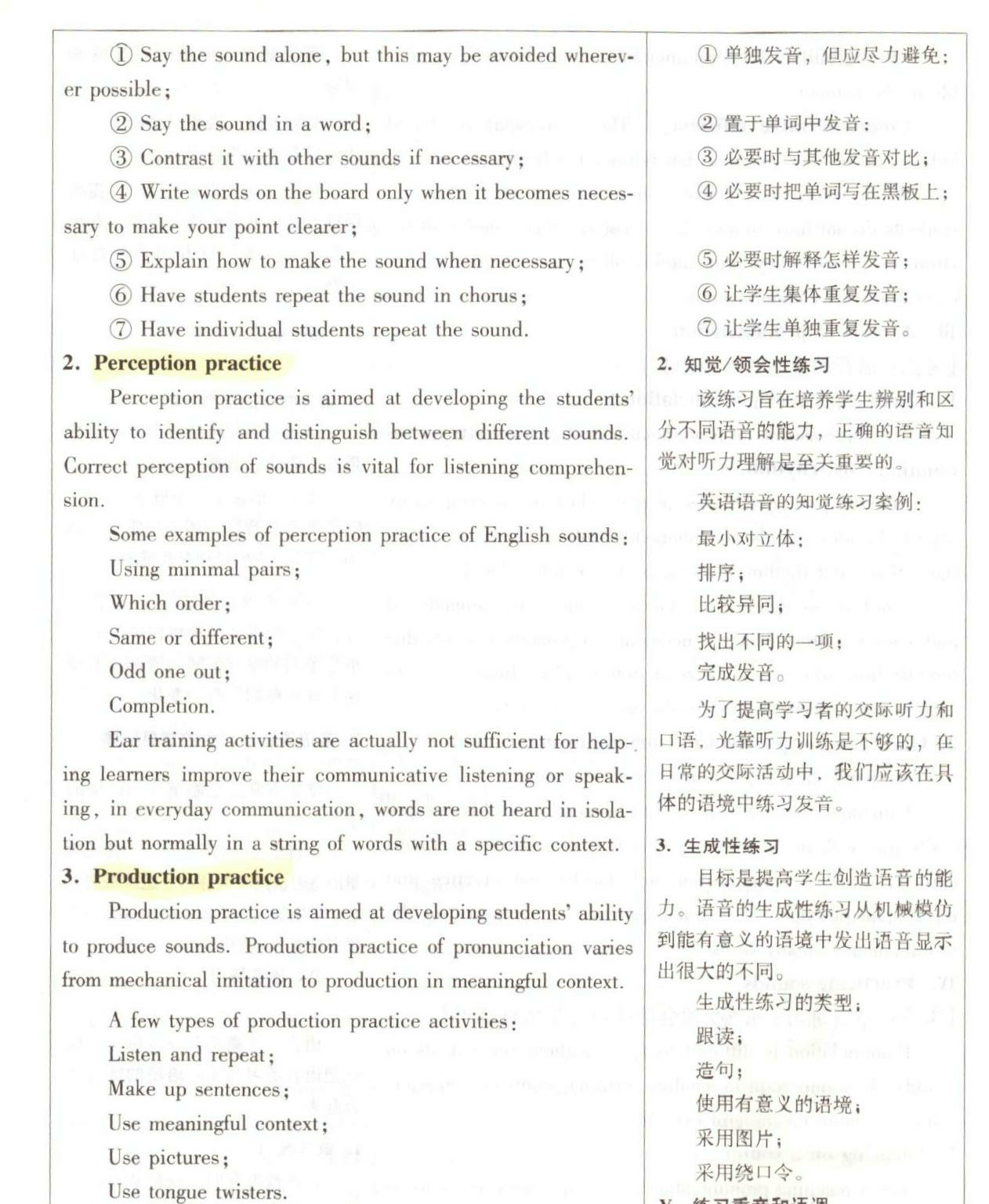
5.2.4 Practing sounds  

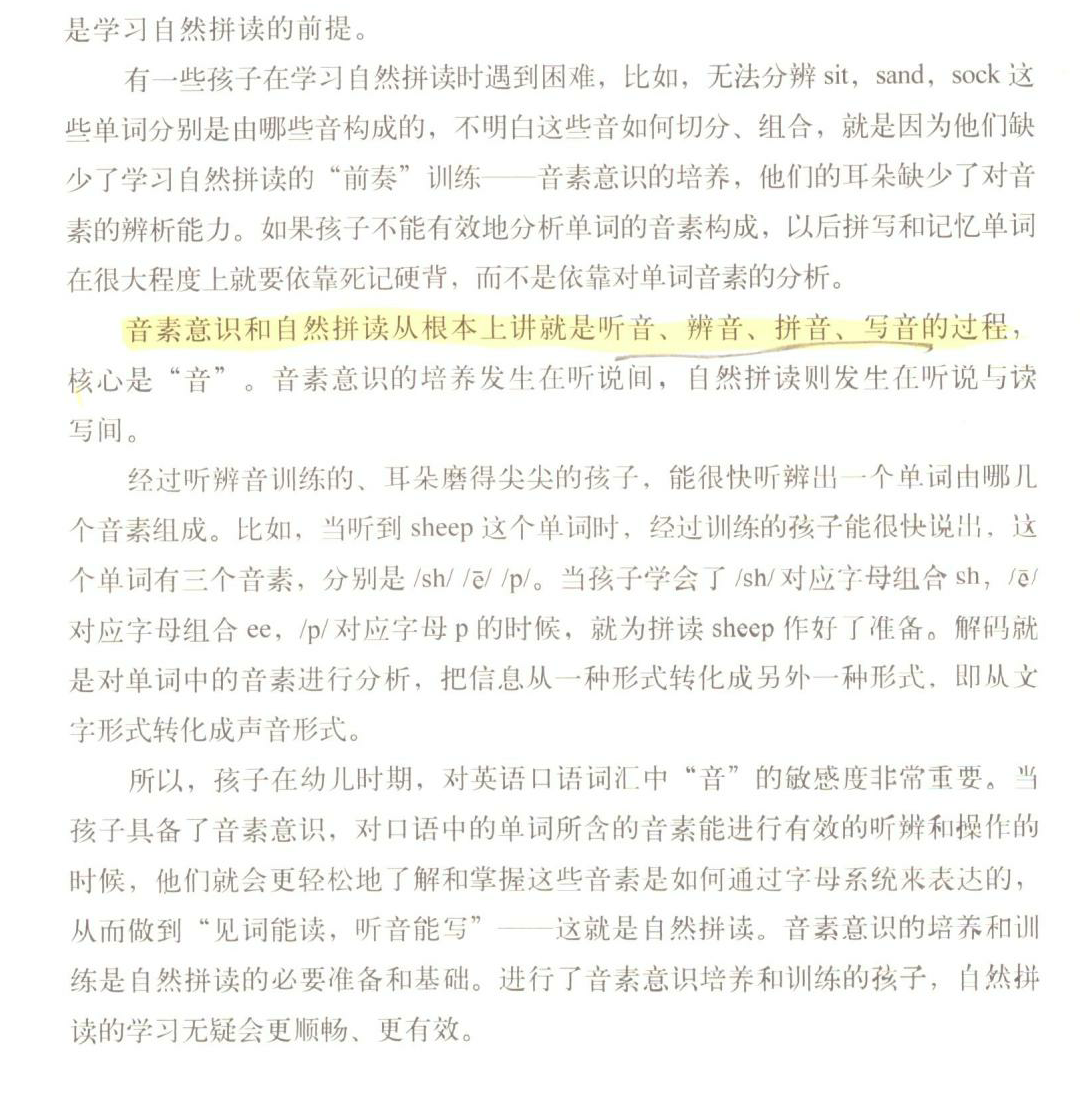
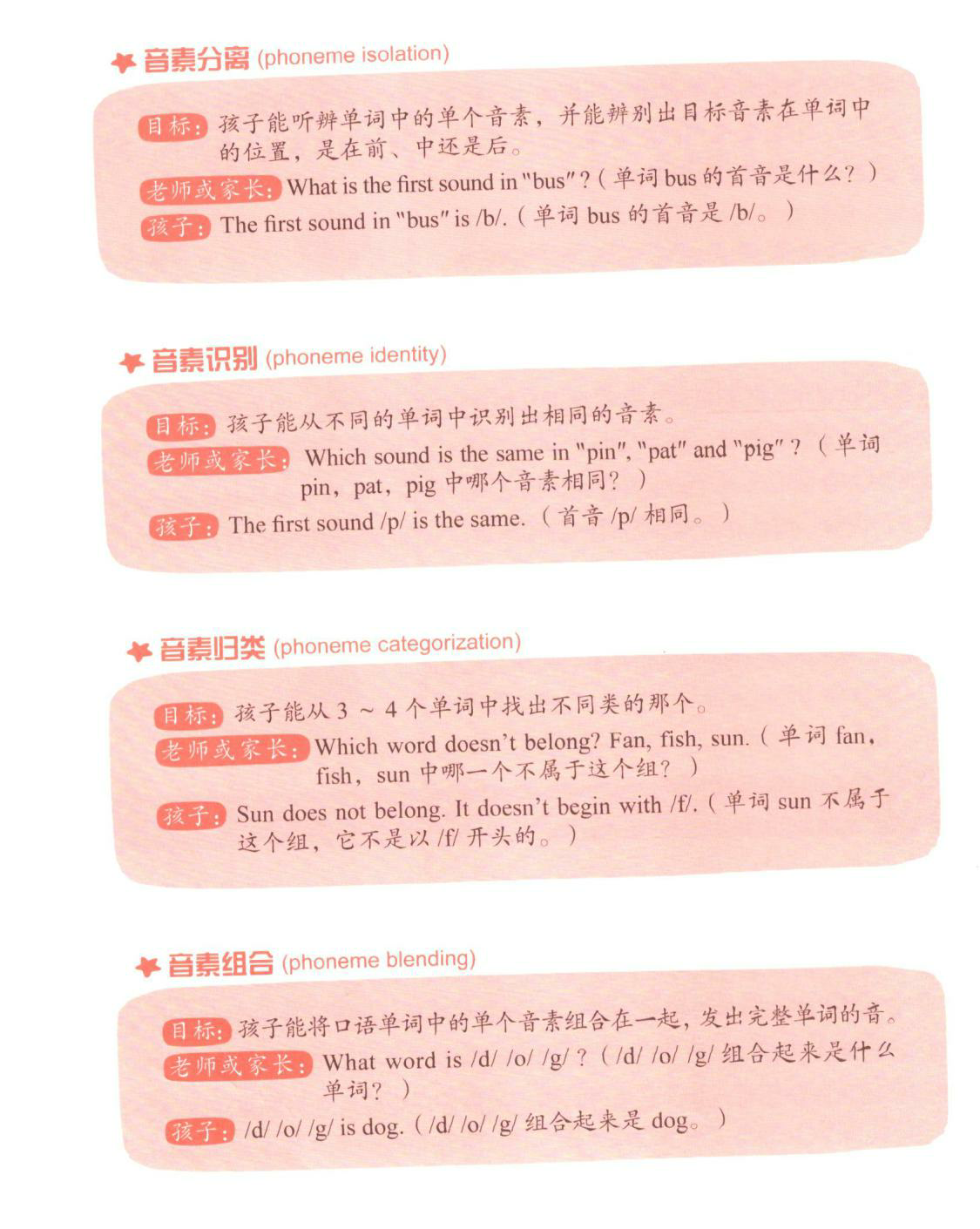
5.2.5 Phononics 自然拼读法

Phononics is an instruction in the sound-letter relationships used in reading and writing