目录

  • 1 Unit 1
    • 1.1 Introduction
    • 1.2 Europa, Asia, Africa
    • 1.3 Thoughts in World
    • 1.4 Essex Cathedral
    • 1.5 Music is the starting point of romance
    • 1.6 Britain
  • 2 Unit 2
    • 2.1 Greek Philosophy and Art
    • 2.2 French Views
    • 2.3 Wind-pipes, Checkered Skirts & Gothic Buildings in Scotland
    • 2.4 Looking for an Earnest Person
  • 3 Unit 3
    • 3.1 Greek Science
    • 3.2 Vancouver in 1970s
    • 3.3 Boyce Castle in Wales
    • 3.4 特蕾莎印钱上——英国人的骄傲
  • 4 Unit 4
    • 4.1 Roman Republic
    • 4.2 Working-Class Homes in LA & NY
    • 4.3 Baroque Architecture in Russia
    • 4.4 Temple to Hephaestus in Athens
  • 5 Unit 5
    • 5.1 Roman Empire
    • 5.2 Effeminacy
    • 5.3 Florence Street Views
    • 5.4 Rome
    • 5.5 Religion
  • 6 Unit 6
    • 6.1 Roman Control
    • 6.2 British Countryside
    • 6.3 Western ode to rapists
    • 6.4 Metaphor of Dragon
  • 7 Unit 7
    • 7.1 Transformation of Rome
    • 7.2 Aegean Seaside Views
    • 7.3 Canonized Saints by Catholic Church
  • 8 Unit 8
    • 8.1 New Testament and Christianity
    • 8.2 Five Pillars of Islam
    • 8.3 European Women’s Firstborn Years
  • 9 Terminal Papers
    • 9.1 Requirements
    • 9.2 US Pride & US Hate
    • 9.3 WASP Threats Leak From USA
    • 9.4 WASP Cleansing of Ethnicities in USA
    • 9.5 Dual Division of Man—A Brief Survey
    • 9.6 Dual & Trio Divisions of Man & God
    • 9.7 Mid-Age Universities Sparked Sciences
    • 9.8 Worshiping Attitudes Beget Outcomes
    • 9.9 On the Evolution from Theism to Science
    • 9.10 On Struggle between Theism & Atheism
    • 9.11 The Reasons for Christian Resilience in US
    • 9.12 论“人类不朽说”之始末
    • 9.13 西方关于伦理教育的传统视角
    • 9.14 论语义的跨地区、跨时段演变——以“神”为例
    • 9.15 European Brutality in Americas
    • 9.16 How Last Monarchs Lost Power
    • 9.17 Why Protestants Are Generally Richer Than Catholics
    • 9.18 Why Germanics Were Victorious in Invasions
    • 9.19 Why Decameron Was Classified as a Forbidden Book
    • 9.20 Reasons for Islamic Success in Expansion
    • 9.21 Reasons for Roman Acceptance of Christianity
    • 9.22 Christian Ideas Unfindable in Bible
    • 9.23 Why Western Countries Don’t Accept Russia as its Member
    • 9.24 Why The US Chooses Gerontocracy
    • 9.25 Strategies for China to Deal with Aukus
    • 9.26 Strategies to Deal With Quad
    • 9.27 Strategies to Deal with Five Eyes
    • 9.28 Strategies to Deal with US War of Trade
    • 9.29 Indian Land: From Reserve to Reservations
  • 10 Renaissance
    • 10.1 Paintings, Murals, Sculptures
    • 10.2 意大利佛罗伦萨圣三一大教堂
  • 11 Unit 10
    • 11.1 Literature and Art
    • 11.2 Trinity Church in Boston
    • 11.3 Statues
  • 12 Unit 11
    • 12.1 Philosophy
    • 12.2 Sciences
    • 12.3 Great Discoveries
    • 12.4 Pieter Bruegel the Elder—Dutch
  • 13 Unit 12
    • 13.1 American Indian Sufferings
    • 13.2 Fertility Worship in Paintings
    • 13.3 Eiffel Tower from Different Angles
  • 14 Politically Correct
    • 14.1 Sensitive Nerves
    • 14.2 Voltaire
    • 14.3 Aphrodite Has Died
    • 14.4 The Dying Process of God
    • 14.5 Nihilism about Jesus
  • 15 ''Baroque Music
    • 15.1 Handel's Messiah
  • 16 Rococo
    • 16.1 Paintings
  • 17 Romanticism
    • 17.1 Paintings
  • 18 Industrial Realism
    • 18.1 Industrial Realism
    • 18.2 Ball of Fat by Maupassant
    • 18.3 US Origins
    • 18.4 Foreign Languages in Europe
    • 18.5 Columbia’s Voyages
  • 19 Unit 15
    • 19.1 Ottoman Empire
    • 19.2 Greek Growth
    • 19.3 1854年法绘世界地图
    • 19.4 ''Russian-Japanese War Picture
    • 19.5 Shrinking Aborigines in US
  • 20 Unit 16
    • 20.1 European Countries
    • 20.2 Germany Before WWII
    • 20.3 Modernism
    • 20.4 USSR and Russian Growth
    • 20.5 Changes of Territories—Mukaqewo
    • 20.6 Pictures WWII
    • 20.7 Paintings
    • 20.8 Automobiles
  • 21 Contemporary Period
    • 21.1 Feminism Unaccepted Period
    • 21.2 Industrial Softwares
    • 21.3 NATO and Russia
    • 21.4 International Relations
    • 21.5 Internal Governance
    • 21.6 Tanga Volcano Eruption
    • 21.7 Hudson Bay
    • 21.8 Changes of Territories
    • 21.9 Atheism in Europe
    • 21.10 欧洲国别差异
    • 21.11 2021 Average Gasoline Prices
    • 21.12 Dual Priced Restaurants in US
    • 21.13 1965 US Propaganda
    • 21.14 2022春晚收视率
    • 21.15 Versailles
    • 21.16 2016 Muslim Percentage in Europe
    • 21.17 American Makes
Religion

拉什迪公开露面|陕西日报1993日3月20日

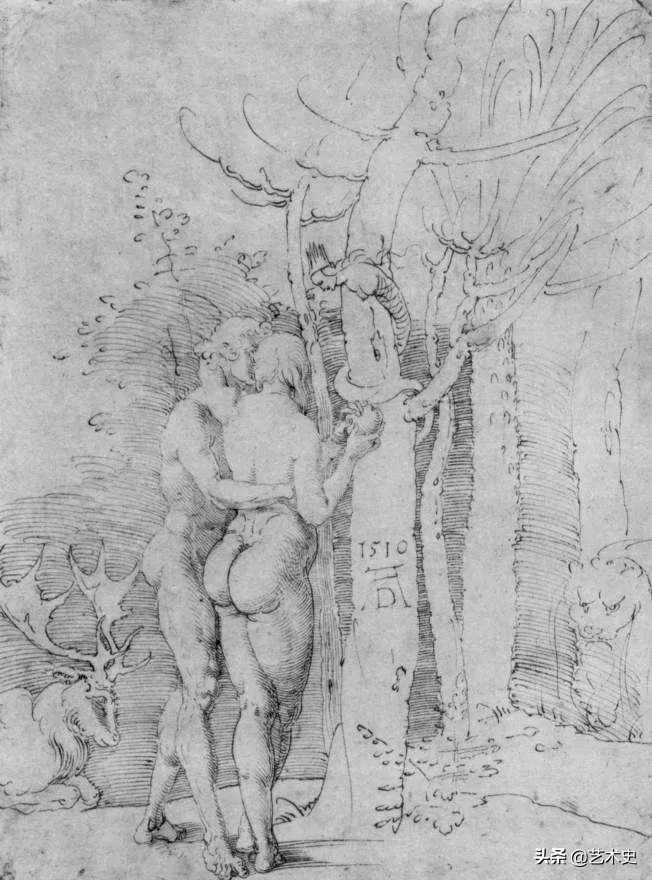
丢勒《亚当与夏娃》

钢笔画,1510年,北方文艺复兴,德国
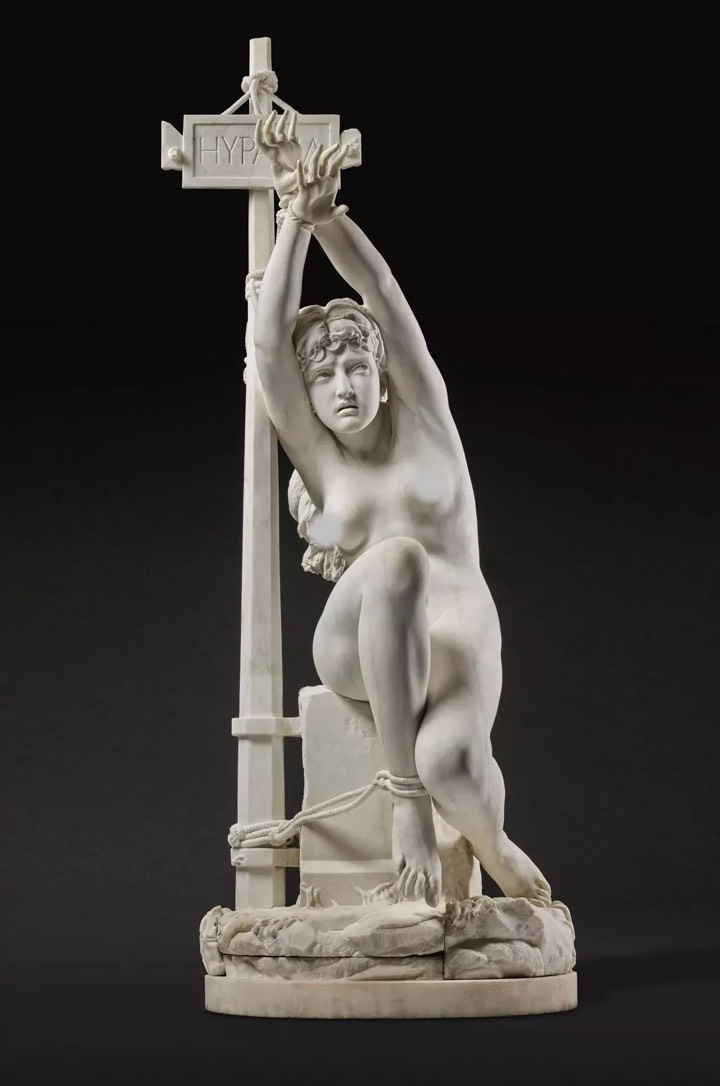

基督教历史上最黑暗的一页之一:希帕提亚( Ὑπατίᾱ)是一位希腊哲学家、天文学家和数学家,她生活在埃及的亚历山大,在公元4世纪被基督徒杀害。在几何学、天文学、数学和哲学方面的贡献而成为一个备受尊敬的学者。亚历山大的一位基督教主教西里尔决定消灭希帕蒂亚,并且煽动信徒做到了,手法极其残忍。 

上帝(造亚当时)
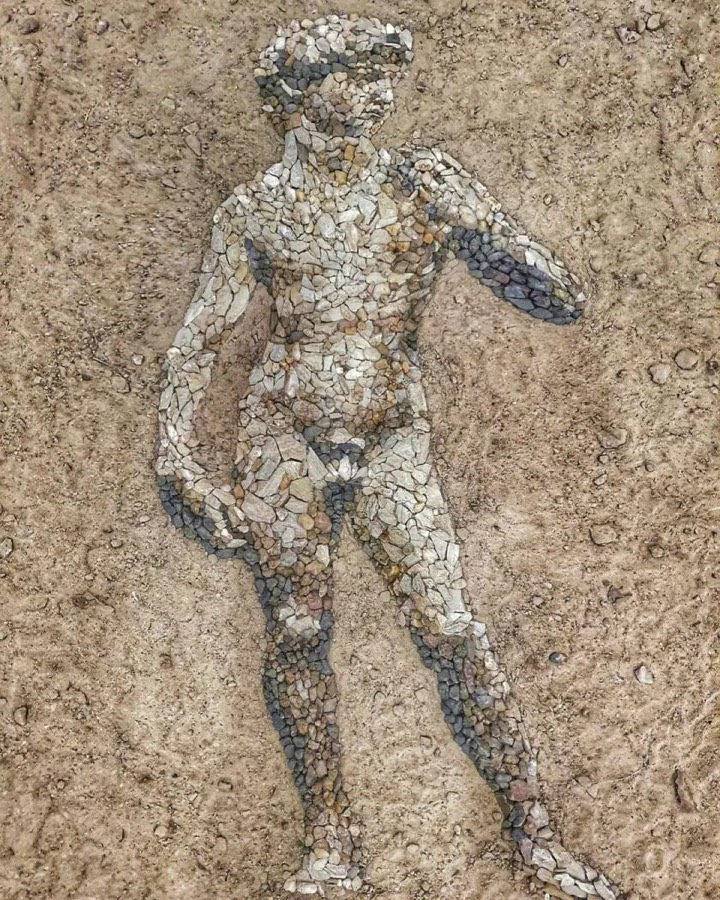
大卫(杀歌利亚时)


David's slingshots



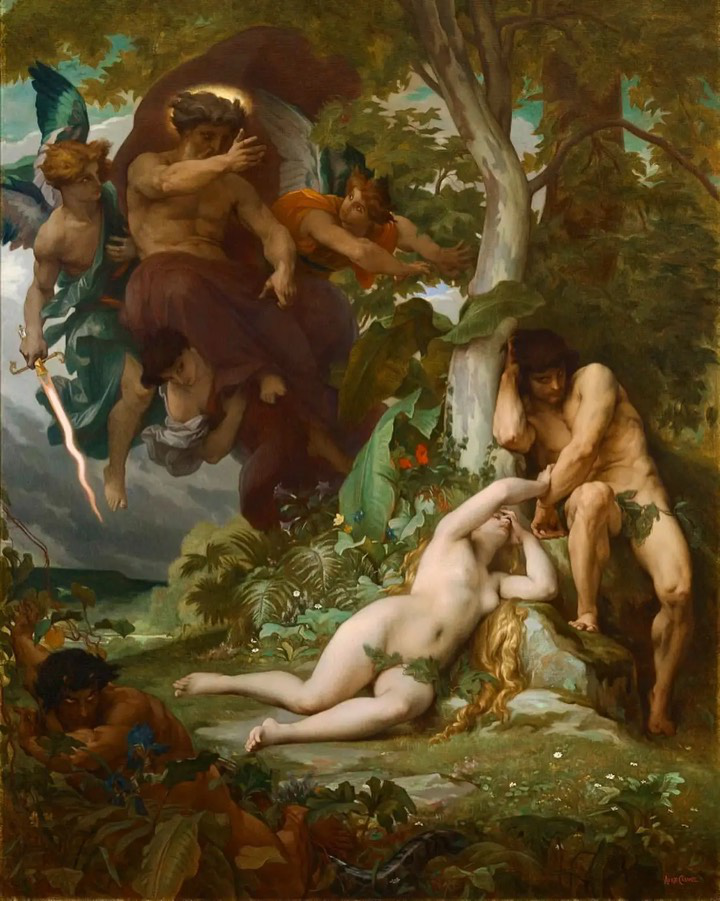
Fall of Man


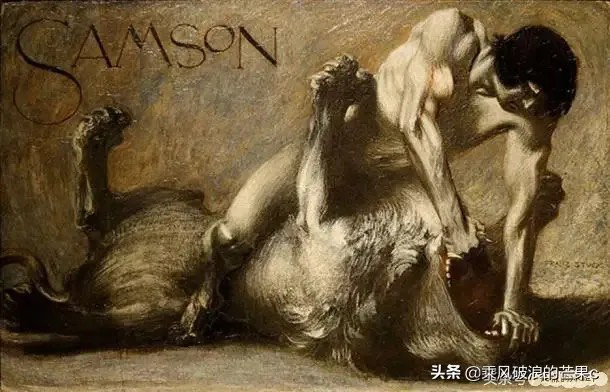
Samson Kills a Lion

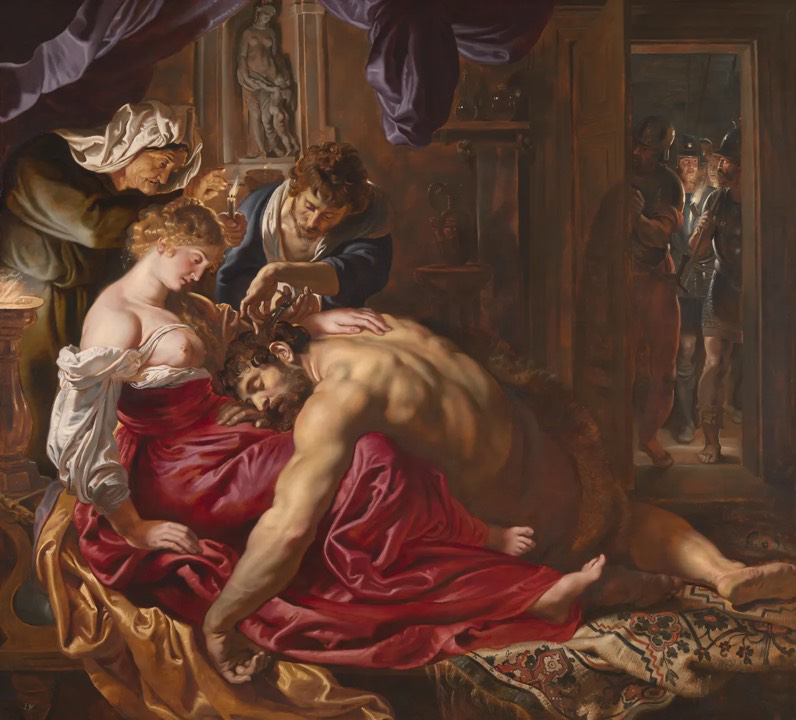
《参孙和黛利拉》(Samson and Delilah)

作者: Peter Paul Rubens(1577–1640)

创作年份:1609年

藏于:英国伦敦国家画廊(National Gallery, United Kingdom)

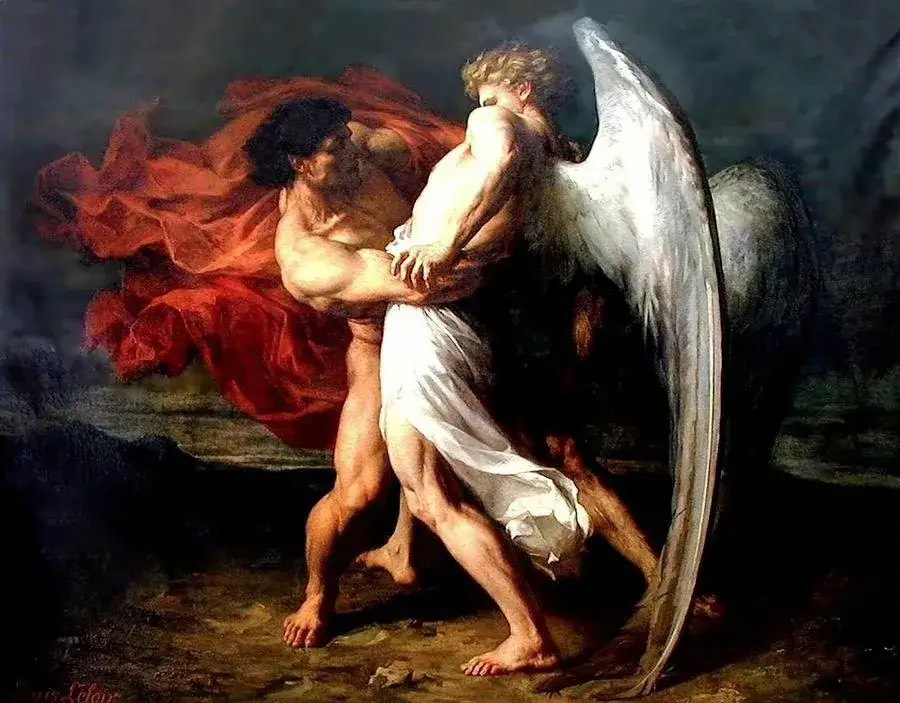
与天使摔跤的雅各,1865年(法国画家Alexandre-Louis Leloir作品)


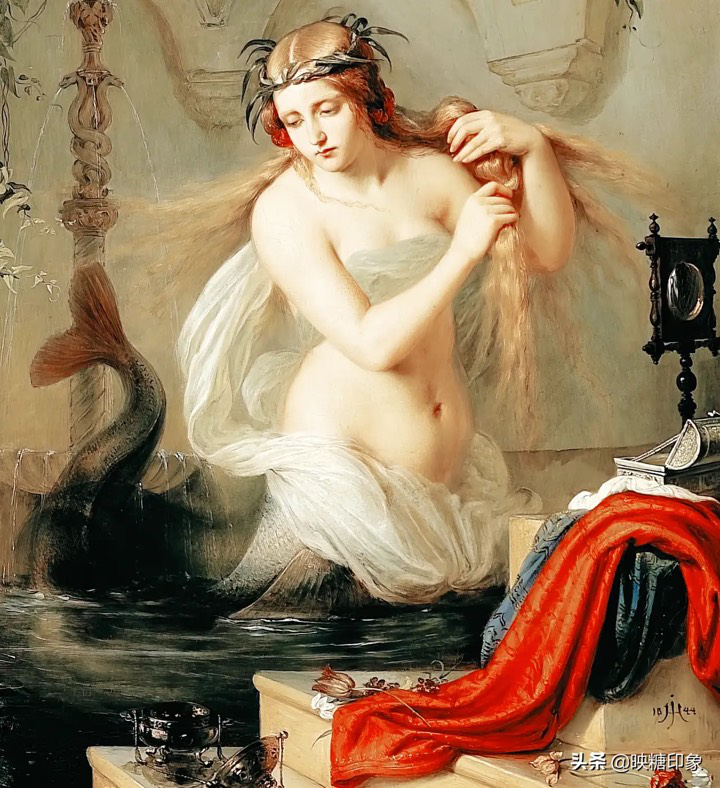
《美丽的莫卢西娜》

朱利叶斯·胡布纳

Julius Hubner

杜塞尔多夫画派的德国历史画家

1806年1月27日-1882年11月7日


创作于1844年,画中莫卢西娜(Melusine)是中世纪欧洲民间传说中圣泉或河流中的水仙女。她常被描绘为上半身是美丽的仙女,而腰部以下却是一条蛇或鱼的形象,有时还会被画上翅膀或双鱼尾。