Biology

耿松

目录

  • 1 what is life?
    • 1.1 living and non-living things
    • 1.2 characteristic of life
    • 1.3 method
    • 1.4 附加学习内容
    • 1.5 chapter1 习题课
  • 2 Ecology
    • 2.1 principles of ecology
    • 2.2 population biology
    • 2.3 community and biodiversity
    • 2.4 线上任务学习清单
  • 3 cell
    • 3.1 任务清单
    • 3.2 history of cell theory
    • 3.3 cell cycle
    • 3.4 pattern of heredity and human genes
    • 3.5 附加内容+20’
  • 4 chemical context of life
    • 4.1 任务清单
    • 4.2 atom
    • 4.3 elements
    • 4.4 molecules
    • 4.5 附加内容(+40‘)
  • 5 change throuth time
    • 5.1 任务清单
    • 5.2 the history of life
    • 5.3 the theory of evolution
    • 5.4 primate evolution
    • 5.5 organizing life's diversity
  • 6 plants
    • 6.1 what is plant?
    • 6.2 adaptation of plant
    • 6.3 reproduction
    • 6.4 plant's behavior
    • 6.5 任务清单
    • 6.6 附加学习内容(+60')
  • 7 animals
    • 7.1 what is animal?
    • 7.2 classification of animal
    • 7.3 characteristic of animal
    • 7.4 mate choice
    • 7.5 任务清单
    • 7.6 附加学习内容(+20‘)
  • 8 human body
    • 8.1 paleoanthropology
    • 8.2 human evolution
    • 8.3 human body
    • 8.4 任务清单
  • 9 复习
    • 9.1 复习视频
adaptation of plant

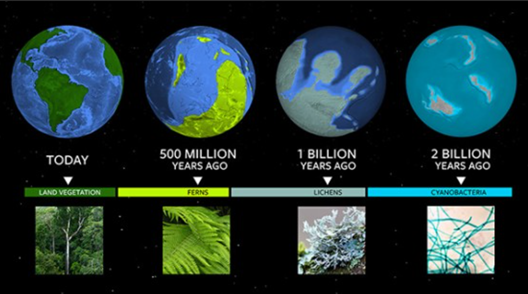
origin of plants

     •Abillion years ago, plants had not yet begun to appear on land.

     •Theshallow waters covered much of Earth’s surface at that time , and there weremany bacteria,algae, corals, sponges, jellyfish and worms.

     •Evidenceindicates that green algae became adapted to life on land.

  • The earliest plants undoubtedly evolved from an aquatic green algae.

  • Different plant groups have becomeadapted to terrestrial life to varying degrees.

  • Desiccation

Drastic changes in temperature
  • There are an estimated 390,900different species of plants known to science, andnew species are continually being described, particularly from previouslyunexplored tropical areas of the world.

  • Plants evolved from aquaticancestors and have subsequently migrated over the entire surface of Earth, inhabiting tropical, Arctic,desert, and Alpine regions.

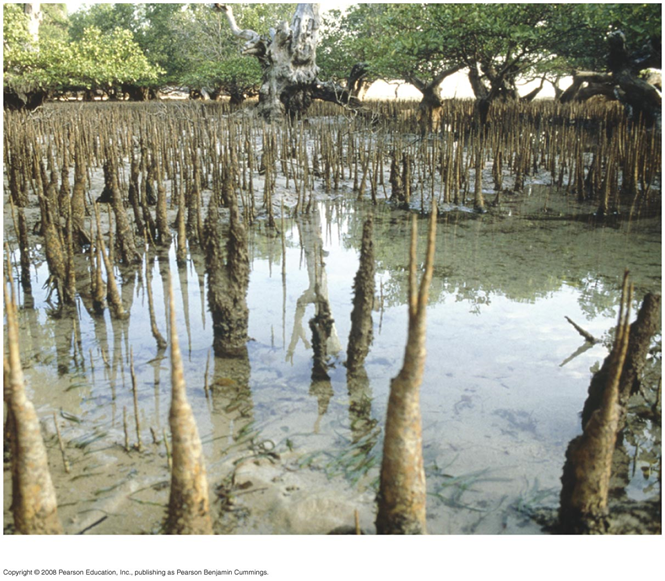
  • Some plants have returned to anaquatic habitat in either fresh or saltwater.


二 adaptation of plants

1 Some plants float in a pond, so they do not need to conserve water.

2 For most land plants, the only available supply of water and minerals is in the soil.