

英语听力1- 21级学生

倪秀英、马嫣

目录

  • 1 第一单元
    • 1.1 Preview- language points
    • 1.2 Part I Getting ready
    • 1.3 Part II Phone calls
    • 1.4 Part III
    • 1.5 Part IV A birthday present
    • 1.6 Part V Memory test
    • 1.7 Part VII Can I Take a Message?
    • 1.8 Unit 1 PPT
    • 1.9 video-how to learn English
  • 2 第二单元
    • 2.1 Preview -Language points
    • 2.2 Part I Getting ready
    • 2.3 Part II Weather reports
    • 2.4 Part III At a bus stop
    • 2.5 Part IV Weather language
    • 2.6 Part V Effects of weather
    • 2.7 Part VII Clear or Cloudy?
    • 2.8 Unit 2 PPT
    • 2.9 video-how to learn English
  • 3 第三单元
    • 3.1 Preview-Language points
    • 3.2 Part I Getting ready
    • 3.3 Part II Meeting announcements
    • 3.4 Part III Killing time
    • 3.5 Part IV Daylight -saving time
    • 3.6 Part V Radio announcements
    • 3.7 Part VII Can Time Move Backward?
    • 3.8 Unit 3 PPT
    • 3.9 video-how to learn English
  • 4 第四单元
    • 4.1 Preview-Language points
    • 4.2 Part I Getting ready
    • 4.3 Part II Airport announcements
    • 4.4 Part III A trip to the States
    • 4.5 Part IV In-flight service
    • 4.6 Part V Airline information
    • 4.7 Part VIIFlying in and Out
    • 4.8 Unit 4 PPT
    • 4.9 video-how to learn English
  • 5 第五单元
    • 5.1 Preview-Language points
    • 5.2 Part I Getting ready
    • 5.3 Part II At the railway station
    • 5.4 Part III Why are we waiting here?
    • 5.5 Part IV Grand central terminal
    • 5.6 Part V Bus information
    • 5.7 Part VII By bus or by train
    • 5.8 Unit 5 PPT
    • 5.9 video-enjoy a song
  • 6 第六单元
    • 6.1 Preview-Language Points
    • 6.2 Part I Getting ready
    • 6.3 Part II Reading maps
    • 6.4 Part III Route 66
    • 6.5 Part IV Travel log
    • 6.6 Part V Tour of Kyoto
    • 6.7 Part VIIThis way or that way?
    • 6.8 Unit 6 PPT
    • 6.9 Announcements
      • 6.9.1 Answers
  • 7 第七单元
    • 7.1 Preview-Language points
    • 7.2 Part I Getting ready
    • 7.3 Part II Using a bank account
    • 7.4 Part III Making phone calls
    • 7.5 Part IV Banking at home
    • 7.6 Part V Setting up your own business
    • 7.7 Part VII Cash or cheque?
    • 7.8 Unit 7 PPT
    • 7.9 video-at the bank
  • 8 第八单元
    • 8.1 Preview-Language points
    • 8.2 Part I Getting ready
    • 8.3 Part II How do children spend their money?
    • 8.4 Part III Shopaholics
    • 8.5 Part IV Mail order
    • 8.6 Part V Radio advertisements
    • 8.7 Part VII Spending money wisely
    • 8.8 Unit 8 PPT
    • 8.9 audio fees at Oxford
  • 9 第九单元
    • 9.1 preview-Language poins
    • 9.2 Part I Getting ready
    • 9.3 Part II Fast food survey
    • 9.4 Part III Restaurant charm
    • 9.5 Part IV Dealing with growth
    • 9.6 Part V Ordering pizza
    • 9.7 Part VII Dining at home & eating out
    • 9.8 Unit 9 PPT
    • 9.9 Dining & housing
  • 10 第十单元
    • 10.1 Preview-Language points
    • 10.2 Part I Getting ready
    • 10.3 Part II A visit to the doctor
    • 10.4 Part III Medical emergencies
    • 10.5 Part IV At a party
    • 10.6 Part V Sleeping problem
    • 10.7 Part VII Dear doctor
    • 10.8 Unit 10 PPT
    • 10.9 video-buffet
      • 10.9.1 news-eating healthly
  • 11 第十一单元
    • 11.1 Activity I
    • 11.2 Activity II
    • 11.3 Activity III
    • 11.4 Activity IV
    • 11.5 Activity V
    • 11.6 PDF answers & texts
  • 12 第十二单元
    • 12.1 第二课时
  • 13 The Lion King---Responsibility
    • 13.1 Film Exploration
    • 13.2 Music Appreciation
    • 13.3 Background Information
    • 13.4 Character Introduction
    • 13.5 Film Story
    • 13.6 Memorable Lines
    • 13.7 Insights on life
    • 13.8 Unit Practice
    • 13.9 Assignment
    • 13.10 Further-study Task
  • 14 The Pursuit of Happyness---Struggle
    • 14.1 Film Exploration
    • 14.2 Music Appreciation
    • 14.3 Background Information
    • 14.4 Character Introduction
    • 14.5 Film Story
    • 14.6 Memorable Lines
    • 14.7 Insights on life
    • 14.8 Unit Practice
    • 14.9 Assignment
    • 14.10 Further-study Task
  • 15 Forrest Gump---Perseverance
    • 15.1 Film Exploration
    • 15.2 Music Appreciation
    • 15.3 Background Information
    • 15.4 Character Introduction
    • 15.5 Film Story
    • 15.6 Memorable Lines
    • 15.7 Insights on life
    • 15.8 Unit Practice
    • 15.9 Assignment
    • 15.10 Further-study Task
  • 16 Avatar---Choice
    • 16.1 Film Exploration
    • 16.2 Music Appreciation
    • 16.3 Background Information
    • 16.4 Character Introduction
    • 16.5 Film Story
    • 16.6 Memorable Lines
    • 16.7 Insights on life
    • 16.8 Unit Practice
    • 16.9 Assignment
    • 16.10 Further-study Task
  • 17 The Sound of Music---Essence of life
    • 17.1 Film Exploration
    • 17.2 Music Appreciation
    • 17.3 Background Information
    • 17.4 Character Introduction
    • 17.5 Film Story
    • 17.6 Memorable Lines
    • 17.7 Insights on life
    • 17.8 Unit Practice
    • 17.9 Assignment
    • 17.10 Further-study Task
  • 18 Film Knowledge Introduction
    • 18.1 Tip and Warm-up
    • 18.2 A Brief Introduction to Films
    • 18.3 Film Genres
    • 18.4 Film Rating
    • 18.5 Hollywood Film Studios
    • 18.6 International Film Festivals
    • 18.7 Academy Awards / Oscar Awards
    • 18.8 Key for Warm-up
Background Information

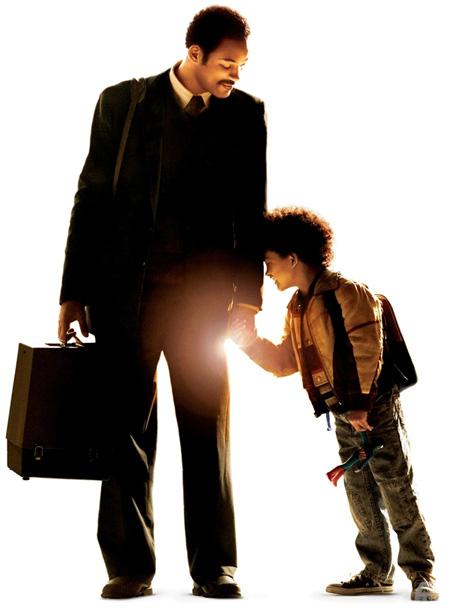
"The Pursuit of Happyness" was released by Columbia Pictures Corporation in 2006.The movie is adapted from a true story of a famous self-made millionaire Chris Gardner. Chris Gardner is a black American investment expert. The story tells us that how a homeless father with a 5-year-old son pursues his happiness. In the pursuit of happiness, he faces many obstacles, but he never gives up, and finally he succeeds. Will Smith acted as Chris Gardner, an ordinary person who lived in San Francisco in 1980s.  In order to create a touching drama out of the true story, a lot of changes have been made. The biggest change is Gander's one-year-old son turns into a smart 5-year-old boy. Jaden plays small Chris Gardner and he is the real son of Will Smith. 
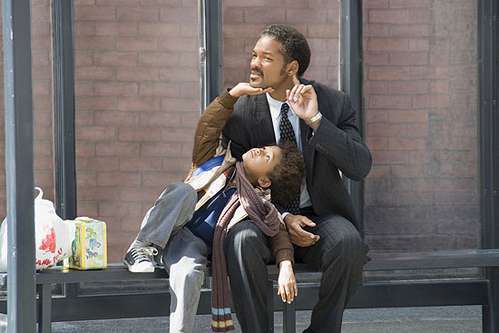
"The Pursuit of Happyness" is a simple inspirational movie. It doesn't have pretty actors, no fancy pictures, but it can also attract you, because it has good enough story. Some of the scenes are very impressed. For example: In order to catch up with the lost scanners, Chris was knocked down by a car.  He looked for his shoe groveling on the road without checking himself being hurt or not. Chris is a man with purpose.  He said “If you have got a dream, you should protect it.” He encouraged his son “Don’t ever let somebody tell you you can’t do something”, this sentence was also said to himself. When Chris saw the spelling error in "happyness", he said these words: There is no “y” in happiness, there is “i”. It aims to express: there is no “why” in the happiness, we should be responsible for our own happiness. We can not blame others when we are not happy. If we want to be happy, we can only rely on our own and struggle for it. 


Rubik’s Cube (魔方)

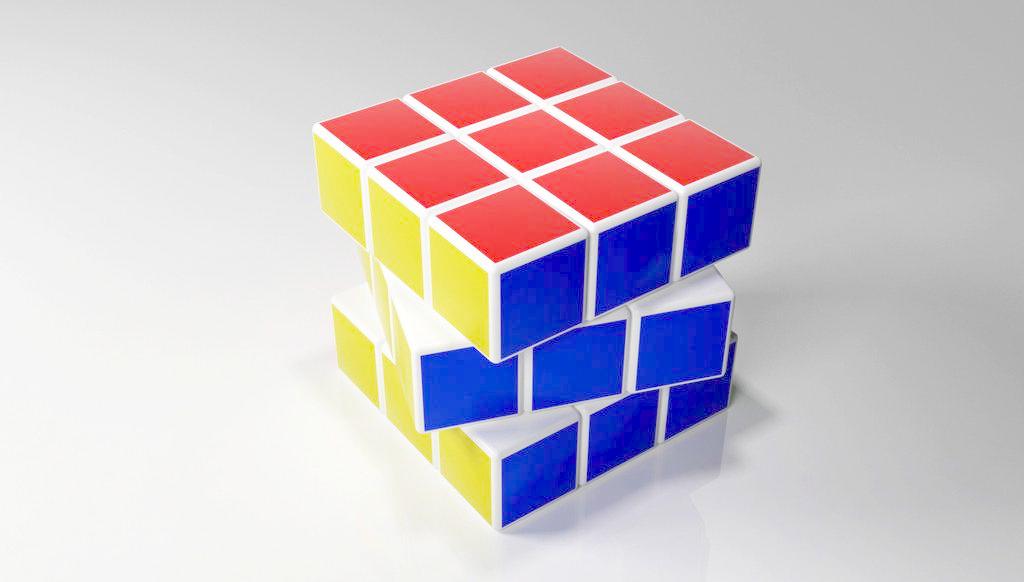
 Rubik's Cube is also called Magic Cube. It is a 3-D mechanical puzzle and the most famous puzzle as a mobile version across the world. Erno Rubik(厄尔诺·鲁比克), born in July 13, 1944, who is an architecture professor of a university in the Hungary(匈牙利)has invented the mechanical toy in 1974. The aim is to help his students to improve the ability of spatial thinking. There are different types of the original Rubik's Cube and all derive from the original Rubik's Cube (3x3x3). Rubik's Cube is not only for children, but also for other different people. Playing Rubik's Cube can challenge and exercise your logical, understanding and memory abilities. It is beneficial to the intelligence, health and brain. So, that is to say, it greatly contributes to hands, eyes, and brain to operate coordinately. Some websites recommended:
l       Rubik’s official website:http://www.rubiks.com/

l       Mofang8:http://www.mf8.com.cn/

l       Rubik’s CubeCHINA:http://www.rubik.com.cn/


United States Declaration of Independence

The Declaration of  Independence is the statement adopted by the Second Continental Congress meeting(第二届大陆会议)at the Pennsylvania(宾夕法尼亚州) State House ( Independence Hall) in Philadelphia(费城) on July 4, 1776, which announced that the thirteen American colonies, then at war with the Kingdom of Great Britain,regarded themselves as thirteen newly independent sovereign states, and no longer under British rule.  Instead they formed a new nation—the United States of America
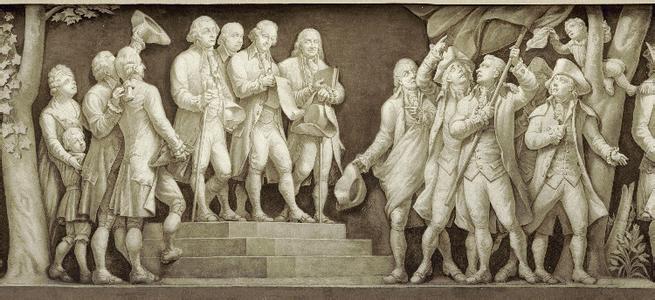
         John Adams(约翰·亚当斯,前美国总统) was a leader in pushing for independence, which was passed on July 2 with no opposing vote cast. A committee of five had already drafted the formal declaration, to be ready when Congress voted on independence. The term "Declaration of Independence" is not used in the document itself.

 John Adams persuaded the committee to select Thomas Jefferson(托马斯·杰斐逊,美国第三任总统) to compose the original draft of the document, which Congress would edit to produce the final version. The Declaration was ultimately a formal explanation of why Congress had voted on July 2 to declare independence from Great Britain, more than a year after the outbreak of the American Revolutionary War(美国独立战争). The next day, John Adams wrote to his wife Abigail(阿比盖尔): "The Second Day of July 1776, will be the most memorable Epocha(时代), in the History of America." But Independence Day is actually celebrated on July 4, the date that the Declaration of Independence was approved.

★扩展

电影《当幸福来敲门》象征符号分析.pdf(下载附件 1.28 MB)