

英语听力1- 21级学生

倪秀英、马嫣

目录

  • 1 第一单元
    • 1.1 Preview- language points
    • 1.2 Part I Getting ready
    • 1.3 Part II Phone calls
    • 1.4 Part III
    • 1.5 Part IV A birthday present
    • 1.6 Part V Memory test
    • 1.7 Part VII Can I Take a Message?
    • 1.8 Unit 1 PPT
    • 1.9 video-how to learn English
  • 2 第二单元
    • 2.1 Preview -Language points
    • 2.2 Part I Getting ready
    • 2.3 Part II Weather reports
    • 2.4 Part III At a bus stop
    • 2.5 Part IV Weather language
    • 2.6 Part V Effects of weather
    • 2.7 Part VII Clear or Cloudy?
    • 2.8 Unit 2 PPT
    • 2.9 video-how to learn English
  • 3 第三单元
    • 3.1 Preview-Language points
    • 3.2 Part I Getting ready
    • 3.3 Part II Meeting announcements
    • 3.4 Part III Killing time
    • 3.5 Part IV Daylight -saving time
    • 3.6 Part V Radio announcements
    • 3.7 Part VII Can Time Move Backward?
    • 3.8 Unit 3 PPT
    • 3.9 video-how to learn English
  • 4 第四单元
    • 4.1 Preview-Language points
    • 4.2 Part I Getting ready
    • 4.3 Part II Airport announcements
    • 4.4 Part III A trip to the States
    • 4.5 Part IV In-flight service
    • 4.6 Part V Airline information
    • 4.7 Part VIIFlying in and Out
    • 4.8 Unit 4 PPT
    • 4.9 video-how to learn English
  • 5 第五单元
    • 5.1 Preview-Language points
    • 5.2 Part I Getting ready
    • 5.3 Part II At the railway station
    • 5.4 Part III Why are we waiting here?
    • 5.5 Part IV Grand central terminal
    • 5.6 Part V Bus information
    • 5.7 Part VII By bus or by train
    • 5.8 Unit 5 PPT
    • 5.9 video-enjoy a song
  • 6 第六单元
    • 6.1 Preview-Language Points
    • 6.2 Part I Getting ready
    • 6.3 Part II Reading maps
    • 6.4 Part III Route 66
    • 6.5 Part IV Travel log
    • 6.6 Part V Tour of Kyoto
    • 6.7 Part VIIThis way or that way?
    • 6.8 Unit 6 PPT
    • 6.9 Announcements
      • 6.9.1 Answers
  • 7 第七单元
    • 7.1 Preview-Language points
    • 7.2 Part I Getting ready
    • 7.3 Part II Using a bank account
    • 7.4 Part III Making phone calls
    • 7.5 Part IV Banking at home
    • 7.6 Part V Setting up your own business
    • 7.7 Part VII Cash or cheque?
    • 7.8 Unit 7 PPT
    • 7.9 video-at the bank
  • 8 第八单元
    • 8.1 Preview-Language points
    • 8.2 Part I Getting ready
    • 8.3 Part II How do children spend their money?
    • 8.4 Part III Shopaholics
    • 8.5 Part IV Mail order
    • 8.6 Part V Radio advertisements
    • 8.7 Part VII Spending money wisely
    • 8.8 Unit 8 PPT
    • 8.9 audio fees at Oxford
  • 9 第九单元
    • 9.1 preview-Language poins
    • 9.2 Part I Getting ready
    • 9.3 Part II Fast food survey
    • 9.4 Part III Restaurant charm
    • 9.5 Part IV Dealing with growth
    • 9.6 Part V Ordering pizza
    • 9.7 Part VII Dining at home & eating out
    • 9.8 Unit 9 PPT
    • 9.9 Dining & housing
  • 10 第十单元
    • 10.1 Preview-Language points
    • 10.2 Part I Getting ready
    • 10.3 Part II A visit to the doctor
    • 10.4 Part III Medical emergencies
    • 10.5 Part IV At a party
    • 10.6 Part V Sleeping problem
    • 10.7 Part VII Dear doctor
    • 10.8 Unit 10 PPT
    • 10.9 video-buffet
      • 10.9.1 news-eating healthly
  • 11 第十一单元
    • 11.1 Activity I
    • 11.2 Activity II
    • 11.3 Activity III
    • 11.4 Activity IV
    • 11.5 Activity V
    • 11.6 PDF answers & texts
  • 12 第十二单元
    • 12.1 第二课时
  • 13 The Lion King---Responsibility
    • 13.1 Film Exploration
    • 13.2 Music Appreciation
    • 13.3 Background Information
    • 13.4 Character Introduction
    • 13.5 Film Story
    • 13.6 Memorable Lines
    • 13.7 Insights on life
    • 13.8 Unit Practice
    • 13.9 Assignment
    • 13.10 Further-study Task
  • 14 The Pursuit of Happyness---Struggle
    • 14.1 Film Exploration
    • 14.2 Music Appreciation
    • 14.3 Background Information
    • 14.4 Character Introduction
    • 14.5 Film Story
    • 14.6 Memorable Lines
    • 14.7 Insights on life
    • 14.8 Unit Practice
    • 14.9 Assignment
    • 14.10 Further-study Task
  • 15 Forrest Gump---Perseverance
    • 15.1 Film Exploration
    • 15.2 Music Appreciation
    • 15.3 Background Information
    • 15.4 Character Introduction
    • 15.5 Film Story
    • 15.6 Memorable Lines
    • 15.7 Insights on life
    • 15.8 Unit Practice
    • 15.9 Assignment
    • 15.10 Further-study Task
  • 16 Avatar---Choice
    • 16.1 Film Exploration
    • 16.2 Music Appreciation
    • 16.3 Background Information
    • 16.4 Character Introduction
    • 16.5 Film Story
    • 16.6 Memorable Lines
    • 16.7 Insights on life
    • 16.8 Unit Practice
    • 16.9 Assignment
    • 16.10 Further-study Task
  • 17 The Sound of Music---Essence of life
    • 17.1 Film Exploration
    • 17.2 Music Appreciation
    • 17.3 Background Information
    • 17.4 Character Introduction
    • 17.5 Film Story
    • 17.6 Memorable Lines
    • 17.7 Insights on life
    • 17.8 Unit Practice
    • 17.9 Assignment
    • 17.10 Further-study Task
  • 18 Film Knowledge Introduction
    • 18.1 Tip and Warm-up
    • 18.2 A Brief Introduction to Films
    • 18.3 Film Genres
    • 18.4 Film Rating
    • 18.5 Hollywood Film Studios
    • 18.6 International Film Festivals
    • 18.7 Academy Awards / Oscar Awards
    • 18.8 Key for Warm-up
Background Information

The Lion King was released by Walt Disney Picture in 1994. It is one of the top blockbusters in the film history. The story is influenced by Shakespeare’s play Hamlet.It takes place in a kingdom of the animals in Africa, and the kingdom is named Pride Rock or Pride Land.The film attracts African Americans because, to a certain extent, it reflects African culture and its values, along with African scenery. 

The names of the main characters in the film such as Simba, Pumbaa are from an African language:Swahili. Simba means lion and Pumbaa means fool. Another expression “Hakuna Matata” means“no worries”. After Mufasa’s death, Simba runs away from home. Pumbaa and Timon find Simba, keep him in their place and share their care-free philosophy. 
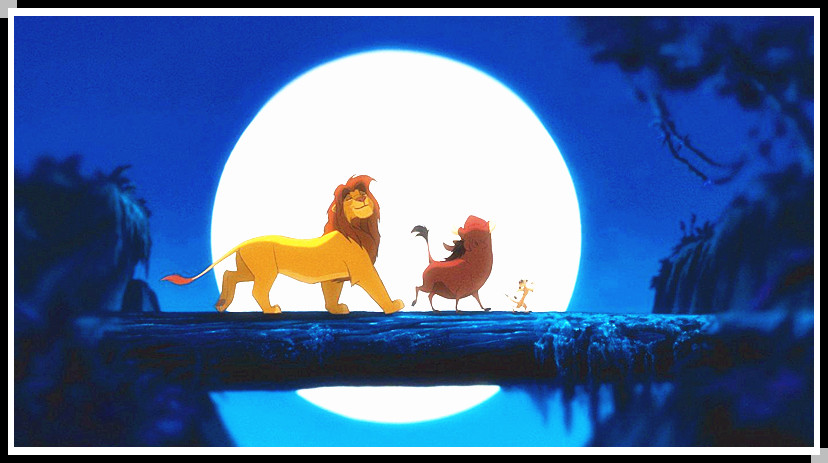


It is through the Lion King,Mufasa’s (穆发萨) conversation with his son, Simba, that the values or beliefs in responsibility are conveyed. For instance, Mufasa told Simba to understand the delicate balance of the natural world and respect all the creatures because they are all connected in the great Circle of Life: “When we die, our bodies become the grass and the antelopes eat the grass, and so we are all connected in a great circle of life.” 

When talking about death, Mufasa told Simba: “Simba, let me tell you something that my father told me. Look at the stars. The great kings of the past look down on us from those stars. So whenever you feel alone, just remember that those kings will always be there to guide you, and so will I.” He told Simba to remember who he is and his responsibility to his Kingdom. To Simba, to be or not to be king is a struggle between guilt and responsibility. But when Rafiki found him, it said: “The past can hurt, but as I see it,you can either run from it or learn from it.” Then Mufasa showed up in the night sky, saying “Simba, you have forgotten me. You have forgotten who you are and so have forgotten me. Remember who you are. You are my son and the one true king.” Simba started to learn to be a responsible king.

★Hakula Matata

It means “no worries” in an African language.After Mufasa’s death, Pumbaa and Timon find Simba, keep him in their place and share their care-free philosophy. Timon tells Simba “When the world turns its back on you, you turn your back to the world! You should put your past behind you”. So the phrase“Hakuna Matata” helps to release Simba from depression and self-condemning, and Simba grows up in their friendly company.

★Baptism(洗礼)

It, from the Greek nounβάπτισμα,is a Christian sacrament(圣礼) of admissionand adoption, almost invariably with the use of water, into the Christian Church generally. The canonical(权威的) Gospels(福音书) report that Jesus was baptized—a historical event to which a high degree of certainty can be assigned. Baptism has been called a holy sacrament and an ordinance of Jesus Christ. In some denominations(教派), baptism is also called christening, but for others the word "christening" is reserved for the baptism of infants. Baptism has also given its name to the Baptist churches and denominations, they being called Baptism as a whole.

★Hamlet(哈姆雷特)

Hamlet is a tragedy and it is the most famous play of Shakespeare. The story is about the revenge of Prince Hamlet. The late King of Denmark died suddenly while the prince Hamlet was away from home at a foreign University. When Hamlet came back, he attended the wedding of his mother and his uncle Claudius(克劳迪亚斯) instead of father's funeral. One night,his father's ghost appeared and told Hamlet that he was murdered by Claudius.So Hamlet made up his mind to avenge his father, and he decided to pretend that he had gone mad in order to have a better chance to kill Claudius. He started to estrange himself from his friends, including his lover Ophelia(奥菲莉娅). 

Hamlet invited a company of traveling performers to play the scene of his father's murder to test Claudius's reaction. Then Claudius figured out his real motivation, and sent him to England. At the same time, Claudius sent a letter to the king of England and asked him to kill Hamlet. But on the way to England,their ship was attacked by pirates, and Hamlet was returned to Denmark.When Hamlet returned home, he learned of Ophelia's death. 

Ophelia's brother Laertes(雷欧提斯) requested to fight with Hamlet. Claudius arranged a fencing match for them. And he attempted to let Laertes kill Hamlet with a poisoned sword. In the match, Hamlet was hit with the poisoned sword. Laertes was also wounded badly. The Queen drank the poisoned wine for Hamlet and warned Hamlet that the drink was poisoned. And Laertes also told the whole truth to Hamlet before he died. In the end, Hamlet killed Claudius, at last avenging his father's death. Then Hamlet died as well.


★扩展

阳光下的哈姆雷特——后现代主义观照下的《狮子王》.pdf(下载附件 345.68 KB)